
Extraordinary selection
From standard cars to supercars, find the perfect car for any occasion or budget.

Protection plans
Choose from a range of protection plans to get the level of protection that's right for you.*

Easy airport pickup
You can skip the rental counter at 20+ airports across Australia.
Browse CTS-V rentals by destination


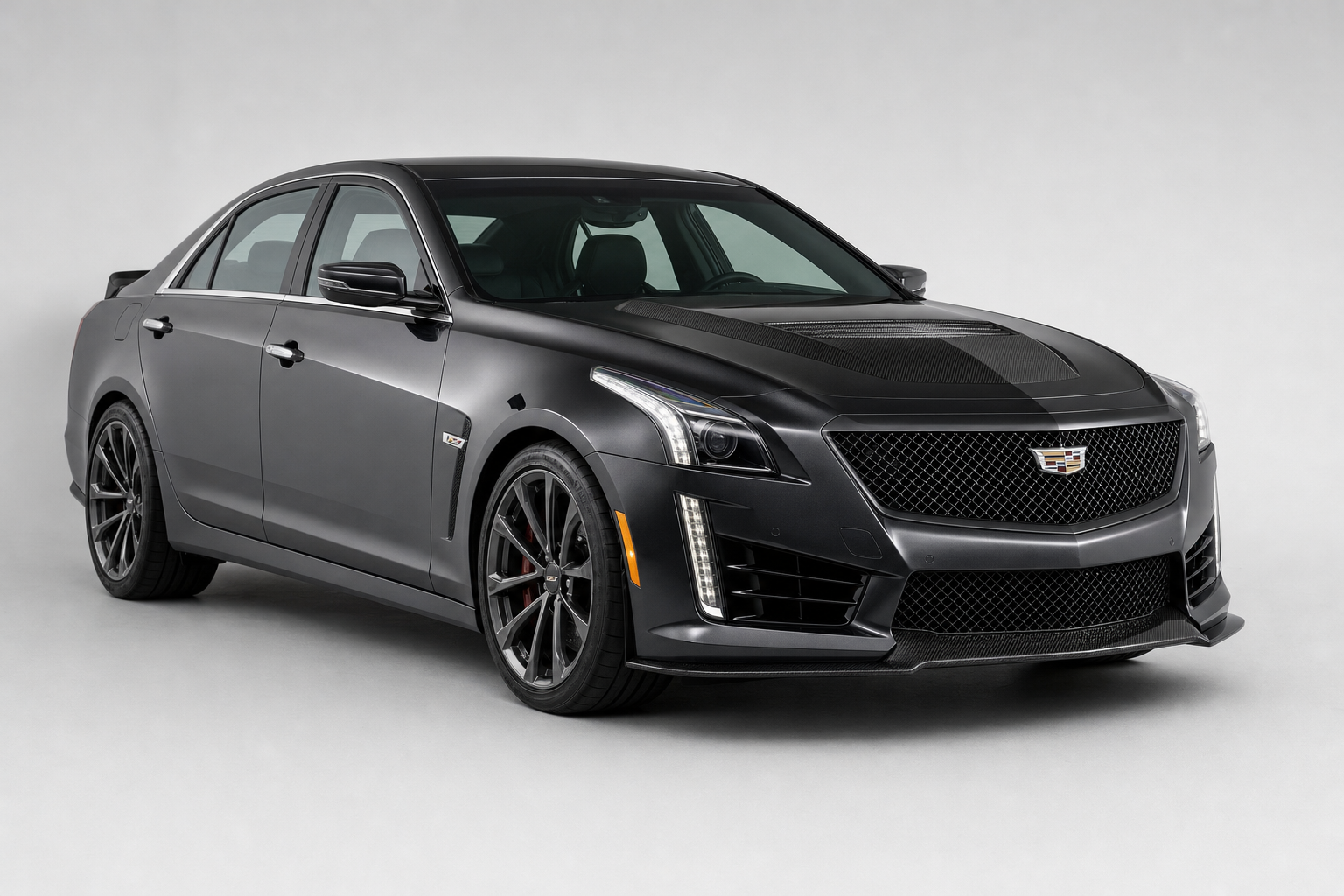
A luxury sedan with a supercharged heartbeat
Drive a CTS-V
A Cadillac CTS-V car rental pairs four-door Cadillac comfort with a 640 hp supercharged V8. It seats five, and since production ended with the 2019 model year, it's become a modern classic worth seeking out.
Turo is a car rental marketplace, so you book your CTS-V from a local vehicle owner. Browse Cadillac rentals on Turo, book your dates, and pick up the car or arrange delivery where it's offered.
CTS-V specs
Horsepower
640 hp
Acceleration
0-60 mph in 3.7 sec
Top speed
200 mph
Weight
~4,141 lbs
Supercharged, unmistakable V8 power
The CTS-V's 6.2L supercharged V8 makes 640 hp and 630 lb-ft of torque, all sent to the rear wheels. An eight-speed automatic with paddle shifters and launch control puts every gear change at your fingertips.
Magnetic Ride Control keeps the power composed
Serious power needs a chassis that can keep up, and the CTS-V brings three systems to the job. Third-generation Magnetic Ride Control delivers 40% faster damping response, helping the sedan stay settled on uneven pavement. You feel it most on broken city streets and long highway stretches — the ride stays controlled without turning harsh.
An electronic limited-slip differential manages how power reaches the rear wheels, helping when you pull away or accelerate out of a turn. Performance Traction Management adds another layer of support, so you can put the V8's output down with more confidence. Together, these systems make 640 hp feel usable on everyday roads.
Brembo brakes and carbon-fiber details
Stopping matters as much as going, and every CTS-V comes with standard Brembo brakes. That's hardware worthy of a 4,141 lb sedan with 640 hp, giving you strong, predictable braking in daily traffic and on longer drives.
The carbon fiber starts up front, where a carbon-fiber hood comes standard. The optional Carbon Fiber Package goes further, adding a hood vent, spoiler, front splitter, and rear diffuser for a more sculpted look. Check the listing photos to see which version you're booking — the package is easy to spot once you know where to look.
Stand out with a CTS-V
The CTS-V makes sense well beyond the spec sheet. It's a practical five-seat sedan with a 13.7 cu ft trunk, ready for weekend getaways, milestone celebrations, or simply a memorable drive. Compare it with other luxury and exotic rentals to find the right fit for your trip.

Top CTS-V features

Heritage across three generations
Three things set the CTS-V apart: its heritage across three generations, its rarity, and a cabin built for five.
The CTS-V has evolved across three generations, and each one made more power than the last. The first generation (2004–2007) came as a sedan only, with 400 hp and a six-speed manual as the sole transmission. The second generation (2009–2015) jumped to a 556 hp supercharged V8 and was the first CTS-V with Magnetic Ride Control.
That second generation also offered the widest choice of body styles — sedan, coupe, and Sport Wagon. The third generation (2016–2019) returned to a sedan-only lineup and brought the 640 hp output you'll find in the final model year.
A rare modern classic
The third-generation CTS-V is a rare sight, and that's part of its appeal. Cadillac built 1,887 in 2016, 1,887 in 2017, and just 1,297 in 2018, then ended production in April 2019.
Those low numbers mean you won't spot many on the road, and you can't buy one new anymore. Renting gives you a way to experience this modern classic for a weekend, a week, or longer without committing to ownership. Cadillac's spiritual successor arrived in 2022 — you'll find it in the tips below.
A cabin built for five
Behind the performance hardware sits a cabin made for real trips. The CTS-V seats five, and some cars come with optional Recaro seats — check the listing if those are on your wish list. Cadillac CUE runs infotainment on an eight-inch screen, with Apple CarPlay and Android Auto, so your maps, music, and messages come along.
That mix makes the CTS-V easy to live with on longer drives. You get familiar phone integration up front and room for passengers in back. And you don't give up the supercharged V8 under the hood to get it.
Others Cadillac models
- Cadillac ATS
- Cadillac CT4-V
- Cadillac CT4
- Cadillac CT5-V
- Cadillac CT5
- Cadillac CT6
- Cadillac CTS
- Cadillac Deville Convertible
- Cadillac DTS
- Cadillac ELR
- Cadillac XTS
- Cadillac Escalade ESV
- Cadillac Escalade IQ
- Cadillac Escalade IQL
- Cadillac Escalade
- Cadillac LYRIQ
- Cadillac OPTIQ
- Cadillac SRX
- Cadillac VISTIQ
- Cadillac XT4
- Cadillac XT5
- Cadillac XT6
Other popular models
Top tips and things to know before renting a CTS-V

Get to know your CTS-V
A little prep goes a long way with a 640 hp sedan. Here's what to check before you book.
Check the model year on the listing first — the CTS-V changed a lot between generations. A 2016–2019 car gives you the 640 hp supercharged V8 and eight-speed automatic. Earlier cars make less power, and first-generation cars came only with a six-speed manual.
If you'd like to compare, browse a Cadillac CTS rental or a Cadillac ATS rental. You can also look at a Cadillac CT5 rental, since the CT5-V Blackwing is the CTS-V's spiritual successor.
CTS-V driving tips
Ease into the throttle — 640 hp goes to the rear wheels, so smooth inputs matter, especially in wet or cold conditions. Use the paddle shifters when you want more control over gear selection.
Plan your fuel stops, too. The CTS-V is EPA-rated at 14 mpg city, 21 mpg highway, and 16 mpg combined, with a 19-gallon tank. Map out gas stations before longer drives so you're never cutting it close.
How much does it cost to rent a CTS-V?
The price of a Cadillac CTS-V car rental depends on the local vehicle owner, who sets the rate based on location, dates, and trip length. Check current listings for up-to-date prices in your area.
Planning a longer trip? Some listings offer weekly and monthly discounts, and a long-term car rental can work well when you need the car for weeks at a time.
Turo car rental vs. traditional rental
Turo Car rental
App-based experience
No waiting in line
1,600+ unique makes & models
Get the exact car you choose
Delivery options & thousands of pickup locations
Cars rented out by local small businesses
Vehicles and hosts rated by guests
Traditional rental
Standard rental counter experience
Waiting in line
Limited selection
Get a type of vehicle “or similar”
Pickup at retail locations
Owned by large corporations
No vehicle ratings

Skip the rental car counter
On the Turo car rental marketplace, you can rent the perfect car for wherever you’re going from a vibrant community of trusted hosts. Whether you're flying in from afar or looking for a car down the street, searching for a rugged truck or something smooth and swanky, Turo puts you in the driver's seat of an extraordinary selection of cars rented out by local hosts.Frequently asked questions about CTS-V rentals on Turo
What documents do you need to rent a CTS-V on Turo?
You'll need a valid driver's license and approval to drive on Turo. You can get approved through the Turo app before you book your CTS-V.
What type of license do you need to rent a CTS-V?
You need a valid, government-issued driver's license to rent a CTS-V. International guests may also need an International Driving Permit, so check the requirements before your trip.
How old do you need to be to rent a CTS-V on Turo?
Age requirements for a CTS-V vary by vehicle, so check the listing before you book. In the US, Deluxe Class vehicles require guests to be at least 25, and Super Deluxe Class vehicles require guests to be at least 30. You may also pay a security deposit, depending on the vehicle's class and your age.
Does a CTS-V rental include protection?
You'll choose a protection plan at checkout when you book your CTS-V.
Are there discounts on CTS-V rentals?
Yes — many CTS-V listings offer weekly and monthly discounts. Check the listing to see what applies to your dates.
Can you rent a CTS-V long term?
Yes, you can rent a CTS-V long term when the listing allows it. Check the listing's availability for your full date range before you book.
Do CTS-V rentals include unlimited mileage?
It depends on the listing. Each CTS-V listing shows its mileage limits, so review them before you book.
Can someone else drive the CTS-V I rent?
Yes — you can add additional drivers to your CTS-V trip in the Turo app.
Can a CTS-V be delivered to me?
Often, yes. Many CTS-V listings offer delivery to airports, hotels, or your address, so check the listing for delivery options.
* Any personal insurance you may have that covers damage to the host’s vehicle would kick in before your protection plan, except in limited situations for trips booked in Maryland, but this protects your own wallet. In the US, liability insurance is provided under a policy issued to Turo by Travelers Excess and Surplus Lines Company. Terms, conditions, and exclusions apply. The policy does not provide coverage for damage to a host’s vehicle.
For questions or information about the third party liability insurance for trips in the US, consumers in Maryland and the licensed states listed here may contact Turo Insurance Agency at (415) 508-0283 or claims@turo.agency. For questions about how damage to a host’s vehicle is handled, visit the Turo Support site. When a trip is booked in the state of Washington, physical damage to the host’s vehicle is covered by insurance purchased by Turo, but the Turo insurance does not change the contractual responsibilities of hosts or guests with respect to physical damage to a host’s vehicle.