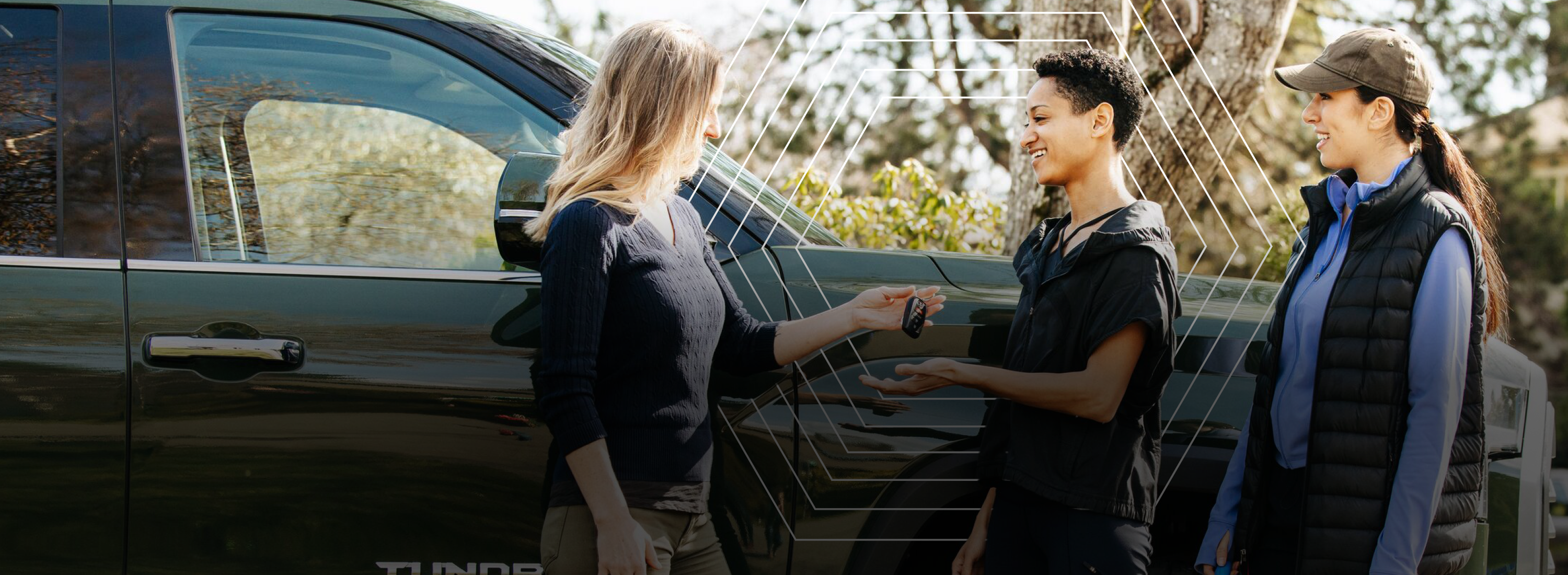
Turo Delivered is live. Where will you take it?
Choose delivery areas and fees that reflect your market, with more ways to reach guests where they want a car.

 Watch how it works
A hotel district a few minutes away and a neighborhood across town can both make sense for delivery. They don’t have to come with the same fee.
Until now, custom delivery meant one radius and one fee for that coverage, alongside a limit of 10 individual delivery locations. A single radius could include areas you wanted to serve and others that didn’t fit your business. One fee had to account for nearby deliveries and longer drives.
Turo Delivered is now live, with multiple delivery zones and a different fee you can set for each. You can cover whole areas with hotels and homes, choose your boundaries, and price those areas differently.
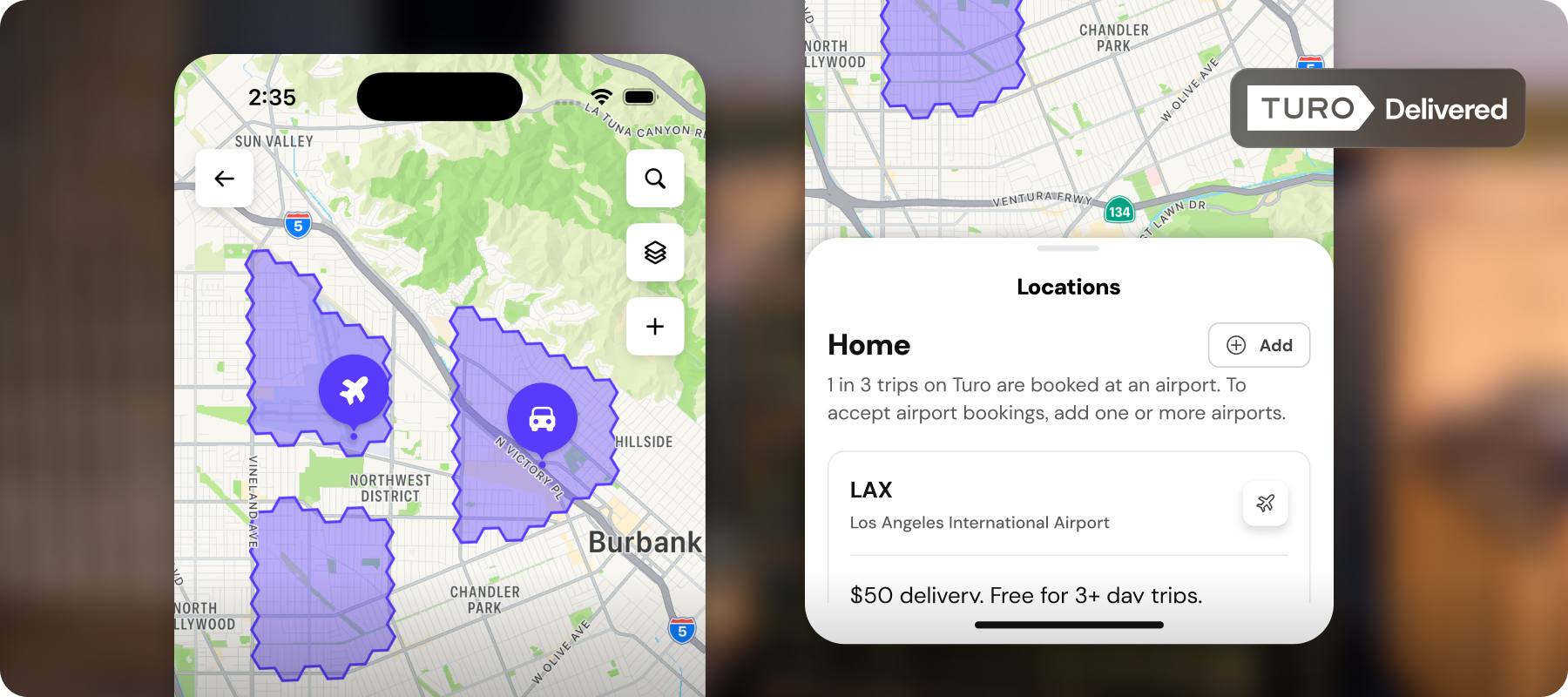
A zone can cover a whole hotel district
Think about the places guests stay in your market. A cluster of hotels might stretch across several blocks, with vacation rentals and homes nearby.
A zone lets you offer delivery across that area. Guests can search for a delivery address or location within your coverage, giving your car more opportunities to appear where they’re looking.
You choose how much of the area you want to serve. As you learn which locations work for your business, you can adjust the coverage.
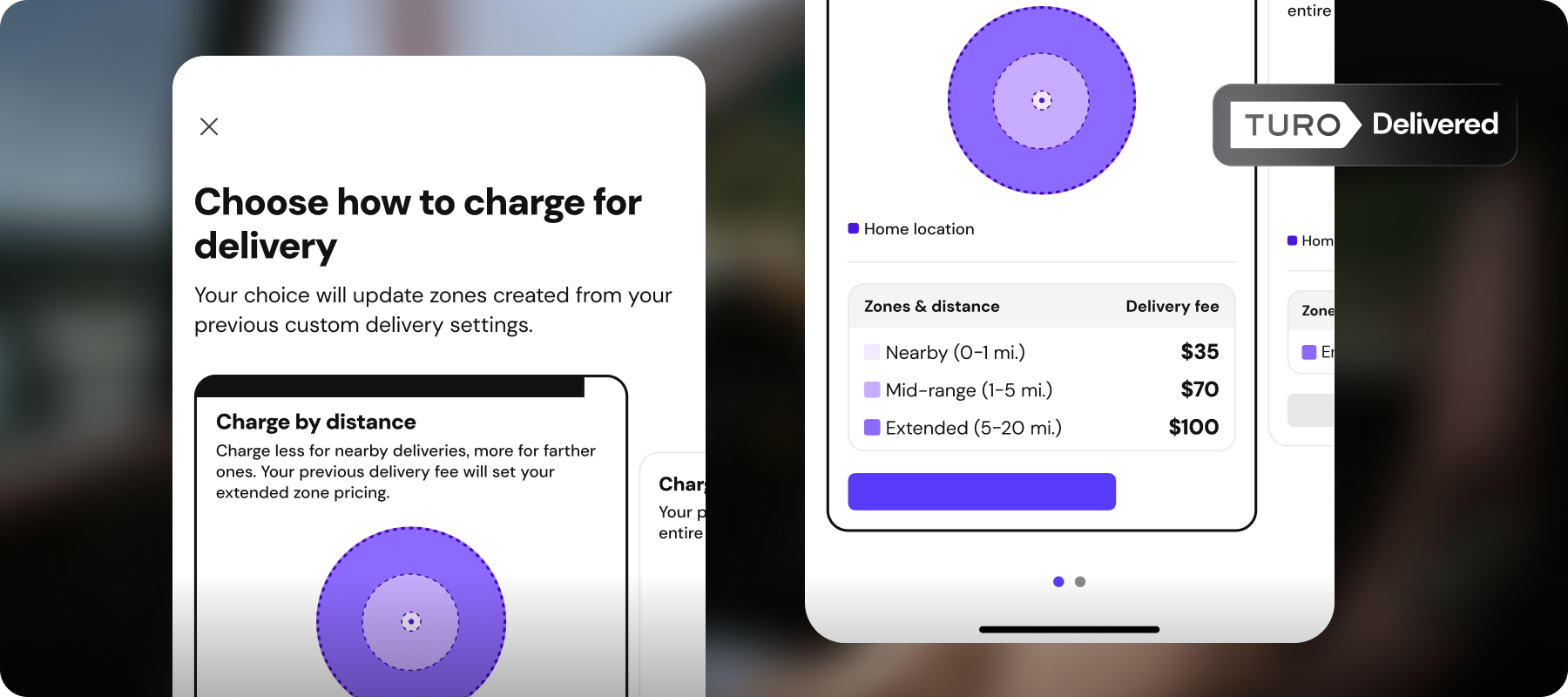
A nearby station can have a different fee
Suppose a train station is close to you and has an inexpensive transit connection back. A lower delivery fee might make sense for a zone around it.
Another neighborhood may take longer to reach and require a rideshare home after drop-off. You can set a higher fee for that zone to account for the difference.
Those decisions can reflect your local knowledge. Distance matters, along with the route, parking and how you’ll get to and from the car. Local demand and the guest’s total trip price matter when deciding whether a fee is competitive.
At launch, Turo’s recommended pricing offers suggested fees based on zone distance. If recommendations are available in your Location settings, review them alongside your own costs and local market to decide what works for your business.
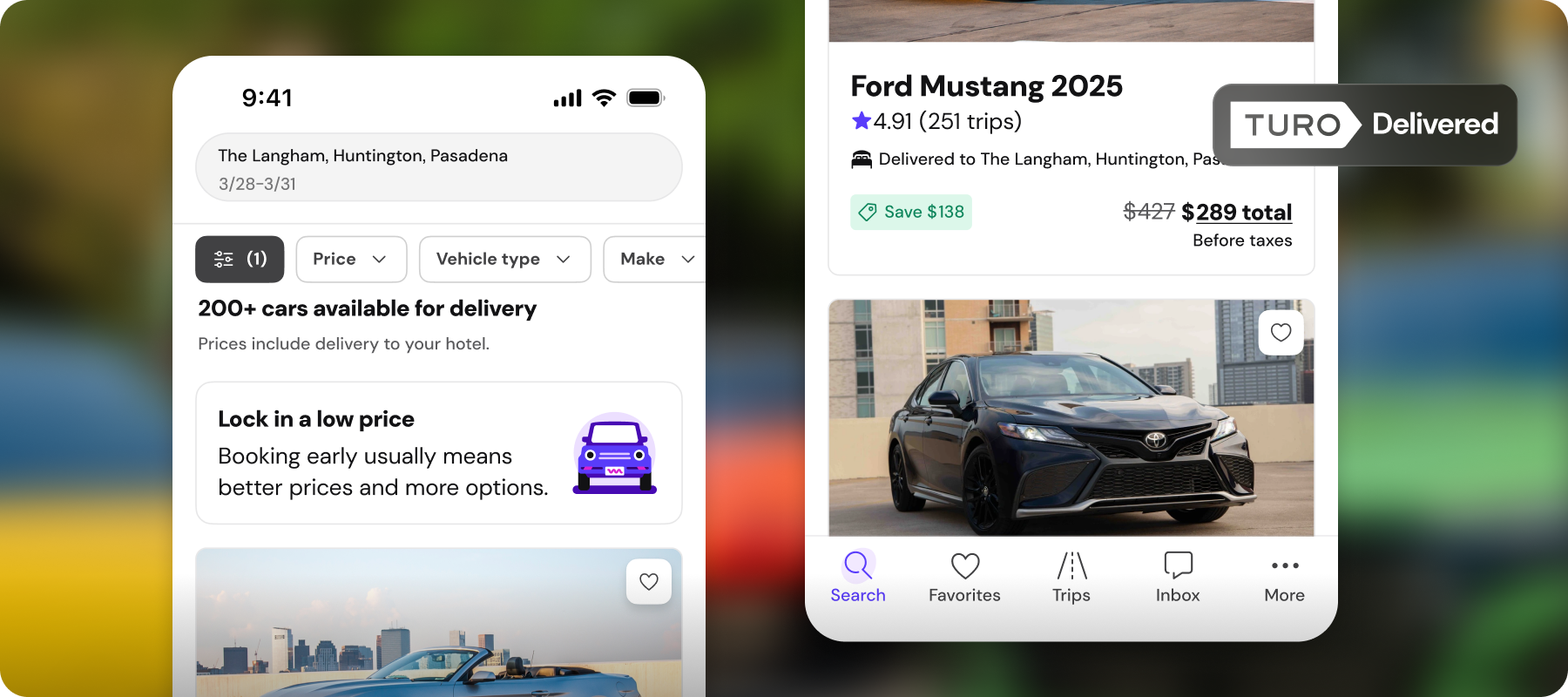
More coverage can help more guests find your car
Delivery can make your listing an option for guests who need a car brought to them. Expanding your coverage can help your car appear in delivery searches across more areas.
Hosts in the U.S. who offered delivery earned 66% more on average per vehicle.¹ Whether delivery makes sense for you depends on your market, costs and availability. Zones give you more flexibility to weigh those factors and try a setup that fits your business.
Start with areas you know. As trips come in, compare the earnings with what it takes to complete each delivery and adjust your fees or coverage as needed.

Already offer delivery?
Your zones are ready.
Your non-airport delivery settings converted automatically, and your current delivery fees stayed the same. Your custom radius moved to zones, while each individual delivery location became a single tile on the map.
Use those familiar locations as a starting point to build larger zones around nearby areas you want to serve.
Airport delivery is still part of Turo Delivered. Airports remain separate delivery locations, with their own pickup, return and parking rules. Your existing airport settings haven’t changed. See airport delivery guidance.
Build your setup
Go to Location settings to create or review your delivery zones and choose a fee for each.
¹ Based on Turo data from July 1, 2025 through June 30, 2026, among vehicles available for trips, those whose hosts offered delivery in the U.S. earned an average of 66% more per vehicle than those whose hosts did not. Results vary and are not a guarantee of future earnings. Differences may reflect factors other than delivery, such as availability, location, and vehicle type.

Explore more articles
Your Tesla can stand out with Full Self-Driving (Supervised)
Oct 26, 2026

What's new for hosts: Tools, programs, and updates
Oct 1, 2026

The biggest sports event of the year is coming
Jun 15, 2026