- Car hire
- United States
- Bel Air

Extraordinary selection
From standard cars to supercars, find the perfect car for any occasion or budget.

Protection plans
Choose from a range of protection plans to get the level of protection that's right for you.*

Easy airport pickup
You can skip the rental counter at 20+ airports across Australia.
Top-rated Bel Air rental
Average daily prices for a 3-day trip
Browse Bel Air rentals by destination


Cruise into classic Americana
Drive a Bel Air
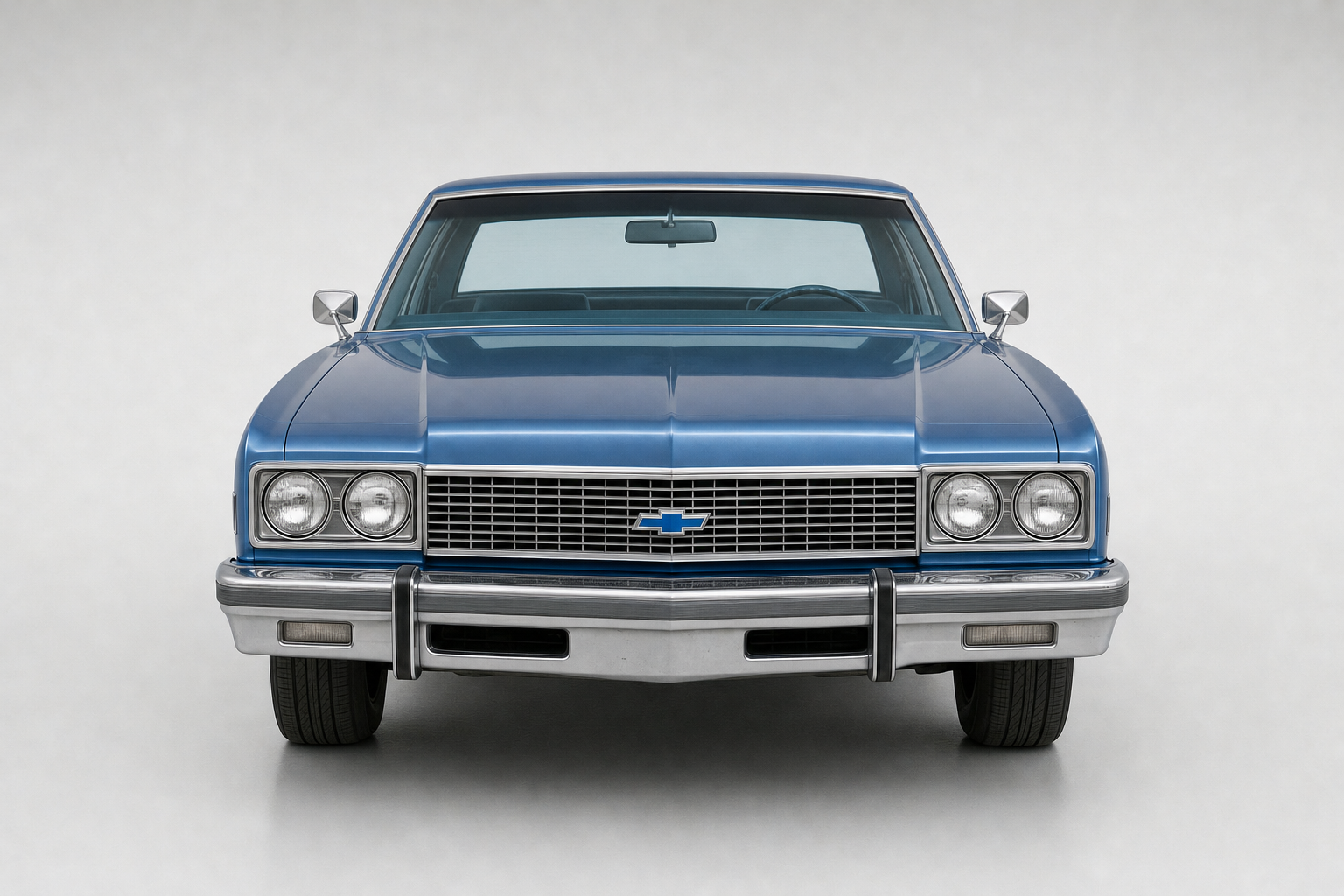
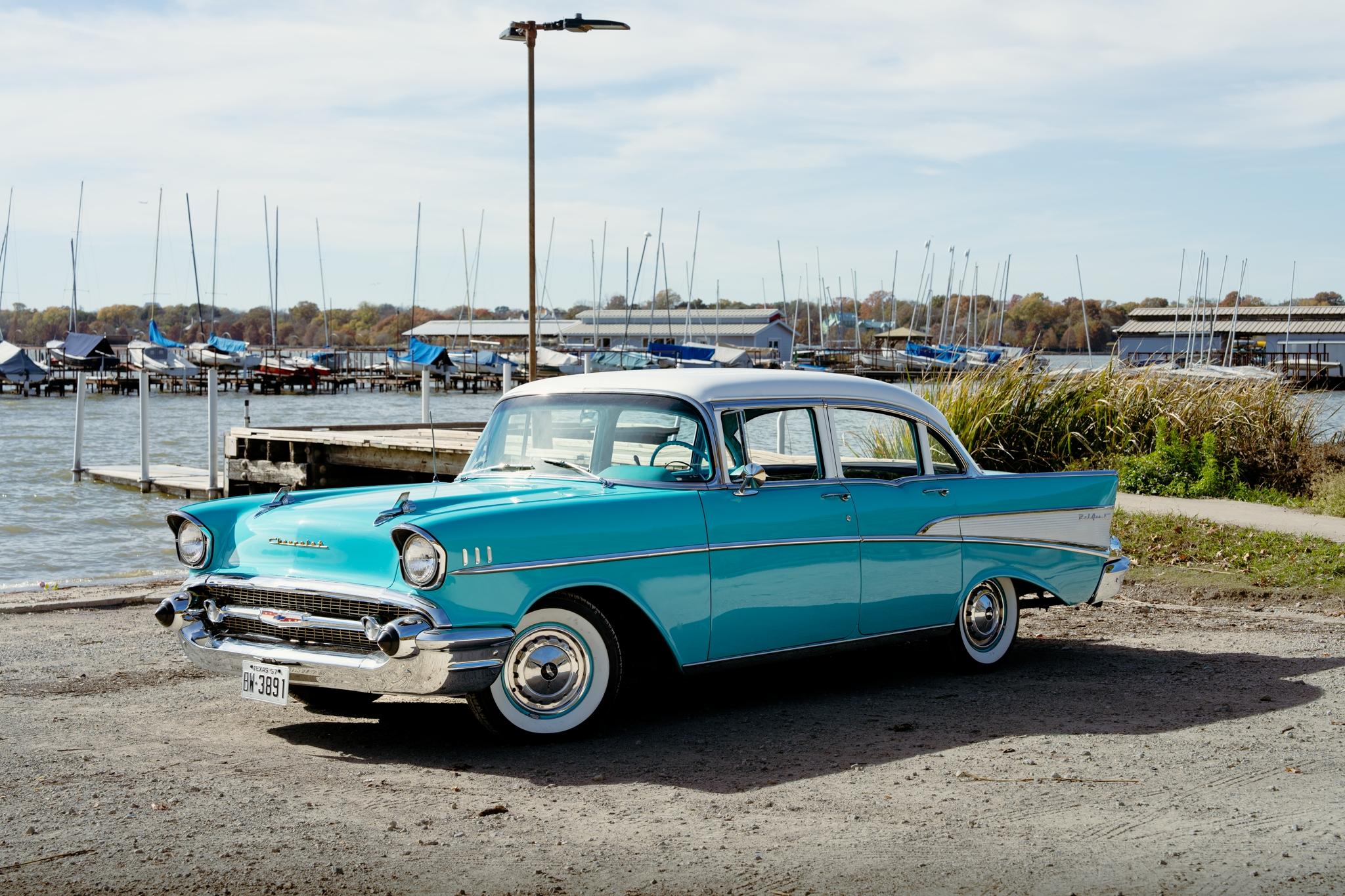
The Bel Air is one of Chevrolet's most storied nameplates, with US models built for 1950–1975. On Turo, guests book a Chevrolet Bel Air car rental from local vehicle owners for special occasions and unhurried drives. It's classic car rental with a famous name — a piece of American automotive history you can actually drive.
Booking puts you in control. You choose the exact car and arrange pickup with its local vehicle owner. Model years vary from listing to listing, so check each one to find the Bel Air era you're after.
Bel Air specs
Horsepower
145 hp
Engine
5.7L V8
Transmission
3-speed auto
Wheelbase
121.5 in
Smooth, unhurried V8 power
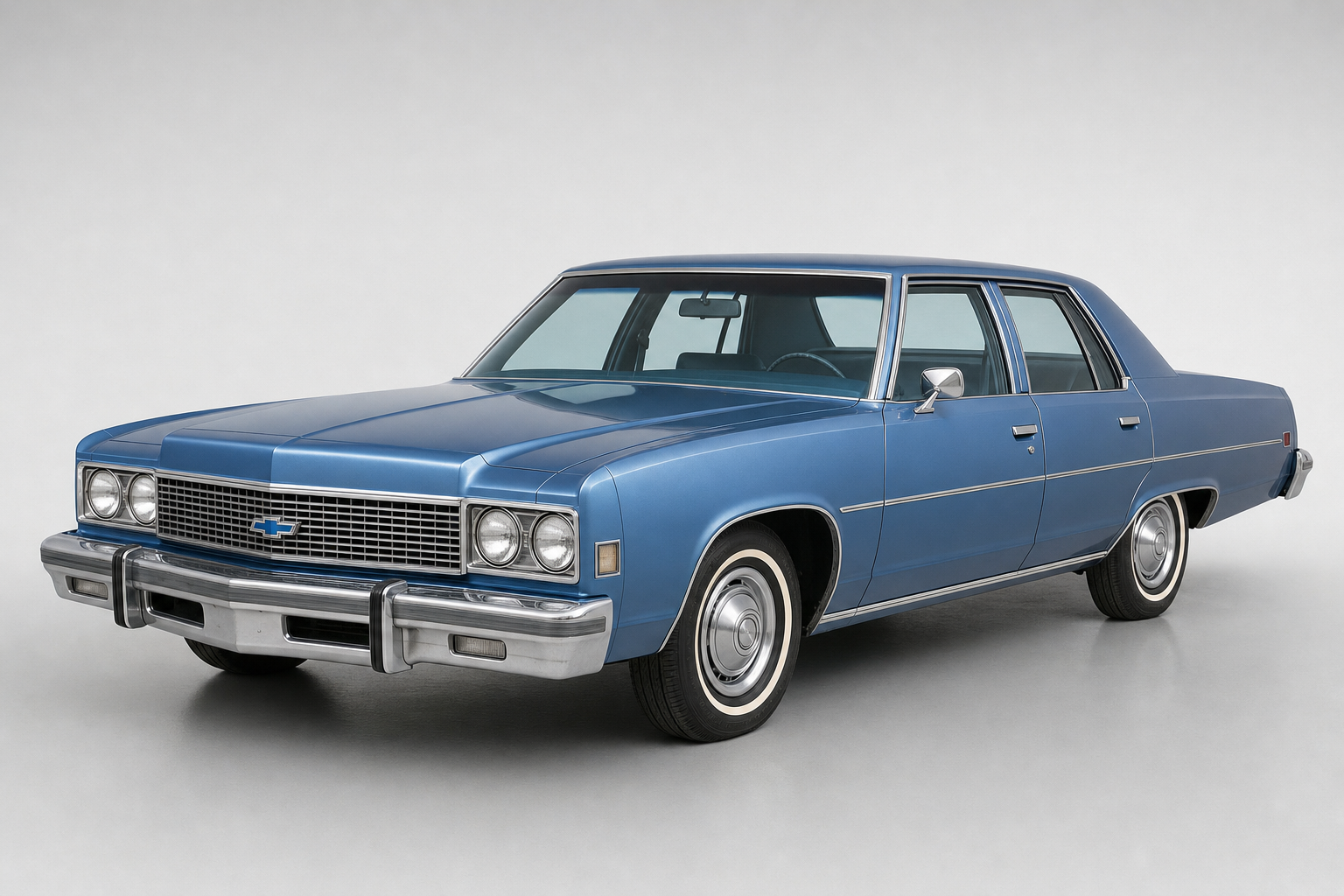
The 1975 Bel Air pairs a 5.7L V8 with a three-speed automatic for relaxed, easygoing power. The 350-cubic-inch two-barrel V8 came standard on 1974–1975 Bel Air sedans and made 145 net hp in the final year. A Turbo Hydra-matic automatic handles the shifts, so you can keep your attention on the road and the view.
Full-size room to stretch out
The 1975 Bel Air is a true full-size car, riding on a 121.5-inch wheelbase. That long footprint gives the four-door sedan a stately presence at the curb and room to spread out inside.
For 1975, Chevrolet offered the Bel Air in two US body styles: the four-door sedan and a station wagon. The wagon stepped up to a larger 400-cubic-inch V8. Either way, you get long, boxy proportions that look right at home outside a chapel or rolling down a coastal highway.
A nameplate with 25 years of history
The Bel Air spent 25 years in Chevrolet's US lineup, spanning 1950–1975. It debuted for 1950 as a hardtop, making Chevrolet the first low-priced make to offer one. For 1953, it became Chevrolet's top-of-the-line series, adding two-door and four-door sedans plus a wagon.
US production ended after the 1975 model year, though Canada kept the Bel Air going through 1981. Slide behind the wheel and you're part of a story that runs all the way back to the dawn of the 1950s.
Stand out with a Bel Air
A Bel Air turns any outing into an event, which makes it a strong pick for weddings, anniversaries, photo shoots, and nostalgic weekend drives. Picture a getaway car after your vows, a backdrop for engagement photos, or a Sunday cruise with someone who remembers these cars new. Browse Chevrolet car rental options on Turo to see what else wears the bowtie.
Top Bel Air features

Tri-Five legend status
Three things set the Bel Air apart: Tri-Five legend status, final-year rarity, and simple, analog character.
The 1955–1957 Bel Airs, known as the Tri-Five cars, rank among the most celebrated American cars. Their reputation still follows the Bel Air name, decades after the last one left the factory.
The heritage travels with every Bel Air, whatever its year. Model years vary by listing, so check the details to see which chapter of the story your car comes from. Either way, you're driving a nameplate with serious standing in American car culture — and that's a fun detail to share with anyone riding along.
Final-year rarity
Chevrolet built just 13,168 Bel Airs for 1975, the nameplate's final US model year. By then, the Bel Air was Chevrolet's lowest-priced full-size series — the entry point to the brand's big cars. That's a long way from its 1950s role as Chevrolet's top-of-the-line series.
Low production and a modest market position make a 1975 Bel Air an unusual find today. Spot one in a listing and you've found a quieter piece of Bel Air history. It's the closing chapter of a name that started in 1950.
Simple, analog character
The Bel Air keeps driving refreshingly simple: a V8 up front, an automatic transmission, and no screens on the dash. You turn the key, shift into drive, and go. Make the drive itself the main event of your day.
With no touchscreens or menus to sort through, you feel more connected to the car. You notice the engine note, the feel of the steering, and the road ahead. It's a pure, mechanical experience that slows the pace in the best way.
Others Chevrolet models
Top tips and things to know before renting a Bel Air

Get to know your Bel Air
A little prep goes a long way with a decades-old classic. Here's what to check before you book and before you drive.
Start with the listing, since model year, body style, and features vary widely across 25 years of Bel Air production. A 1950s hardtop and a 1975 sedan deliver very different experiences, so read the details and photos closely.
Need a different kind of Chevrolet for another trip? A Chevrolet Corvette rental brings modern performance. A Chevrolet Tahoe rental or Chevrolet Suburban rental gives you more space for the whole crew.
Bel Air driving tips
A classic rewards a gentler approach. Keep these tips in mind:
Book early to lock in your dates for weddings and other big events.
Allow extra braking distance and use gentle inputs on a decades-old car.
Plan your route with gas stops in mind.
Get familiar with the controls before you leave.
Review the listing's distance limit before you map out a long drive.
How much does it cost to rent a Bel Air?
Bel Air rental prices depend on model year, condition, trip length, extras, and delivery. Each local vehicle owner sets their own price.
You can get 10% off when you book a non-refundable trip four or more days ahead. Local vehicle owners can also offer duration discounts at three days, one week, two weeks, three weeks, and monthly.
Planning a longer stay? Trips of 30 or more days have no trip fee, except in parts of Los Angeles and New York. Learn more about long-term car rental on Turo.
Turo car rental vs. traditional rental
Turo Car rental
App-based experience
No waiting in line
1,600+ unique makes & models
Get the exact car you choose
Delivery options & thousands of pickup locations
Cars rented out by local small businesses
Vehicles and hosts rated by guests
Traditional rental
Standard rental counter experience
Waiting in line
Limited selection
Get a type of vehicle “or similar”
Pickup at retail locations
Owned by large corporations
No vehicle ratings

Skip the rental car counter
On the Turo car rental marketplace, you can rent the perfect car for wherever you’re going from a vibrant community of trusted hosts. Whether you're flying in from afar or looking for a car down the street, searching for a rugged truck or something smooth and swanky, Turo puts you in the driver's seat of an extraordinary selection of cars rented out by local hosts.Frequently asked questions about Bel Air rentals on Turo
What documents do you need to rent a Bel Air on Turo?
To rent a Bel Air on Turo, you need a physical, valid driver's license. You don't need a Turo account or your own personal insurance to book.
What type of driver's license do you need to rent a Bel Air?
To rent a Bel Air, you need a physical, valid permanent US or home-country license, or a temporary license. Turo doesn't accept learner's permits, photocopies, or an International Driving Permit used as a replacement for a license.
How old do you need to be to rent a Bel Air?
You need to be 30 or older to rent a Bel Air, since it's a classic vehicle on Turo. Turo counts your age at the time of booking.
Is insurance required to rent a Bel Air on Turo?
No — you don't need your own insurance to book a Bel Air on Turo. You can choose from protection plans at checkout.
Are there discounts on Bel Air rentals?
Yes. You can get 10% off a non-refundable Bel Air trip booked four or more days ahead. Local vehicle owners can also offer duration discounts at three days, one week, two weeks, three weeks, and monthly.
Can you rent a Bel Air long term?
Yes, you can rent a Bel Air on Turo for 30 or more days. Trips that long have no trip fee, except in parts of Los Angeles and New York.
Do Bel Air rentals on Turo include unlimited mileage?
Some do, but it depends on the listing. Each local vehicle owner sets a daily distance limit for their Bel Air, and some listings offer unlimited distance. Check the details before you book.
Can other people drive the Bel Air you rent?
Yes, other people can drive your Bel Air rental once you add them as additional drivers in the Turo app.
* Any personal insurance you may have that covers damage to the host’s vehicle would kick in before your protection plan, except in limited situations for trips booked in Maryland, but this protects your own wallet. In the US, liability insurance is provided under a policy issued to Turo by Travelers Excess and Surplus Lines Company. Terms, conditions, and exclusions apply. The policy does not provide coverage for damage to a host’s vehicle.
For questions or information about the third party liability insurance for trips in the US, consumers in Maryland and the licensed states listed here may contact Turo Insurance Agency at (415) 508-0283 or claims@turo.agency. For questions about how damage to a host’s vehicle is handled, visit the Turo Support site. When a trip is booked in the state of Washington, physical damage to the host’s vehicle is covered by insurance purchased by Turo, but the Turo insurance does not change the contractual responsibilities of hosts or guests with respect to physical damage to a host’s vehicle.