
posted on October 5, 2026
Owning a car has historically been seen as a necessity for daily life in the US. But emerging research shows why more Americans are skipping car ownership altogether.
A recent Pew Research Center survey found that 1 in 10 Americans rarely or never drive a car at all. Affordability is a major concern, and Turo’s own research, in partnership with The Harris Poll in 2024, found that 42% of car owners surveyed said giving up ownership would significantly reduce their financial stress.
Trying to decide whether car ownership is right for you? Below, we dive into the real costs of car ownership, who’s opting out, and what drivers are doing instead.
In this guide, we’ll cover:
- Why people are skipping car ownership: the short version
- The real cost of owning a car
- Who is skipping car ownership
- Electric vehicle ownership trends
- What people do instead of owning a car
- Is skipping car ownership right for you?
Why people are skipping car ownership: the short version
The rising cost of car ownership is the main reason Americans are looking for alternative ways to get around. Americans are also becoming more open to alternatives like car sharing (such as renting a car on Turo) and other subscription-based models. Most Americans value flexibility more than the long-term commitment of car ownership.
According to Turo’s 2024 survey of 2,011 US adults (in partnership with The Harris Poll), here’s how attitudes are changing towards car ownership in the US:
- 60% of car owner survey respondents report that their costs have risen over the past four years.
- 8 in 10 car owners believe costs will continue to rise, with many finding these expenses are preventing them from saving for a home (56%) or paying off debt (42%).
- 27% would consider giving up car ownership altogether if viable alternatives were available.
- 48% are open to options like car sharing or subscriptions.
- 57% want access to a car without long-term commitment.
The real cost of owning a car
Owning a car is becoming increasingly expensive in the US. AAA’s latest Your Driving Costs report found that the average annual cost to own and operate a new vehicle in 2026 has climbed to $12,863 per year ($1,072 per month), up from $11,577 annually in 2025.
This coincides with rising car costs: average new vehicle prices passed $50,000 for the first time in 2025 (up from $33,549 ten years earlier). Even used car prices have risen from an average of $19,900 in 2019 to $27,029 in 2026.
From auto loans and car payments to insurance, maintenance, fuel, and gas prices, it’s easy to see why more Americans are reconsidering car ownership in light of these higher costs.

Ownership costs add up fast
So where does that $1,072 a month actually go? The biggest chunk is one you never pay out of pocket: depreciation. AAA puts depreciation at an average of $4,422 a year, which is the value your car loses as it ages. You won’t see it on a bill, but you’ll feel the loss in value the day you sell or trade in your car.
Then there are the costs you do see every month:
- Fuel: AAA’s 2026 analysis assumes regular gas at $4.152 a gallon, up 31.8% from the year before. For a driver covering about 15,000 miles a year in a car that gets around 27 mpg, that’s roughly $190 a month at the pump, or about $45 a month more than one year ago.
- Insurance: Bankrate estimates the average full-coverage premium has climbed from $1,502 a year in 2019 to $2,697 in 2026. That’s roughly an extra $100 a month.
- Maintenance, repairs and tires: Routine upkeep, surprise repairs, and new tires all add up over the life of a car.
- Registration, taxes and fees: While often overlooked ownership costs, they come around every year.
Going electric doesn’t automatically fix it, either. AAA found that charging an EV costs about 66% to 70% less than fueling a gas car, but higher depreciation and finance costs for electric cars can cancel out those savings.
Owners are feeling it. Turo’s survey found that 60% of car owners said their costs had risen over the past four years, and 8 in 10 believe they’ll keep rising. They named car loan payments, insurance, and fuel or charging as their biggest monthly expenses.
Car payments and auto loans
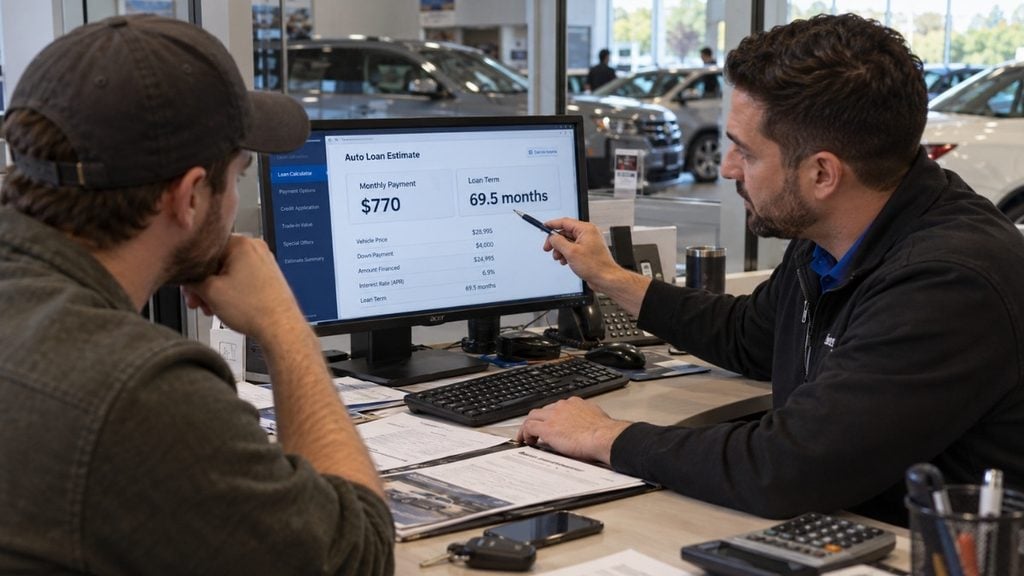
For most people, the car payment is the first cost they notice. Experian puts the average monthly payment on a new car loan at $770 in 2026, up from $557 in 2019. That’s about a 38% increase in seven years.
To keep those payments manageable, more buyers are stretching their loans. Experian data shows 35.6% of new car loans now run longer than six years, up from 27.9% in 2024, and the average term has reached 69.5 months. A longer loan means a smaller monthly payment, but it can add around $1,500 in interest to what you repay for each extra year.
Repairs and surprise costs
While routine maintenance can be budgeted for, surprise repairs can catch car owners off guard. Turo’s research found that 47% of car owners said they’d spent more than $1,000 on vehicle repairs. According to IBISWorld, a minor collision that once meant cosmetic damage can now involve the collision sensors and cameras in newer models, which pushes repair costs up significantly.
What it’s costing people in the bigger picture
The money that goes into a car is money that isn’t going somewhere else. Turo’s research also found that 56% of respondents said car ownership costs were getting in the way of saving for a home, and 42% said they were holding them back from paying off debt. When car-related expenses eat up a big chunk of your budget, it’s easy to see why more Americans are asking whether owning a car is worth it.
Who is skipping car ownership in the US?
Currently, most Americans still own a car (90%, according to a US Department of Transportation-funded survey from the University of Texas at Austin). But a growing number of people are rethinking car ownership, with most citing financial pressure and rising costs as the main drivers.
Gen Z and Millennials
Younger drivers are the most receptive to leaving car ownership behind. Turo research found 58% of Gen Z and 56% of Millennials surveyed say they’d likely consider alternatives to buying or leasing a car. Interestingly, 62% of Americans surveyed also think car ownership will become increasingly unaffordable for future generations.
Gen X and the middle of the market
Gen Xers in Turo’s survey reported paying an average of $191 a month on their car, less than Millennials ($244) but more than Gen Z ($170). For a family or household already stretching its budget, that payment sits on top of insurance, fuel and repairs.
City dwellers
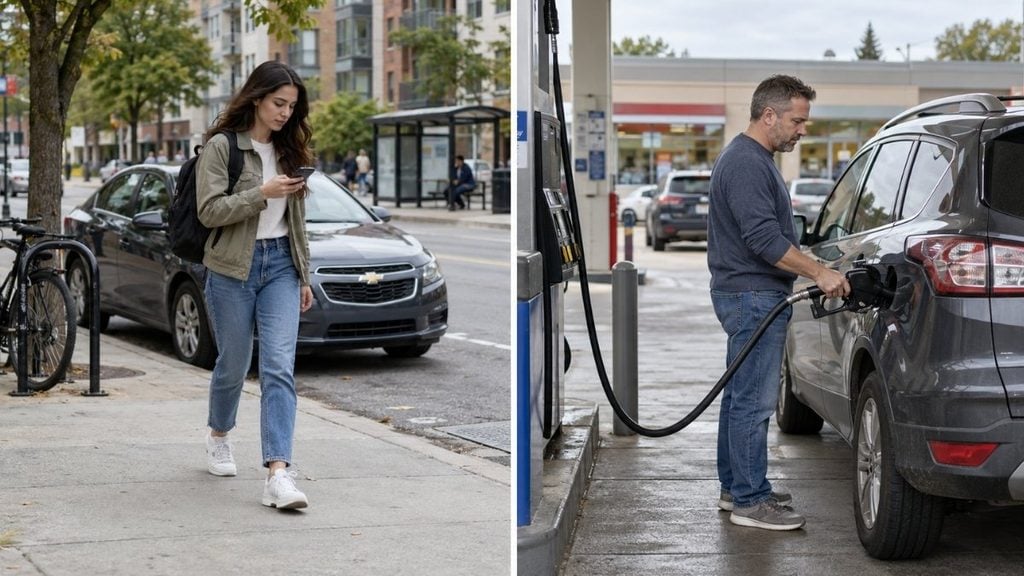
In dense cities like New York, parking and traffic can make a car feel like more hassle than it’s worth, and transit covers many everyday trips. But public transit only goes so far. Of Americans surveyed by Turo, 71% say renting a car is essential when public transportation is limited. That’s why many city residents skip owning and rent for a weekend away or a trip outside the city.
Remote workers and one-car households
Working from home, even part of the week, means fewer commute days, and for some households that makes a second car (or even the first) harder to justify. Discover how remote workers can avoid owning a car, and why more are choosing to ditch traditional car ownership.

Electric vehicle ownership trends
While gas cars are still dominant, more Americans are considering switching to electric vehicles. New data reveals 57% of US drivers are interested in switching to EVs due to rising gas prices. But the high upfront cost of EVs is still a major hurdle to widespread EV adoption.
81% of Americans surveyed by Turo cite the initial cost of an EV as their main reason for hesitation, but 56% say they would be more likely to choose an EV if it cost the same as a gas-powered car.
Despite these concerns, EV ownership satisfaction remains high. An overwhelming 90% of current EV owners surveyed say they would choose an electric vehicle again, pointing to long-term cost savings as a key factor.
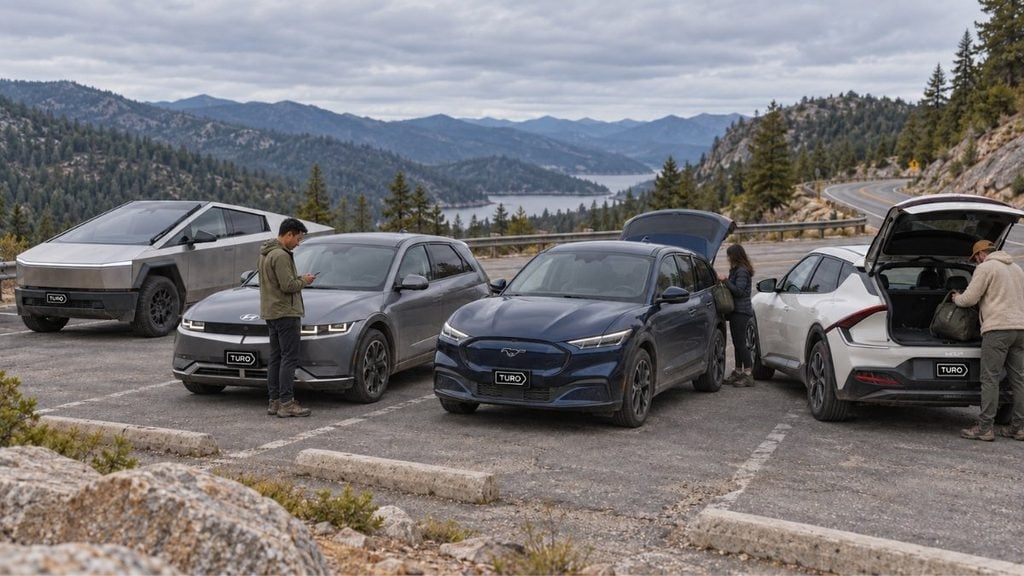
Many drivers want to “try before they buy”, leading to an uptick in EV rental interest. More than half (52%) of Americans surveyed are interested in short-term EV rentals before deciding to buy, and 51% of non-EV owners are open to extended EV rentals (6 months to a year) before committing to ownership. Additionally, nearly half (49%) say they would be more inclined to choose an EV if it came with exclusive perks like priority parking, toll exemptions, or express lanes.
What people do instead of owning a car
Owning a car isn’t the only way to get around. Many Americans are exploring other forms of transportation, from renting a car when they need it to public transit and even biking shorter distances. While many Americans feel attached to their own car, renting a car is proving to be a convenient, flexible, and affordable way to enjoy all the perks of your own car (without the high fixed costs and long-term responsibility).
| Option | Best for | Cost | Trade-off |
|---|---|---|---|
| Renting a car on Turo when you need one | Weekend getaways, big grocery or furniture runs, trips out of town, and anyone who drives only a few times a month. | $$ | You book each time, so it’s less spontaneous than keeping your own car in the driveway. |
| Long-term rental on Turo | People who need a car most days but don’t want a purchase, loan or long-term commitment, like a new job, a temporary move or a trial run of an EV. | $$-$$$ | You’re renting, not building equity, meaning you return the car at the end of your rental. |
| Public transportation | Daily commutes and city living where routes run frequently | $ | Fixed routes and schedules, plus limited coverage in suburban and rural areas. |
| Biking and walking | Short trips, errands and commutes in walkable, bike-friendly neighborhoods | $ | Weather, distance and safety limits, and not practical for hauling a lot or traveling far |
| Rideshare | Late nights, airport runs and one-off trips when you don’t want to drive or park | $$ | Prices can climb with surge demand, and costs add up fast if you use it daily |
Renting only when you need a car
Did you know that 48% of owners surveyed by Turo say they’re open to alternatives like car sharing or subscriptions? The same research found that 57% are interested in access to a car without long-term ownership and 27% would consider giving up ownership altogether if a viable alternative existed.
That’s where renting a car on the occasions you need to drive comes in.
Instead of paying for a car 365 days of the year, going car-light means you only pay for the days you actually need it. With Turo, you can rent a car that matches your plans, budget, and trip length: a spacious minivan for a family trip, an EV for a weekend city break, or a sports car for a drive you’ll remember.
With thousands of car makes and models ready to rent across the country, it’s easy to find a vehicle near you. Many cars can also be delivered to your home, hotel, office, or airport. Search by your preferred pickup location and browse cars that can be delivered to you, including major landmarks like Golden Gate Bridge, the Las Vegas Strip, or the Seattle Space Needle (just to name a few).

Monthly and long-term rentals
Need a car for longer than a weekend? Monthly and long-term rentals on Turo are designed to give you the best parts of car ownership, without any of the fixed costs and commitment.
Extended rental car bookings can suit you if you’re between cars, temporarily relocating to a new city, starting a new job, spending a season out of town, or need your own wheels during a long-term vehicle repair. You get a car without signing up to a rigid car loan, and longer bookings often come with discounts.
Long-term rentals also suit people who want to try before they buy. In the same Turo survey, 52% of Americans were interested in short-term EV rentals before making a purchase, and 51% of non-EV owners were open to extended EV rentals of six months to a year first.
Public transportation, rideshare, biking
Skipping car ownership doesn’t have to mean picking one alternative mode of transportation. Most people who go car-light mix a few options, and each one has a different job.
- Public transportation is often the simplest way to handle the daily commute in cities with a solid transit network. The catch is that routes and schedules are fixed, and coverage thins out beyond the city limits. Plan your week around it, then rent a car for the trips transit can’t reach.
- Rideshare is convenient for late nights, airport runs and one-off trips when you don’t want to drive or find a parking space. The downside is ridesharing can add up quickly if you use it every day, so it works best as a backup rather than your main way of getting around.
- Biking and walking cost next to nothing for short trips and errands in walkable neighborhoods, and you skip the traffic. Weather and distance are the limits, which is where a rental car for longer trips fills the gap.
Is skipping car ownership right for you?
Ultimately, deciding whether car ownership is right for you comes down to where you live and how you get around. For many households, going car-light is a flexible way to enjoy the perks of your own car, without the long-term commitment and high costs of owning a car.
Skipping ownership tends to work well if:
- You live somewhere with reliable transportation, or you can walk or bike to most of what you need
- Your job is remote, hybrid or close to home, so you’re not commuting long distances every day
- You only need a car now and then, for road trips, big errands, or visiting family
- You’d rather put your money toward savings, a home, or debt than car payments
- Your finances are stretched, and the payment plus running costs is a struggle to afford
Owning or renting a car makes sense if:
- You have a long daily commute, or your job requires a car
- You live in a rural area or suburb with little or no public transportation
- You have a big family and need a car most days for school runs, activities or hauling gear
- You’d be driving nearly every day for most of the year
If you’re on the fence, run the numbers before you decide. Our guide on whether it’s cheaper to buy or rent a car walks through the math.
Frequently asked questions about skipping car ownership
Is it cheaper to not own a car?
AAA estimates that owning and operating a new vehicle costs an average of $12,863 a year, or about $1,072 a month. If transit, biking, the occasional rental car cover most of your trips, you may spend less. If you’re behind the wheel every day, owning may still come out ahead. Our guide on whether it’s cheaper to buy or rent a car walks through the math.
What are alternatives to owning a car?
Public transportation, rideshare, biking, walking, car sharing, and renting a car on Turo when you need one are all alternatives to owning a car. Most people mix in a few: transit or a bike for the week, then a rental for road trips, big errands, and visits to family.
Can you rent a car for a month or longer?
Yes. Monthly and long-term rentals suit people who are between cars, relocating, starting a new job, or wanting to try an EV before they buy. Longer bookings often come with discounts to help you score the most competitive rates, too.
Owning a car is no longer the default
Owning a car used to be the obvious move. Now, with ownership costs climbing and more flexible options available, plenty of Americans are asking: do I need to own one at all? For some households the answer is still yes, and for others, going car-light means more money and more flexibility.
If you’re curious, try it. Lean on transit, ridesharing, or your bike for the everyday stuff, then rent a car on Turo when you want to hit the road. You pick the car, the days, the destination, and skip the fixed payments on a car that spends most of the time in a garage.
Share your car, earn extra cash
Cover your car payments or earn some extra cash by sharing your car whenever you’re not using it.
Get startedHit the road
Browse thousands of cars for every occasion and budget near you, or wherever you’re going.
Browse cars
Lucinda Starr
Lucinda Starr is a travel and automotive writer with 5+ years of firsthand experience road-tripping across Australia, New Zealand, and beyond. She writes road trip guides for Turo, drawing on her experience behind the wheel to share practical insights on long-distance drives, destinations, and vehicles. Her travels have taken her across Australia’s East Coast, Victoria’s Great Ocean Road, the Northern Rivers, Byron Bay, and both islands of New Zealand. One of her most memorable journeys was an 11-day, 2,600+ km route from Auckland to Punakaiki and Queenstown. Lucinda has a particular passion for classic, rugged 4WD vehicles and the freedom they bring to exploring new places.