
posted on October 4, 2026
As a car owner, insurance premiums, maintenance, and fuel are among the biggest expenses. But offsetting car ownership costs isn’t just about spending less. In fact, the most effective way to combat these expenses is to find ways to earn money from a car you already own.
If your car sits idle more often than not, check whether you’re eligible to list it on Turo. Renting out your car to drivers in your area can be a passive income stream, particularly if you try hands-off hosting (like working with a co-host or renting out your car for longer bookings).
In this guide:
- Start with a quick car costs check
- Ways to offset the cost of owning a car at a glance
- Build your savings plan: this week, this month, this year
Start with a quick car costs check
You can’t cut what you haven’t measured. Before you can figure out how to offset the cost of car ownership, you need to know how much you’re spending on owning and operating your vehicle.
Try this three-step audit to figure out your baseline:
- Add up all your vehicle expenses over the past 12 months: Tally up how much you spend on financing and loan repayments, fuel, insurance, registration and licensing, maintenance, parking, and tolls to determine your average annual cost. Don’t forget about depreciation: it’s the highest cost of ownership and often overlooked, as it’s a silent loss of value that happens steadily over time.
- Keep a log of your average weekly miles: Check your odometer and maintenance records to see how much you’ve driven since your last repair shop visit. Alternatively, keep a log for one week to see how far you’re driving.
- Count how many days your car has been unused: Track your car usage over a one-month period and use this to create an average across the past 12 months. This will help you figure out how often your car is sitting unused and idle in your garage or driveway.
With these costs and usage figures handy, you’ll have a good idea of how much you’re spending on your car and how often you’re driving it.

Ways to offset the cost of owning a car at a glance
There are multiple ways to lower the overall cost of car ownership, from investing in regular maintenance to changing your driving habits and even renting your car out. By comparing your options, you can figure out the best way to save money and even earn money from your car.
| Strategy | Effort | Payoff speed | Savings |
|---|---|---|---|
| List your car on Turo | Medium | Medium | $–$$$ (varies) |
| Shop insurance quotes | Low | Fast | $$ |
| Stay on top of maintenance | Medium | Slow, but big | $$ |
| Change driving habits | Low | Fast | $ |
| Refinance your car loan | Medium | Medium | $$–$$$ |
| Manage depreciation | Medium | Slow | $$$ |
| Drive less | Medium | Fast | $$ |
List your car on Turo
Unlike most strategies in this guide, this approach isn’t about spending less. Listing your car on Turo lets your vehicle earn money while it would otherwise sit idle in your garage. Many car owners can cover the costs of running their car by renting it out, and hands-off hosting makes it a practical way to earn passive income from an asset you already own.
How car sharing on Turo works
Turo makes it easy to rent your car to drivers in your area. If you’re at least 21 years old, start by checking that you meet vehicle eligibility requirements, have valid car insurance, meet legal and insurance standards and requirements for your region, and acknowledge the vehicle tracking and technology policy.
Becoming a Turo host is easy and can be done online or via the Turo app. From there, creating your vehicle listing is as simple as taking a few high-quality photos, sharing a few details, choosing when the car is available, and setting your price (or using Turo’s recommended pricing tools). Travelers can easily discover your car online, book it in minutes, and you get paid after the trip ends.
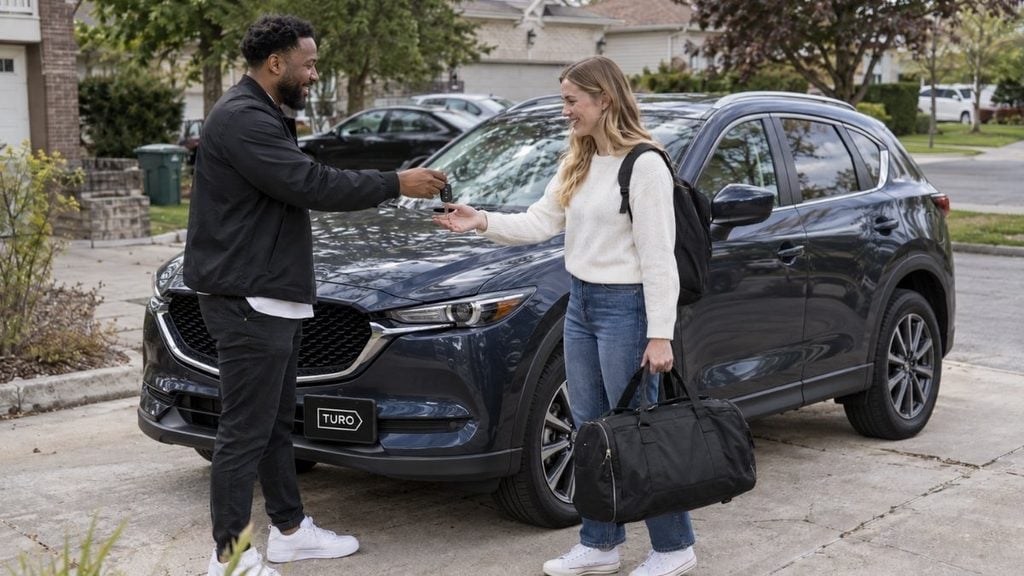
Why car owners rent their cars out on Turo
Renting out your car is one of the most practical ways to offset car ownership costs. Here’s why many owners choose to list their vehicle on Turo:
- You keep your car: You’re not selling it, leasing it, or downsizing. You set your car’s availability and block off the dates you need it, and use idle time as a way to earn extra money.
- Your car earns while it sits: Most cars spend most days parked. Remember the idle days you counted in the cost check analysis? Those are the days your car could be working for you instead of sitting there.
- You’re in control: Set your own price, or use Turo’s pricing tools, which adjust to demand so you don’t have to guess about how to set the right daily rate.
- It can help cover the bills: Many hosts use their earnings to offset things like fuel and maintenance costs. Earnings vary, but it’s the only strategy in this guide that earns money instead of just saving it.
- You can see what to expect before you list: Turo’s Carculator estimates what your specific car might earn in your area, so you can check the numbers before you list your car.
Is listing your car on Turo right for you?
If your car is model year 2010 or newer, has fewer than 130,000 miles, and holds a clean title, it’s likely eligible to list on Turo. While earnings vary by car, city, season, and availability, renting it out is a practical way to turn a depreciating asset into a way to generate extra income.
Turo hosting tends to be the best fit for remote workers, multi-car households, frequent travelers, or anyone whose car sits idle during the week. Anyone who only occasionally uses their car can benefit from renting it out on Turo.
Still wondering if renting your car out is worth it? Dive into our complete guide to see the pros and cons.
What to check before you list
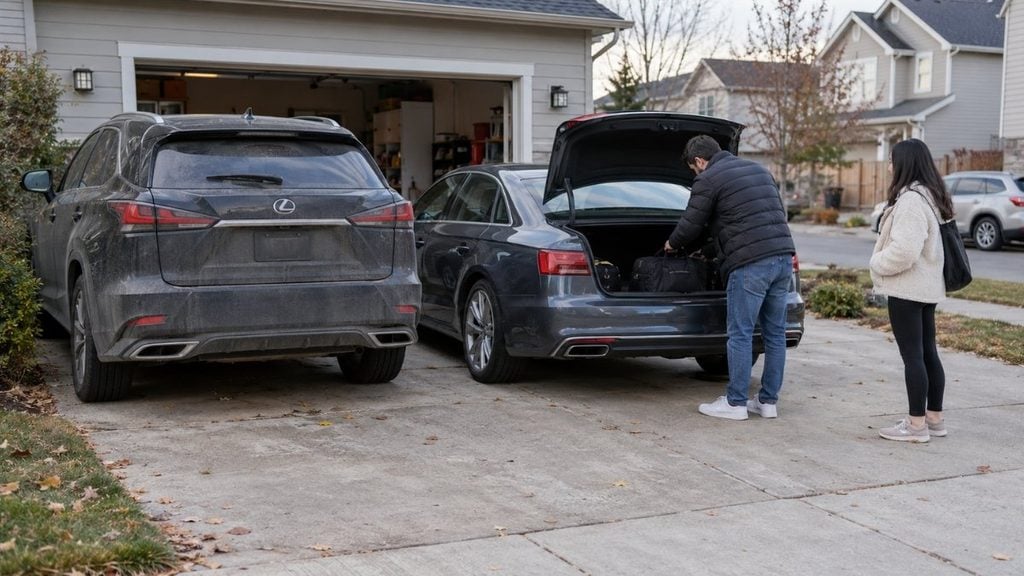
Is your car leased or financed? While Turo allows leased cars to be listed on the platform, many leasing companies don’t permit cars to be rented out for commercial purposes. If your car is leased or financed, the most important step is to check your contract and make sure you’re not violating any terms or conditions.
Tip from the author: Renting your car out isn’t the only way to put a parked car to work. Renting out an unused driveway or garage space, or selling a second car you barely drive, can also trim the costs of owning a car.
Lower your car insurance costs
When did you last review your car insurance premiums? Many car owners stick with the same provider for years and never check how their insurance rates compare to other policies.
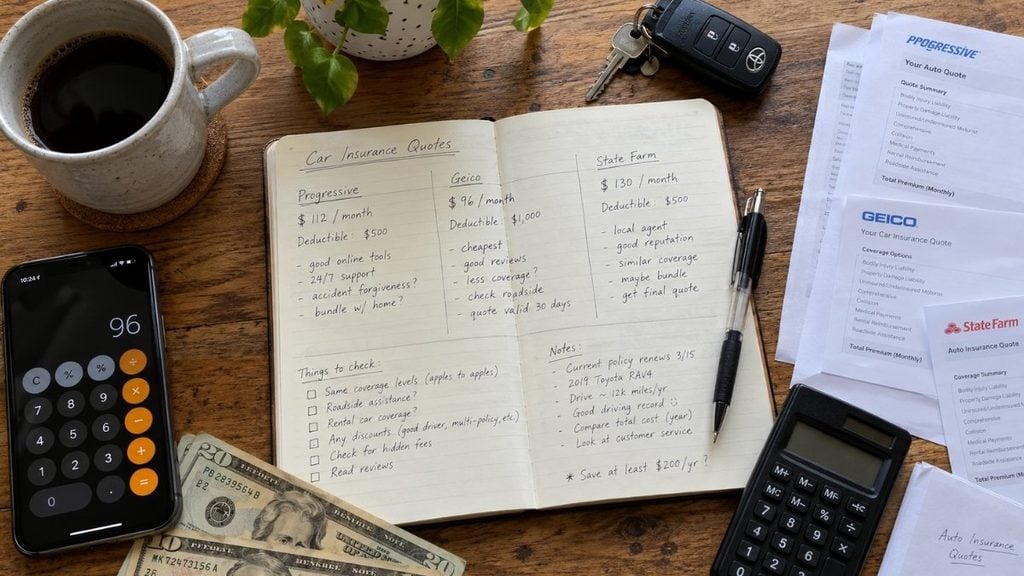
Compare quotes every year
Loyalty doesn’t always pay off here. Insurance rates change and it’s important to shop around to get the best deal. Comparing quotes once a year can help you access better rates and discounts, significantly lowering your auto insurance premiums.
A good rule of thumb is to get quotes from at least three insurers. It’s also worth checking after a big life change like a move, a new job, or paying off your car.
Ask about discounts and protect your record
Most insurers offer discounts, but you often have to ask. Common discounts you could access on your car insurance policy include:
- Bundling: combining your auto policy with home or renters insurance
- Low mileage: for drivers who don’t put many miles on their car
- Safety features: like anti-theft devices or advanced driver-assist systems
- Defensive driving course: some providers offer a discount for completing one, so check with yours before you pay for a class
Your driving record counts too. Keeping it clean and staying accident-free for a while can qualify you for lower rates.
Check your coverage and deductible
A higher deductible usually means a lower premium, but only if you could comfortably cover that amount out of pocket. It’s a trade-off, so choose what fits your budget.
If you have an older car, carefully consider if comprehensive car insurance is still worth it. Ask your insurer what you’d get back if you made a claim to see if the math stacks up.
Keep maintenance and repair costs in check
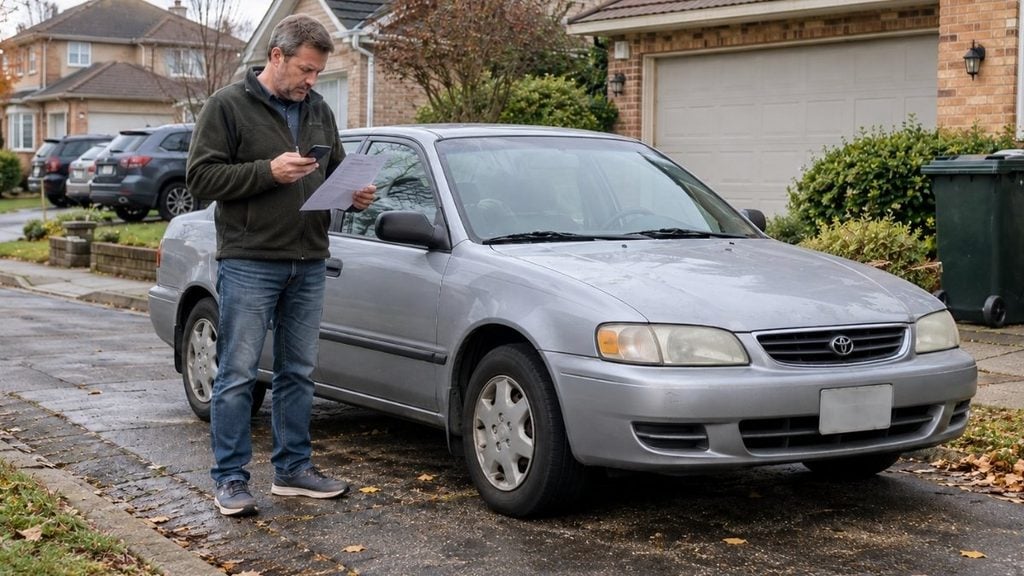
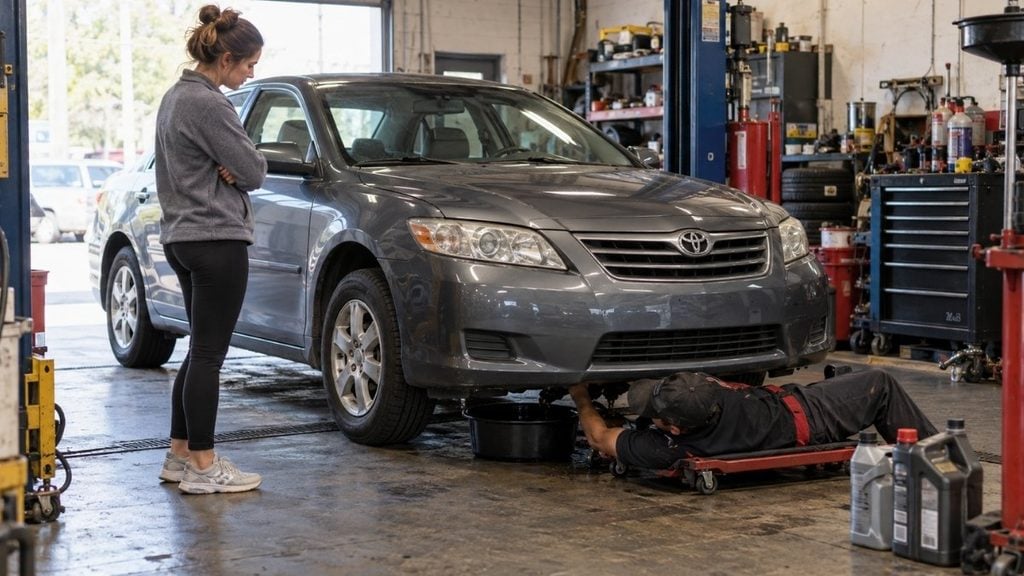
Skipping maintenance can feel like a short-term saving, but it can lead to costly major repairs down the road. Staying on top of basic maintenance can help you save big over the long term.
Stay on schedule
Your owner’s manual has a maintenance schedule for a reason. Following it is the simplest way to avoid expensive repairs down the road. Routine maintenance like oil changes, tire rotations, and fluid checks keeps everything running the way it should.
Oil changes are the big one. Regular oil changes can significantly extend your engine’s life, and that’s a much cheaper fix than a new engine. Catching small problems early also helps you dodge a costly breakdown, so don’t ignore that new noise or warning light.
Plus, a car with a solid maintenance history usually holds its resale value better.
Do the easy jobs yourself
You don’t need to be a mechanic to save on repair costs. Tackling a few basic tasks can help you keep your car in top shape (and save yourself money on another visit to the shop). Here are some 10-minute jobs to start with:
- Wiper blades: swap them when they start streaking
- Air filters: replace the engine and cabin air filters
- Washer fluid: top off the reservoir
Shop around for bigger repairs
Shopping around and comparing quotes matters for more than just your insurance premiums. For anything major, get a second quote. Ask for a written estimate, and compare independent shops with the dealer. It also helps to keep a simple maintenance log, so you know what’s been done and when.

Spend less on fuel
Fluctuating gas prices are out of your control, but you can control how much gas you use. A few small habit changes can take a real bite out of what you spend at the pump:
- Smooth out your driving: Rapid acceleration, hard braking, speeding, and idling all burn extra fuel. Ease onto the gas, coast to red lights, and turn the engine off if you’re parked for more than a minute or two.
- Keep your car in fuel-saving shape: Underinflated tires make your engine work harder, and so does extra weight. Check your tire pressure monthly and clear out the trunk. Roof racks add drag too, so take them off when you’re not using them.
- Know your fuel economy: If you’re driving a gas guzzler, ask yourself whether it’s the right car for how you actually drive.
- Choose the right size: A small sedan generally costs less to run compared with a larger car like an SUV. Make sure you’re matching the car you drive with your needs and lifestyle.
- Plan your trips: Combining errands means fewer trips and less fuel. Skipping rush hour helps too, since stop-and-start traffic is hard on your tank.
Rethink your car loan
If you’re paying down a car loan, this payment is likely one of your biggest monthly expenses. While it’s common to sign the dealership paperwork and never think about this loan again, a few small moves can lower what you pay over time.
- Consider refinancing: Swapping your current car loan to a new lender can help you score a lower interest rate and reduce your monthly payments. If your credit score has improved or interest rates have dropped since you signed, you might be able to access a better deal. Keep in mind that exit fees and application fees may reduce your potential savings.
- Before you switch, check for prepayment penalties on your current loan and compare a few lenders to find the best deal (remember to review loan terms and interest rates, because these affect the total amount you pay over the life of the loan).
- Make extra payments: You don’t have to refinance to save. Paying a little extra toward the principal each month can shorten your loan and cut the interest you pay.
- Review loan terms: Watch out for longer terms, too. Stretching your loan lowers the monthly payment, but you’ll usually pay more interest overall. If you can, pick the shortest term that fits your budget.
Slow down depreciation
Depreciation is one of the biggest car ownership costs, and most owners don’t even realize it. That’s because it doesn’t show up as a large bill. Instead, your car steadily loses value, whether you’re driving it or not.
While you can’t stop it, you can slow it down:
- Keep your car longer: The steepest drop in value happens in the first few years. Driving a reliable car for many years spreads that cost out.
- Think used, or think smaller: If you’re shopping, a used vehicle has already taken its biggest depreciation hit. Smaller cars also tend to cost less to buy, which means there’s less value to lose.
- Keep good records: Regular maintenance can help your resale value, and a folder of service receipts shows the next buyer the car was well cared for.
Drive less, or drive smarter
Reducing how much you drive can help you lower how much you pay in fuel, wear, and depreciation. You don’t have to give up your car entirely, but cutting back on how and when you drive can lead to significant cost savings.
- Know how short most trips are: About 59.4% of one-way household trips are under six miles, and 75% of all trips are 10 miles or less. That means a lot of your drives could be walked, biked, or combined with another stop.
- Try public transportation: Swapping even a few trips can noticeably cut your monthly transportation costs. Plus, every ride you take is a ride you’re not putting miles on your own car.
- Carpool: Splitting a regular commute can trim what you spend on gas over a year.
- Combine errands: Fewer trips means less fuel. Plan ahead and knock out the bank, the grocery store, and the pharmacy in one loop.
- If you drive for work, keeping a mileage log may help with tax deductions. Talk to a tax professional to see what applies to you.
Frequently asked questions about offsetting car costs
How can I lower my car insurance premiums?
Compare quotes from at least three insurers once a year to see if you can lower your car insurance premiums. Ask about discounts like bundling, low mileage, and safety features, keep your driving record clean, and check that your deductible and coverage still fit your car.
Is it worth refinancing a car loan?
It can be worth refinancing your auto loan, if you can get a lower interest rate. That’s more likely if your credit score has improved or rates have dropped since you signed. Check for prepayment penalties and compare the total cost, not just the monthly payment.
Does driving less really save money?
Yes, because every mile you skip saves fuel, wear, and depreciation. Combining errands, carpooling, and using public transportation a few days a week can cut costs without giving up your car.
What’s the highest cost of owning a car?
Depreciation is often one of the biggest costs of owning a car, and it’s the one most car owners overlook. Your car loses value steadily whether you drive it or not. Keeping it longer and staying on top of maintenance can slow it down.
Can I make money from a car I already own?
Yes, you can make money from a car you already own. One way is to list it on Turo. You can rent out your car, choose when it’s available, and travelers book it. Earnings vary, so try the Carculator for an estimate, then list your car when you’re ready.
How to make your car work for you
Along with cutting down expenses, the best way to offset the costs of car ownership is to find ways to make money from a car you already own. Renting it on Turo lets it earn while you’re not using it. List your car on Turo and see how much of your ownership costs it could help cover.
Share your car, earn extra cash
Cover your car payments or earn some extra cash by sharing your car whenever you’re not using it.
Get startedHit the road
Browse thousands of cars for every occasion and budget near you, or wherever you’re going.
Browse cars
Lucinda Starr
Lucinda Starr is a travel and automotive writer with 5+ years of firsthand experience road-tripping across Australia, New Zealand, and beyond. She writes road trip guides for Turo, drawing on her experience behind the wheel to share practical insights on long-distance drives, destinations, and vehicles. Her travels have taken her across Australia’s East Coast, Victoria’s Great Ocean Road, the Northern Rivers, Byron Bay, and both islands of New Zealand. One of her most memorable journeys was an 11-day, 2,600+ km route from Auckland to Punakaiki and Queenstown. Lucinda has a particular passion for classic, rugged 4WD vehicles and the freedom they bring to exploring new places.