posted on August 2, 2026
From the Grand Canyon to the iconic Sonoran Desert (the only place on Earth where the tall saguaro cactus naturally grows), Arizona is brimming with sights and experiences you won’t find anywhere else.
You’ll need a car to reach the red rock formations, hiking trails, and scenic beauty of this must-see state. If you’re ready to embark on an epic road trip, dive into our complete guide to the Grand Canyon State, including tips on getting around, driving conditions, and where to stop along the way.
In this guide, we’ll be covering:
- What you need to know before visiting Arizona
- The best things to see in Arizona
- Top things to do for every kind of traveler
- Tips for visiting Arizona
- Frequently asked questions
What you need to know before visiting Arizona
Arizona’s spectacular scenery, sweeping canyon views, and unique desert climate make it an incredible road trip destination. But timing is everything: visiting in spring and fall ensures more comfortable temperatures and allows you to escape the dangerously hot desert heat. Keep reading to discover everything you need to know about driving in and around Arizona:
- Main airports: Phoenix Sky Harbor International (PHX) is the primary gateway; Tucson International (TUS) is best for southern Arizona; and Flagstaff Pulliam (FLG) is ideal for exploring northern Arizona.
- Best time to visit Arizona: March to May and September to November are the best times to visit Arizona. Spring and fall offer milder, pleasant temperatures that make hiking and sightseeing much more comfortable. Plus, you’ll be treated to blooming desert wildflowers in spring and vibrant fall foliage, too.
- What you’ll love about Arizona: Expect vibrant desert landscapes, world-famous natural gorges, and incredible dark skies (perfect for stargazing in mountain towns like Flagstaff).
- Getting around: Arizona is a large state, meaning a car is essential for visiting everything beyond Phoenix’s downtown area. Many of the state’s most celebrated sights (the Grand Canyon, Antelope Canyon, Monument Valley, and Sedona) are at least two to four hours apart by road. Browse for flexible car rental options in Phoenix or Tucson.
- Heat warning: Phoenix and southern Arizona regularly exceed 110°F in the summer. Plan outdoor activities for early morning, or head to northern Arizona and Sedona (these areas are cooler as they’re situated at higher elevations).
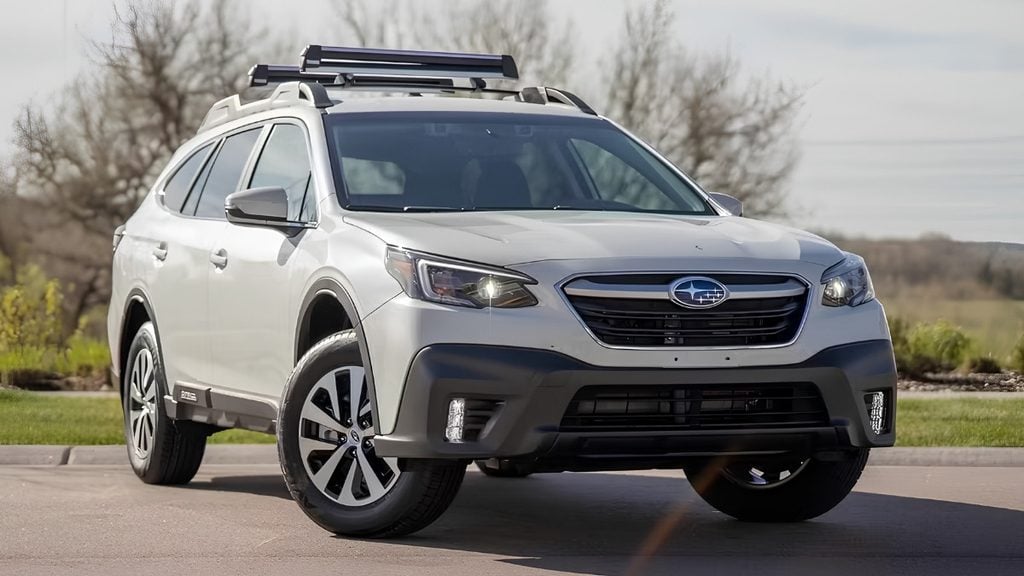
- Best vehicle to rent: Air conditioning, a comfortable interior, and ample cargo space can make driving in Arizona more enjoyable, especially during the hotter months. If you’re planning longer drives or traveling with family or gear, consider a spacious SUV such as the Subaru Outback, Toyota 4Runner, or Ford Explorer.
The best things to see in Arizona
Ready to soak up the desert sunshine in Arizona? The best things to see in Arizona are spread across this vast state, from the Sonoran Desert in the south to the Colorado Plateau in the north. With your own rental car, you have the freedom to move between these iconic sights at your own pace.
1. Grand Canyon National Park
As one of the Seven Natural Wonders of the World, visiting Grand Canyon National Park is a must for any Arizona road trip. The South Rim is the easiest section to reach, boasting a well-developed visitor experience including multiple viewpoints along the Rim Trail (it’s a paved, wheelchair-accessible path stretching 13 miles). Other highlights include the iconic Mather Point overlook and ranger-led programs running throughout the day.
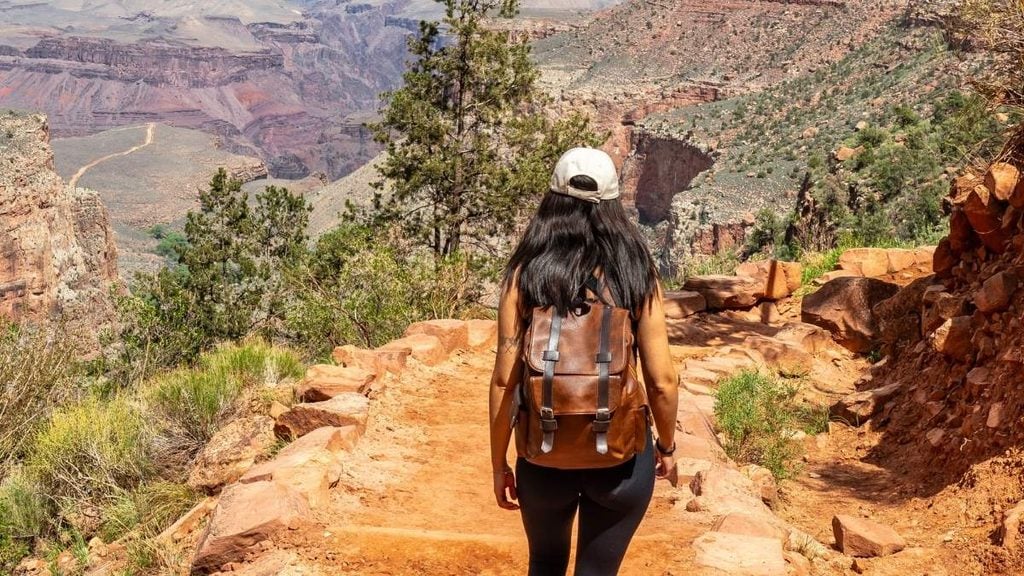
As the name suggests, the Grand Canyon is a sprawling landmark spanning over 277 miles long and 18 miles wide. If you’ve packed your hiking shoes, the Bright Angel Trail is the most popular route along the rim, and there’s even a free shuttle system that will take you along the South Rim during peak season.
Keep in mind that the North Rim is only open from mid-May to Mid-October and is located 215 miles from the South Rim by road. If you’re planning to visit several parks during your road trip, consider purchasing the America the Beautiful Pass; the math often works out in your favor.
- Drive time from Phoenix: ~3.5 hours to the South Rim
- Drive time from Las Vegas: ~2.5 hours to the South Rim
- Best for: First-time visitors wanting classic canyon views and easy access
- Don’t miss: Desert View Watchtower and sunset at Hopi Point
- Entrance fee: $35/vehicle (7-day pass); America the Beautiful annual pass accepted
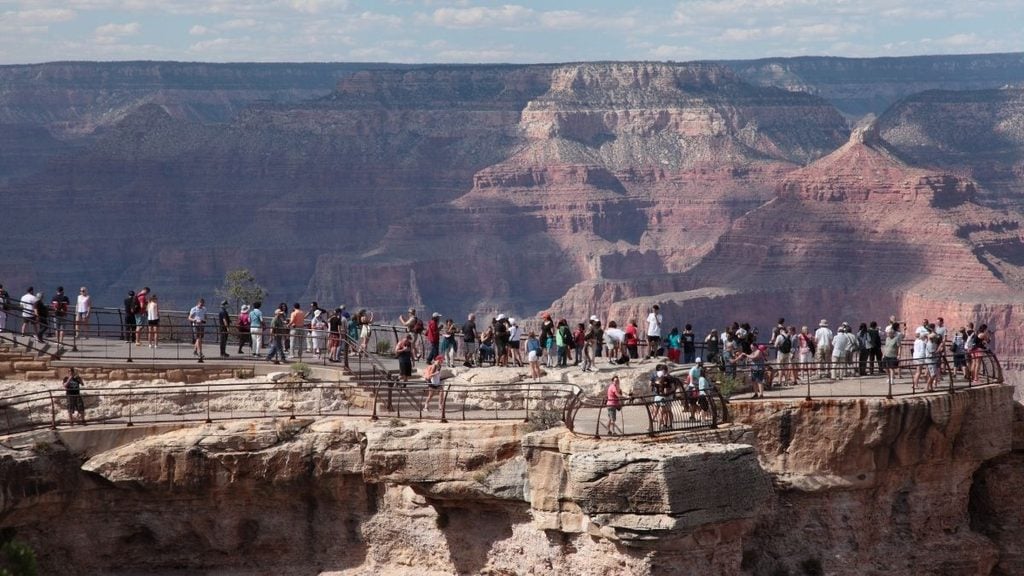
Tip from the author: Arrive at Mather Point before sunrise; the first light hitting the canyon walls is an incredible sight, and the parking lots are still accessible. By 9am on a summer weekend, parking near the South Rim’s main viewpoints fills completely.
2. Sedona
Hit the road north from Phoenix, and within two hours you’ll reach the dramatic red rock canyon town of Sedona. This is one of the most striking places to visit in America’s Southwest, offering towering red sandstone formations, a vibrant arts scene, exceptional restaurants, and an impressive concentration of wellness experiences, spiritual retreats, and energy healers.
Cathedral Rock is a must-see and one of the most photographed landscapes in Arizona. Plus, Devil’s Bridge (a natural sandstone arch accessible via a moderately challenging hike) is worth a visit. If you’re swinging by in peak season, make sure to book your shuttle reservation ahead of time.
- Drive time from Phoenix: ~2 hours
- Best for: Couples, photographers, and anyone chasing red rock views without committing to a long hike
- Don’t miss: Tlaquepaque Arts and Shopping Village, the drive along Highway 89A through Oak Creek Canyon, and the famous “energy vortexes” that draw spiritual seekers from around the world
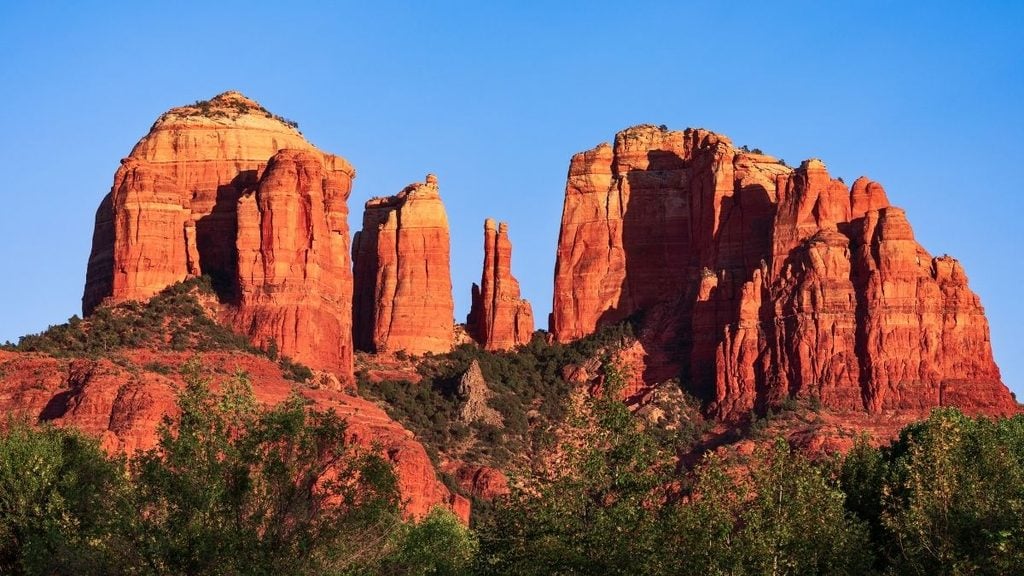
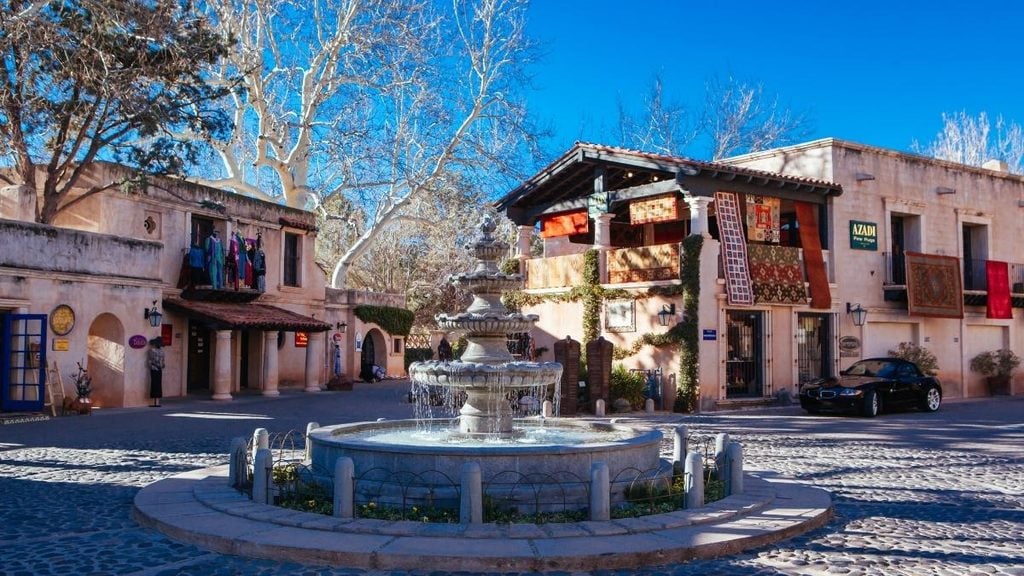
Tip from the author: Sedona’s sunsets are truly extraordinary; the red rocks glow as the light drops and the color shifts from orange to deep crimson. Airport Mesa is a popular and accessible sunset viewpoint, but arrive at least 30 minutes before sunset to find parking.
3. Antelope Canyon
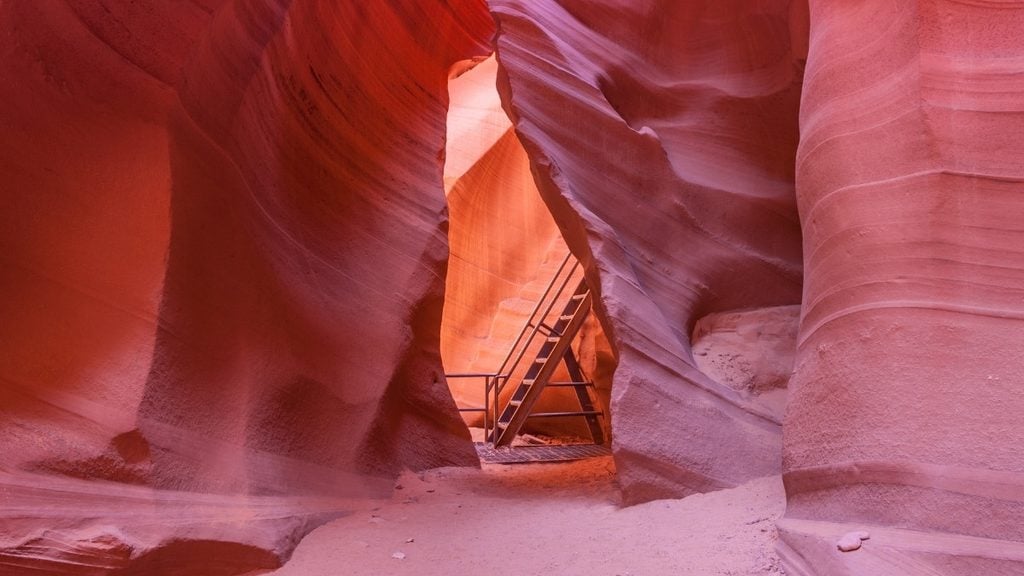
Did you know that Antelope Canyon is the most visited slot canyon in the Southwest? It boasts a narrow, wave-formed sandstone canyon that has been shaped over the centuries by flash floods. The more photographed section is the Upper Antelope Canyon, with the famous “beam of light” shafts usually visible around midday. The Lower Antelope Canyon is slightly more challenging to navigate, but equally as beautiful.
The canyon sits on Navajo Nation land, meaning it holds deep cultural and spiritual significance for the Navajo people. For both sections, you’ll need to book a guided tour through Navajo-authorized tour operators (this isn’t a self-guided trip you can make on your own).
- Drive time from Phoenix: ~3.5 hours (near Page, Arizona)
- Drive time from Grand Canyon South Rim: ~2.5 hours
- Best for: Photographers and anyone after a bucket-list Southwest experience
- Don’t miss: The midday “light beam” window in Upper Antelope Canyon (roughly 11 am to 1 pm, spring through fall)
- Note: Guided tours required; visit at least one of the authorized Navajo tour operators’ websites to book in advance. Tours sell out weeks or months ahead in peak season.
4. Horseshoe Bend
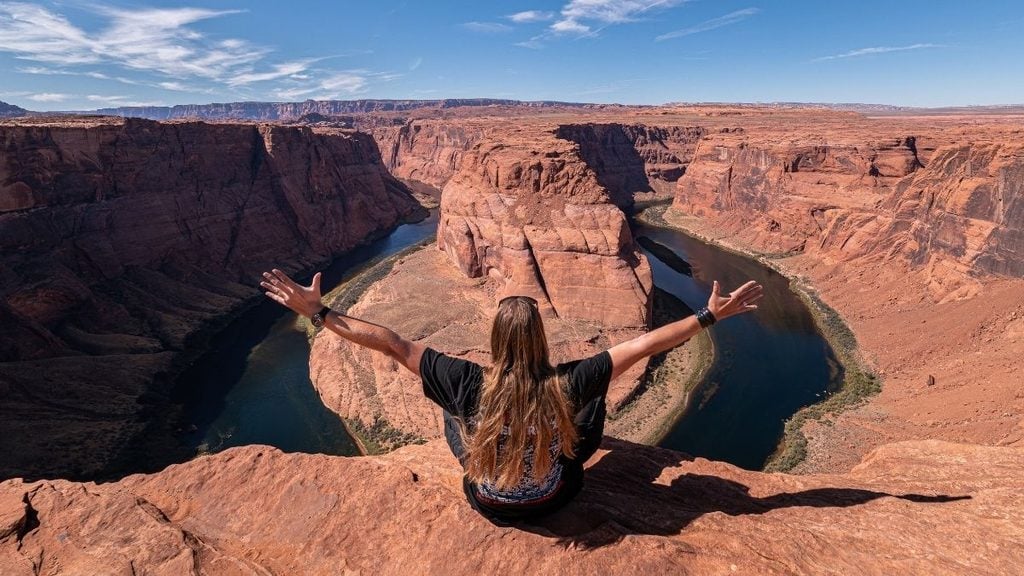
Horseshoe Bend is one of Arizona’s most iconic photography spots, boasting a unique horseshoe-shaped turn in the Colorado River. This dramatic 270-degree bend around a sandstone mesa is best viewed from a clifftop overlook near Page, Arizona. Horseshoe Bend’s close proximity to Antelope Canyon makes this an easy site to visit on the same day.
Open daily from sunrise to sunset, the 1.5-mile round-trip hike from the parking area to the viewpoint is accessible and worth exploring. The last section features an exposed cliff edge, best visited in early morning or late afternoon to avoid the intense desert heat and peak crowds.
- Drive time from Grand Canyon: ~2.5 hours
- Best for: Travelers short on time who still want a dramatic photo stop
- Don’t miss: Hiking at sunrise or sunset, when the canyon walls glow orange
Tip from the author: Horseshoe Bend can be dangerously hot by mid-morning in summer; the trail has no shade and the sandstone radiates heat. If visiting June through August, go at sunrise or in the evening after 6 pm. Plus, carry significantly more water than you think you need.
5. Monument Valley Navajo Tribal Park
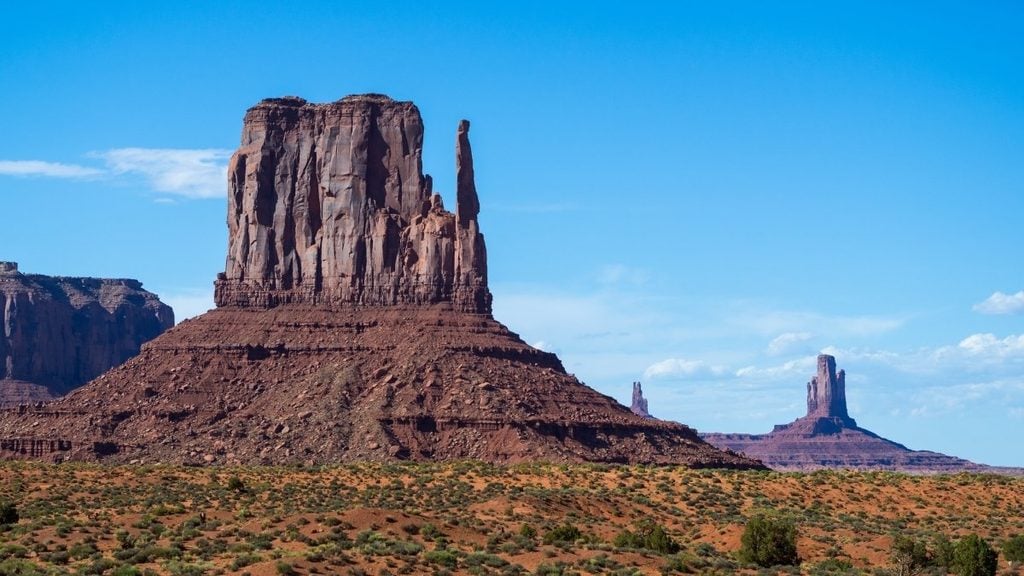
Monument Valley Navajo Tribal Park is one of the most recognizable landscapes in Arizona. In fact, you might recognize the towering red sandstone buttes from Western films and iconic movies like Forrest Gump, Easy Rider, and 2001: A Space Odyssey.
Monument Valley sits on Navajo Nation land straddling the Arizona–Utah border. The 17-mile Valley Drive is a scenic loop accessible to standard passenger vehicles (it’s an unpaved but well-maintained dirt road that can be driven in most standard vehicles without any off-road capability). For the best experience, book a guided Navajo tour to access areas off the main loop.
- Drive time from Phoenix: ~5.5 hours
- Drive time from Page/Horseshoe Bend: ~2 hours
- Best for: Fans of classic Western films and wide-open desert scenery
- Don’t miss: Sunrise at the Visitor Center overlook; it’s worth the early start
- Note: Monument Valley is on Navajo Nation land and has its own entrance fee and tribal park rules. Entrance fees support the Navajo people directly.
6. Saguaro National Park
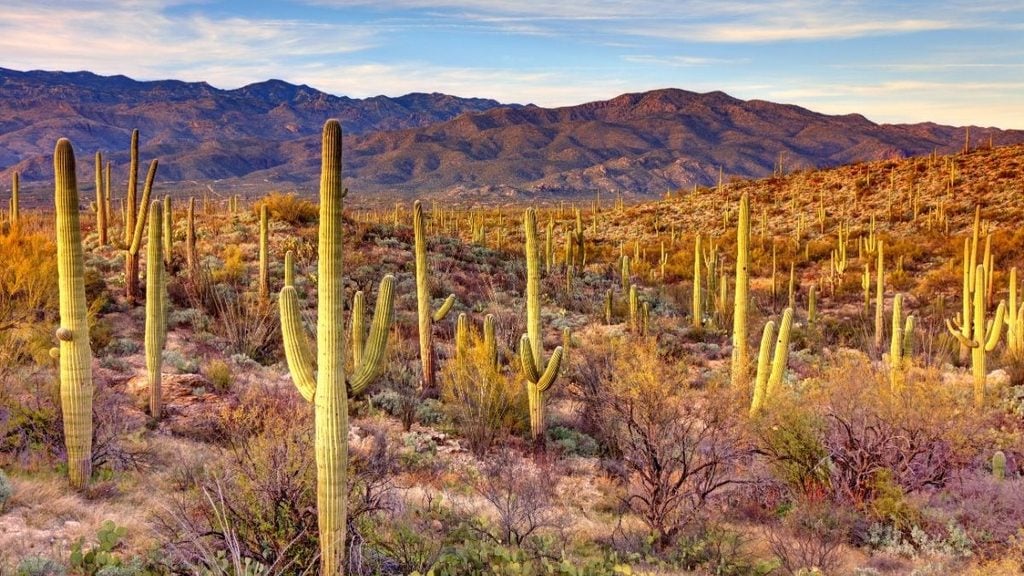
Split into two districts flanking Tucson, Saguaro National Park boasts the largest saguaro cactus forest in the United States. The giant saguaros (which can grow to an impressive 40 feet tall, weigh several tons, and live over 150 years) are the defining image of the American Southwest.
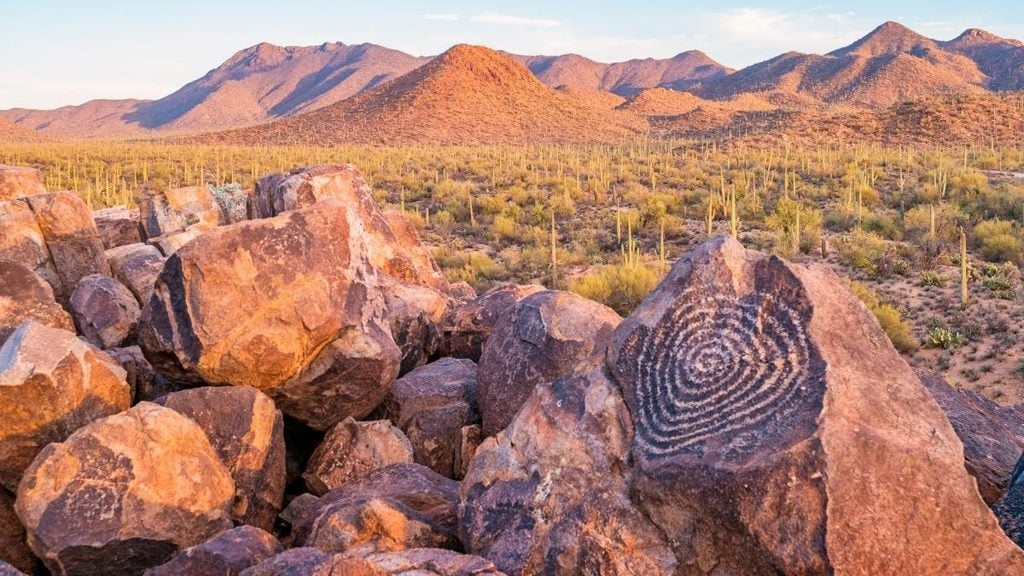
The 8-mile Cactus Forest Loop Drive in the east district is a paved scenic route with multiple trailheads and picnic areas. The Signal Hill Petroglyph Site (west district) adds a fascinating cultural history element. This is a quieter, more locally beloved destination than the northern Arizona giants, and it pairs well with Tucson’s food scene.
- Drive time from Tucson: ~20–30 minutes to either district
- Drive time from Phoenix: ~2 hours
- Best for: Travelers short on time who still want a classic desert landscape without leaving the Tucson area
- Don’t miss: The Cactus Forest Loop Drive at golden hour
7. Petrified Forest National Park
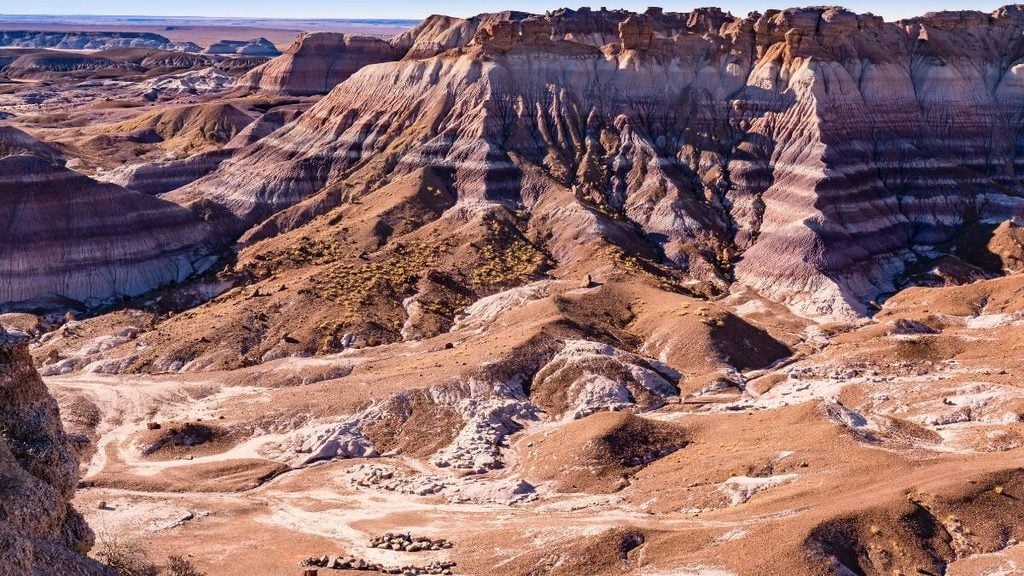
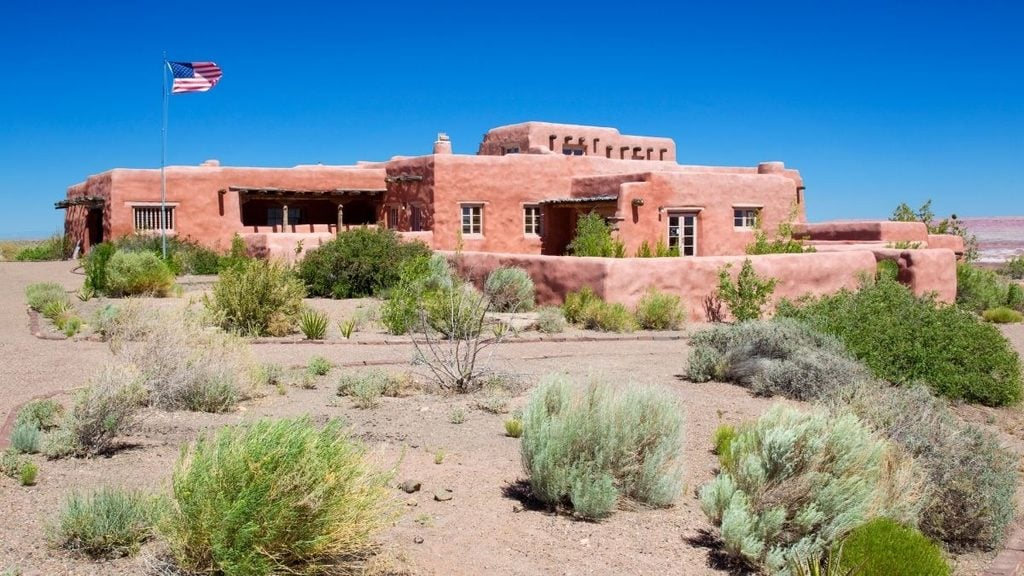
It’s not quite a forest and not technically a desert, but the Petrified Forest National Park is well worth a visit. This site contains one of the world’s largest and most colorful concentrations of petrified wood in the world, formed from trees that fell over 200 million years ago and slowly crystallized into quartz.
The 28-mile scenic drive is a must-see, taking you from the visitor center in the north to the Rainbow Forest Museum in the South. Along the way, you’ll pass through the Painted Desert, a stark and otherworldly landscape of multicolored badlands. This national park is a strong addition to a road trip that includes Monument Valley and the Four Corners area, and is significantly less crowded than the state’s more famous parks, too.
- Drive time from Phoenix: ~3.5 hours (off I-40 near Holbrook)
- Best for: Travelers looking for something different from Arizona’s more famous parks
- Don’t miss: The Painted Desert Inn and the Blue Mesa badlands
8. Jerome
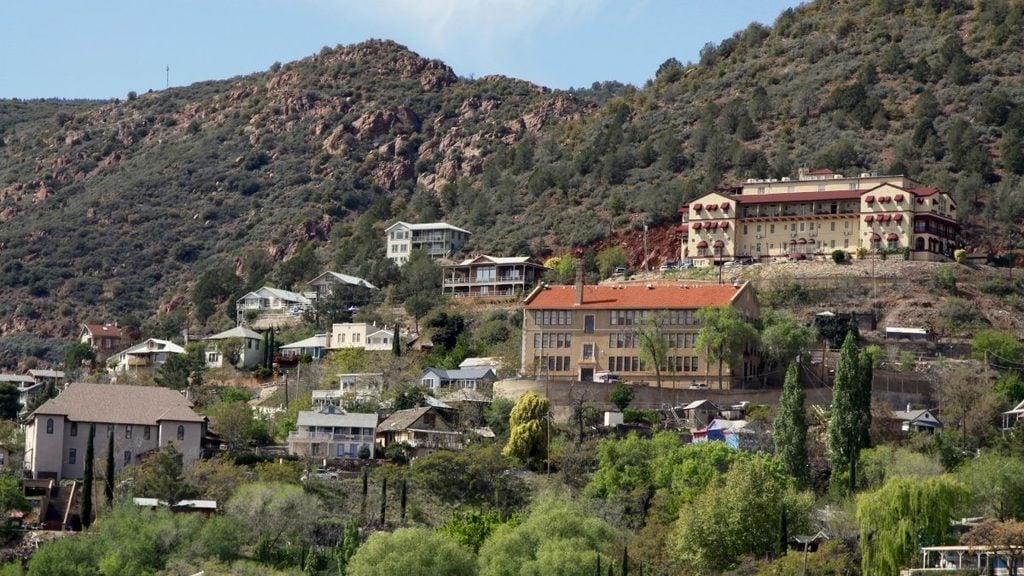
A former copper mining town clinging to the side of Cleopatra Hill in the Verde Valley, Jerome was once one of the largest cities in Arizona. Today, it’s a small and characterful arts community of about 400 residents. The town’s steep streets, Victorian-era architecture, antique shops, galleries, and restaurants draw day-trippers from Sedona and Prescott.
Plus, the Jerome State Historic Park covers the town’s dramatic mining history, making it a short but rewarding detour on the Sedona–Phoenix corridor.
- Drive time from Sedona: ~30 minutes
- Drive time from Phoenix: ~2 hours
- Best for: A scenic afternoon detour with shopping, wine tasting, and mountain views
- Don’t miss: The view over the Verde Valley from Jerome State Historic Park
Keep the drive going and tackle the Las Vegas to Grand Canyon road trip, or consider the Phoenix to Las Vegas drive.
Top things to do in Arizona for every kind of traveler
Whether you’re chasing hiking trails, local history, or top-notch eats, these are the top things to do in Arizona.
For outdoor enthusiasts
From world-class natural wonders to vibrant ecosystems and incredibly dark night skies, outdoor enthusiasts are spoilt for choice in Arizona.
- Hiking Camelback Mountain in Phoenix (Echo Canyon or Cholla Trail): A steep, iconic city hike with sweeping views over the Valley, best tackled early morning before temperatures climb.
- Havasupai Falls: A permit-only hike to turquoise waterfalls deep in a Grand Canyon tributary. It’s one of the most striking hikes in the state, though permits are limited and sell out fast, so plan months ahead.
- Watson Lake near Prescott: Spend the day kayaking among granite boulders. Expect a scenic, easy-going paddle through the Granite Dells, popular with families and first-time kayakers alike.
- Oak Creek Canyon scenic drive and swimming holes between Flagstaff and Sedona: A shaded, tree-lined drive dotted with natural swimming spots, a refreshing break from the desert heat.
For history and culture lovers
Arizona is home to legendary Wild West mining towns and even the longest preserved stretch of Route 66. Here’s why history and culture buffs will love a trip to the Grand Canyon state.
- The Heard Museum in Phoenix: One of the finest museums of Native American art and culture in the country. It’s an essential stop for understanding the state’s Indigenous history and living traditions.
- Meteor Crater near Winslow: The best-preserved meteorite impact crater on Earth. It’s a striking, almost otherworldly landmark just off I-40, with exhibits on its formation and discovery.
- Tombstone: The historic mining town of the OK Corral and the Wild West. Step back into the 1880s with daily gunfight reenactments and preserved saloons and storefronts.
- Taliesin West in Scottsdale: Frank Lloyd Wright’s desert studio and winter home offers guided tours that reveal how the desert landscape shaped one of America’s most influential architects.
For food lovers
Bringing together Mexican, Native American, and European flavors, foodies have endless options for culinary experiences in Arizona.
- Phoenix and Scottsdale’s acclaimed restaurant scene (one of the most underrated food cities in the US): A fast-growing culinary hub known for inventive Southwestern fare and top-tier fine dining.
- Tucson: A UNESCO Creative City of Gastronomy with a deep Mexican food and culinary heritage, home to century-old taquerias and a food culture recognized on the world stage.
- Sedona’s upscale farm-to-table dining scene: Red rock views paired with seasonal, locally sourced menus make for a memorable meal.
- Navajo fry bread and traditional Navajo cuisine near Page and Monument Valley: A chance to try authentic Navajo dishes, often served at family-run stands near major sights.
For families
Keep the little ones entertained at hands-on museums, science centers, or a day spent in the great outdoors of Arizona.
- Phoenix Zoo: One of the largest privately owned zoos in the US, home to more than 3,000 animals and interactive exhibits designed with kids in mind.
- Kartchner Caverns State Park near Benson: A spectacular active cave system offering guided tours through massive limestone formations that make for a cool, memorable break from the desert heat.
- Grand Canyon South Rim Visitor Center and ranger programs: Junior ranger activities and easy, paved viewpoints make this a manageable first Grand Canyon visit for kids.
- Petrified Forest National Park (accessible and fascinating for older children): Short, easy walks bring 200-million-year-old fossilized logs within easy reach.
Tips for visiting Arizona
Ready to take the trip to Arizona? Here are some recommendations around summer heat, hydration, and advanced bookings to keep in mind to stay safe and maximize your time.
- Plan your visit around the heat: Southern Arizona (Phoenix, Tucson, and Sedona) is brutally hot from June through August, meaning outdoor activities should be scheduled for before 10 am or after 6 pm. Northern Arizona (Flagstaff and the Grand Canyon rim) sits above 7,000 feet and is significantly cooler. Spring (March to May) and fall (October to November) are the best windows for a full-state road trip.
- Get an America the Beautiful Pass if visiting multiple parks: The pass covers entrance fees at all federal lands including Grand Canyon, Saguaro, Petrified Forest, and Canyon de Chelly; it typically pays for itself within two park visits.
- Carry more water than you think you need: Desert hiking is consistently underestimated. One liter per person per hour of hiking in summer heat is a reasonable minimum. Keep in mind that many trailheads have no water available.
- Book Antelope Canyon tours in advance: Navajo-authorized tours for Antelope Canyon sell out weeks or months ahead in peak season, so don’t leave this until you arrive in Page.
- A car is non-negotiable: Arizona’s greatest sights are spread across a state roughly the size of Italy. Public transportation reaches only Phoenix’s urban core and a handful of city centers. A car is how you experience the real Arizona. Browse Turo for flexible rental options in Phoenix, Tucson, or Flagstaff.
Frequently asked questions about visiting Arizona
What is Arizona known for?
Arizona is most famous for the Grand Canyon (it’s one of the Seven Natural Wonders of the World), but the state is also home to Monument Valley, Antelope Canyon, Horseshoe Bend, Sedona’s red rock formations, and the world’s largest saguaro cactus forest at Saguaro National Park. Arizona is also one of America’s great road trip states, with some of the most dramatic scenery in the American Southwest accessible entirely by paved road.
When is the best time to visit Arizona?
March through May and October through November are the most popular and comfortable times for visiting the full state. Summers in Phoenix and Tucson are intensely hot (regularly above 110°F), though northern Arizona and the Grand Canyon rim are significantly cooler at higher elevations. Winter is mild in southern Arizona although can bring snow to the North Rim of the Grand Canyon.
How many days do you need to see Arizona?
A week is the minimum to cover the highlights of Arizona, including Phoenix/Scottsdale, Sedona, the Grand Canyon, and Page (Antelope Canyon and Horseshoe Bend). Ten days opens up Monument Valley, Tucson, Saguaro National Park, and the Petrified Forest. Arizona is larger than it looks on a map, so don’t underestimate driving distances between major sights.
Do you need a car to visit Arizona?
Yes, a car is essential for experiencing Arizona beyond Phoenix’s downtown area. The state’s most popular destinations are spread across hundreds of miles of open road, and public transportation doesn’t reach Sedona, the Grand Canyon, Antelope Canyon, or Monument Valley. Browse for car rental options in Arizona.
Is Sedona worth visiting?
Absolutely; Sedona is consistently one of the most visually stunning destinations in the United States. The combination of dramatic red rock formations, a walkable arts and dining scene, and genuine spiritual atmosphere makes it one of those places that exceeds expectations almost universally. It’s also an easy 2-hour drive from Phoenix, making it ideal as a day trip or overnight stop.
Explore Arizona by car with Turo
Arizona is best explored behind the wheel of your own car. The Grand Canyon at sunrise, the red rocks of Sedona at dusk, the eerie quiet of Monument Valley at dawn; these experiences are best enjoyed with the freedom and flexibility to set your own schedule.
Find car rental options in Arizona with flexible pick-up options and a wide range of vehicles to choose from.
Share your car, earn extra cash
Cover your car payments or earn some extra cash by sharing your car whenever you’re not using it.
Get startedHit the road
Browse thousands of cars for every occasion and budget near you, or wherever you’re going.
Browse cars
Lucinda Starr
Lucinda Starr is a travel and automotive writer with 5+ years of firsthand experience road-tripping across Australia, New Zealand, and beyond. She writes road trip guides for Turo, drawing on her experience behind the wheel to share practical insights on long-distance drives, destinations, and vehicles. Her travels have taken her across Australia’s East Coast, Victoria’s Great Ocean Road, the Northern Rivers, Byron Bay, and both islands of New Zealand. One of her most memorable journeys was an 11-day, 2,600+ km route from Auckland to Punakaiki and Queenstown. Lucinda has a particular passion for classic, rugged 4WD vehicles and the freedom they bring to exploring new places.