
posted on October 10, 2026
Feeling like the cost of owning a car is rising? You’re not imagining it. Rising gas prices, insurance premiums, and depreciation make it more expensive than ever to own and run a vehicle.
Absorbing those costs into your household budget isn’t your only option. By renting out your car on Turo when it’s not being used, you can turn a depreciating asset into a source of extra income. By learning how to maximize your earning potential, you can turn an underutilized car into a way to earn extra money.
In this guide, we’ll be covering:
- The real cost of owning a car right now
- Why transportation costs keep rising
- The most effective way to offset ownership costs: share your car
- Other ways to offset rising transportation costs
- Is renting out you car right for you?
- How to start renting your car out on Turo
- Questions about offsetting transportation costs
The real cost of owning a car right now
According to the American Automobile Association (AAA), the average cost of owning and operating a new car in the US is $12,863 per year (roughly $1,072 per month). Rising gas prices, depreciation, and finance charges mean vehicle ownership costs continue to rise year on year.
Ownership costs also differ by power systems as well as car type:
- Electric pickup trucks cost the most per year ($17,414 on average)
- Gas-powered medium sedans are the cheapest to run annually ($10,582 on average)
- Compact SUVs across all power systems (electric, gas, and hybrid) tend to be affordable to run, costing around $11,000 on average to run annually
Gas prices are up over 30% compared to 2025, depreciation costs average $4,442 per year, and new car prices are sitting around $39,376. Together, these costs make car ownership one of the biggest household expenses.

Why older or used vehicles can cost more than expected
Even older vehicles and used cars can have higher ownership costs than many owners expect. While depreciation is steadier and used cars are generally cheaper to insure, maintenance costs can add up quickly.
As parts reach end-of-life, you’ll face hefty out-of-pocket repair costs (since used cars are typically well past their warranty periods). Major mechanical failures like engine replacements, transmission failures, or head gasket repairs can cost thousands of dollars and may even exceed the car’s market value.
Add in years of deferred maintenance (think: skipped oil changes, ignored fluid flushes, and driving on worn-out parts), and it’s easy to see how older vehicles can come with high unexpected costs.
Why transportation costs keep rising
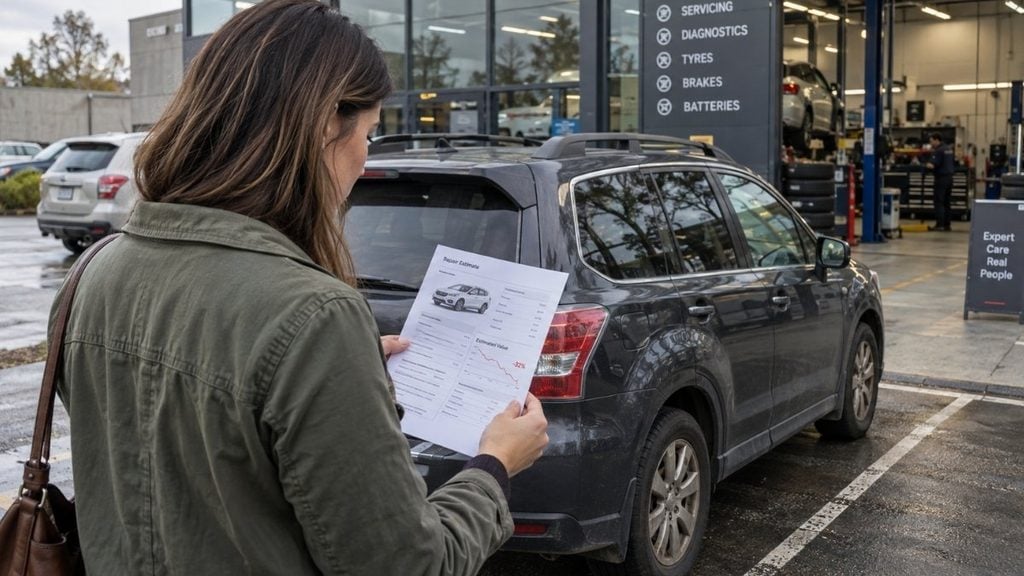
Since 2020, the true cost of car ownership has increased significantly due to rising car prices, higher loan interest rates, and rising insurance premiums. AAA’s annual Your Driving Costs Study indicates that the average cost to own and operate a new car rose 34.5% from 2020 to 2026.
| Year | Annual cost | Monthly | YoY change | Key price drivers (new cars) |
|---|---|---|---|---|
| 2021 | $9,666 | $805.50 | +1.1% | Lower fuel demand during the pandemic kept costs lower. |
| 2022 | $10,728 | $894 | +11.0% | Chip shortage and low stock start nudging new vehicle prices up. |
| 2023 | $12,182 | $1,015 | +13.6% | Global supply chain constraints caused fuel and used-car trade-in valuations to spike. |
| 2024 | $12,297 | $1,024.71 | +0.9% | Post-pandemic inflation is hitting hard, with moving parts, maintenance costs, and insurance up almost 30%. |
| 2025 | $11,577 | $964.78 | –5.9% | Brief period of relief as supply chains stabilized and heavy manufacturer incentives returned. |
| 2026 | $12,863 | $1,071.92 | +11.1% | Higher fuel prices combine with a massive shift towards larger, heavier SUVs and EVs. |
Table source: AAA’s Your Driving Costs Studies, 2021 to 2026.
The key factors driving a surge in vehicle ownership costs include:
- Soaring sale prices: Car manufacturers have shifted to larger, more expensive vehicle types (like SUVs, trucks, and tech-forward EVs), raising the baseline price of a car.
- High interest rates: While the pandemic saw a period of record-low interest rates, banks have raised rates to combat rising inflation. If you’re financing a car, you’ll pay thousands of dollars more in interest over the life of a loan today compared to five years ago.
- Volatile gas prices: The ongoing conflict in the Middle East and geopolitical uncertainty have directly affected how much you pay for gas. Since March 2026, gas prices have risen significantly (with the average price currently over $4 a gallon).
- Rising insurance premiums: Tech-heavy car design means even minor accidents are expensive to repair. As a result, insurers have been aggressively raising monthly premiums to cover these growing costs.
- High mechanic bills: A shortage of car parts and a shortage of qualified mechanics are causing a rise in how much it costs for your vehicle to get serviced.
- Steeper depreciation: High upfront costs mean the loss in value is greater the moment a car is driven off the lot.
The most effective way to offset ownership costs: rent out your car
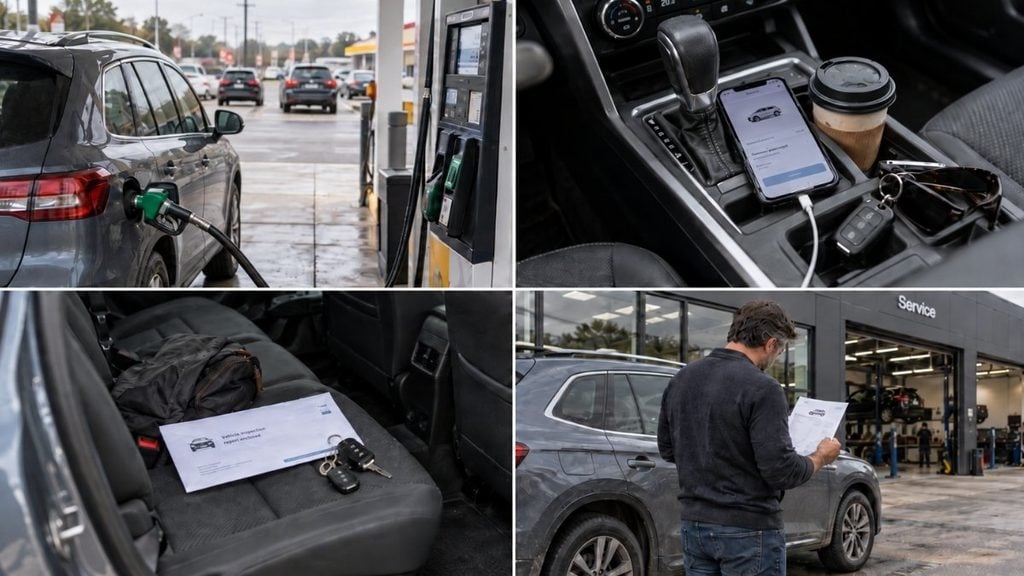
But covering the rising costs of car ownership on your own isn’t the only option. Most Americans still enjoy the freedom and flexibility of owning their own vehicle, but are finding smart ways to turn their parked car into a revenue stream. By renting out your car, you can offset ownership costs and earn extra income.
Here’s how car owners are combating rising vehicle-related costs by renting out their car on Turo:
- Monetize your car while it’s sitting idle: If your car spends most of the week parked in your garage or driveway, renting it out allows you to turn a depreciating asset into an extra stream of revenue.
- Capitalize on peak seasonal moments: If you live near an airport, in a resort town, or near major tourist attractions, consider renting your car out during peak season or holiday weekends when demand and earning potential are high.
- Rent out your car while you’re away: Planning an extended vacation or work trip? Consider renting out your car while you’re away to offset your trip costs.
If your car is model year 2010 or newer, has fewer than 130,000 miles, and holds a clean title, you’ll likely be eligible to rent it out on Turo. On average, hosts in the US earn $10,489 per year per car (about $874 a month). Your actual earnings depend on your location, vehicle type, how many days you make your car available, and your pricing.
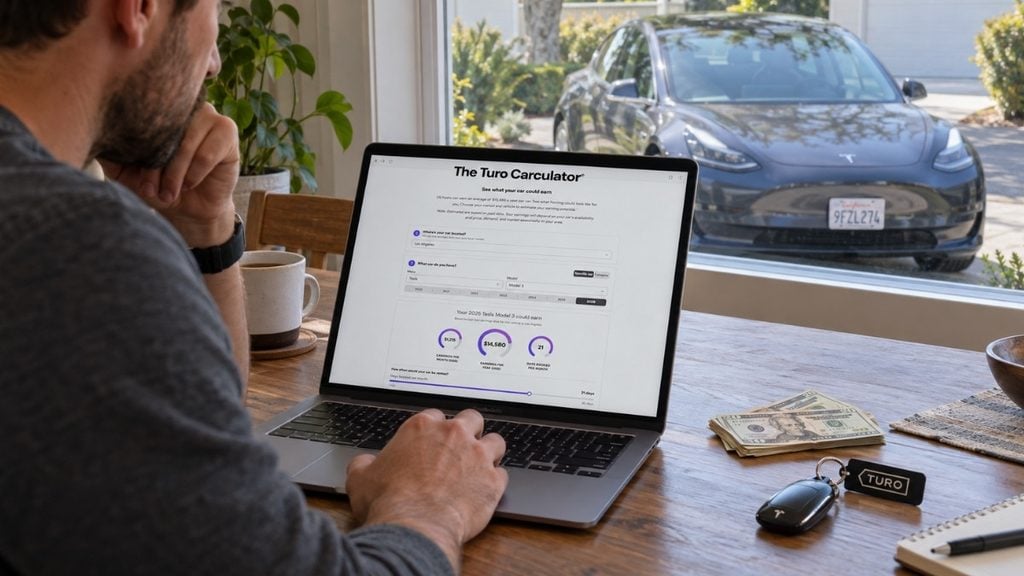
Cars in high-demand cities and near airports tend to book more frequently, boosting their earning potential. Turo’s earnings estimator gives you a personalized projection based on your specific car and zip code before you commit to listing.
Other ways to offset rising transportation costs
Other ways to combat the high cost of car ownership include trimming recurring expenses and finding smarter ways to pay for things like insurance and registration. While renting out your car tends to deliver the biggest financial relief, combining listing your car on Turo with these strategies can help to offset rising transportation costs.
- Shop around and compare insurance policies: Compare rates at least once a year across multiple insurers to ensure you’re getting the best deal. Strategies like raising your deductible can also help lower your monthly premiums.
- Look for ways to lower your gas bill: Use apps to find the cheapest local gas prices and maintain proper tire pressure to optimize fuel economy.
- Keep up with routine maintenance to avoid costlier repairs: Proactive maintenance helps you catch small issues before they become costly major repairs. Plus, consider handling basic replacements like wiper blades yourself.
- Refinance a car loan if rates have dropped: Check if you’re eligible for a better deal, particularly if your credit score has improved or interest rates have fallen since your last contract was signed.
- Consider public transit options for part of your commute: Reducing how much you drive can also help combat rising car ownership costs, lower your gas bill, and reduce wear and tear on your vehicle.

Is renting out your car right for you?
Renting out your vehicle often makes the most financial sense when a car’s fixed costs (insurance, registration, and depreciation) keep adding up regardless of how much it’s actually driven. A few scenarios make that mismatch especially easy to fix by renting your car out on Turo.
A second car that mostly sits parked
Car ownership costs don’t pause just because a car isn’t moving. Insurance and registration add up while depreciation keeps ticking away whether a second car is driven daily or once a month. A vehicle that mostly sits in the driveway costs more than it gives back. Renting it out on the days it’s not needed turns that fixed cost into something that can start covering its own keep.
No daily commute
Are you a digital nomad or remote worker without a regular commute? The costs of owning a car continue to climb, even if you’re rarely driving it far from home. If you’re only venturing into the office a few times a month or prefer to commute by public transportation, renting out your car means the vehicle can be earning income while you’re at work, too.
Frequent travel, an idle car at home
Every trip away from home is a time when a car sits unused but still costs the same to own. For owners who travel often, whether for work or otherwise, that idle time adds up fast over a year. Renting your car out while you’re away turns those otherwise wasted days into an opportunity to offset some of what it costs to keep the car on the road the rest of the time.
Living somewhere with solid public transportation
In a dense major city with reliable public transportation, it’s common to go days or weeks without driving. Easy access to transit, walkable errands, or a short commute means more days when a car has nothing to do, making it a strong candidate for sharing rather than sitting idle.
More cars than regular drivers
Multi-car households often hold onto every vehicle “just in case,” even when only one or two get consistent daily use. That second car that spends most weeks parked in the garage is a good candidate to rent out and offset rising transportation costs.
How to start renting out your car on Turo
To start renting your car on Turo, you’ll need your car’s title, a few clear photos (interior and exterior), and a Turo account. From there, you’ll set your car’s daily price, availability, and pickup preference before your listing goes live.
- List your car with photos and details: Add clear interior and exterior photos, confirm your car’s features, and check it meets Turo’s basic eligibility requirements around age, mileage, and condition.
- Set your own price and availability: Choose your daily rate and block off the dates you need the car for yourself; Turo’s pricing tools can help you land on a competitive starting point for your area.
- Complete a short orientation: Before your first listing goes live, you’ll work through a brief orientation that covers how bookings, guest communication, and pickup work day-to-day.
- Go live and manage bookings through the app: Once your listing is active, guests can book directly, and you’ll handle pickup logistics and any questions through Turo’s in-app messaging.
- Handle pickup, drop-off, and cleaning between trips: Depending on your car and setup, you can meet guests in person, use a lockbox, or offer remote access; just build a bit of cleaning time into your schedule between bookings.
To find out more about how much you could earn on Turo, dive into our complete guide to renting out your car on Turo.
Tips for maximizing your earning potential when renting out your car
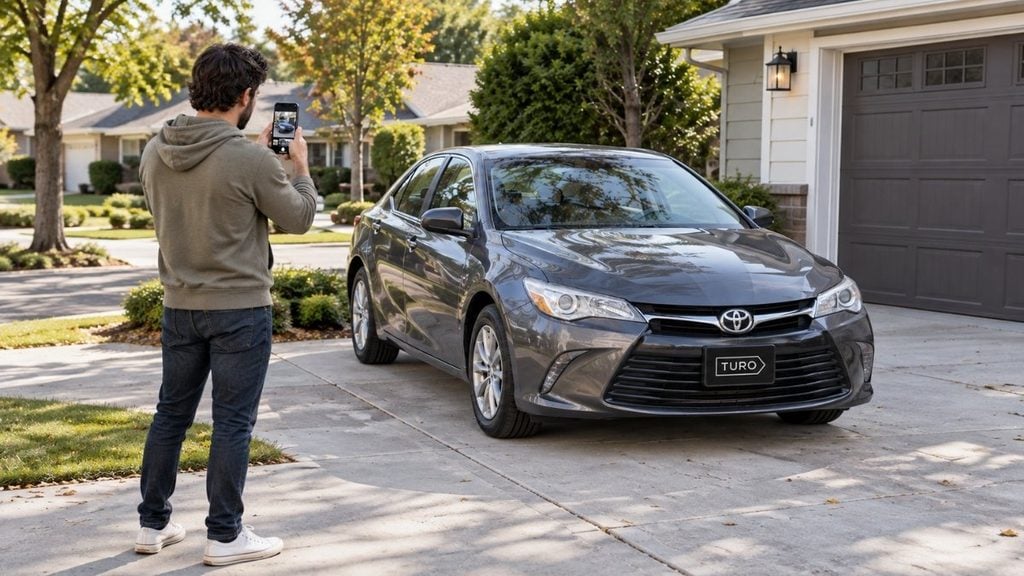
The best way to earn more on Turo is to tap into dynamic pricing, maximize your vehicle’s availability, and deliver a great customer experience that earns you glowing reviews. Plus, offering convenient delivery helps you increase your search rankings, boost your listing’s appeal, and reach a wider pool of potential renters on Turo.
- Keep it clean and well-maintained: A well-kept car attracts more bookings and better reviews, and the upkeep also protects your car’s resale value down the line, so it’s rarely wasted effort.
- Price competitively for your market and vehicle: Check what similar cars are listed for in your area before setting your daily rate, and treat it as a starting point you can adjust as you learn what your car actually attracts.
- Make your car available during high-demand periods: Weekends, holidays, and local events tend to see the strongest guest demand; opening up availability around these times, even occasionally, can make a noticeable difference in how much your car earns.
- Consider flexible pickup options: Offering airport or custom delivery, where practical, can open your car to guests and make your listing stand out from similar vehicles in the area.
- Keep your car available consistently: A car that’s rarely available for booking builds momentum slowly; even small, regular windows of availability tend to outperform a handful of one-off dates.

Questions about offsetting transportation costs
How much does it cost to own a car per year?
According to AAA’s latest Your Driving Costs research, the average cost to own and operate a new car in the US works out to just over $1,000 a month, though your actual cost depends on your vehicle, location, and driving habits.
Why are transportation costs rising?
Higher vehicle prices, rising insurance premiums, volatile fuel prices, and increased maintenance and repair costs are all contributing to the climb of transportation costs, and most of these factors show little sign of easing.
How can I lower the cost of owning a car?
Shopping around for insurance policies annually, staying on top of routine maintenance, refinancing your loan if rates have dropped, and cutting back on unnecessary driving can all help lower the cost of owning a car. Renting your car out when you’re not using it often delivers the highest cost savings for car owners.
How much can renting out my car on Turo help offset costs?
It varies based on your vehicle, location, and how often you make it available. Turo’s Carculator can give you a personalized estimate based on your specific car and zip code.
Is renting out my car worth it if I only drive part-time?
If your car already spends a lot of time parked, part-time driving is often exactly the scenario where renting out your vehicle makes the most sense; you’re offsetting costs on days the car wasn’t doing anything for you anyway.
Put your car to work by renting it out on Turo
Rising ownership costs aren’t going away anytime soon, but a parked car doesn’t have to just sit there adding them up. Whether it’s a second vehicle, a commuter car that sits idle most weekdays, or a set of wheels waiting for your next road trip, renting it out on the days you don’t need it is one of the most practical ways to offset the cost of keeping it around.
Ready to see what your car could do for you? List your car on Turo and start putting your idle time to work.
Share your car, earn extra cash
Cover your car payments or earn some extra cash by sharing your car whenever you’re not using it.
Get startedHit the road
Browse thousands of cars for every occasion and budget near you, or wherever you’re going.
Browse cars
Lucinda Starr
Lucinda Starr is a travel and automotive writer with 5+ years of firsthand experience road-tripping across Australia, New Zealand, and beyond. She writes road trip guides for Turo, drawing on her experience behind the wheel to share practical insights on long-distance drives, destinations, and vehicles. Her travels have taken her across Australia’s East Coast, Victoria’s Great Ocean Road, the Northern Rivers, Byron Bay, and both islands of New Zealand. One of her most memorable journeys was an 11-day, 2,600+ km route from Auckland to Punakaiki and Queenstown. Lucinda has a particular passion for classic, rugged 4WD vehicles and the freedom they bring to exploring new places.