
posted on January 21, 2026
Planning an unforgettable road trip down the historic Route 66? Look no further — we’ve got the top tips to get you on your way.
Often called the “Mother Road,” Route 66 was established in 1926 as one of America’s original highways, stretching from Chicago to Santa Monica and helping millions of travelers, movers, and dreamers head west. Though it was officially decommissioned in 1985, the original roadway, retro diners, neon signs, and small-town stories still stand strong — making it one of America’s most celebrated and storied drives.
But how long does it take to drive this iconic highway? There are options! Road trippers can tackle the full historic route over a couple of weeks or sample a shorter stretch between towns. Read on for a closer look at your choices, plus trip-worthy highlights on where to eat, explore, and experience the best of Route 66.
This guide covers:
- How long does it take to drive Route 66
- The best time to drive along Route 66
- The must-see places during your Route 66 road trip
- The perfect Route 66 road trip itinerary
- Car rental and planning tips with Turo
How long does it take to drive Route 66?
- Direct drive time: Around 40 hours (non-stop)
- Driving distance: 2,400 miles
- Recommended trip length: 2-3 weeks (for a relaxed journey of sightseeing)
Car rental along Route 66
If you’re planning a Route 66 road trip, renting a car is essential to explore the historic route from Chicago to Santa Monica at your own pace.
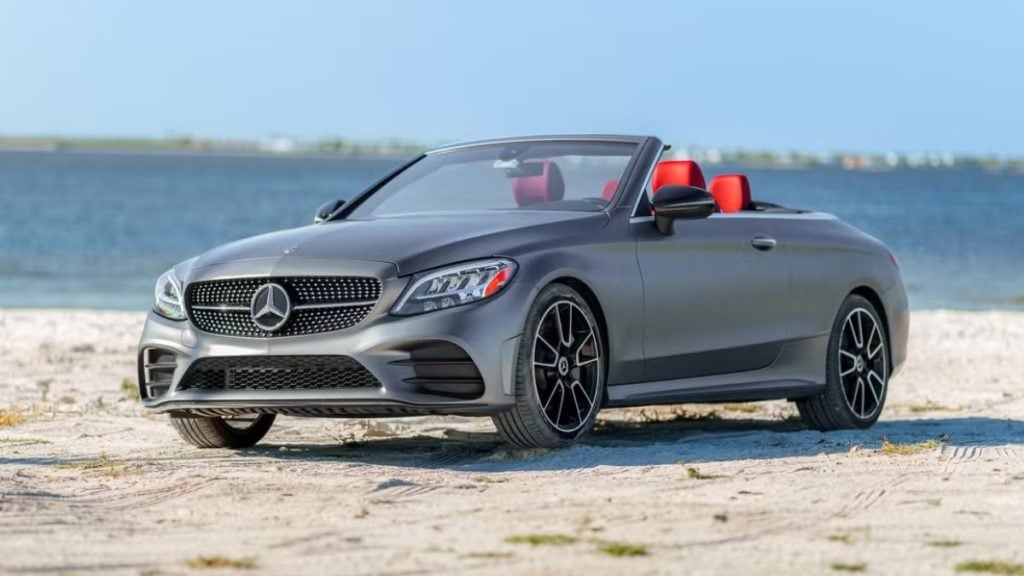
On Turo’s marketplace, you’ll find everything from classic cars and convertibles to SUVs and minivans. With Turo, you can browse cars in advance, select the most convenient pickup locations, and book with confidence knowing you’ll get the exact vehicle you chose.
No matter where you’re starting, you can find car rentals on Turo from major cities near or on Route 66, such as Chicago, Los Angeles, Oklahoma City, Austin, and New York.
Planning the drive along Route 66
Map out your itinerary:
Decide whether you want to drive the entire route from Chicago to Santa Monica or explore select regions along the highway, then:
- Use maps to calculate drive time, distances, and rest breaks, and plan how many stops you want to make each day.
- Check fuel availability and EV charging stations in advance, especially along stretches of the Texas Panhandle or remote areas of New Mexico and Arizona.
- And plan where you’ll stay along the way to ensure availability, whether that’s classic motels, boutique inns, or small-town bed-and-breakfasts.
Prepare for diverse road conditions:
Old Route 66 covers a mix of terrain and road conditions. Bring plenty of water, check your tires, and adjust your pace to suit local road conditions. Drivers should be ready for:
- Long, straight desert highways in the Southwest with occasional dust storms.
- Mountainous stretches in New Mexico and northern Arizona with sharp curves.
- Old, narrow sections of the original road and historic bypasses, where the speed limit may vary.
- Seasonal weather changes, from summer heat in the Texas Panhandle to potential winter snow in northern states.
Rent the right vehicle:
Choosing the right car is crucial for comfort and safety along Route 66. Consider:
- SUVs or 4WDs for large groups and diverse terrain.
- Convertibles or classic cars for a true nostalgic Mother Road experience.
- Family-friendly vehicles with modern tech (Wi-Fi, entertainment screens, and plenty of storage) to keep everyone comfortable and happy on long stretches.
- Use Turo to browse car rental options and pick up your ideal vehicle from local hosts across the US.
The best time to drive Route 66
The best time to drive Route 66 depends on the adventure you’re seeking.
- Spring (March–May) and fall months (September–November) are often ideal, with milder temperatures, fewer crowds, and the chance to enjoy fall foliage in some regions. These months are also perfect for scenic detours to the Petrified Forest National Park and Sandia Mountains without the summer heat.
- Summer months can feel intensely hot along stretches of the original route and through places like the Texas Panhandle and the deserts of New Mexico. But on the flip side, summer does offer the full festival and tourist atmosphere, which can be full of fun if you enjoy lively towns and busy attractions.
- Winter months are quieter, with fewer travelers and often lower accommodation prices. Still, you may encounter dust storms, snow in northern states, or icy conditions in areas near Chicago or higher elevations along the route, so check the weather in advance!
Top places to stop during your Route 66 drive
1. Cadillac Ranch (Amarillo, Texas)
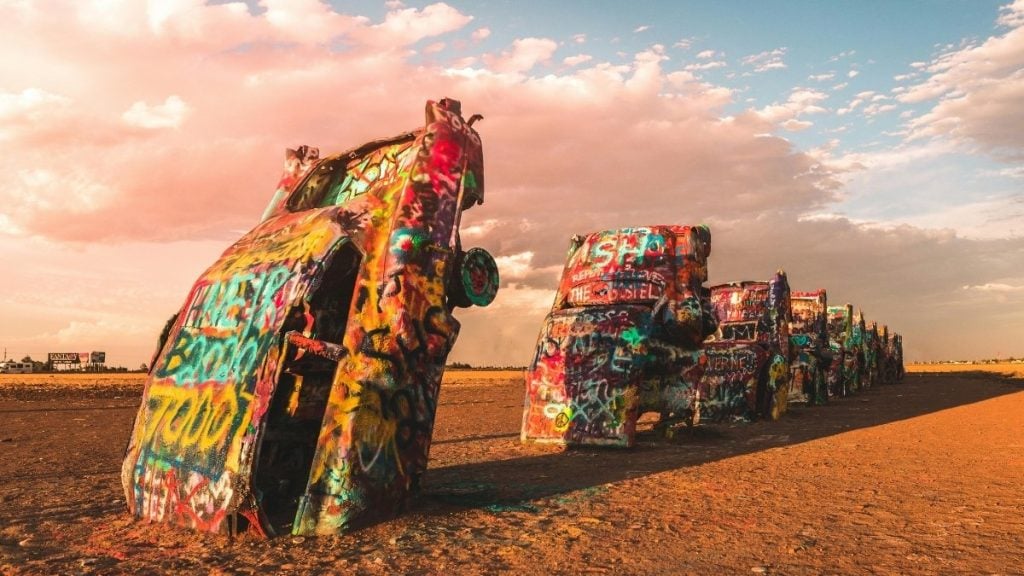
A unique and quirky roadside attraction, the Cadillac Ranch is a must-see. Picture ten Cadillac cars, stuck nose-first into the Texas soil, and covered in ever-changing graffiti. This work features car models from 1948 to 1963, aka the “Golden Age” of the American automobile. Stop to take pictures, spraypaint a Cadillac, and soak in some classic American car culture.
2. Wigwam Motel (Holbrook, Arizona)
Stay at one of Route 66’s most recognisable retro landmarks: the Wigwam Motel, a 1930s roadside classic known for its concrete, tipi-shaped units. Expect classic cars parked out front, fun photo moments, and a chance to experience one of the few remaining “Wigwam Villages” along the Mother Road.
3. Meramec Caverns (Stanton, Missouri)
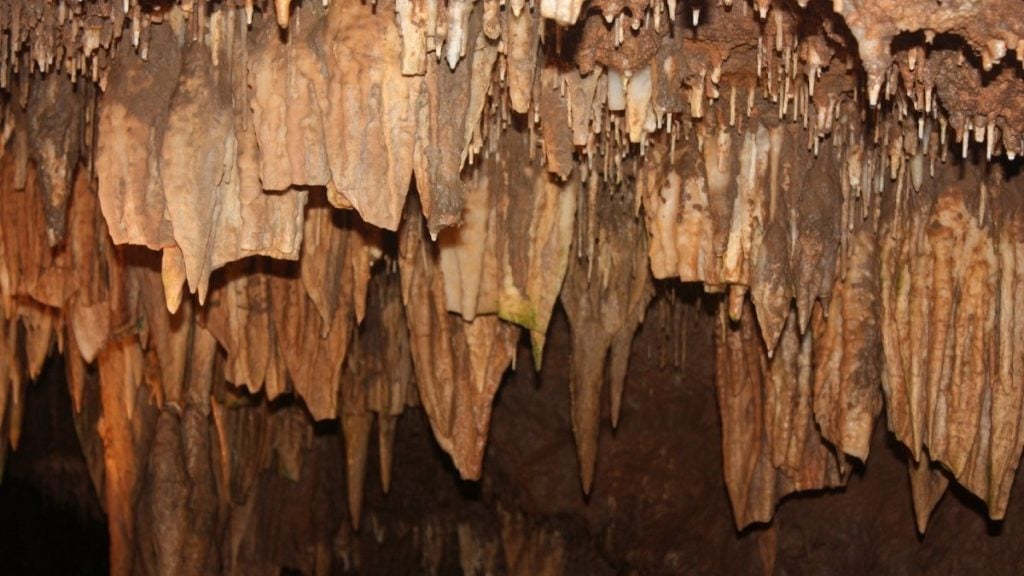
A classic landmark on this route, Meramec Caverns is a vast underground world spanning five floors of unusual limestone formations. Guided tours highlight both the natural beauty and local legends. With a gift shop, riverside views, and plenty of photo-worthy moments, it’s a quick but memorable stop that you won’t regret!
4. The Blue Whale of Catoosa (Catoosa, Oklahoma)
The Blue Whale of Catoosa is a giant, bright-blue waterfront sculpture that has delighted travelers for decades. Built in the 1970s as a weekend swimming hole, it’s now a super fun, photo-ready landmark that adds a playful pause to your road trip — especially if you’re traveling with the kids.
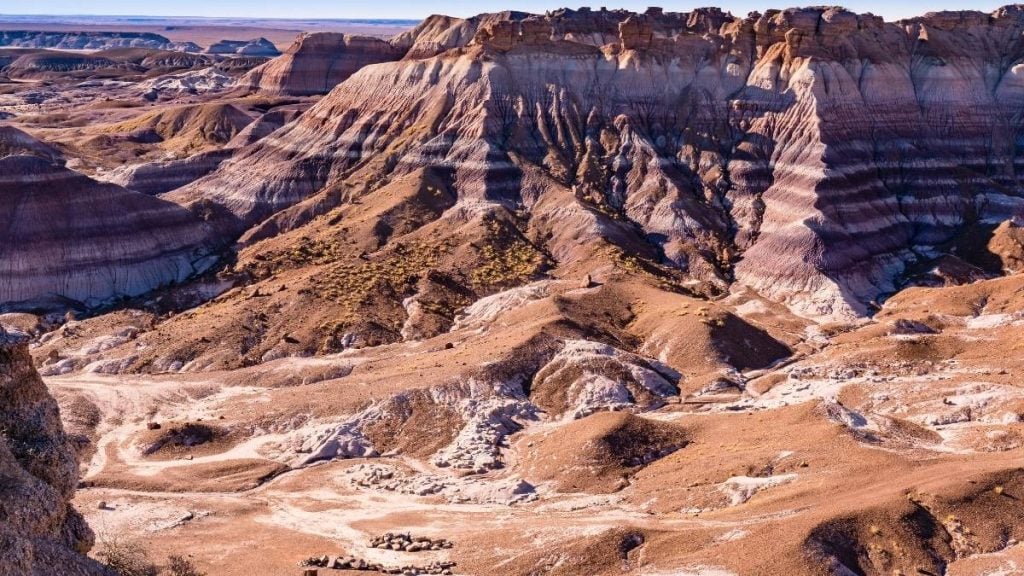
5. Petrified Forest National Park (Arizona)
The Petrified Forest National Park is famous for its fossils and ancient trees turned to stone, offering a glimpse into a prehistoric world. Explore easy hiking trails or scenic driving loops, wander among vivid desert landscapes, and marvel at the park’s striking rock formations. Stretch your legs and take in nature at this iconic spot.
Recommended Route 66 driving itineraries
Below, we’ve curated three driving itineraries covering different parts of the Route 66 drive to kick-start your journey.
Itinerary 1: The Classic Full Journey (14 to 21 days)
- Route: Chicago→ Santa Monica
- Drive time: Around 2,400 miles
- Drive distance: Around 40 hours (non-stop)
- Itinerary:
- Days 1-3: Explore Chicago and northern Illinois towns, stopping at Millennium Park, Route 66 start marker, Springfield, and classic diners.
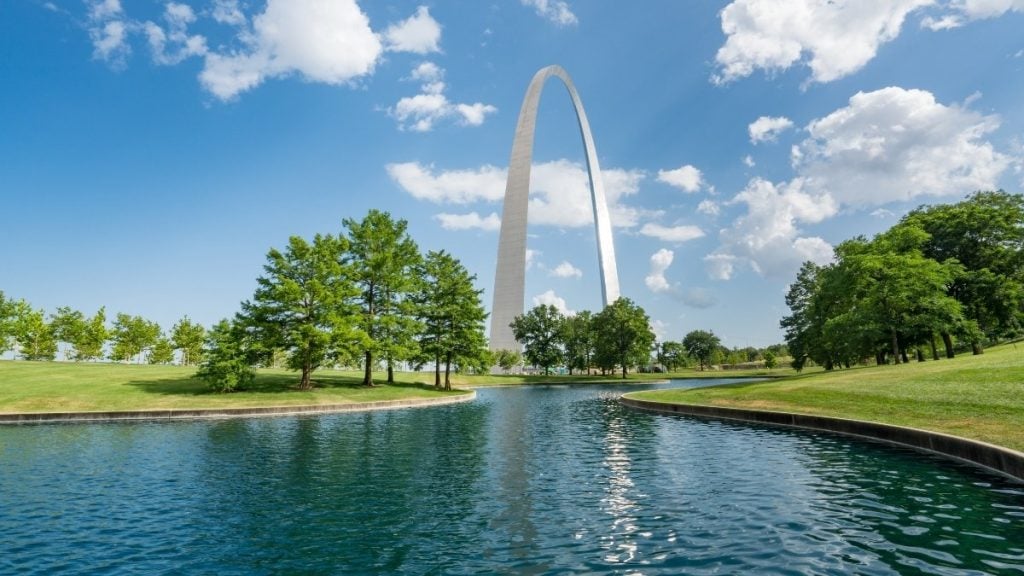
- Days 4-6: Drive through Missouri, visiting St. Louis, the Gateway Arch, Meramec Caverns, and small-town murals.
- Days 7-9: Travel across Oklahoma to Texas, including Oklahoma City, Blue Whale of Catoosa, and Amarillo with Cadillac Ranch.
- Days 10-12: Journey through New Mexico into Arizona, stopping at Albuquerque, Santa Fe, Sandia Mountains, and Holbrook’s Wigwam Motel.
- Days 13–15: Explore northern Arizona, including Petrified Forest National Park, Flagstaff, and an optional Grand Canyon detour.
- Days 16–18: Continue through western Arizona to California, with stops in Kingman, Barstow, Oatman, and San Bernardino.
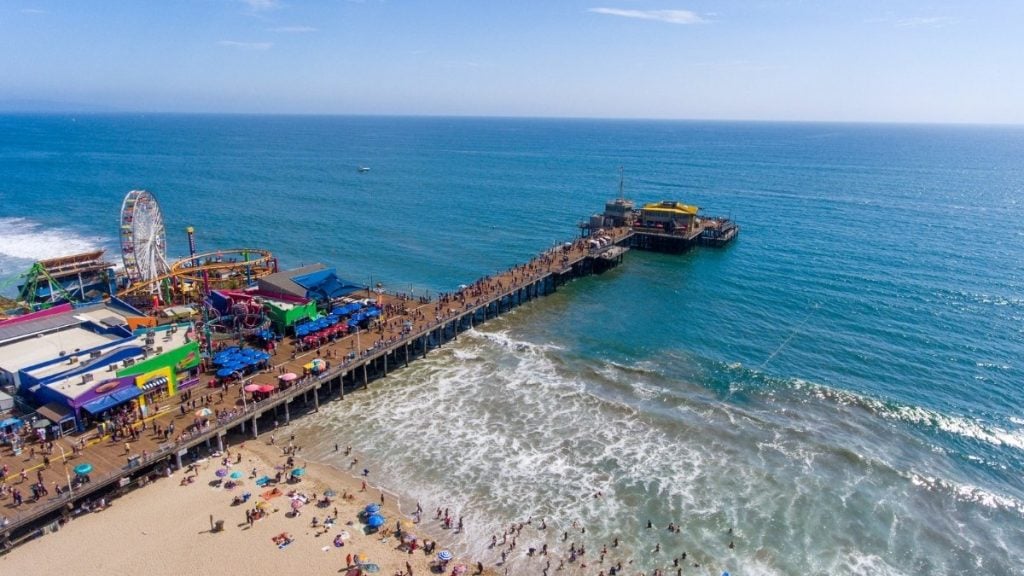
- Days 19–21: Finish your adventure in Los Angeles and Santa Monica, capturing photos at the Santa Monica Pier and celebrating the end of the Mother Road.
Every mile along this full Route 66 trip feels like an adventure. And by the time you reach the Santa Monica Pier, you’ll have collected so many memories, stories, and snapshots that make this classic road trip truly unforgettable.

Itinerary 2: The Southwest Highlights(7 to 10 days)
- Route: Albuquerque → Santa Monica
- Drive time: 850 miles
- Drive distance: 14–15 hours (non-stop)
- Itinerary:
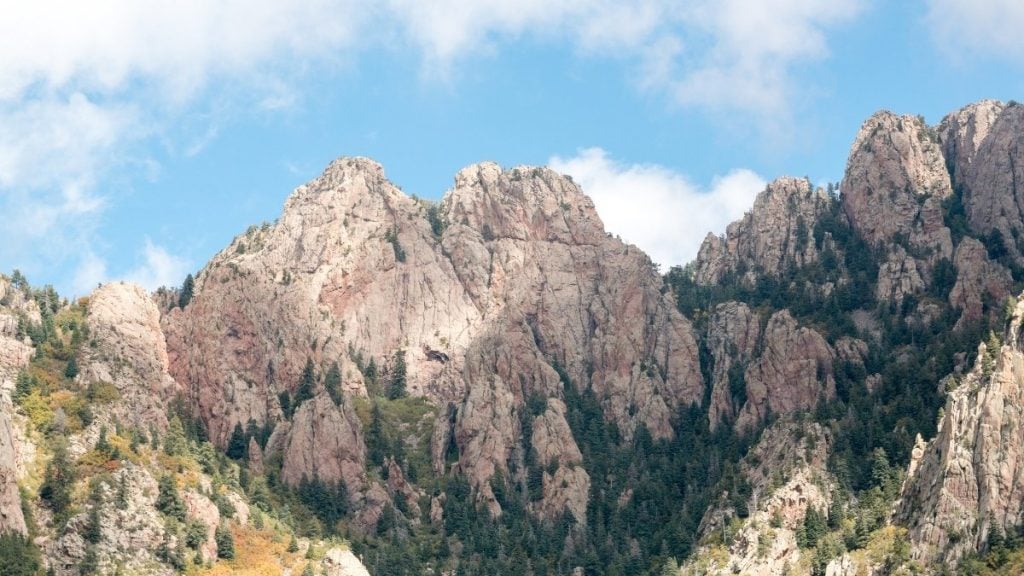
- Days 1-3: Explore Albuquerque and Santa Fe, with stops at Old Town, Sandia Mountains, and local art and cuisine.
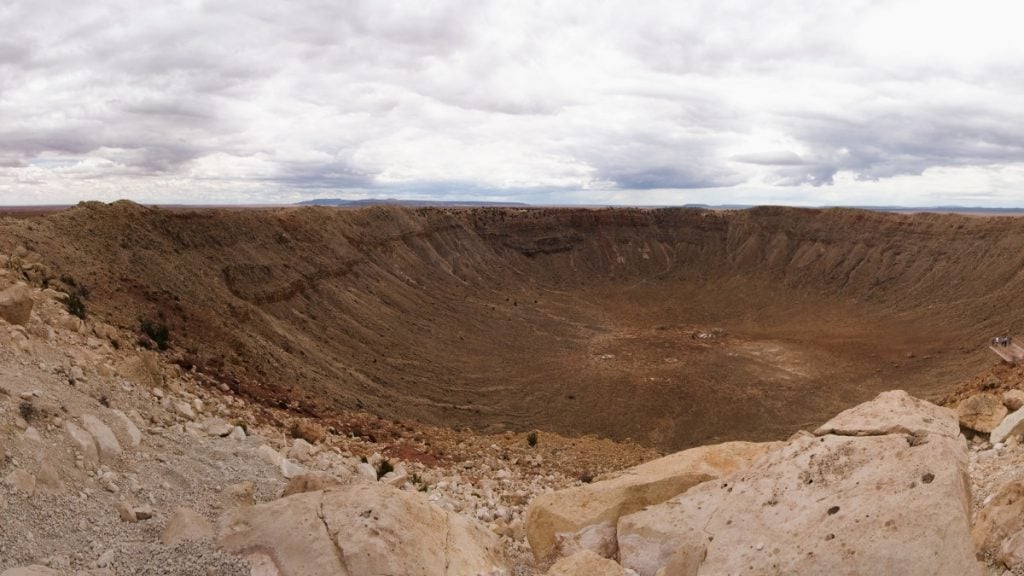
- Days 4-6: Travel through Holbrook and Northern Arizona, visiting the Wigwam Motel, Petrified Forest National Park, and optional Flagstaff or Meteor Crater detours.
- Days 7-10: Cruise through Western Arizona to Santa Monica, stopping at Oatman, Kingman, Barstow, and finishing at the Santa Monica Pier.
This Southwest-focused Route 66 adventure is road-trip magic, weaving together desert landscapes and quirky roadside stops. Every mile offers scenic views, small towns to explore, and plenty of opportunities to snap memorable photos.
Itinerary 3: The Midwest Heritage Run (5 to 7 days)
- Route: Chicago → Tulsa
- Drive time: 700 miles
- Drive distance: 12–13 hours (non-stop)
- Itinerary:
- Day 1: Start in Chicago, visiting Millennium Park and the Route 66 Start Marker before hitting the road.
- Day 2: Cruise through Illinois towns like Joliet, Pontiac, and Springfield, stopping at murals, diners, and Route 66 museums.
- Day 3: Cross into Missouri, exploring St. Louis’ Gateway Arch and historic Route 66 landmarks.
- Day 4: Travel through small towns like Cuba and Rolla, MO, enjoying roadside attractions and vintage gas stations.
- Day 5: Arrive in Tulsa, Oklahoma, with stops at the Blue Whale of Catoosa and the Oklahoma Route 66 Museum.
This route is perfect for anyone who loves historic city landmarks, riverfront views, and some of the Midwest’s quirkiest roadside gems — all without the long stretches of desert or mountains, making it a more manageable road trip.

Frequently asked questions about driving Route 66
How long does it take to drive across Route 66?
Around 40 hours (non-stop), but you’re going to want to stretch this out over a couple of weeks.
Is it worth driving across Route 66?
Absolutely. There is so much to see and do along Route 66 — it’s an unforgettable road trip! Not to mention it’s steeped in nostalgia and endless photo opportunities.
How many days do you need to drive across Route 66?
If you’re looking to drive the full Route 66, 14+ days, or two to three weeks, is a reasonable amount of time. This gives you enough space to cruise without feeling rushed and still stop for the many iconic landmarks that make the Mother Road so exciting.
If you want to wander through national parks, linger in big cities, or enjoy a few spontaneous detours along the way, consider extending your trip.
Can you drive across Route 66 in a day?
No, you can’t drive the entire Route 66 in a single day. The only exception would be taking a short segment between towns or cities along the route.
When is the best time to drive Route 66?
April to June for ideal temperatures before the intense summer heat hits.
September is also a strategic time as there are fewer people on the road after the school holidays.
Can I rent a car for my Route 66 road trip on Turo?
Yes, you can rent a car for your Route 66 trip on Turo’s marketplace — meaning you can select from a wide range of options from rental hosts across the U.S. Find a vehicle in a nearby location and choose a model that best suits your style and budget.
Rent a car on Turo on Route 66 and hit the road
There’s no better way to experience Route 66 than from behind the wheel. With Turo, you can rent the perfect car for your trip — from compact city cruisers to rugged SUVs and everything in between.
Pick up your ride from major cities across the US, set your route, and travel entirely at your own pace. So, ready to roll? Find your ideal vehicle and rent a car from Turo’s marketplace in the United States.

Share your car, earn extra cash
Cover your car payments or earn some extra cash by sharing your car whenever you’re not using it.
Get startedHit the road
Browse thousands of cars for every occasion and budget near you, or wherever you’re going.
Browse cars
Sian Henderson
Sian Henderson is both a cosied-up travel content writer and an avid outdoor traveller. She’s road-tripped around New Zealand, navigated the bustling streets of Vietnam, and sunbaked on the shores of Hawaii and beyond. With a love of getting behind the wheel and taking the scenic route, she brings a firsthand traveller’s perspective to road-trip content. For Turo, Sian has written travel blogs and destination guides spanning road trips, city escapes and destinations across Australia, the US, UK and Canada. She’s also worked across hundreds of pieces of Turo content, giving her a keen eye for what makes a great trip! From finding the right car for the journey to uncovering the best places to stop, snack, and take in the view, Sian has many great tips to keep you on track.