posted on September 23, 2026
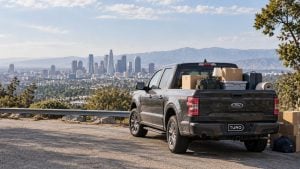
Remote work has made it possible to answer emails overlooking Miami Beach or from a bustling coffee shop in NYC. With no traditional office to clock into, digital nomads have the freedom to work from anywhere in the world. But making this nomadic lifestyle sustainable means having the logistics figured out in advance.
When weighing the best transportation options for digital nomads, you’re likely considering how to get around a new city (without forking out thousands on your own car). While public transportation and rideshares are viable options in some locations, the most convenient option tends to be renting your own car for as long or as little as you need on Turo.
This guide runs through the realistic transportation options to consider, helping you to pinpoint which choice is most practical and suited to your digital nomad lifestyle.
In this guide, we’ll cover:
- Why transportation planning matters for digital nomads
- 4 transportation options for digital nomads: compared
- The best transportation option for digital nomads
- Tips for choosing transportation as a digital nomad
- Frequently asked questions
Why transportation planning matters for digital nomads
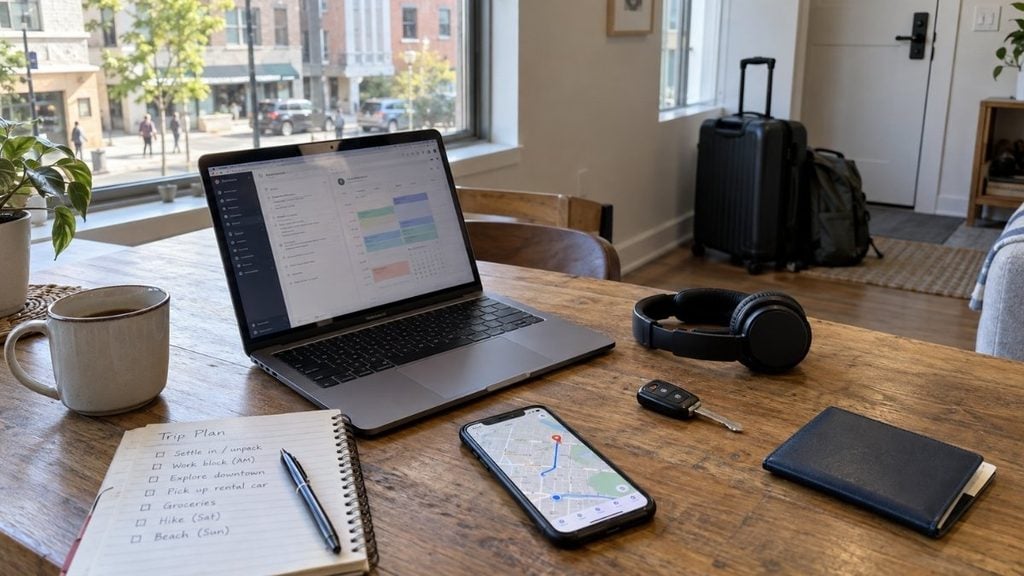
As a digital nomad, you need to find a mode of transportation that’s flexible, affordable, and reliable. Unlike planning for a short vacation or weekend getaway, the transportation you choose needs to work for the long-term (while still offering enough flexibility to adapt as you move cities and locations).
Plus, working remotely means you’ll have work commitments to factor in, too. Traveling between client meetings, site visits, and coworking spaces requires a mode of transportation that you can rely on. While ride-sharing services might suit compact cities, the cost of long-distance rides will quickly add up (particularly if you’re traveling during peak hours with surge pricing).
Planning ahead is what will help you make the right choice. Figure out how long you’re staying in each spot, how walkable each city is, and how much travel you’ll need to do day-to-day. Just like picking the right accommodations and area of town to stay in, choosing your mode of transportation carefully helps you save time, money, and hassle down the road.
4 transportation options for digital nomads: compared
The main modes of transportation to consider as a digital nomad include renting your own car, public transportation, rideshare apps, and buying a car. Each comes with pros and cons that are worth weighing, and using a combination of options can give you the most flexibility and control.
| Option | Typical cost | Flexibility | Best for | Considerations |
|---|---|---|---|---|
| Car rental on Turo | $ – $$ (often discounted for 30+ day bookings) | High; no lease, end anytime | Stays of a few weeks to several months | Wide vehicle choice, delivery to your address in many markets |
| Public transportation | $ | Low; fixed routes/schedules | Highly walkable, transit-dense cities | Coverage and reliability vary a lot by city |
| Rideshare apps | $$$ (compounds with daily use) | Medium; no commitment, but no control over pricing/availability | Occasional trips, not daily use | Costs add up fast; unpredictable wait times during peak hours |
| Buying a car | $$$$ (upfront + ongoing) | Low; tied to one vehicle | Long-term settling in one place | Registration, insurance, resale overhead |
Option 1: Rent a car with Turo
- Pros: No lease or long-term commitment; can end the booking anytime plans change; wide vehicle variety to match the city; many vehicle owners offer discounts for longer bookings; delivery available to your home or hotel
- Cons: Requires more planning than grabbing a rideshare on the spot; vehicle availability in popular hubs can tighten during peak travel times
- Best for: Stays of a few weeks to several months, and nomads who want flexibility without ownership overhead
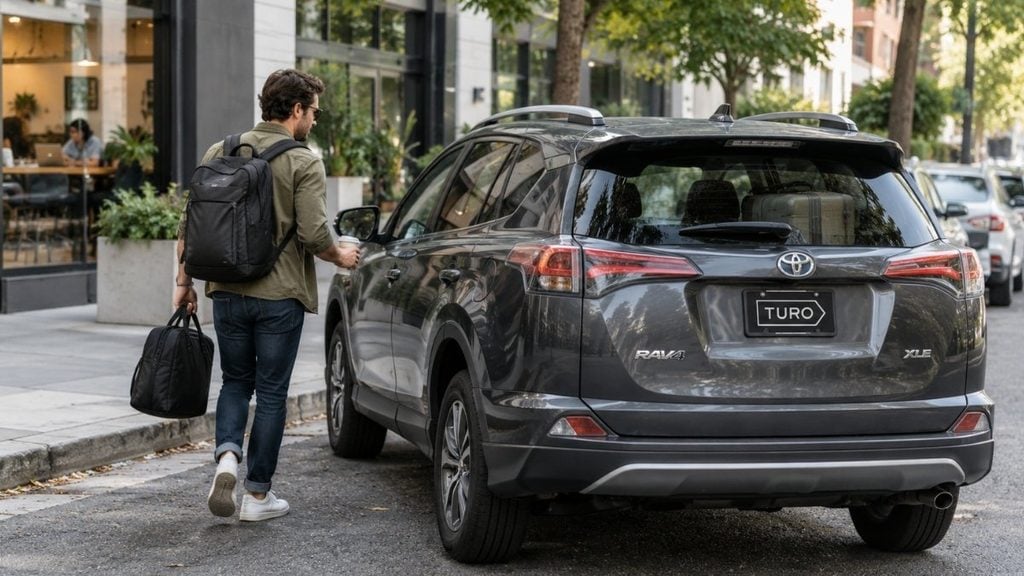
The most flexible, convenient transportation option for digital nomads is renting a car on Turo. Unlike a traditional car lease, there’s no long-term commitment or hefty fees to pay if your plans change. Cars can be rented for any period of time (from a few days to multiple months), with flexible delivery options that mean your car can be dropped off at your hotel, office, or ready for collection at the airport.
If you’re planning to stick around in one place for a while, you can even take advantage of discounted pricing for long-term bookings. This makes the daily rate significantly lower than a traditional car rental, and means you’re driving the same car for your entire extended stay.
The choice of vehicles on Turo is much broader than a traditional car rental fleet, too. If you’re trying to live a more sustainable lifestyle, there are plenty of electric vehicles and hybrid cars to rent, along with fuel-efficient compacts (ideal for short inner-city trips). Turo makes it easy to match your car to your itinerary: road trip in a 4WD during ski season, zip around the inner city in a compact sedan, or keep your fuel bill low with an EV.
Option 2: Rely on public transportation
- Pros: Cost-effective; no vehicle logistics to manage at all; works well in dense, walkable cities
- Cons: Fixed routes and schedules limit flexibility; coverage and reliability vary hugely city to city; harder to reach coworking spaces or client meetings outside main downtown areas
- Best for: Nomads settling briefly in a highly walkable, transit-dense city who rarely need to leave the central area
In some cities, public transportation can get you from client meetings to coffee shops with reliable internet connection with ease. If you’re sticking to the bustling streets of New York City, San Francisco, or Boston, you’ll be able to get around with subways, cable cars, and a good pair of walking shoes.
Public transportation alone is best for digital nomads sticking to one area. In these dense cities, parking can be challenging, and traffic can make walking or public transit a more viable alternative.
The catch? Public transportation coverage varies widely from city to city. It’s essential you check whether the spot you’re staying in is well-connected and can get you where you need to go.
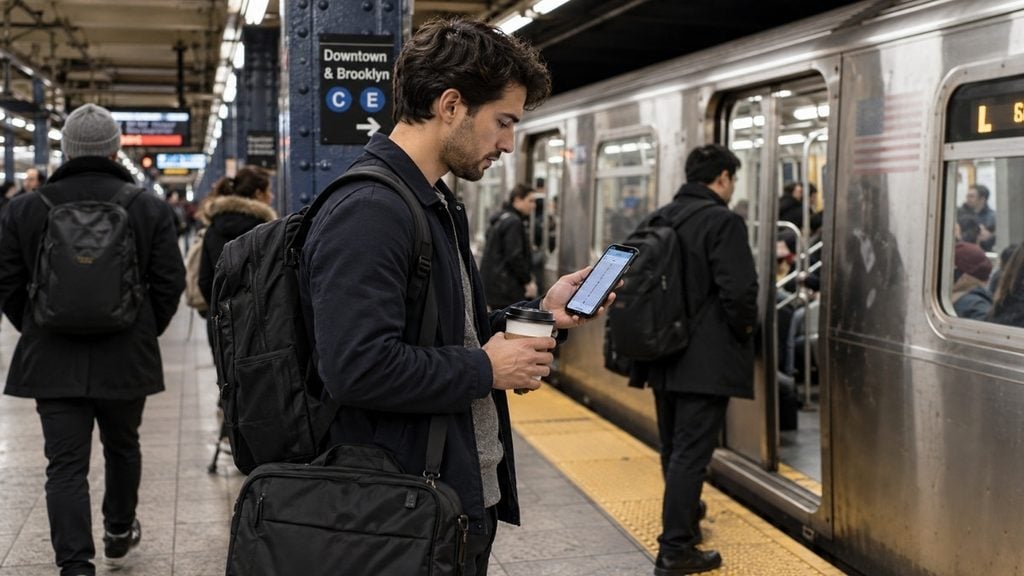
Tip from the author: Even if you’re treating NYC or San Fran as your home base, it can be worth renting a car on Turo for the occasional long weekend road trip. With epic spots like The Hamptons, Big Sur, and Napa Valley not too far away, renting your own wheels helps you make the most of the digital nomad lifestyle.
Option 3: Use rideshare apps
- Pros: No upfront commitment; convenient for occasional or one-off trips; no vehicle to manage
- Cons: Costs compound quickly with daily or near-daily use; no control over pricing or wait times during peak demand; can be unpredictable for anyone with fixed work hours to hit
- Best for: Supplementing another transportation option (airport runs or nights out) rather than serving as a primary transportation option
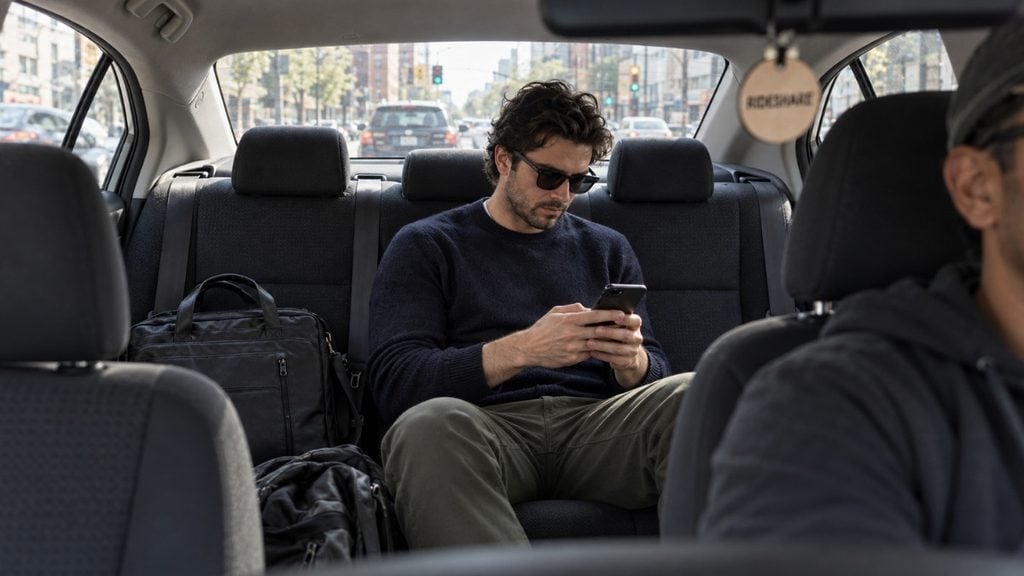
Rarely need to get around by car? If you’re only taking occasional trips, using ride-sharing services can be a way to get from meetings to your coworking space as a digital nomad.
The challenge with ridesharing alone is that costs quickly compound. While there’s no upfront commitment, the cost of each ride quickly adds up if you’re booking trips every day (or most days) during your stay.
Plus, you’ll need to factor in wait times and surge pricing when demand peaks, making it a less convenient option than it might appear on paper. Waiting for a ride in the rain when you’re running late to an important pitch is far from the ideal “work from anywhere” scenario you signed up for.
Option 4: Buy a car
- Pros: Full control over one vehicle long-term; can make financial sense for an extended, single-location stay
- Cons: Registration and insurance add significant overhead; ties a nomad to one vehicle regardless of how travel plans change; doesn’t suit a mobile lifestyle
- Best for: Nomads who’ve decided to settle in one place for an extended period rather than continue moving
While it’s a less popular option, buying a car is another transportation choice for digital nomads. Typically, it only makes financial sense if you’re committed to settling in one place or state for an extended period of time (something that most nomads don’t want to do).
If you plan to venture to new destinations around the world (Southeast Asia, we’re looking at you), buying a car can be a hefty upfront investment that ties you down to one spot. Even if you’re able to resell it, owning a car comes with significant overhead that doesn’t make sense for someone chasing a lifestyle built on mobility and short stays.

The best transportation option for digital nomads
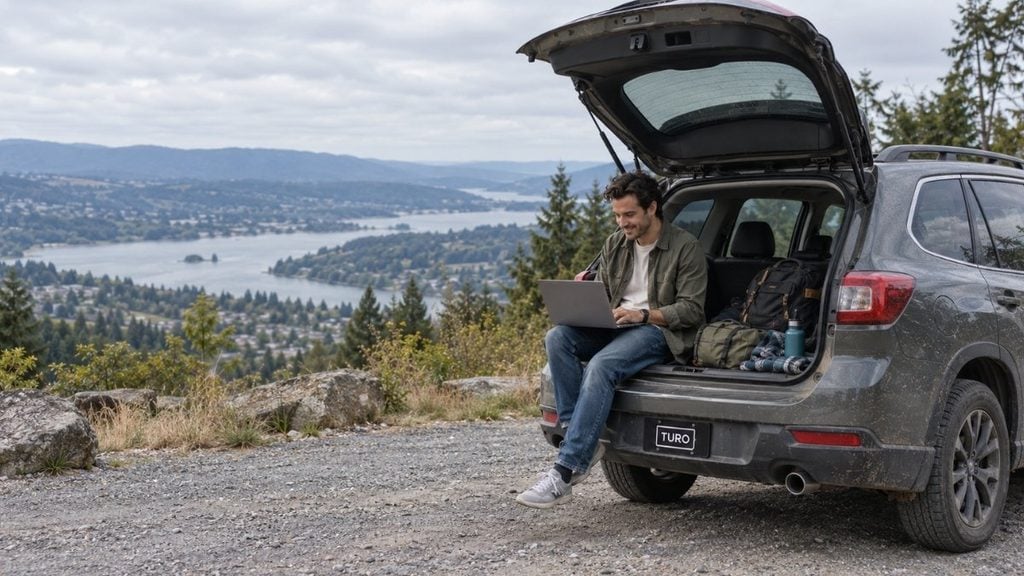
As a digital nomad, you want to spend your time exploring your new home (not waiting at a bus stop for a ride that never arrived). Whether you need your own car every day or just for the weekend, renting on Turo gives you the ultimate freedom, flexibility, and control of your schedule.
Turo offers advantages no other transportation option can match: there’s no long-term lease to lock you in, no unpredictable pricing like ridesharing, and no public transportation timetable to figure out.
Plus, if you’re staying in one spot for a few weeks or months, discounts for long-term bookings means you’ll score your own wheels at a competitive rate (without the high costs and commitment of car ownership). You can even request to extend your booking if plans change, allowing you to live your best spontaneous digital nomad life.
The best bit? You can find the perfect car type for exactly where you’re staying. Need a compact car that’s easy to park, or a fuel-efficient vehicle that’s made for highway driving? Book the exact car you want for the exact length of time you need it on Turo.
Tips for choosing transportation as a digital nomad
Still weighing your options? Here’s what to consider when picking your mode of transport as a digital nomad:
- Match the option to the length of stay: A few days favors rideshare, a few weeks to months favors a monthly rental on Turo, and only a long-term move favors buying a car.
- Factor in work logistics: Reliable transportation to a coworking space or being able to take calls while on the road should factor into your decision.
- Check the city’s walkability/transit score before committing to one option: Some cities don’t need a car, but most do.
- Consider seasonality and peak travel times: If you’re visiting a popular nomad hub or major city during the holidays, book early for the broadest range of cars and the best prices.
Frequently asked questions about transportation options for digital nomads
What is the best way for digital nomads to get around?
The best way for digital nomads to get around depends on length of stay and city walkability, but for stays of a few weeks or more, renting a car through Turo tends to offer the best balance of cost and flexibility compared to daily rideshare use or relying solely on public transit.
Do digital nomads need a car?
Not always. A small number of highly walkable, transit-dense cities make a car unnecessary for digital nomads. Most US destinations require some form of reliable transportation beyond walking distance, making a flexible rental a practical middle ground between public transit and car ownership.
Is it cheaper to rent a car monthly or use rideshare apps as a digital nomad?
For regular use over several weeks, a monthly car rental is typically more cost-effective than frequent rideshare trips, since rideshare costs compound with every trip while a monthly rental has a fixed, often discounted, rate. For example, many listings offer discounts for trips of multiple weeks or months.
Can I rent a car on Turo for a month or longer?
Yes. Turo bookings can run from a single day to several months, and many vehicles offer discounted pricing for bookings of 30 days or longer, making it a practical option for extended stays.
How do digital nomads handle transportation when moving between cities frequently?
Many digital nomads book short-term or monthly rentals city by city rather than committing to ownership, which lets them match the vehicle to each location and avoid the overhead of registration, insurance, and resale that comes with owning a car. In walkable cities, they may rely on public transportation, biking, or walking for everyday travel, then rent a car when needed for grocery runs, appointments, day trips, or destinations that are difficult to reach without one. This approach can also support more sustainable transportation options by limiting car use to the times when it serves a practical purpose.
Get flexible transportation wherever you land with Turo
Whether you’re working from the beaches of Miami or the public libraries of NYC, securing reliable transportation is a must as a digital nomad.
With Turo, you can rent a car to suit wherever you’re calling home. Choose from hundreds of unique car makes and models, set your preferred pickup location, and book for as long as you need. It’s the most flexible, reliable option for digital nomads venturing across the country.

Share your car, earn extra cash
Cover your car payments or earn some extra cash by sharing your car whenever you’re not using it.
Get startedHit the road
Browse thousands of cars for every occasion and budget near you, or wherever you’re going.
Browse cars
Lucinda Starr
Lucinda Starr is a travel and automotive writer with 5+ years of firsthand experience road-tripping across Australia, New Zealand, and beyond. She writes road trip guides for Turo, drawing on her experience behind the wheel to share practical insights on long-distance drives, destinations, and vehicles. Her travels have taken her across Australia’s East Coast, Victoria’s Great Ocean Road, the Northern Rivers, Byron Bay, and both islands of New Zealand. One of her most memorable journeys was an 11-day, 2,600+ km route from Auckland to Punakaiki and Queenstown. Lucinda has a particular passion for classic, rugged 4WD vehicles and the freedom they bring to exploring new places.