posted on June 3, 2026
Few places pack as much variety into a single road trip as Utah. You can spend the morning weaving through a glowing canyon where sunlight slips between wafer-thin sandstone walls, then stand above vast canyons stretching to the horizon by afternoon. From soaring summits and sculpted stone to quiet desert valleys, many of the top things to see in Utah are connected by scenic roads that are attractions in their own right — making a car essential for discovering the state at its full scale.
In this guide:
- Utah: What you need to know
- The Mighty Five national parks
- Beyond the parks: Utah’s best kept secrets
- Utah’s greatest scenic drives
- Utah by interest
- Frequently asked questions
Utah: What you need to know
- Gateway cities: Salt Lake City (SLC) is Utah’s primary air travel hub and the starting point for many road-tripping adventures. It offers easy access to northern attractions, including the Great Salt Lake, Antelope Island, Park City, and the Mirror Lake Scenic Byway.
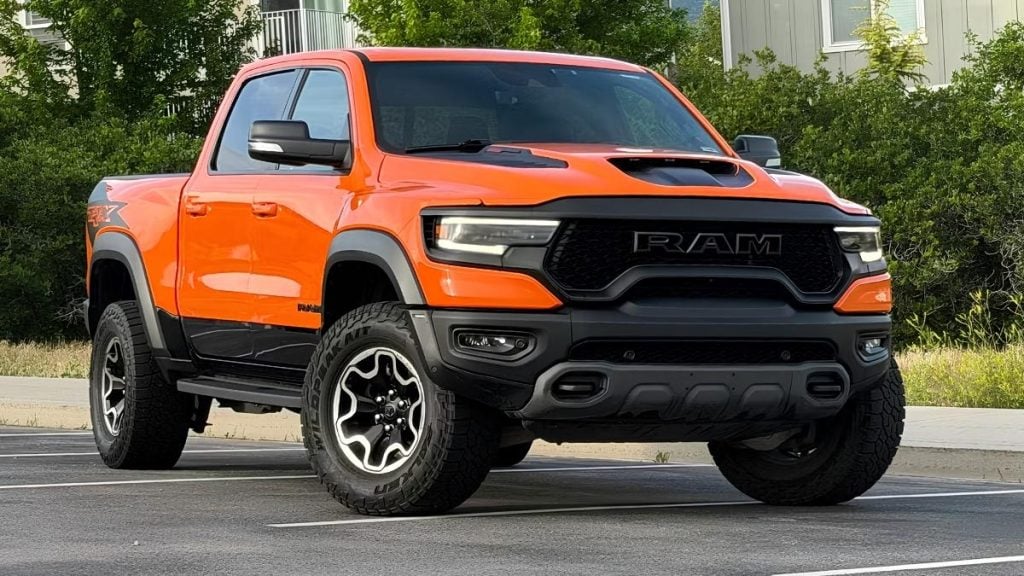
- Getting around: A car is essential as Utah’s highlights are spread across a large, mostly rural state. Browse Turo in Salt Lake City and find the ideal vehicle to suit your trip.
- Best time to visit: Spring (March–May) and fall (September–October) offer the most comfortable temperatures and the best conditions in the national parks. Summer is peak season — popular parks get crowded, and the heat in the southern desert is intense. Winter offers solitude and snow-dusted canyon scenery, but some roads and park facilities close seasonally
- Key planning notes:
- The America the Beautiful Pass ($80/year) covers entry to all five national parks and pays for itself on almost any Utah parks trip
- Popular parks require planning during peak season. Arches may require timed-entry vehicle reservations during parts of the year, while permits are required for certain activities, such as Angels Landing in Zion. Check official park websites and recreation.gov before your trip.
- Cell service is unreliable across large portions of rural Utah, so download offline maps before departing any major town
- Flash flood risk in slot canyons is real and sudden. Be sure to always check forecasts before entering any narrow canyon
The Mighty Five national parks
Utah’s five national parks are collectively known as the Mighty Five, but there’s nothing collective about their personalities. Each delivers a completely different landscape, from towering canyon walls and delicate sandstone arches to river-carved wilderness and folded desert geology. Together, they form one of the world’s great road-tripping routes and some of the most incredible things to see in Utah. Buckle up for an exciting adventure!
Zion National Park
Carved over millions of years by the Virgin River, Zion is a dramatic landscape of soaring sandstone walls, emerald hanging gardens, and canyon corridors. It’s also one of the most accessible national parks in the country, offering everything from gentle riverside walks to challenging cliff-edge adventures from a single base.
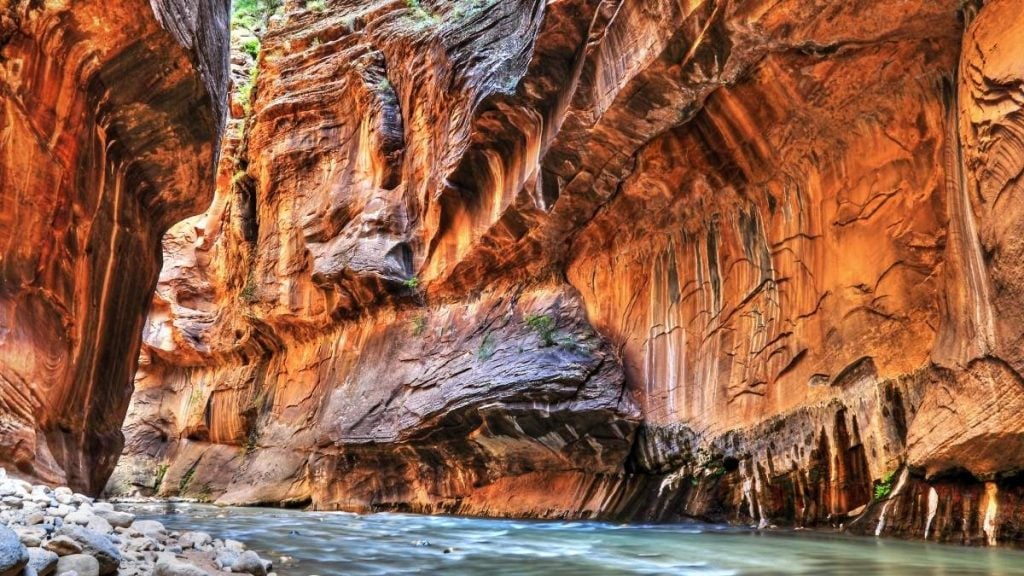
Among the park’s signature experiences is The Narrows, where hikers wade directly through the Virgin River beneath canyon walls that narrow to only a few dozen feet across in places. Equally legendary is Angels Landing, a permit-only trail featuring chain-assisted sections and panoramic views over Zion Canyon. For a slower-paced introduction, ride the free shuttle along the Zion Canyon Scenic Drive or venture into the quieter Kolob Canyons section, where crimson cliffs and peaceful trails offer a welcome break from the crowds.
Just outside the main canyon, the Zion-Mt. Carmel Highway ranks among the finest scenic drives in the American West. The route winds through a mile-long tunnel before emerging onto a high-desert plateau. It feels like stepping into an entirely different world. And arriving before 8 am — or visiting during spring or fall— often transforms the experience from bustling to blissfully serene.
Bryce Canyon National Park
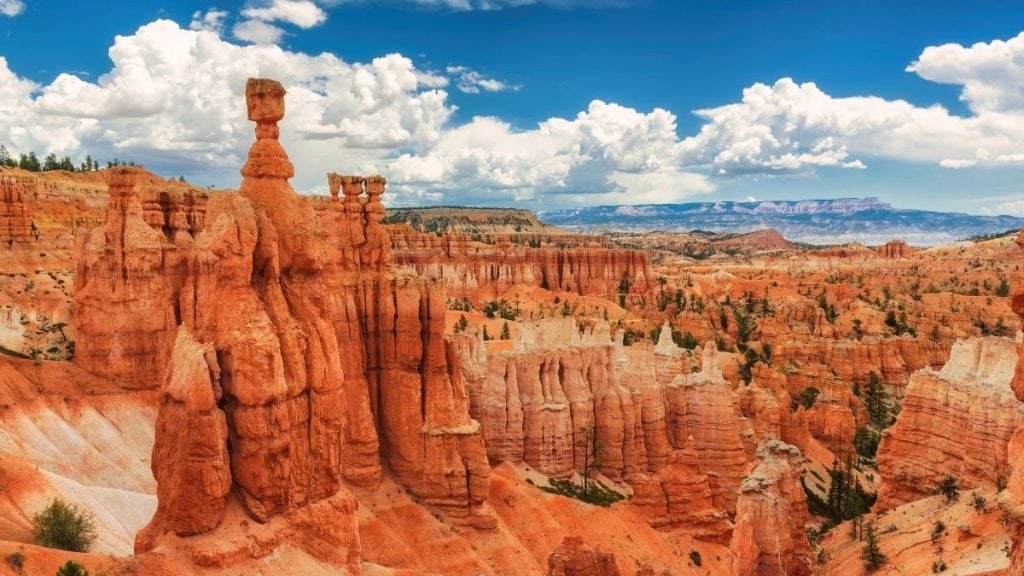
Bryce Canyon National Park feels like a natural sculpture gallery. Instead of a traditional canyon, Bryce is a series of vast amphitheaters packed with thousands of slender rock spires (aka hoodoos).
Walking along the rim at sunrise is one of those feel-good travel moments that exceeds expectations. As morning light spills across the formations, shadows shift between the stone pillars, and the entire valley glows with warm color — magical.
For hikers, the combination of the Navajo Loop and Queen’s Garden Trail provides one of the finest short hikes in the national park system. Descending among the hoodoos offers a completely different perspective from the overlooks above, with landmarks like Thor’s Hammer and the narrow switchbacks of Wall Street creating all sorts of memorable photo opportunities along the way.
Bryce is also one of America’s epic stargazing destinations. As an International Dark Sky Park sitting above 8,000 feet, it offers clear, sparkling night skies. One thing many visitors underestimate is the elevation. Even during summer, mornings and evenings can feel surprisingly cool, so pack extra layers.
Arches National Park
Few places embody Utah quite like Arches National Park. Home to more than 2,000 natural sandstone arches, this seriously spectacular park contains some of the state’s most recognizable landmarks.
The undisputed icon is Delicate Arch, featured on Utah license plates and photographed by visitors from around the world. Reaching it requires a three-mile round-trip hike across open slickrock, but the payoff is extraordinary. As the arch comes into view around the final bend, framed against distant mountains and endless desert, it’s easy to understand why it has become a bucket-list destination.
Elsewhere in the park, Landscape Arch spans a length longer than any other natural arch in North America, while the Windows Section features multiple impressive rock formations in an easily accessible area. Summer conditions can be intense, with temperatures regularly exceeding 100°F. Starting hikes early, carrying plenty of water, and planning around the heat are major essentials.
Located just outside Moab, Arches combines perfectly with nearby Canyonlands National Park and Dead Horse Point State Park.

Canyonlands National Park
This sprawling wilderness of mesas, buttes, and deep river canyons was carved by the Colorado and Green Rivers — a landscape that feels wonderfully untamed.
The most accessible part is Island in the Sky, where a network of overlooks delivers jaw-dropping views with relatively little effort. Among them, Mesa Arch at sunrise is one of the Southwest’s defining photography locations. As first light floods through the arch and illuminates the canyon below, the scene takes on an almost surreal quality (a must-see).
Even though it’s just 30 minutes from Arches, Canyonlands receives far fewer visitors. The result is a quieter, wilder experience where vast views stretch uninterrupted toward the horizon. Note that the park’s three districts — Island in the Sky, The Needles, and The Maze — are not connected internally by roads. Choosing the right section ahead of time will help maximize your visit.

Capitol Reef National Park
Centered around the Waterpocket Fold, a nearly 100-mile wrinkle in the earth’s crust, Capitol Reef National Park showcases some of the state’s most fascinating geology without the hefty crowds found elsewhere. The scenic drive through Capitol Reef reveals layers of red, cream, and gold sandstone rising above historic orchards planted by early settlers.
For those willing to venture farther afield, Cathedral Valley is one of Utah’s most remarkable hidden gems. Reached via a remote dirt road through the park’s northern section, this landscape is home to the towering Temples of the Sun and Moon, enormous sandstone monoliths standing alone on the desert floor.

Beyond the parks: Utah’s hidden gems
Utah’s national parks may dominate postcards and travel wish lists, but they’re only the beginning. Beyond the famous parks lies a landscape filled with lesser-known valleys, sandstone sanctuaries, mountain towns, and remote backroads just waiting to be explored.
Goblin Valley State Park
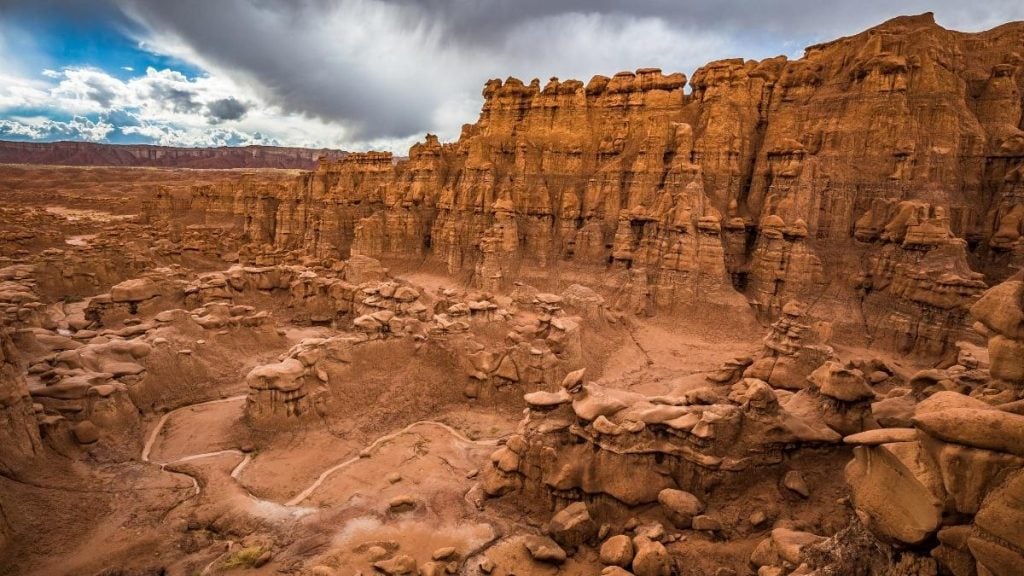
Picture thousands of mushroom-shaped sandstone formations, known locally as goblins, scattered across the desert floor in every direction. Unlike many protected areas, visitors are encouraged to wander freely among the formations — a more hands-on experience than many traditional parks.
Located roughly two hours from Moab in Emery County, Goblin Valley pairs perfectly with visits to Capitol Reef or Canyonlands — and Little Wild Horse Canyon is nearby too.
Monument Valley Navajo Tribal Park
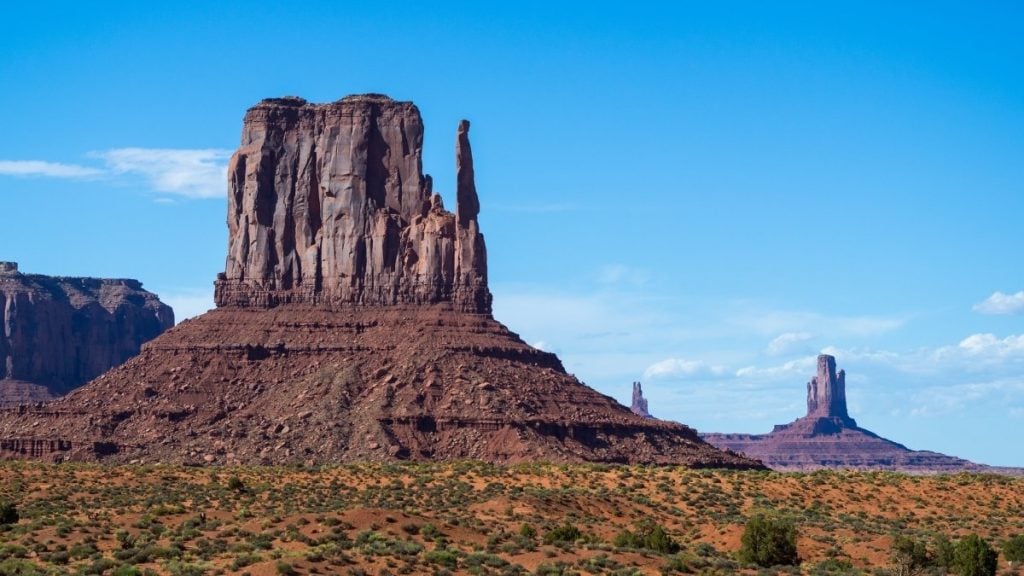
Some landscapes are instantly recognizable, and Monument Valley is among the most iconic in the world. Rising from the desert floor near the Utah-Arizona border, it’s shaped countless images of the American West.
The park’s 17-mile scenic drive loops through a remarkable collection of formations, including the famous Mittens and Merrick Butte, delivering dramatic desert vistas around almost every bend. Whether you’ve seen Monument Valley in films, advertisements, or photographs, experiencing it in person is something entirely different.
Unlike Utah’s national parks, Monument Valley is managed by the Navajo Nation. Entry fees are separate from the America the Beautiful Pass, and guided Navajo-led tours provide access to culturally significant areas unavailable to self-driving visitors.
Scenic Byway 12
If you’re searching for a scenic drive that captures the essence of southern Utah, Scenic Byway 12 is ideal. Stretching 124 miles between Bryce Canyon National Park and Capitol Reef National Park, the route winds through some of the state’s most varied and visually striking terrain.
One moment you’re cruising beneath pine-covered peaks, the next you’re crossing narrow ridges with steep canyon drops on both sides. You’ll pass through the rugged landscapes of Grand Staircase-Escalante National Monument, explore ancient slot canyons, and encounter shades of red, gold, and cream-colored rock.
The small town of Boulder serves as a natural stopping point and gateway to nearby adventures, including the famous Hell’s Backbone Road and countless hiking trails hidden within the surrounding wilderness.

Tip from the author: Download offline maps before departure; cell service is minimal to nonexistent for most of the route.
Dead Horse Point State Park
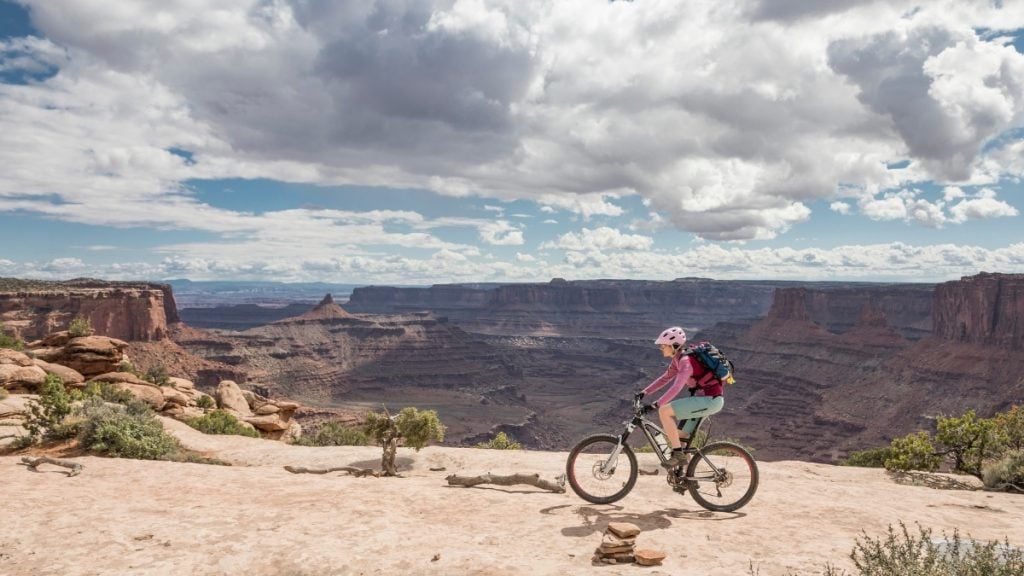
Perched 2,000 feet above the Colorado River, Dead Horse Point State Park delivers one of Utah’s most dramatic viewpoints. The sweeping horseshoe bend below creates a panorama so striking that many visitors rank it alongside views from the Grand Canyon.
Located just outside Moab, it’s an easy addition to an Arches National Park or Canyonlands itinerary. Sunset is particularly gorgeous, as golden light sweeps across the canyon walls for a peaceful moment of awe.
Antelope Island State Park and the Great Salt Lake
One of Utah’s standout wildlife experiences sits less than an hour from Salt Lake City. Antelope Island State Park occupies a large island within the Great Salt Lake and provides a major contrast to the state’s desert landscapes.
The island supports a herd of several hundred bison, along with pronghorn antelope, coyotes, and abundant birdlife. Hiking trails traverse rolling hills and shoreline scenery, while the western beaches allow you to float effortlessly in the highly saline waters of the Great Salt Lake.
For travelers beginning or ending a Utah road trip in Salt Lake City, Antelope Island offers an easy half-day escape packed with scenery and wildlife, perfect for all ages.


Park City
Originally a silver mining town, Park City has evolved into one of the country’s premier outdoor recreation destinations. Winter brings skiers and snowboarders to Park City Mountain and Deer Valley (with a rental car with enough room for your gear), while summer transforms the surrounding slopes into a network of hiking and mountain biking trails.
Historic Main Street remains the heart of town, lined with galleries, restaurants, boutique shops, and beautifully preserved buildings that reflect Park City’s colorful past.
Slot canyons of southern Utah
Southern Utah contains one of the highest concentrations of slot canyons anywhere in the world. These narrow sandstone corridors twist and curve through the landscape, creating displays of light, color, and texture.
For more accessible adventures, Little Wild Horse Canyon near Goblin Valley and Willis Creek near Bryce Canyon offer beautiful slot canyon scenery. Near Zion, Kanarra Falls combines towering canyon walls with ladders, waterfalls, and creek crossings.
Tip from the author: Never enter a slot canyon if rain is in the forecast within the surrounding area. Flash floods can develop rapidly and without warning.
Utah’s greatest scenic drives
Some of Utah’s finest experiences happen through the windshield, where every bend reveals another epic landscape.
- Scenic Byway 12 — One of America’s defining road trips, linking Bryce Canyon, Grand Staircase-Escalante, and Capitol Reef through a constantly changing landscape.
- Zion-Mt. Carmel Highway (SR-9) — A short but spectacular route featuring the famous tunnel, sandstone domes, and elevated desert scenery.
- Burr Trail Road — A remote route stretching from Boulder toward Capitol Reef through canyon country, slickrock scenery, and some of southern Utah’s most secluded landscapes.
- Monument Valley Scenic Drive — A 17-mile journey through towering sandstone buttes and legendary Western scenery.
- Capitol Reef Scenic Drive — An easy introduction to the Waterpocket Fold with geology pullouts, canyon vistas, and colorful rock formations.
- Mirror Lake Scenic Byway (UT-150) — A high-alpine drive through the Uinta Mountains featuring forests, lakes, wildflowers, and mountain views that feel worlds away from the desert.
Utah by interest
For national park visitors
If your goal is to experience Utah’s legendary parks, these should sit at the top of your itinerary:
- The Mighty Five loop (Zion → Bryce Canyon → Capitol Reef → Canyonlands → Arches) — allow at least 7–10 days.
- Purchase the America the Beautiful Pass at your first national park entrance.
- Reserve permits and timed-entry requirements months in advance for peak-season travel.
For hikers and adventure seekers
Utah’s varied terrain creates opportunities for every level of outdoor enthusiast.
- Angels Landing, Zion (permit required) — chains, exposure, and extraordinary views
- The Narrows, Zion — wading through the Virgin River slot canyon
- Delicate Arch, Arches — the iconic sunset hike
- Calf Creek Falls, Grand Staircase-Escalante — 126-foot waterfall in canyon country
- Little Wild Horse Canyon, Goblin Valley — accessible slot canyon; good for beginners
For road trippers and scenic drive lovers
Utah feels tailor-made for a road trip.
- Scenic Byway 12 (Bryce Canyon to Capitol Reef) — one of the most beautiful roads in the US
- The full southern Utah loop (Zion → Bryce → Capitol Reef → Canyonlands → Arches → Moab)
- Monument Valley Scenic Drive — 17 miles through the most iconic landscape in the American West
- Burr Trail Road — remote, dramatic, and unforgettable
For families
Many of Utah’s attractions work wonderfully for travelers with children.
- Goblin Valley State Park — kids can wander freely among the hoodoos; Little Wild Horse Canyon is accessible and exciting
- Bryce Canyon — the Navajo Loop trail and Queen’s Garden are manageable for most children; the hoodoos are endlessly fascinating
- Antelope Island — bison herds, floating in the Great Salt Lake, and easy beach walks
- Arches — the Windows Section and Balanced Rock are short, easy, and visually spectacular
For photography
Photographers could spend months exploring Utah and still leave with a growing shot list.
- Delicate Arch at sunrise (arrive pre-dawn; the hike takes 45 minutes)
- Dead Horse Point at sunset — the Colorado River horseshoe bend in golden light
- Bryce Canyon at first light — the hoodoos glow red-orange before the sun gets high
- Monument Valley at dawn — the Mittens with long shadows and warm light
- Slot canyons at midday — the light beams through narrow canyon walls at their most dramatic
Frequently asked questions
How many national parks are in Utah?
Utah has five national parks: Zion National Park, Bryce Canyon National Park, Capitol Reef National Park, Canyonlands National Park, and Arches National Park. Together, they’re known as the Mighty Five and form one of the country’s great road-trip routes.
How many days do you need in Utah?
A well-paced itinerary across Utah covering all five parks typically requires 7–10 days. Adding destinations such as Monument Valley, Scenic Byway 12, Goblin Valley, Lake Powell, and Moab often extends the ideal trip to 10–14 days. Shorter trips can focus on one region — southern Utah (Zion/Bryce/Capitol Reef) or the Moab area (Arches/Canyonlands/Dead Horse Point).
When is the best time to visit Utah?
Spring and fall generally offer the most comfortable conditions for hiking, scenic drives, and sightseeing in Utah. Summer brings larger crowds and intense desert heat, while winter offers quieter parks and beautiful snow-dusted scenery.
Do I need a car to explore Utah?
Yes, you need a car to explore — Utah’s standout attractions are spread across a vast area, and many trailheads, overlooks, hidden gems, and scenic drives are inaccessible without a vehicle. Having a rental car provides the flexibility needed to fully experience the state.
Is the America the Beautiful Pass worth it in Utah?
For most visitors, absolutely. At $80 annually, the pass covers entry to all national parks and numerous other federally managed recreation areas. It pays for itself after only a few park visits.
Explore Utah by car with Turo
Utah is one of those destinations that consistently exceeds expectations. Photographs hint at the scale of the canyons and the beauty of the rock formations, but they don’t capture the feeling of standing beneath Delicate Arch, watching sunrise spill across Bryce Canyon, or wandering through a silent slot canyon deep in southern Utah. You simply have to experience it yourself.
Whether you’re planning a national park adventure, a Monument Valley road trip, a journey along Burr Trail Road, or a search for hidden gems beyond the guidebooks, having the right vehicle makes all the difference. Browse vehicles in Salt Lake City and start planning your Utah adventure today.

Share your car, earn extra cash
Cover your car payments or earn some extra cash by sharing your car whenever you’re not using it.
Get startedHit the road
Browse thousands of cars for every occasion and budget near you, or wherever you’re going.
Browse cars
Sian Henderson
Sian Henderson is both a cosied-up travel content writer and an avid outdoor traveller. She’s road-tripped around New Zealand, navigated the bustling streets of Vietnam, and sunbaked on the shores of Hawaii and beyond. With a love of getting behind the wheel and taking the scenic route, she brings a firsthand traveller’s perspective to road-trip content. For Turo, Sian has written travel blogs and destination guides spanning road trips, city escapes and destinations across Australia, the US, UK and Canada. She’s also worked across hundreds of pieces of Turo content, giving her a keen eye for what makes a great trip! From finding the right car for the journey to uncovering the best places to stop, snack, and take in the view, Sian has many great tips to keep you on track.