
by Molly Isaac
posted on April 9, 2026
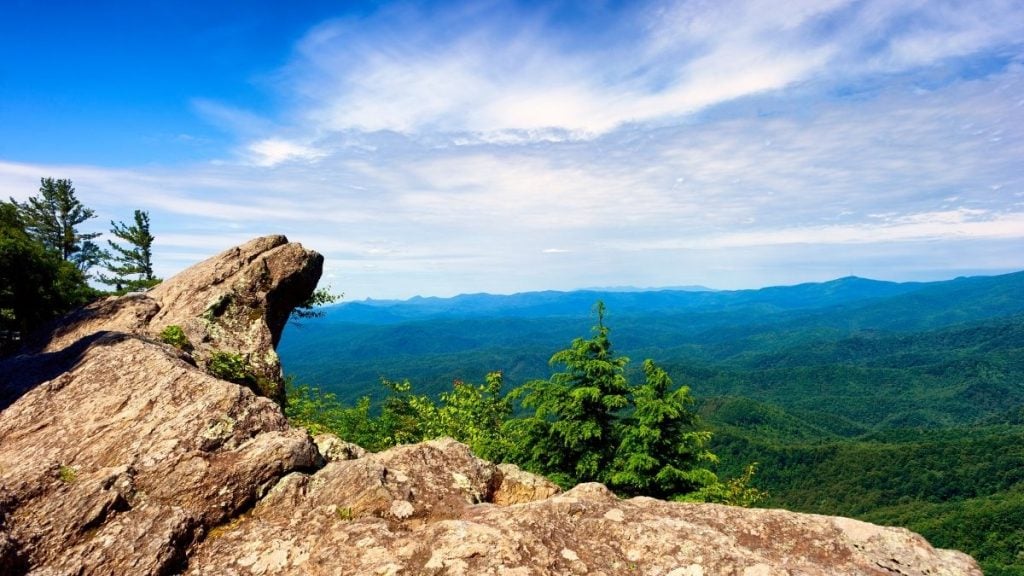
A Blue Ridge Parkway road trip is 469 miles of mountain driving through the ancient Appalachian Mountains, and it’s earned the nickname “America’s Favorite Drive” for good reason. Stretching from Shenandoah National Park to Great Smoky Mountains National Park, it connects two of the nation’s most loved national parks.
Discover lookouts with layered mountain views, scenic trails through dense forest, and small towns tucked into the hills that appear around each bend. With a 45 mph speed limit designed to keep you present, it’s a slow, deeply rewarding road trip for anyone willing to trade speed for scenery.
At a glance: Blue Ridge Parkway road trip
- Total length: 469 miles through Virginia and North Carolina
- North end: Rockfish Gap, near Waynesboro, Virginia (where Skyline Drive ends and the Parkway begins)
- South end: Cherokee, North Carolina, at the entrance to Great Smoky Mountains National Park
- Speed limit: 45 mph maximum (slower in some sections) — this road is designed for slow travel
- Entry fee: No entry fee for the Blue Ridge Parkway itself. Note: Shenandoah National Park (north end) charges an entrance fee, while Great Smoky Mountains National Park (south end) is free to enter but requires a parking tag if you stop. Check current details before you go.
- Gas stations: None on the Parkway itself, so fuel up in nearby towns before getting on the road
- Recommended trip length: 5–7 days for the full route at a comfortable pace; a full week allows time to explore both national parks at either end
- Best time to go: Fall (late September–early November) for peak foliage; late spring for wildflowers and fewer crowds. Summer is busy but beautiful. Winter brings potential road closures at higher elevations — check nps.gov/blri before going
- No commercial vehicles: Cars, motorcycles, and RVs are permitted; no trucks or commercial vehicles
- Cell service: Patchy to nonexistent in many sections, be sure to download offline maps before setting off
Which direction should you drive the Blue Ridge Parkway?
There’s no right direction for the Blue Ridge Parkway drive — the scenery is just as spectacular both ways. Most guides (like this one) run north to south, from Rockfish Gap down to Cherokee and the Great Smoky Mountains National Park, as this follows the milepost system.
That said, with car rentals available across the US on Turo, starting in North Carolina and heading north works just as well — especially if you’re flying into Asheville or near the North Carolina border.
How long does it take to drive the Blue Ridge Parkway?
Driving the entire Blue Ridge Parkway takes around 10–12 hours without stops — but that completely misses the point. With a 45 mph speed limit, 272 scenic overlooks, and constant pull-offs, you’ll cover far less ground each day than expected.
At a minimum, allow 3 days, though it will feel rushed. Around 5 days is a more comfortable pace for the entire length, with time for key stops so you can enjoy the journey.
Ideally, give yourself 7 days to explore properly, including hikes, mountain towns, and time in Shenandoah National Park and Great Smoky Mountains National Park.
Your Blue Ridge Parkway road trip itinerary
Follow this guide to make your Blue Ridge Parkway road trip easy, with milepost (MP) numbers included as a light reference along the way.
The Virginia stretch: Rockfish Gap to Roanoke (MP 0–121)
The Blue Ridge Parkway begins at Rockfish Gap, where Skyline Drive winds along a high ridgeline through Shenandoah National Park — dense forest, sweeping mountain views, and long, open overlooks — before continuing into the blue-hazed Appalachian Mountains. If you have time, continue north for another 105 miles of elevated, scenic driving.
This first stretch eases you in with gentle curves, rolling hills, and constant viewpoints. Humpback Rocks offers a short but steep climb to wide, panoramic views (MP 5.8), while Yankee Horse Ridge is an easy stop with a small waterfall and traces of a historic logging railroad (MP 34.4).
At the James River (MP 63.7), the Parkway dips to its lowest point with a quiet, open stretch that feels noticeably calmer. Then comes Peaks of Otter (MP 86), with its still lake, surrounding peaks, and access to Sharp Top Mountain (MP 85.8) for some of the best views on this section.
The stretch ends near Roanoke, a lively and worthwhile overnight stop.
- Don’t miss: Humpback Rocks, Yankee Horse Ridge, James River, Peaks of Otter, Sharp Top Mountain
- Where to stay (Roanoke):
- $ Best Western Plus Inn at Valley View
- $$ Holiday Inn Express & Suites Roanoke – Civic Center
- $$$ The Hotel Roanoke & Conference Center, Curio Collection by Hilton
The Virginia–North Carolina crossover: Roanoke to the state line (MP 121–216)
Leaving Roanoke, the Parkway slips into one of its quietest, most atmospheric stretches — fewer crowds, deeper forest, and long, uninterrupted views across the Roanoke Valley.
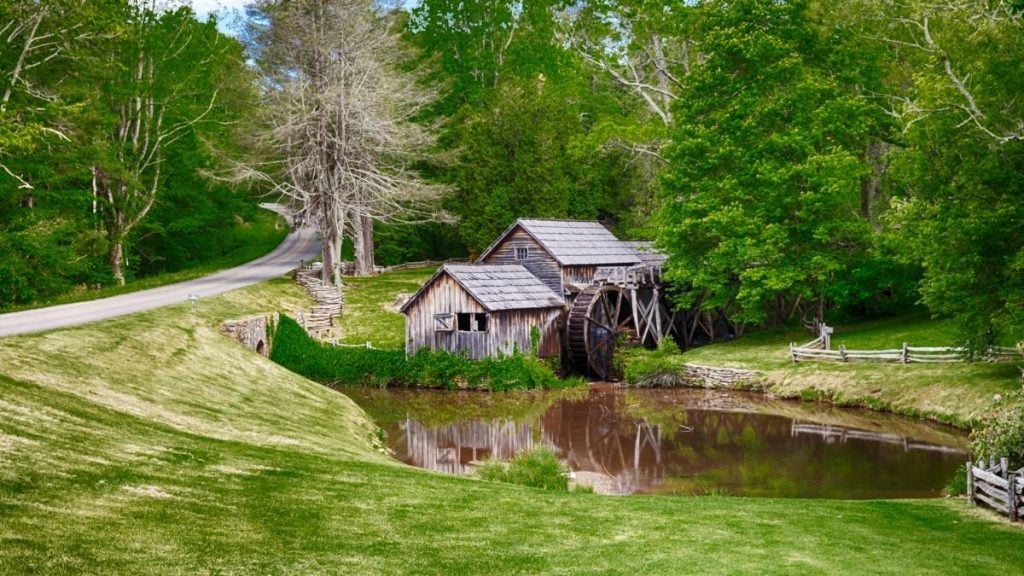
Rocky Knob is an early highlight, with rocky outcrops, short trails, and overarching views of Rock Castle Gorge below (MP 167). Then comes Mabry Mill (MP 176), where a still pond reflects a 1908 grist mill and working blacksmith shop, often with live mountain music nearby.
Further south, Fancy Gap (MP 199) is a useful place to refuel before continuing on. Near the state line, the Blue Ridge Music Center brings the region’s Appalachian arts to life, with open-air performances and free daytime live music in summer (MP 213).
It’s a slower, more rural stretch — and one of the most rewarding if you take your time.
- Don’t miss: Rocky Knob, Mabry Mill, Fancy Gap, Blue Ridge Music Center
- Where to stay:
- $ Super 8 by Wyndham Christiansburg
- $$ Hotel Floyd
- $$$ Primland Resort
Tip from the author: Weekend visits to Mabry Mill often include live mountain music performances and craft demonstrations. If your timing aligns, don’t rush past.
The North Carolina mountains: Blowing Rock to Asheville (MP 216–382)
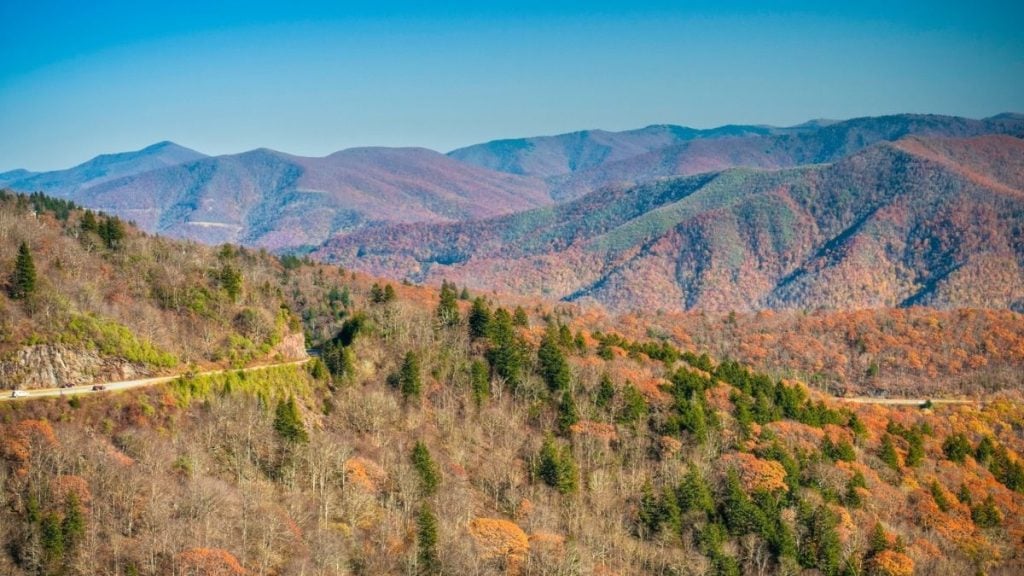
Crossing into North Carolina, the drive sharpens — higher elevations, steeper slopes, and some of the most dramatic scenery. Cumberland Knob (MP 217) is a gentle first stop for trails and picnics — but it doesn’t stay that way for long.
At 4,000 feet above sea level, Blowing Rock presents extraordinary views high above the gorge, while its nearby town offers a lively, charming Main Street you have to visit (around MP 291).
Just beyond, Grandfather Mountain rises sharply — home to the Mile-High Swinging Bridge — while the Linn Cove Viaduct (MP 304) curves along its rugged face, one of the most iconic sections of the drive.
Further south, the spectacular Linville Falls (MP 316) is a must-stop, with short trails leading to multiple viewpoints. Little Switzerland (MP 334) offers a quieter pause before the road climbs again to Craggy Gardens, known for its panoramic views and bursts of pink-purple rhododendron in early summer.
The stretch ends in Asheville (MP 382), which is the Parkway’s most vibrant stop, with a world-class food scene, craft breweries, and a strong Appalachian arts and live music culture.
- Don’t miss: Cumberland Knob, Blowing Rock, Grandfather Mountain, Linn Cove Viaduct, Linville Falls, Little Switzerland, Craggy Gardens, Asheville
- Where to stay (Asheville):
- $ Downtown Inn & Suites
- $$ Kimpton Hotel Arras
- $$$ The Omni Grove Park Inn
The southern end: Asheville to Great Smoky Mountains (MP 382–469)
South of Asheville, the drive feels wilder — higher, quieter, and more rugged as it moves into the southern Appalachians. A short detour leads to Mount Mitchell (MP 355 via NC-128), the highest point east of the Mississippi, with cool air and far-reaching summit views.
Back on the route, the road opens onto long views across the French Broad River valley before climbing again. The overlook of Waterrock Knob (MP 451) is one of the final highlights, known for its 360-degree views and especially popular at sunset.
The Parkway ends at Cherokee (MP 469), gateway to the Great Smoky Mountains National Park. This area is home to the Eastern Band of Cherokee Indians, with a deep cultural history worth exploring.
From here, Newfound Gap Road continues the journey through misty ridgelines and forested mountain passes deep through the heart of the Smokies.
- Don’t miss: Mount Mitchell, French Broad River valley, Waterrock Knob, Cherokee
- Where to stay (Cherokee / Bryson City area):
- $ Microtel Inn & Suites by Wyndham Cherokee
- $$ Stonebrook Lodge
- $$$ Old Edwards Inn and Spa
Must-see stops on the Blue Ridge Parkway
With 272 scenic overlooks and dozens of trailheads, visitor centers, and historic sites, narrowing down the Blue Ridge Parkway’s highlights is no small task — these are the stops that consistently stand out.
Mabry Mill (MP 176)
Mabry Mill is a perfectly preserved 1908 historic grist mill and blacksmith shop set beside a glassy pond and open meadows. It offers a clear glimpse into traditional Appalachian life.
A short walk loops around the mill, with Appalachian crafts, demonstrations, and access inside the buildings. On weekends in warmer months, there’s often live mountain music — part of what makes this site feel so alive.
Linn Cove Viaduct (MP 304)
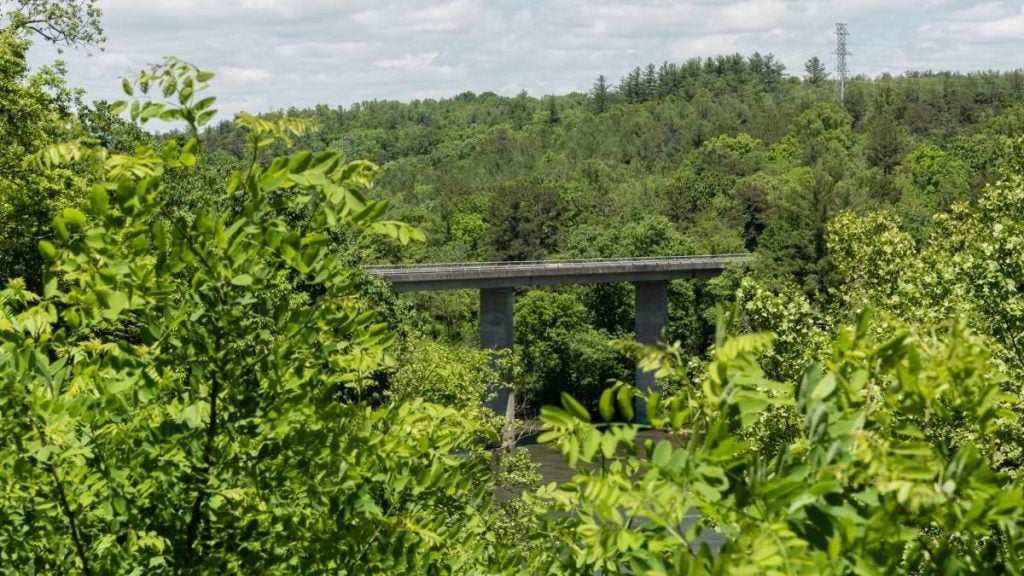
Linn Cove Viaduct curves seamlessly along the rugged face of Grandfather Mountain, appearing to float above the rocky slope. This sweeping arc is one of the most distinctive sections of the drive.
A short trail beneath the structure offers the clearest view — and shows exactly why it’s considered a true engineering landmark.

Craggy Gardens (MP 364)
Craggy Gardens comes alive in June, when rhododendrons and mountain laurels spread across the ridgeline in soft pink and white. Short hiking trails wind through the landscape, opening onto expansive views on clear days. A nearby picnic area makes it an easy place to slow down and stay awhile.

Blue Ridge Music Center (MP 213)
Blue Ridge Music Center highlights the region’s bluegrass and old-time traditions through live music and storytelling.
Free midday performances run in summer, alongside the Roots of American Music exhibit inside. It’s a simple but meaningful stop, with a gift shop showcasing Appalachian crafts.
Blowing Rock town (near MP 291)
Blowing Rock centers around a walkable Main Street filled with independent shops, local restaurants, and craft breweries.
With easy access to nearby hiking trails, it balances convenience and atmosphere — one of the most appealing mountain towns to stay overnight on the route.
Tips for driving the Blue Ridge Parkway
The Blue Ridge Parkway is easy to drive, but a few practical tips make all the difference.
- There are no gas stations on the Parkway: This catches many visitors off guard. Fuel up before getting on the road and plan your exits for fuel using a map of nearby towns.
- Navigate by milepost: The Parkway uses a milepost system (MP 0 at Rockfish Gap to MP 469 at Cherokee) rather than street addresses. Download the NPS Blue Ridge Parkway app or a paper map — cell service is unreliable in many sections.
- The 45 mph speed limit is the point: The Parkway is designed for slow, attentive driving. Budget far more time per day than the mileage suggests.
- Fall is spectacular — and busy: Peak foliage (late September–early November) is the most popular time for park visitors. Book accommodations well in advance and expect company at the most popular overlooks.
- Some sections close in winter: Higher elevation sections can close due to ice and snow — always check nps.gov/blri for current road conditions before setting off in winter or early spring.
- Picnic lunch: There are picnic areas at most major stops with stunning views — eat next to a mountain rather than rushing off the Parkway to find a restaurant.
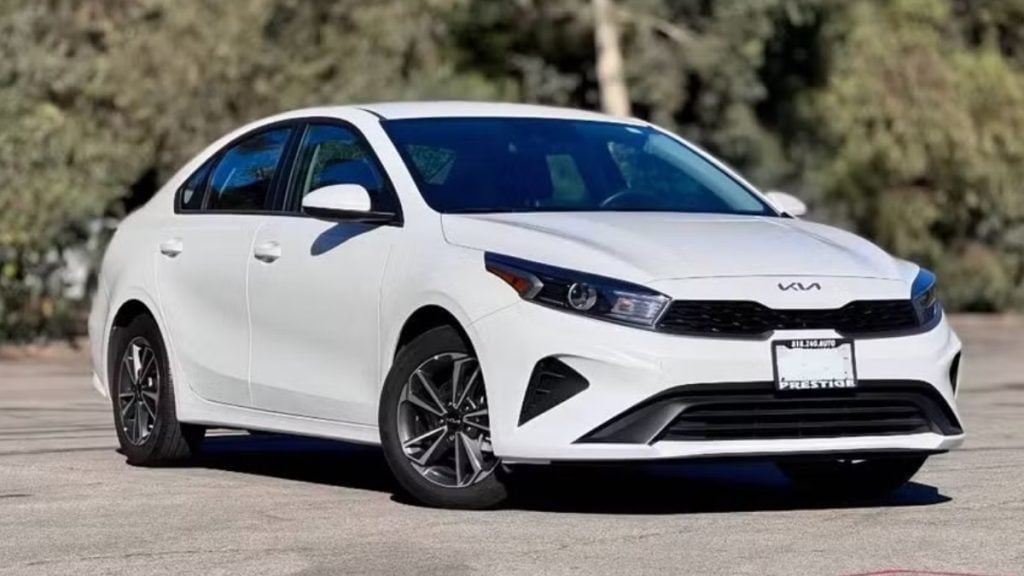
- Pick the right car: The Parkway is paved but winding — a comfortable, reliable car is ideal. RVs are permitted, but the curves can be challenging in larger vehicles. Renting through Turo gives you the flexibility to choose a vehicle that suits your travel style.
Tip from the author: The best overlooks aren’t always the famous ones. Pull over whenever something catches your eye — some of the most scenic views on the Parkway are at unnamed pullouts with no one else around.
Frequently asked questions about the Blue Ridge Parkway road trip
How long does it take to drive the Blue Ridge Parkway?
Driving the full Blue Ridge Parkway without stopping takes around 10–12 hours, but realistically, a Blue Ridge Parkway road trip is best spread over 3–5 days. With scenic overlooks, short hikes, and detours along the way, you’ll want time to actually experience it rather than rush through.
Is there an entry fee for the Blue Ridge Parkway?
There’s no entry fee for the Blue Ridge Parkway — it’s completely free to drive and is managed by the National Park Service.
What is the best time of year to drive the Blue Ridge Parkway?
The best time to drive the Blue Ridge Parkway is from late spring through fall (May to October), when the weather is mild, and all sections are typically open. Autumn (October) is especially popular for fall foliage, while spring brings wildflowers and quieter roads.
Are there gas stations on the Blue Ridge Parkway?
There are no gas stations on the Blue Ridge Parkway itself; fuel is only available in nearby towns off the route. So it’s best to fill up before entering the parkway and not let your tank get too low — especially in more remote stretches.
Which direction should I drive the Blue Ridge Parkway?
You can drive the Blue Ridge Parkway in either direction, but many people choose north to south (from Waynesboro to Cherokee). This way, the scenery gradually builds, ending in the dramatic peaks of the Great Smoky Mountains.
What is the best base town for a Blue Ridge Parkway road trip?
The best base town for a Blue Ridge Parkway road trip depends on your route, but a popular option is Asheville for its food scene and access to top viewpoints.
Can you drive the Blue Ridge Parkway in a day?
Yes, you can drive the Blue Ridge Parkway in a day, but it’s not recommended. While it’s technically possible in 10–12 hours, you’d miss most of what makes the drive special — the viewpoints, hikes, and slower pace that turn it into a true road trip.
Final word: Why the Blue Ridge Parkway road trip is worth every mile
The Blue Ridge Parkway is one of the ultimate road trips for natural beauty — a road built for wandering, where the pace slows, and the reward is around every corner. This isn’t a drive you rush through — it’s one you settle into.
From the first blush of fall color over a Virginia ridge, to a bowl of country ham in a roadside diner, or the sound of a fiddle drifting from the Blue Ridge Music Center. Every mile reveals something new. Take your time, follow the road, and see where it leads.
Explore the Blue Ridge Parkway with Turo
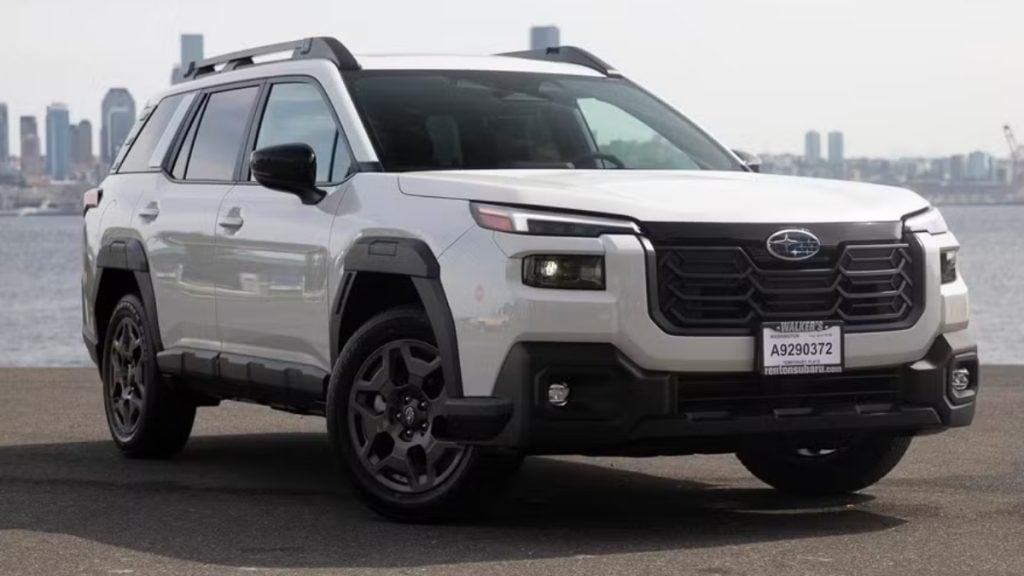
The right car makes all the difference on a winding road like the Blue Ridge Parkway — whether it’s something compact for the curves or a spacious SUV for longer stretches. Browse a range of vehicles from local hosts on Turo, and with flexible, convenient pickup across the route, including in Roanoke, Asheville, and Charlotte — start the drive your way.
Share your car, earn extra cash
Cover your car payments or earn some extra cash by sharing your car whenever you’re not using it.
Get startedHit the road
Browse thousands of cars for every occasion and budget near you, or wherever you’re going.
Browse cars
Molly Isaac
Molly Isaac is an experienced travel and automotive writer who loves the freedom of exploring new places in her own way and at her own pace. Her driving adventures have taken her through France and Italy, along Route 66, and across Australia, from its coastlines to the desert. She has a particular soft spot for Jeeps, preferably with the roof down, and for trips shaped by nature, spontaneity and a sense of adventure. For Turo, she writes practical, inspiring guides to scenic drives, family road trips and nature-filled escapes, helping travellers plan memorable journeys and choose a vehicle that feels right for the experience.