posted on June 5, 2026
Nashville — often called Music City — is synonymous with country music, but there’s far more to the city than its famous sound. When planning things to see in Nashville, you’ll quickly discover a city where live music spills from every doorway, but equally compelling layers unfold through food, neighborhood culture, art galleries, and history. From downtown Nashville to leafy green pockets and creative districts, this is a city built for wandering music lovers and curious explorers alike.
In this guide:
- Nashville: What you need to know
- The top things to see and do in Nashville
- Nashville’s best neighborhoods
- Nashville by interest
- Frequently asked questions about visiting Nashville

Nashville: What you need to know
- Location: Capital of Tennessee, in the Cumberland River valley — 4 hours from Atlanta, 3 hours from Memphis, 3 hours from Louisville
- Getting there: Nashville International Airport (BNA) has direct flights from major US cities. The city is also well-placed as a road trip hub on I-40 and I-65
- Getting around: Downtown Nashville and nearby neighborhoods are pleasantly walkable during the day, though rideshare becomes popular for late nights on Broadway and trips to the Grand Ole Opry. A car comes in handy for visiting Cheekwood, The Hermitage, and countryside escapes beyond the city limits. Browse Nashville rentals on Turo.
- Best time to visit: Spring and fall bring balmy temperatures, blooming gardens, and breezy patio weather. Summer is sizzling, spirited, and stacked with events, especially June’s CMA Music Festival, when hotel rates soar, and Broadway buzzes well past midnight.
- Don’t miss: Morning music spilling from Lower Broadway bars, Nashville hot chicken with a side of sweet tea, a show at the Ryman, and a wander through East Nashville’s mural-lined streets and mellow neighborhood cafés.
The top things to see and do in Nashville
1. Lower Broadway and the Honky Tonks
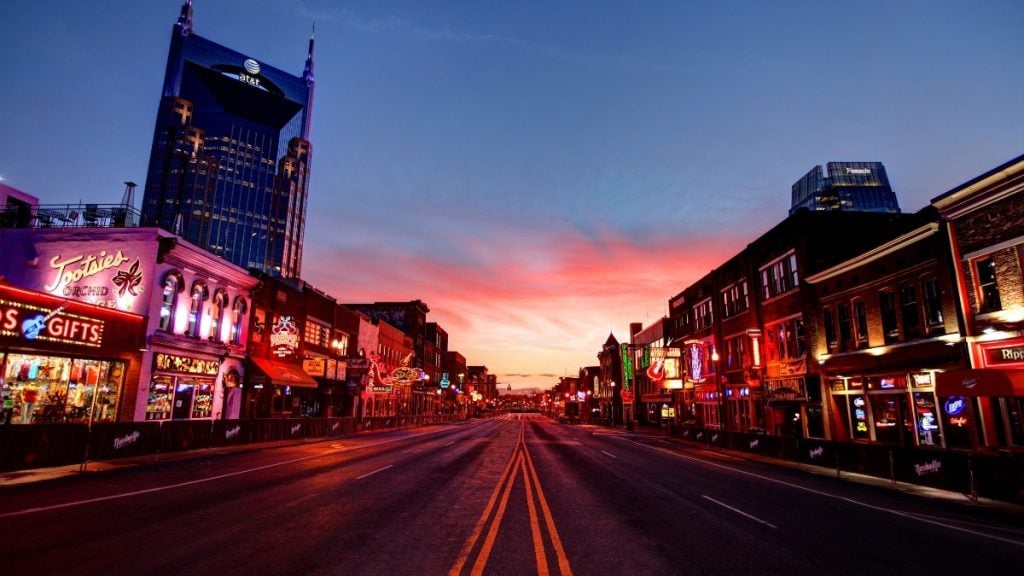
The Honky Tonk Highway is the neon-lit heart of downtown Nashville, where live music pours from multi-story venues and cover charges are rare. This is where bands play from morning until the early hours and visitors drift between bars beneath glowing signs and the sounds of country, rock, and blues.
Venues like Tootsie’s Orchid Lounge and Robert’s Western World sit among boot shops, rooftop bars, and the ever-busy rhythm of Broadway. It’s loud, lively, and unmistakably Music City — a place where songwriters who’ve written chart-toppers still perform nightly.
Even weekday afternoons feel like a festival of sound, and wandering just off Broadway reveals quieter pockets along the Cumberland River and nearby blocks like Ole Red, where the scene slightly softens.
2. Ryman Auditorium
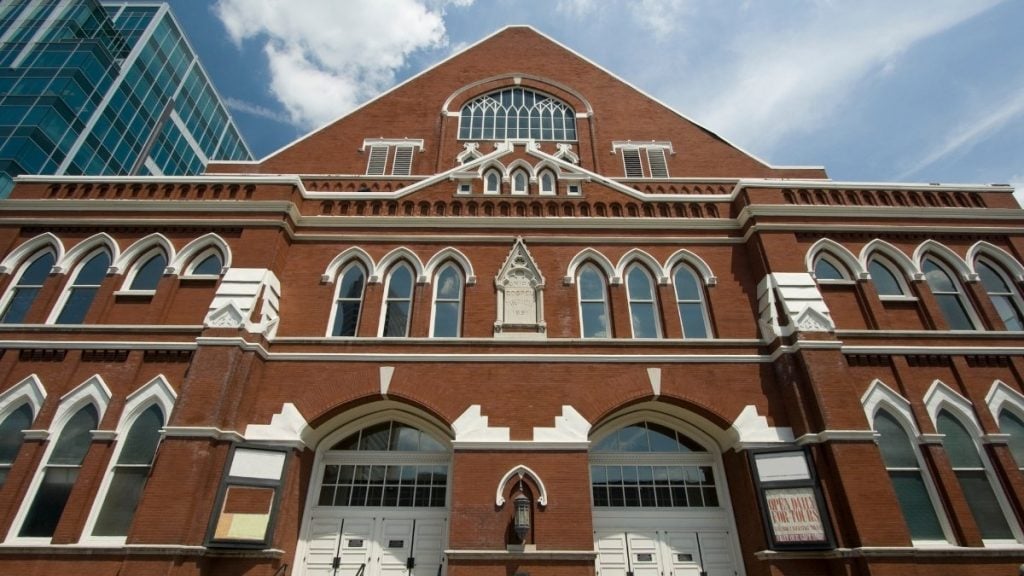
The Ryman Auditorium remains one of the most sacred spaces in American music history. Once home to the Grand Ole Opry, this legendary venue has hosted icons from Johnny Cash and Elvis Presley to Dolly Parton, shaping the sound of modern country music.
Inside, the acoustics create an almost spiritual, intimate atmosphere, where every note feels suspended in time. Daytime guided tour options offer backstage Nashville access, including the stage where generations of performers have stood.
Tip from the author: Seeing a concert here is a must-see experience! Especially if your visit Nashville dates align with the event calendar.
3. Country Music Hall of Fame and Museum
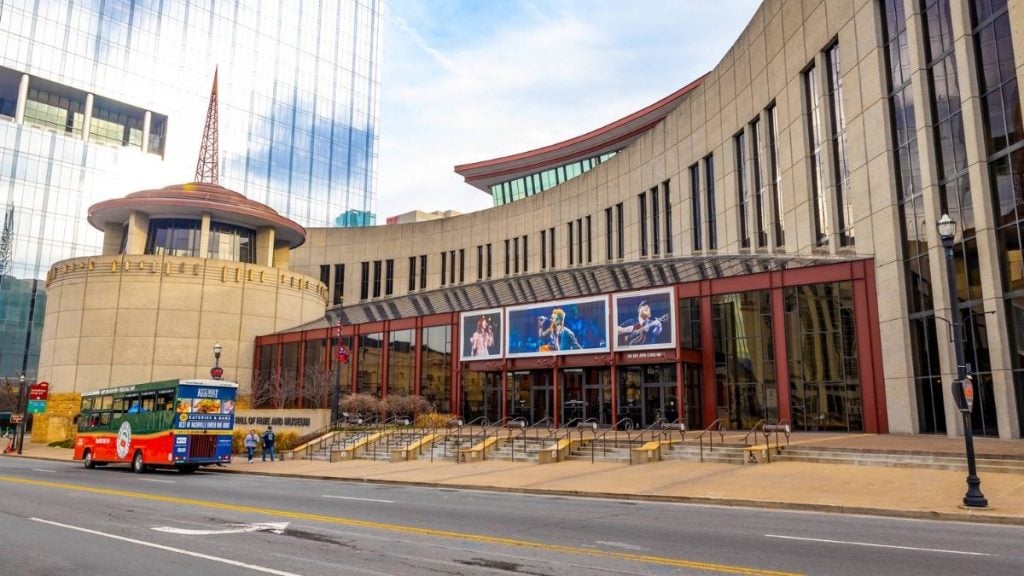
The Country Music Hall of Fame and Museum is the heart of Nashville’s musical memory. Often simply called the music hall of fame, it blends interactive exhibits, rare artifacts, and storytelling that traces the evolution of country music.
From Elvis Presley memorabilia to handwritten lyrics from legendary songwriters who’ve written timeless hits, the collection is vast and deeply immersive. The museum also connects visitors to Historic RCA Studio B, offering a glimpse into recording history that shaped global sound.
Allow time to explore fully — this is essential for music lovers, history buffs, and anyone curious about the roots of modern songwriting.
4. Grand Ole Opry
The Grand Ole Opry remains a living broadcast tradition and one of Nashville’s most iconic experiences. Located near Opryland, it showcases rising talent alongside established stars in a rotating live music format.
Unlike the Ryman, the Opry House feels larger and more theatrical, but still deeply tied to tradition. For many visitors, it’s a highlight of their visit to Nashville.
5. Johnny Cash Museum
The Johnny Cash Museum is a powerful tribute to one of America’s most influential artists. Through personal artifacts, recordings, and storytelling, it explores the life of Johnny Cash — from early struggles to global fame.
Just nearby, the Patsy Cline Museum adds further depth to Nashville’s musical narrative, making this block of downtown essential for music fans and cultural explorers.
6. Nashville hot chicken
Nashville hot chicken is a fiery local rite of passage. Crisp fried chicken arrives lacquered in cayenne-heavy spice paste, perched atop white bread with pickles, and served at heat levels ranging from punchy to volcanic.
Prince’s Hot Chicken Shack remains the original institution, while Hattie B’s Hot Chicken offers a more accessible introduction for first-time visitors.
For many visitors, trying Nashville hot chicken is as essential to understanding Nashville as hearing live music on Broadway.
7. Centennial Park and the Parthenon
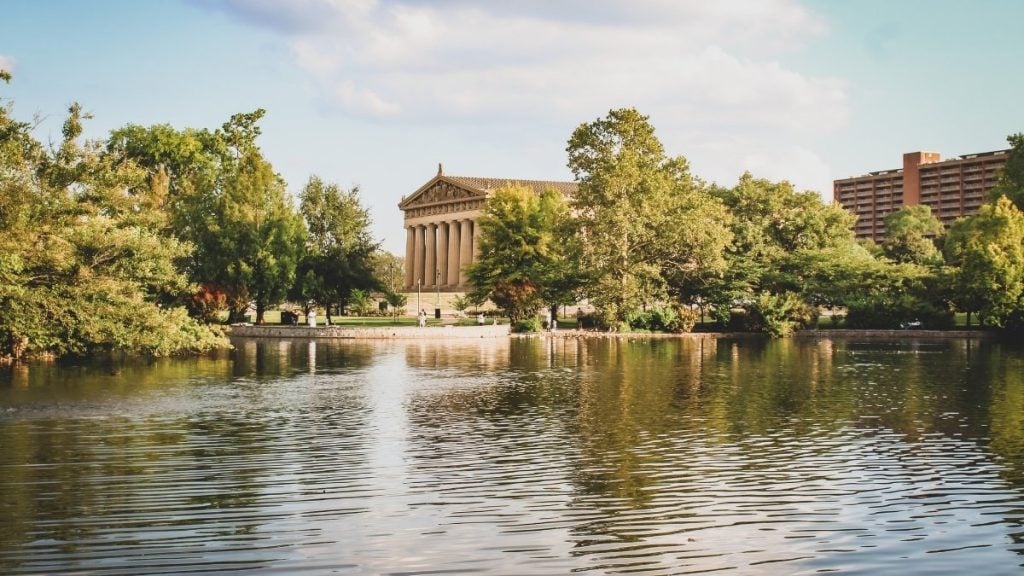
Centennial Park offers one of the city’s most peaceful green spaces, anchored by a full-scale replica of Athens’ Parthenon (rather incredible).
Inside, the museum and towering Athena statue make it one of Nashville’s most surprising landmarks. It’s a favorite for relaxed afternoons after exploring downtown Nashville. Nearby, Fannie Mae Dees Park adds another playful local green escape filled with art and color.
8. Frist Art Museum
Housed in a former post office, the Frist Art Museum rotates international exhibitions every few weeks, offering a constantly shifting cultural experience. With free admission for younger visitors, it’s a calm contrast to Broadway’s energy.
A standout for those interested in art galleries, design, and vibrant culture, it’s one of the most rewarding indoor stops in the city.
9. Cheekwood Estate and Gardens
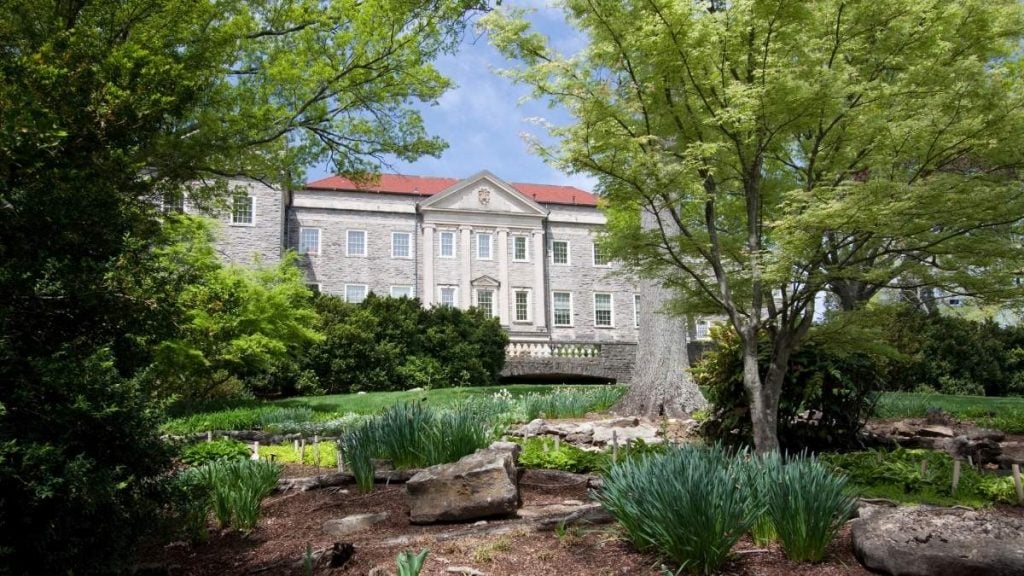
Cheekwood Estate and Gardens blends botanical gardens, sculpture trails, and historic architecture across 55 acres. Seasonal events include holiday light displays, spring blooms, and outdoor concerts.
It’s one of Nashville’s most serene escapes — a unique park where art, nature, and history overlap. Nearby countryside excursions can extend to Arrington Vineyards, offering sweeping vineyard views and relaxed tastings (especially ideal for group outings or romantic dates!).
10. Tennessee State Museum
The Tennessee State Museum is one of the most engaging free admission attractions in the city, covering everything from Civil War history to modern cultural evolution.
Located beside Bicentennial Capitol Mall State Park, it’s an easy pairing with the Nashville Farmers Market, offering local food stalls, artisan goods, and relaxed outdoor dining. A great spot overall for a day of wandering indoors and out.

Nashville’s best neighborhoods
Nashville’s neighborhoods reveal the city beyond Broadway — where vibrant culture, local rhythms, and everyday creativity thrive.
Downtown / Lower Broadway
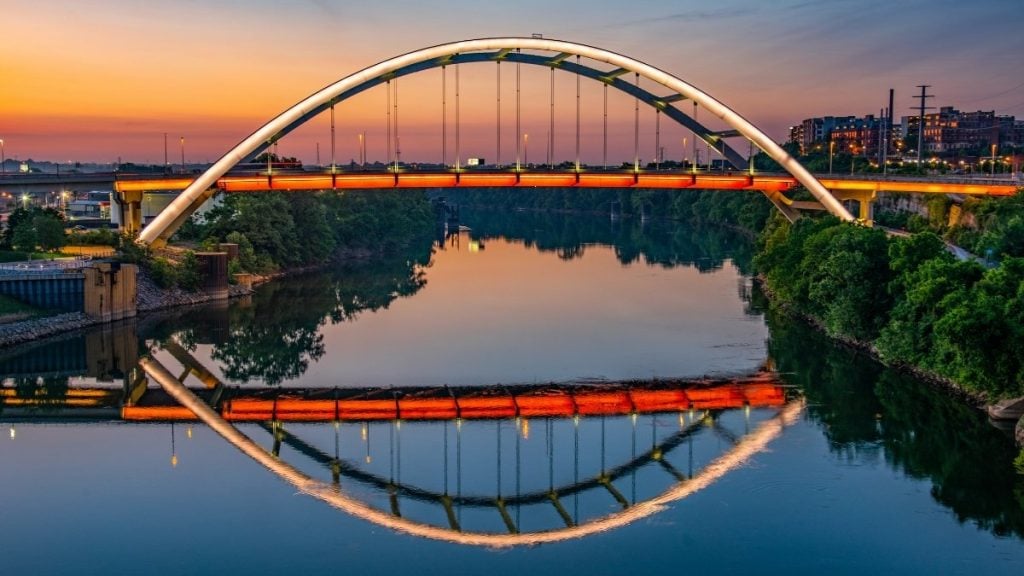
The energetic core of Music City is packed with honky tonks, major attractions, and riverfront views along the Cumberland River. Many visitors choose to stay downtown for convenience and nightlife access.
East Nashville
East Nashville is the city’s creative heartbeat, which is full of murals, independent cafés, and eclectic dining. It feels more local than tourist-heavy, with areas like Five Points offering some of the city’s most interesting art galleries and restaurants.
Germantown
Historic brick streets, refined dining, and proximity to the Nashville Farmers Market make Germantown a calm but cultured base for exploring.
12South
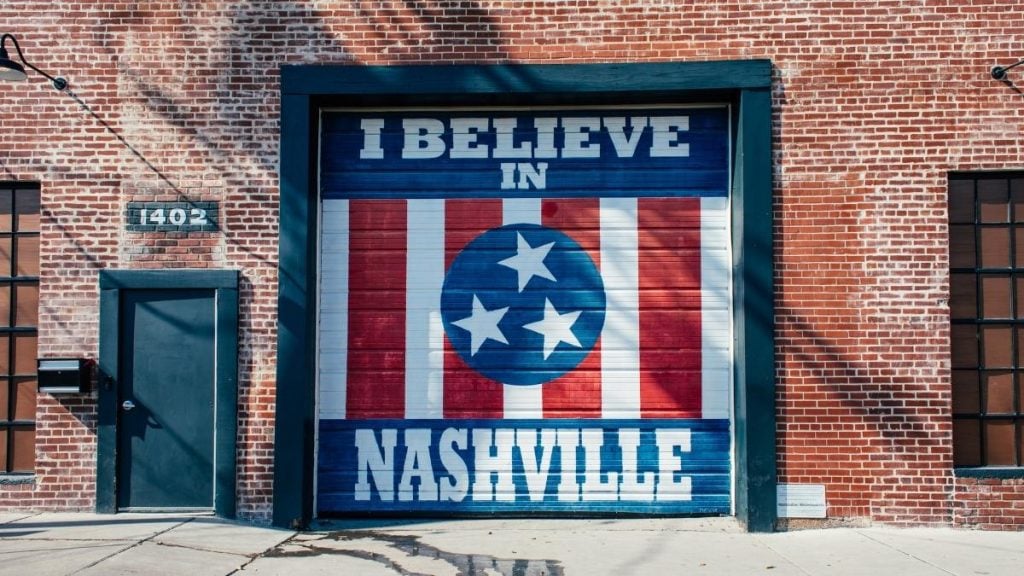
Boutique shopping, brunch cafés, and murals like the “I Believe in Nashville” wall make 12South a walkable favorite. Great for a day of casual leisure.
The Gulch
A modern district near Bridgestone Arena, known for rooftop bars, murals like “What Lifts You”, and upscale dining. Perfect for dinner before or after a Broadway evening.

Wedgewood-Houston (WeHo)
Wedgewood-Houston is Nashville’s creative frontier — home to studios, breweries, and the Saturday Art Crawl, where First Saturday events open warehouse doors to the public.
Nashville by interest
For music lovers
There’s no shortage of options to take in the music industry. Be sure to check out:
- Lower Broadway honky tonks — free live music from 10am to 3am daily
- Ryman Auditorium — the Mother Church of Country Music; tours and performances
- Country Music Hall of Fame and Museum — the definitive collection, plus Historic RCA Studio B tours
- Grand Ole Opry — the live radio broadcast tradition, still running after 100 years
- Station Inn (The Gulch) — a legendary bluegrass and roots music listening room that’s been operating since 1974; a very different and more intimate experience than Broadway
For food lovers
Spice or no spice, there’s something for everyone!
- Nashville hot chicken — Prince’s Hot Chicken Shack (the original) or Hattie B’s (most accessible)
- Meat and three — Arnold’s Country Kitchen or Swett’s for the definitive Nashville comfort food tradition
- Nashville Farmers’ Market — local produce, prepared food vendors, and a good Saturday morning anchor
- Germantown restaurant strip — some of Nashville’s most acclaimed dining in a neighborhood setting
- East Nashville food scene — the most interesting and varied eating in the city, from Tex-Mex to soul food and craft cocktails
For history lovers
Build your itinerary and add these to your list:
- Ryman Auditorium — 130+ years of American music history in a single building
- Tennessee State Museum — free; covers the full arc of Tennessee history
- The Hermitage — Andrew Jackson’s plantation home, 20 minutes from downtown; a complex and important site that addresses both his presidency and the enslaved people who lived and worked on the property
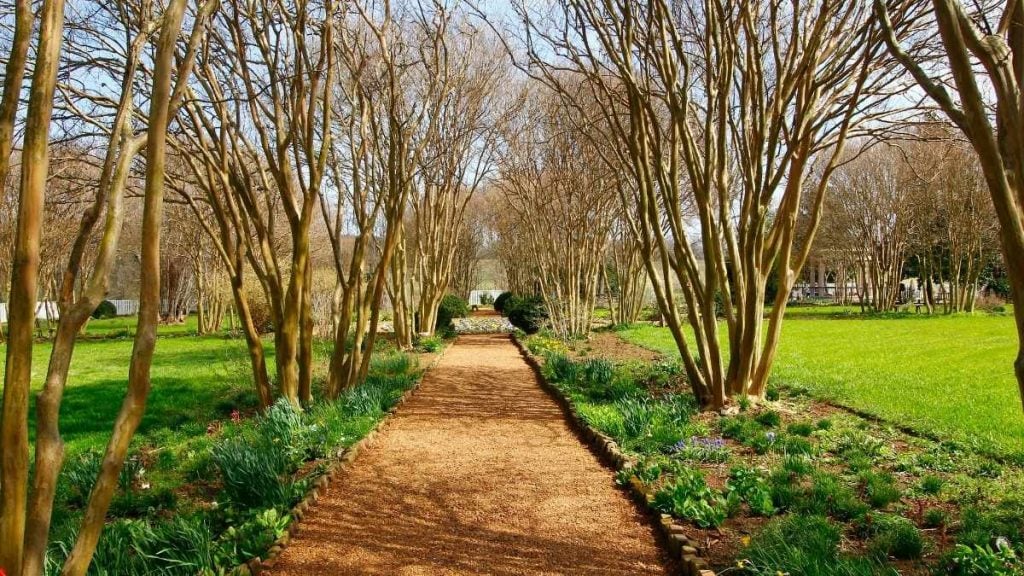
- Bicentennial Capitol Mall State Park — 19 acres of Tennessee history in a park setting; the granite map of the state and hourly bell carillon are distinctive Nashville landmarks
For families
Parks, music, a sense of wonder — take your pick:
- Nashville Zoo — consistently rated among the best mid-size zoos in the US; Journey to Maharajah and Unseen New World are standout exhibits
- Adventure Science Center — hands-on STEM exhibits and a planetarium near Centennial Park
- Centennial Park and the Parthenon — a great afternoon stop; the full-scale Greek temple replica delights visitors of all ages
- Cheekwood Estate and Gardens — the children’s playscape and storybook trail are family highlights
Frequently asked questions about visiting Nashville
What is Nashville most famous for?
Country music is the foundation of Nashville’s identity, but the city has grown into something much more layered. It’s home to legendary institutions like the Country Music Hall of Fame and the Grand Ole Opry, yet it also thrives as a modern hub for food, design, and creative industries. Visitors come for the music but often stay for the neighborhoods, restaurants, and cultural depth that extend far beyond Broadway.
How many days do you need in Nashville?
Two to three days is usually enough to cover Nashville’s main highlights, including downtown Nashville, Broadway’s honky tonks, the Country Music Hall of Fame, and a night of live music. With four or five days, the city feels more relaxed and layered, giving you time to explore neighborhoods like East Nashville and 12South, plus spots like Centennial Park or Cheekwood Estate and Gardens.
Is Nashville walkable?
Nashville is walkable around downtown Nashville, Lower Broadway, the museum district, the Gulch, and nearby areas like 12South. But once you move beyond the center, the city quickly spreads out — and this is where having a car really changes the experience.
Key attractions like the Grand Ole Opry, Cheekwood Estate and Gardens, and The Hermitage sit outside the central corridor and aren’t realistically walkable between stops. A car gives you the freedom to move between these destinations on your own schedule and avoid relying on surge pricing or wait times.
A car gives visitors the freedom to experience more of Nashville, connecting downtown landmarks with creative neighborhoods, green spaces, and nearby day-trip destinations. Browse car rental options in Nashville.
What is Nashville hot chicken?
Nashville hot chicken is a local dish of fried chicken coated in a spicy cayenne-based paste, served on white bread with pickles. Heat levels range from mild to eye-wateringly hot. Prince’s Hot Chicken Shack is the original; Hattie B’s has multiple locations and is the most visitor-friendly.
Is Nashville good for a bachelorette party?
Yes. Nashville is one of the most popular bachelorette party destinations in the United States, known for its rooftop bars, pedal taverns, honky tonks, and live music venues throughout downtown and Lower Broadway. While the city is especially popular with celebration groups, it also offers museums, restaurants, parks, music venues, and cultural attractions that appeal to couples, families, solo travelers, and music fans.
Explore Nashville with Turo
Nashville is a city that rewards visitors who stay longer than planned — from late nights in a honky tonk to afternoon wanderings through East Nashville, where the energy feels worlds away from Broadway.
For a more flexible way to experience it all, browse vehicles in Nashville. Having a car makes it easier to reach places like Cheekwood Estate and Gardens, take a day trip to the Jack Daniel’s Distillery in Lynchburg, and explore further into the Tennessee countryside, where the pace shifts and the landscape opens up beyond Music City.

Share your car, earn extra cash
Cover your car payments or earn some extra cash by sharing your car whenever you’re not using it.
Get startedHit the road
Browse thousands of cars for every occasion and budget near you, or wherever you’re going.
Browse cars
Sian Henderson
Sian Henderson is both a cosied-up travel content writer and an avid outdoor traveller. She’s road-tripped around New Zealand, navigated the bustling streets of Vietnam, and sunbaked on the shores of Hawaii and beyond. With a love of getting behind the wheel and taking the scenic route, she brings a firsthand traveller’s perspective to road-trip content. For Turo, Sian has written travel blogs and destination guides spanning road trips, city escapes and destinations across Australia, the US, UK and Canada. She’s also worked across hundreds of pieces of Turo content, giving her a keen eye for what makes a great trip! From finding the right car for the journey to uncovering the best places to stop, snack, and take in the view, Sian has many great tips to keep you on track.