by Molly Isaac
posted on June 19, 2026
Looking for the best things to see and do in Milwaukee? Between the lakefront museums, brewery culture, historic neighborhoods, and festivals that take over the city all summer, Milwaukee feels far more interesting — and far more fun — than many first-time visitors expect.
It’s also a city that opens up once you have a car, making it easier to move between neighborhoods like the Historic Third Ward, Bay View, Brady Street, and the waterfront.
In this guide:
- Milwaukee: What you need to know
- The top things to see and do in Milwaukee
- Milwaukee’s best neighborhoods
- Milwaukee by interest
- Frequently asked questions about visiting Milwaukee
Milwaukee: What you need to know
- Location: Southeastern Wisconsin, on the western shore of Lake Michigan — 90 miles north of Chicago
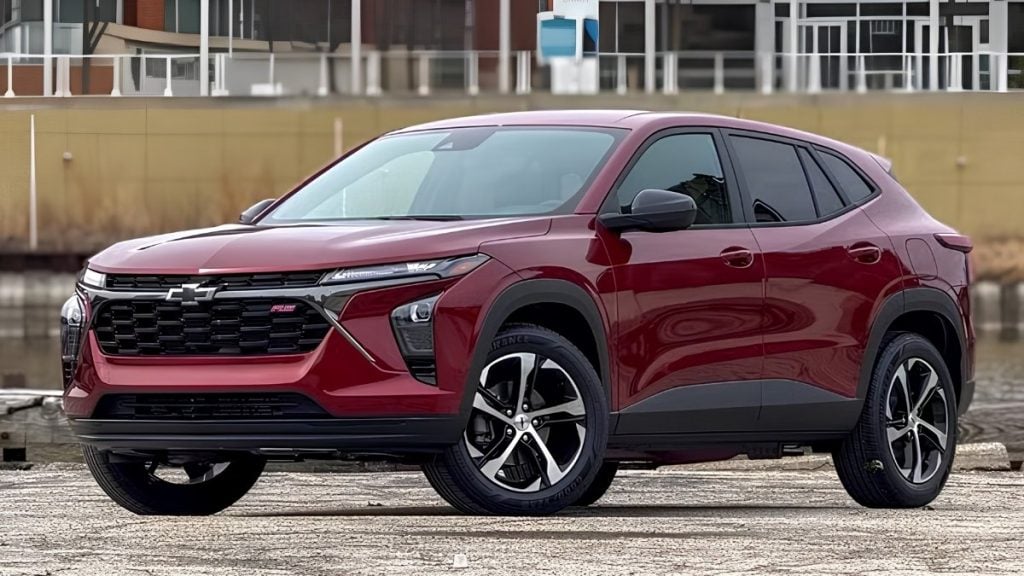
- Getting there: Mitchell International Airport (MKE) serves the city with direct flights from major US hubs. Amtrak connects Milwaukee and Chicago in approximately 90 minutes. Many visitors also drive — search on Turo for your perfect Milwaukee car rental.
- Getting around: Milwaukee’s downtown and lakefront are walkable; a car is really useful for reaching the county zoo, outer neighborhoods, and day trips into Wisconsin.
- Best time to visit: Summer for Summerfest, Bradford Beach, and the festival season. Fall for quieter crowds and colorful lakefront walks. Winter is cold, but the city’s indoor attractions, breweries, and good food scene are year-round draws.
- Don’t miss: Summerfest (world’s largest music festival, late June–early July), the Friday Fish Fry tradition, frozen custard at Kopp’s, and the Milwaukee Art Museum’s famous wing opening at 10 am.
The top things to see and do in Milwaukee
1. Milwaukee Art Museum
The Milwaukee Art Museum is easily the city’s most striking building — a huge white Santiago Calatrava-designed structure sitting directly on the Lake Michigan lakefront.
It’s best known for its moving “wings” that open and close each day like a giant bird. Officially called the Burke Brise Soleil, the wing opening typically draws crowds around 10 a.m. on operating days and remains one of the Midwest’s most memorable architectural moments.
Inside, the museum holds more than 25,000 works spanning European paintings, American decorative arts, photography, contemporary works, and pieces by Wisconsin-born artist Georgia O’Keeffe.
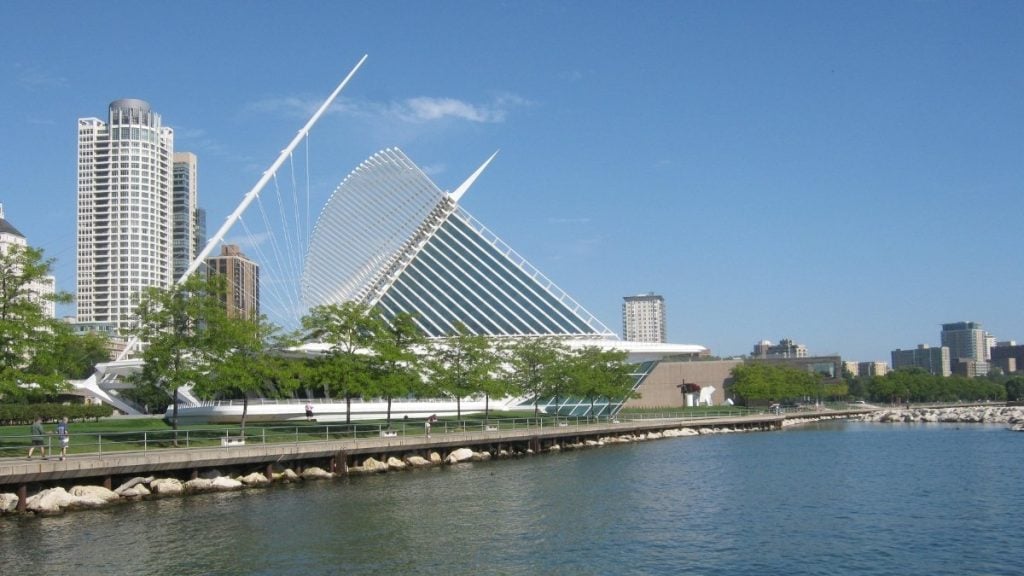
Tip from the author: Arrive for wing opening at least 15 minutes before 10 am for the best view, or visit on a Thursday evening for pay-what-you-wish admission.
2. Historic Third Ward
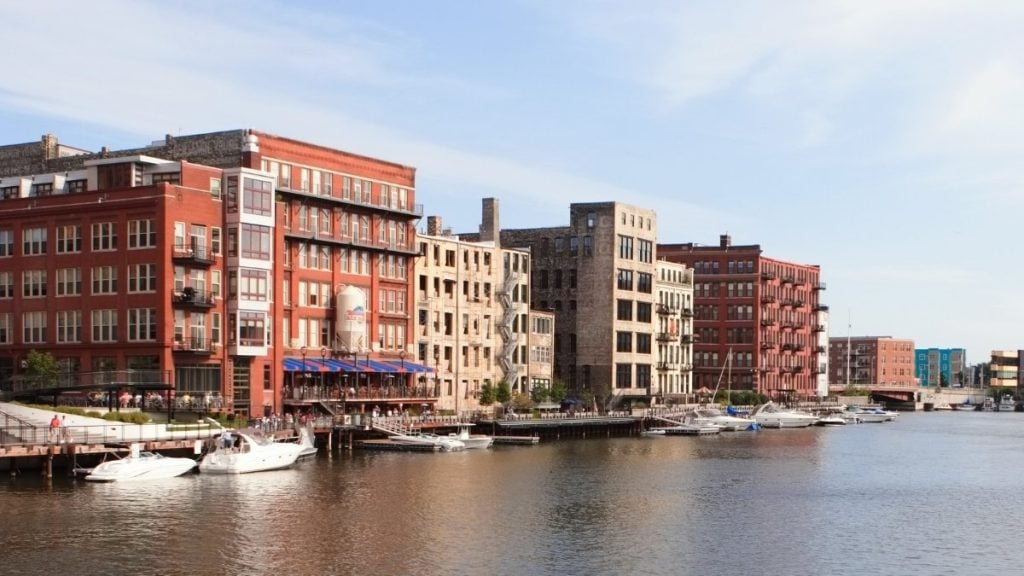
The Historic Third Ward is a beautifully restored 19th-century warehouse district filled with galleries, design studios, cocktail bars, and some of the city’s best restaurants. The old industrial buildings give the area a distinctive character that feels noticeably different from downtown, yet is still easy to explore entirely on foot.
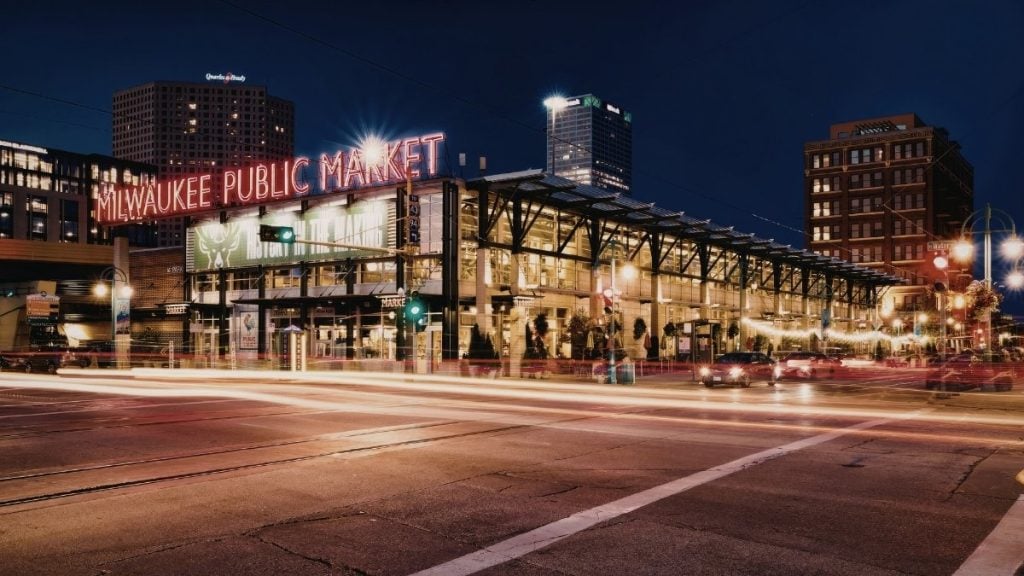
At the center of the neighborhood is Milwaukee Public Market, an indoor market packed with more than 20 vendors selling everything from fresh seafood and artisan cheese to sushi, local coffee, chocolates, and Wisconsin-made specialties.
The Third Ward also connects directly to the Milwaukee RiverWalk — a three-mile riverside walkway lined with patios, public art, bars, and landmarks, including the famous Bronze Fonz statue.
3. Harley-Davidson Museum
Even visitors with no interest in motorcycles usually end up loving the Harley-Davidson Museum — its seen as incredibly impressive, a campus tracing the history of one of America’s most iconic brands, founded right here in Milwaukee in 1903.
Alongside beautifully restored motorcycles, the exhibits explore the company’s role in American road trip culture, design, manufacturing, and music history in a way that feels much bigger than just bikes.
The museum also includes interactive exhibits where visitors can sit on real Harleys, plus a riverside restaurant and bars, making it easy to explore the campus for hours.
4. Lakefront Brewery
Milwaukee’s most beloved craft brewery, Lakefront, is one of the city’s originals and the kind of place that captures Milwaukee’s beer culture perfectly.
It’s especially famous for its Friday night Fish Fry, brewery tours packed with beer tastings and comedy, and a huge outdoor deck overlooking the Milwaukee River that fills up quickly on summer evenings.
The flagship beer is the Riverwest Stein Amber Lager, though the brewery also produces a constantly rotating lineup of seasonal and specialty releases.
5. Pabst Mansion
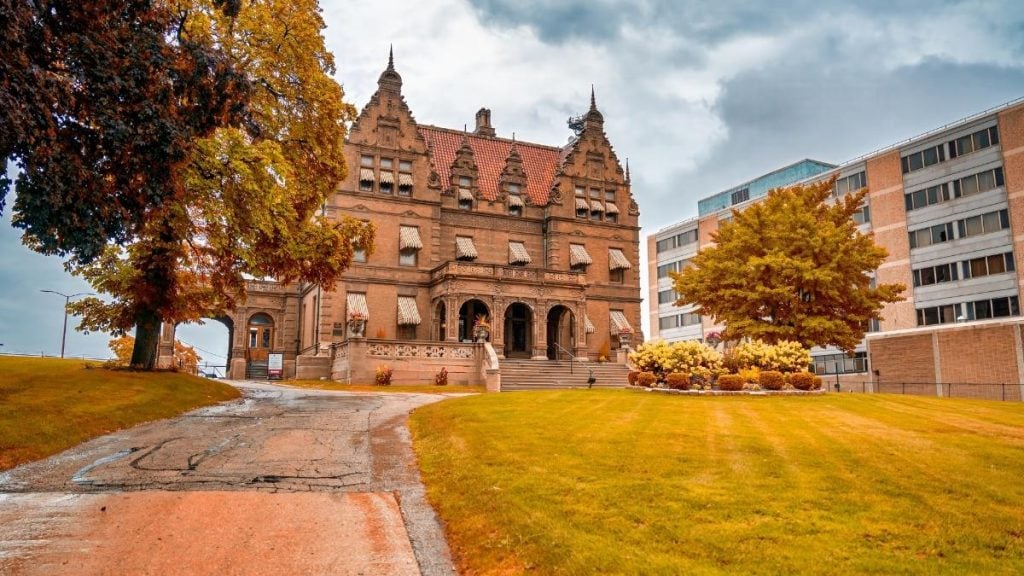
The Pabst Mansion offers one of the best glimpses into Milwaukee’s brewing golden age — a lavish 1893 Flemish Renaissance Revival home built for beer baron Captain Frederick Pabst at the height of the city’s brewery boom.
Meticulously restored and filled with ornate woodwork, grand staircases, and original interiors, it captures the extraordinary wealth and craftsmanship of Milwaukee’s 19th-century brewing elite.
The mansion sits a short drive from downtown, with guided tours running regularly throughout the day and typically lasting around an hour.
6. Milwaukee RiverWalk
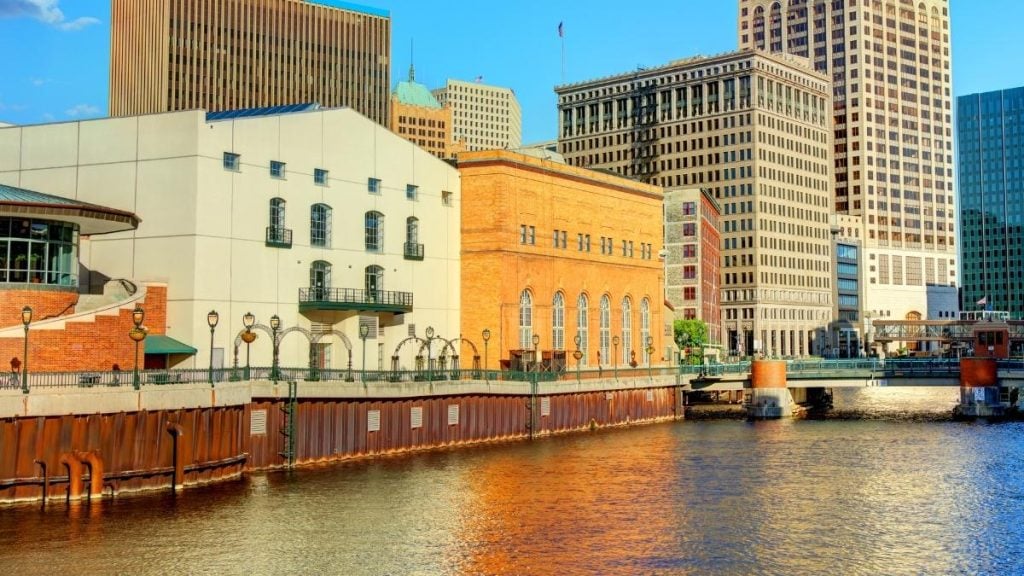
The Milwaukee RiverWalk is one of the best ways to experience the city — a three-mile pedestrian path running along both banks of the Milwaukee River and linking downtown, the Historic Third Ward, and the Beerline B neighborhood.
Public art installations, outdoor dining patios, kayak launches, breweries, and landmarks like the famous Bronze Fonz statue all sit along the route.
It’s also the easiest way to get oriented in Milwaukee, letting visitors move between several neighborhoods in one relaxed walk without needing a car.
7. Summerfest and Milwaukee’s festival scene
Milwaukee earns its “City of Festivals” nickname every summer, led by Summerfest at Henry Maier Festival Park — the world’s largest music festival, with 11 stages, hundreds of artists, and hundreds of thousands of visitors across multiple weekends along the Lake Michigan lakefront.
Beyond Summerfest, the city hosts huge cultural events, including German Fest, Irish Fest, Festa Italiana, PrideFest, and dozens of smaller neighborhood street festivals throughout the summer.
Accommodation prices rise quickly during major festival weekends, so it’s worth booking early. The lakefront festival grounds are also easily walkable from downtown Milwaukee.
8. Bradford Beach
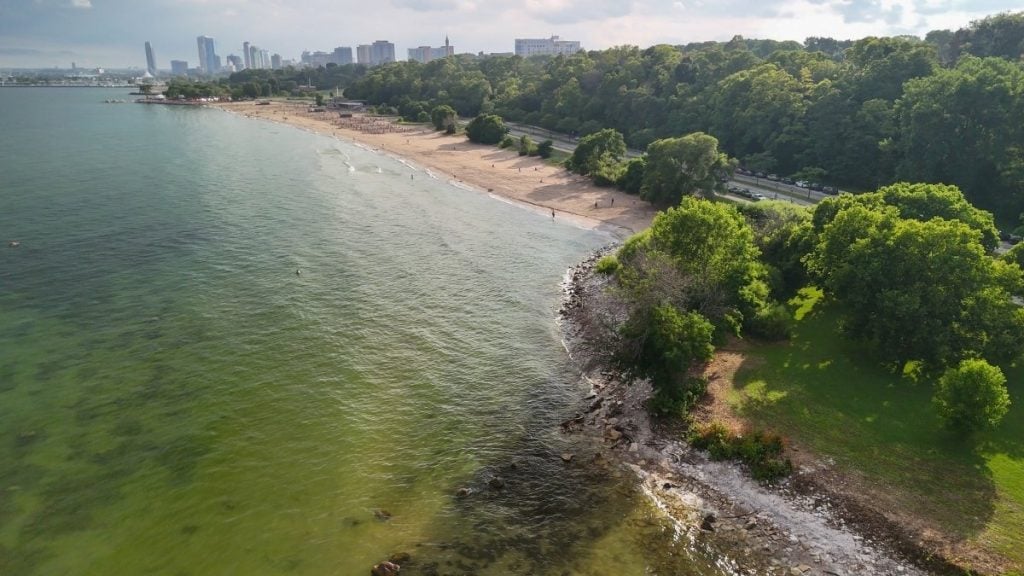
Bradford Beach is one of Milwaukee’s best summer surprises — a huge freshwater beach on Lake Michigan just minutes from downtown, with volleyball courts, beach bars, food stands, and a lively atmosphere.
On a clear day, the scale of Lake Michigan feels more like the ocean than a lake.
Summer weekday mornings are usually much quieter and better for relaxing by the water, while weekend afternoons become far more social and energetic as the beach fills with locals.
9. Milwaukee County Zoo
Set across 190 acres of parkland, the Milwaukee County Zoo is home to more than 2,000 animals and consistently ranks among the best zoos in the Midwest.
The spacious layout makes it well-suited to full-day visits, with everything from elephants and big cats to aquatic exhibits and a zoo train running through the grounds.
It’s especially popular with families, particularly during summer when events like Zoo a la Carte bring live music, food trucks, and evening entertainment into the zoo.
10. The Domes (Mitchell Park Horticultural Conservatory)
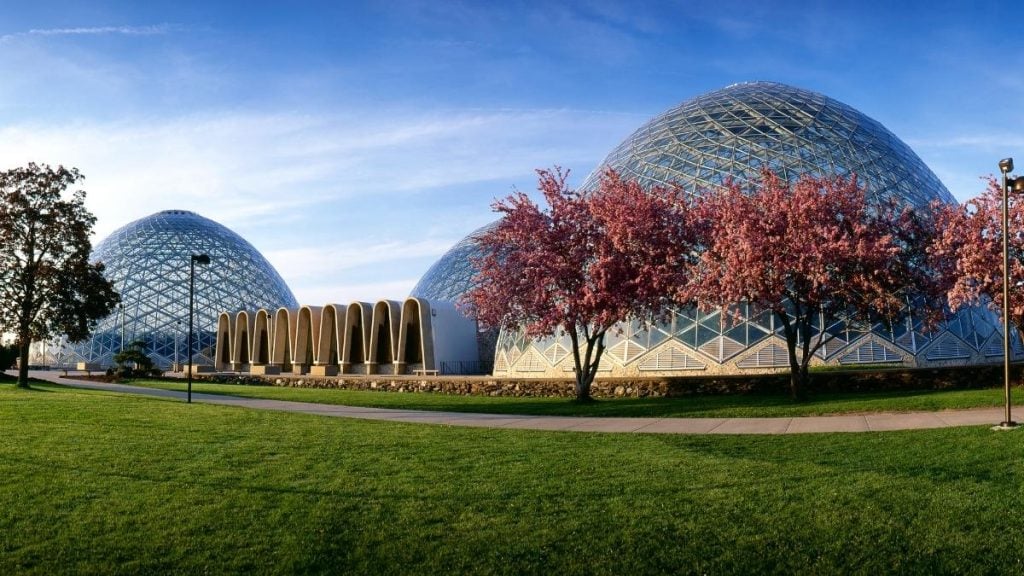
Known locally as “The Domes,” these three enormous glass conservatories on Milwaukee’s near west side each contain a completely different climate zone — desert, tropical, and a seasonal floral display that changes throughout the year.
The futuristic structures have become one of Milwaukee’s most distinctive architectural landmarks and a longtime local institution.
They’re also one of the city’s best cold-weather attractions when outdoor activities become less appealing. Admission is modest, and the tropical dome feels warm, humid, and lush once you step inside.
Milwaukee’s best neighborhoods
One of the best things about Milwaukee is how distinct its neighborhoods feel from one another.
Historic Third Ward
Historic Third Ward is Milwaukee’s polished warehouse district, filled with galleries, boutique shopping, cafés, and riverside restaurants inside restored historic buildings. It’s also home to Milwaukee Public Market and easily one of the best parts of the city to spend a Saturday afternoon.
Walker’s Point
Walker’s Point sits just south of downtown and has become one of Milwaukee’s most exciting food neighborhoods, packed with excellent restaurants, cocktail bars, breweries, and converted industrial spaces. The neighborhood also has a strong LGBTQ+ community and some of the city’s best nightlife.
Bay View
Bay View has a more laid-back lakeside feel, centered around Kinnickinnic Avenue (“KK”) and its mix of vintage shops, coffee spots, bars, and independent restaurants. Saturday mornings revolve around the South Shore Farmers Market, while summer evenings often end at the South Shore Terrace beer garden overlooking Lake Michigan.

Brady Street
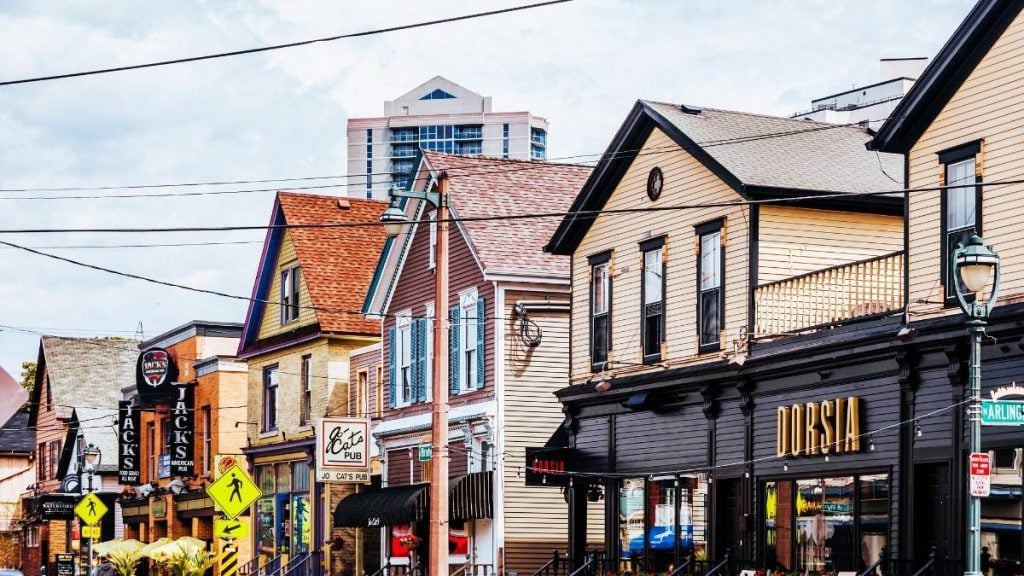
Brady Street is Milwaukee’s most bohemian neighborhood strip, lined with bookstores, unique coffee shops, old neon beer signs, dive bars, tattoo studios, and international restaurants. The atmosphere feels louder, more eclectic than much of the rest of the city, and younger, partly shaped by students.
Riverwest
Riverwest is one of Milwaukee’s most creative and community-driven neighborhoods, known for its various music venues, local art scene, and strong creative culture. It’s also home to Lakefront Brewery and the famously chaotic Riverwest 24-hour bike race each summer.
Milwaukee by interest
For food and drink lovers
Milwaukee takes its food seriously and is home to some of the Midwest’s most underrated dining neighborhoods.
- Milwaukee Public Market: More than 20 vendors inside the Historic Third Ward and the best one-stop introduction to the city’s food scene.
- Lakefront Brewery: The Friday Fish Fry is a Milwaukee classic, with beer, live music, and huge communal tables; book ahead for dinner.
- Kopp’s Frozen Custard: A Milwaukee staple known for huge burgers, retro atmosphere, and some of the city’s best frozen custard.
- Bay View and Walker’s Point: The city’s best independent dining neighborhoods, packed with cocktail bars, breweries, cafés, and great restaurants.
- Old World 3rd Street: Milwaukee’s historic German brewing district and still one of the best areas in the city to eat bratwurst, sausages, and drink local beer.
For history and culture lovers
Milwaukee’s brewing history, lakefront museums, and grand old architecture give the city far more cultural depth than many first-time visitors expect.
- Harley-Davidson Museum: The full story of one of America’s most classic motorcycle brands, founded right here in Milwaukee.
- Pabst Mansion: An extravagant Gilded Age mansion built by brewing magnate Captain Frederick Pabst.
- Milwaukee Art Museum: More than 25,000 works inside Santiago Calatrava’s striking lakefront masterpiece.
- Milwaukee Public Museum: One of the oldest natural history museums in the US, known for immersive exhibits, recreated historic streets, dinosaur skeletons, and enormous collections.
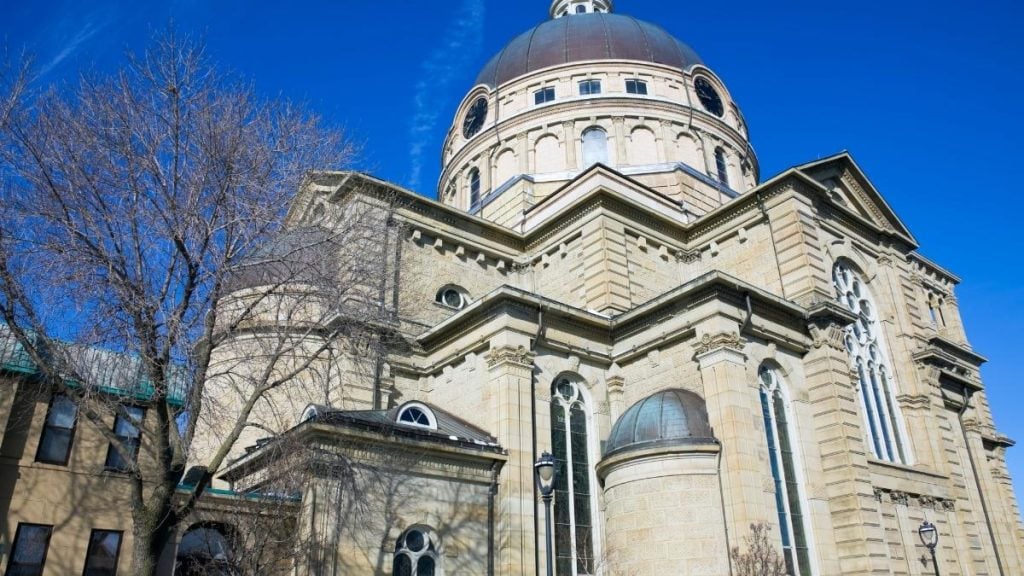
- Basilica of St. Josaphat: A huge domed basilica inspired by St. Peter’s in Rome and one of Milwaukee’s most beautiful buildings; free to visit.
For families
Milwaukee makes family trips surprisingly easy, with zoos, science museums, and plenty of ways to spend time outdoors.
- Milwaukee County Zoo: More than 2,000 animals spread across a huge 190-acre zoo that easily fills a full day.
- Betty Brinn Children’s Museum: Interactive exhibits where younger kids can play, explore, and create through fun hands-on activities.
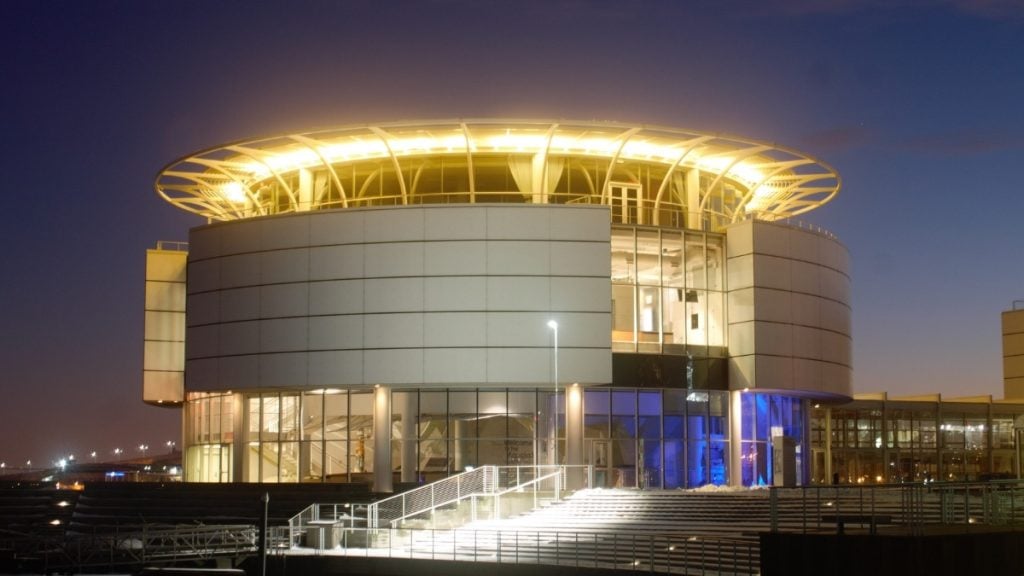
- Discovery World: A hands-on science and technology museum sitting directly on Lake Michigan.
- The Domes: Three different climate zones under enormous glass structures and a great rainy-day activity for families.
- Bradford Beach: A lively freshwater beach with volleyball courts, summer food trucks, and a great place to grab lunch by the lake.
For sports fans
Sports are a huge part of Milwaukee culture, whether it’s Brewers games, the Bucks playoff atmosphere, or major events taking over the lakefront in summer.
- American Family Field: Milwaukee Brewers games, a retractable roof, cheese curds, tailgating culture, and the famous Sausage Race.
- Fiserv Forum: Home of the Milwaukee Bucks and one of the NBA’s more modern arenas with an energetic, loud atmosphere on game nights.
- Summerfest Grounds: The lakefront festival park hosts major concerts, sporting events, and huge summer celebrations throughout the year.
Frequently asked questions about visiting Milwaukee
What is Milwaukee known for?
Milwaukee is known for Beer — it’s historically one of America’s great brewing cities — alongside the striking Milwaukee Art Museum, Summerfest, Harley-Davidson Museum, frozen custard, and Wisconsin’s Friday Fish Fry tradition.
Milwaukee is also known as the “Cream City” thanks to the distinctive cream-colored bricks that shaped much of the city’s historic architecture.
How many days do you need in Milwaukee?
A long weekend (2–3 days) is enough to comfortably cover Milwaukee’s major highlights — the Art Museum, Historic Third Ward, brewery tours, and time along the lakefront.
One day works as a quick introduction, but a few extra days gives you time to properly explore different neighborhoods, spend a little more time at breweries and restaurants, and turn the trip into more of an adventure.
Is Milwaukee worth visiting?
Absolutely — Milwaukee remains one of the Midwest’s most underrated cities. The city has a warmth and personality that feels very different from bigger tourist-heavy destinations.
It’s the kind of place where people often arrive with modest expectations and leave surprised by how much they enjoyed themselves.
When is the best time to visit Milwaukee?
Summer shows off Milwaukee at its liveliest and busiest, with Summerfest, Bradford Beach, brewery patios, and tons of festivals taking over.
Spring and fall bring milder weather and fewer crowds, while winter can be cold, it’s still very enjoyable thanks to Milwaukee’s museums, breweries, and strong indoor food scene.
How far is Milwaukee from Chicago?
Milwaukee sits about 90 miles north of Chicago, with the drive usually taking around 1.5–2 hours, depending on traffic.
Explore Milwaukee with Turo
Milwaukee is a city best explored beyond its headline attractions, whether that means browsing galleries in the Historic Third Ward, following your nose to a Friday Fish Fry, or spending an evening on the RiverWalk watching the city drift by.
Find vehicles located across Milwaukee on Turo for a flexible, convenient way to arrive and explore the city on your own schedule.
Share your car, earn extra cash
Cover your car payments or earn some extra cash by sharing your car whenever you’re not using it.
Get startedHit the road
Browse thousands of cars for every occasion and budget near you, or wherever you’re going.
Browse cars
Molly Isaac
Molly Isaac is an experienced travel and automotive writer who loves the freedom of exploring new places in her own way and at her own pace. Her driving adventures have taken her through France and Italy, along Route 66, and across Australia, from its coastlines to the desert. She has a particular soft spot for Jeeps, preferably with the roof down, and for trips shaped by nature, spontaneity and a sense of adventure. For Turo, she writes practical, inspiring guides to scenic drives, family road trips and nature-filled escapes, helping travellers plan memorable journeys and choose a vehicle that feels right for the experience.