posted on April 2, 2026
When it comes to things to see and do in the Florida Keys, few places in the US compare. This 125-mile chain of coral islands stretches into the turquoise waters between the Atlantic Ocean and the Gulf of Mexico, all connected by the Overseas Highway — one of America’s most scenic drives.
The Keys offer a laid-back, sun-soaked version of the classic road trip, where the days revolve around snorkeling in crystal-clear water, chasing legendary sunsets, and eating impossibly fresh seafood. It’s a slower pace of life and one that feels worlds away from the mainland, yet easy to fall into from the moment you arrive.
What you need to know before you visit the Florida Keys
Planning a trip to the Keys is all about the drive, the distance, and leaning into the slower pace. A little prep goes a long way when everything is stretched out across 100+ miles of islands.
- Getting there: The Florida Keys are reached via the Overseas Highway (US-1) — a scenic 113-mile drive from Florida City (just south of Miami) to Key West. Most visitors fly into Miami International or Fort Lauderdale-Hollywood International, then rent a car for the drive down. Turo is a great option for picking up a car at either airport and heading straight to the Keys.
- Getting around: A car is essential — public transportation is extremely limited. The Overseas Highway connects all the major keys via a series of bridges, and mile markers (MM) are used instead of street addresses along most of the route
- Best time to visit: Winter and spring (December through April) offer the best weather — warm, dry, and breezy. Summer brings heat, humidity, and the possibility of hurricanes from June through November.
- How long to spend: A week is ideal if you want to experience the full length of the Keys at a relaxed pace. Short on time? 3–4 days is enough to cover the highlights.
- Key lime pie: Non-negotiable — the Keys’ most famous food export, made with local key limes and a graham cracker crust. Every island has its own contenders for the best version.
- Mile markers: The Keys use mile markers (MM) to indicate location along the Overseas Highway — MM 126 is at the northern end near Florida City; MM 0 is at the Southernmost Point in Key West.

The Upper Keys: Key Largo and Islamorada
The Upper Keys, stretching from MM 126 down to around MM 74, are the first islands you’ll hit on the drive south, and they set the tone immediately. Think turquoise water, incredible marine life, and a laid-back island rhythm that only deepens the further you go.
John Pennekamp Coral Reef State Park, Key Largo
John Pennekamp Coral Reef State Park is the first undersea park in the US, protecting over 70 nautical square miles of coral reef, seagrass beds, and mangroves just off Key Largo in the Upper Keys. It’s one of the best places in North America to experience vibrant marine life up close. Most visitors come for the snorkeling tours or glass-bottom boat experiences, which take you out over the reef without needing dive gear. You can also go scuba diving or kayak through peaceful mangrove tunnels. One of the highlights is the famous underwater statue, Christ of the Deep. Boat tours depart directly from the park and are incredibly popular, especially in peak season.
- Location: MM 102.5, Key Largo
- Best for: Snorkeling, marine life, and first-time reef experiences
- Tip: Book snorkeling and boat tours in advance — they sell out in peak season
Islamorada
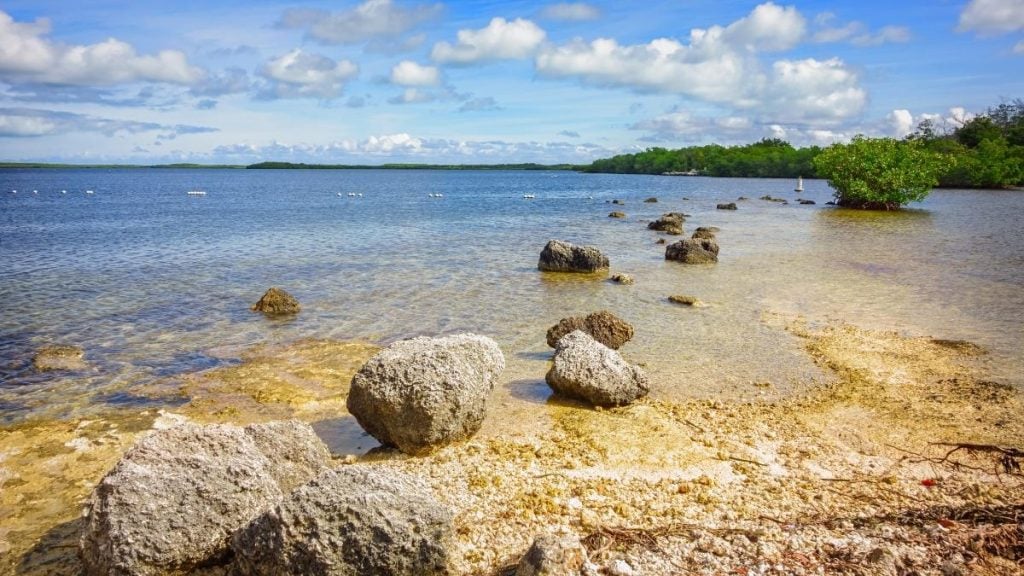
Islamorada, known as the “Village of Islands,” is one of the most enjoyable stops in the Upper Keys, with a relaxed, slightly more refined vibe than some of the busier destinations further south. It’s considered the sport fishing capital of the world, but even if you’re not casting a line, there’s plenty to love here. An incredibly memorable experience is feeding the massive tarpon at Robbie’s Marina — a chaotic, photogenic wildlife encounter that’s become a Keys classic. Beyond that, Islamorada has outstanding waterfront dining, from casual raw bars to laid-back tiki bars with outdoor seating. Stick around for sunset and head to the Lorelei Restaurant and Cabana Bar for drinks. It’s one of the best places to watch the sky light up over the water.
- Location: MM 74–90, Islamorada
- Don’t miss: Feeding the tarpon at Robbie’s Marina — arrive early as it gets busy
- Best for: Sunset drinks, great food, and relaxed island vibes

The Middle Keys: Marathon and the Seven Mile Bridge
The Middle Keys, centered around Marathon at roughly MM 50, sit at the geographic heart of the island chain and are packed with some of the Keys’ most family-friendly attractions. They’re also home to an iconic stretch of the drive: the breathtaking Seven Mile Bridge.
The Turtle Hospital, Marathon
The Turtle Hospital in Marathon is a working sea turtle rehabilitation facility and the only state-certified veterinary hospital for sea turtles in the world. Through guided tours, visitors can learn about the rescue and rehabilitation process, meet resident turtles that can’t be released back into the wild, and see firsthand the care that goes into protecting these incredible animals. It’s one of the most meaningful wildlife encounters in the Middle Keys, and is both educational and genuinely moving. Tours run regularly but are limited in size, so planning ahead is essential.
- Location: MM 48.5, Marathon
- Best for: Wildlife encounters, families, and marine life education
- Tip: Book tours in advance as they fill up quickly
Dolphin Research Center, Marathon
The Dolphin Research Center is a non-profit marine mammal research and education facility focused on conservation and responsible wildlife interaction. Visitors can take part in guided tours, watch educational presentations, and even join structured programs to interact or swim with Atlantic bottlenose dolphins. It’s a more ethical, research-led alternative to commercial dolphin encounters, making it especially appealing for thoughtful travelers and families interested in marine life.
- Location: MM 59, Grassy Key
- Best for: Wildlife encounters, families, and ethical marine experiences
The Seven Mile Bridge
The Seven Mile Bridge is a stretch of the Overseas Highway and a highlight of any Florida Keys road trip. Spanning 6.79 miles, it connects the Middle Keys to the Lower Keys with uninterrupted ocean views in every direction — it genuinely feels like you’re driving across open water. It’s an impressive engineering feat in Florida and a moment that defines the entire island chain experience. For a slower pace, you can also walk or bike along sections of the historic old bridge that runs parallel, offering a more immersive way to take it all in.

The Lower Keys: Big Pine Key and Bahia Honda
The Lower Keys, stretching from around MM 40 down to MM 9, are the quietest and most untouched part of the island chain. This is where the pace slows right down, with fewer crowds, more wildlife, and a closer connection to the natural beauty of the Keys.
Bahia Honda State Park
Bahia Honda State Park is widely considered home to some of the most beautiful beaches in Florida — a rarity in the Keys, where natural sand beaches are limited. Located in the Lower Keys, it offers soft sand on both the Atlantic and Gulf sides, along with calm, warm waters perfect for swimming. Beyond the beaches, you’ll find nature trails, kayak rentals, snorkeling tours, and excellent birdwatching. The historic Bahia Honda Rail Bridge adds a dramatic backdrop and a glimpse into the island chain’s past. It stands out as one of the most scenic and well-rounded Florida state parks, and it’s an essential stop on any Keys road trip. Camping is available, but sites book out months in advance.
- Location: MM 37, Big Pine Key
- Entry fee: Paid (small per-vehicle fee)
- Best for: Beach days, snorkeling, and nature lovers
- Tip: Arrive early as the parking lot fills up fast on weekends

National Key Deer Refuge, Big Pine Key
The National Key Deer Refuge protects the endangered Key deer — a miniature subspecies of white-tailed deer found only in the Lower Keys. Standing at just around 30 inches tall, they’re surprisingly small, gentle, and often spotted wandering through their natural habitat on Big Pine Key. The best time for wildlife encounters is early morning or late afternoon, when the deer are most active. While you’re in the area, stop by the nearby No Name Pub — a quirky, cash-only spot famous for its walls (and ceilings) covered in stapled dollar bills.
- Location: Big Pine Key, MM 30
- Best for: Wildlife encounters and nature lovers
- Local tip: Key deer are most active at dawn and dusk — drive slowly on Big Pine Key roads
Key West: The end of the road
Key West needs little introduction — at MM 0, it marks the end of the Overseas Highway and the southernmost city in the continental US. From here on, things feel different: colorful, historic and a little eccentric. Key West is where the road ends and the island spirit takes over.
Mallory Square and the Sunset Celebration
The Sunset Celebration at Mallory Square is one of Key West’s most iconic traditions — a nightly open-air festival on the Gulf waterfront where locals and visitors gather to watch the sun sink into the horizon. As golden hour hits, the square fills with street performers, artists, and food vendors, creating a lively, slightly chaotic atmosphere that feels uniquely Key West. If you’d prefer something quieter, you can also watch the sunset from the water on a sunset cruise or sunset sail, which offers equally unforgettable views.
- Location: Mallory Square, Key West (MM 0)
- Cost: Free
- Tip: Arrive 30–45 minutes before sunset for a good spot

Duval Street and Old Town Key West
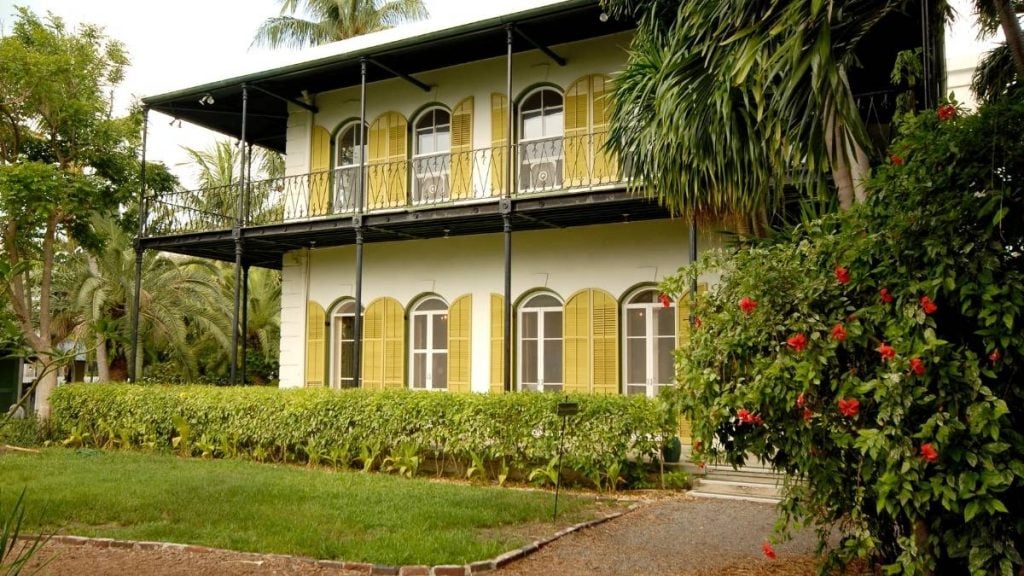
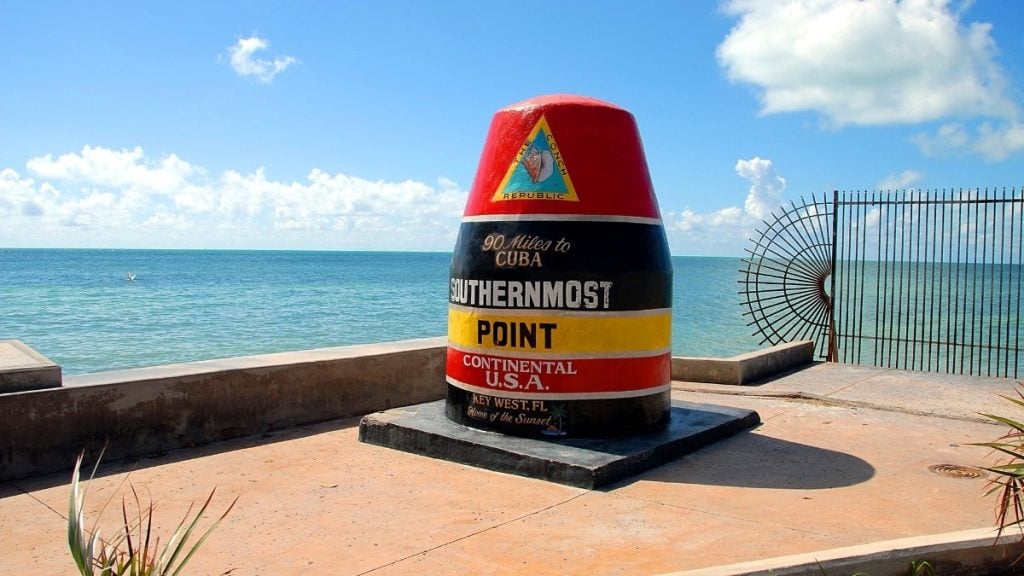
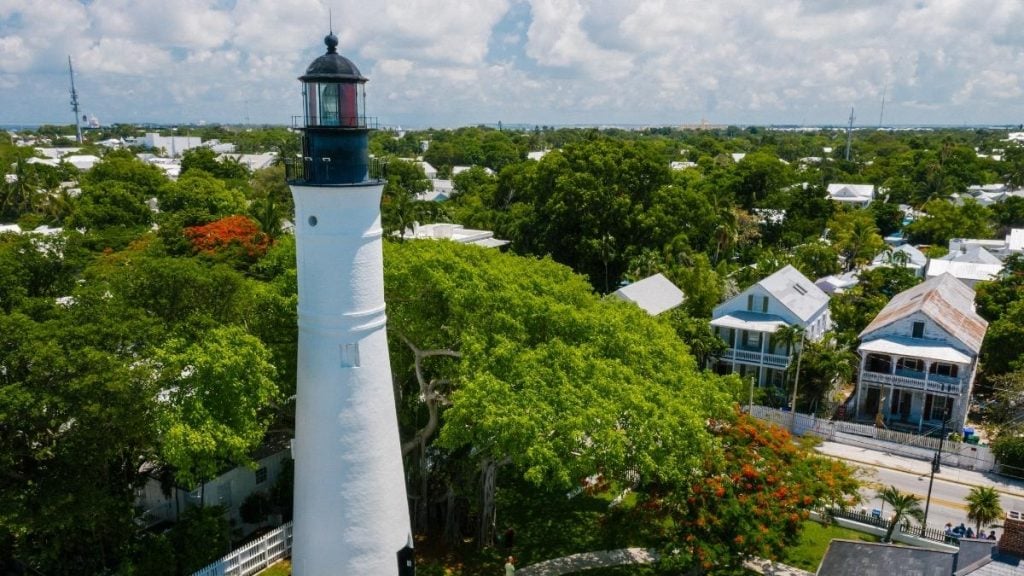
Duval Street is Key West’s lively main strip made up of a mile-long stretch running from the Gulf to the Atlantic, packed with bars, restaurants, galleries, shops, and historic buildings. It’s the heart of the island’s energy, with iconic stops like Sloppy Joe’s and plenty of spots for a casual drink or a full food tour. Beyond Duval, Old Town is where Key West’s history really comes to life. You’ll find landmarks like the Ernest Hemingway Home and Museum, the Key West Lighthouse, and the Harry S. Truman Little White House all within a few blocks. Don’t miss the Southernmost Point Buoy, the classic photo stop marking the edge of the continental United States. The area is compact, colorful, and incredibly walkable.
- Best for: History, nightlife, and exploring on foot
- Tip: Old Town is best explored on foot or by bike — parking is limited, and traffic is slow
Dry Tortugas National Park
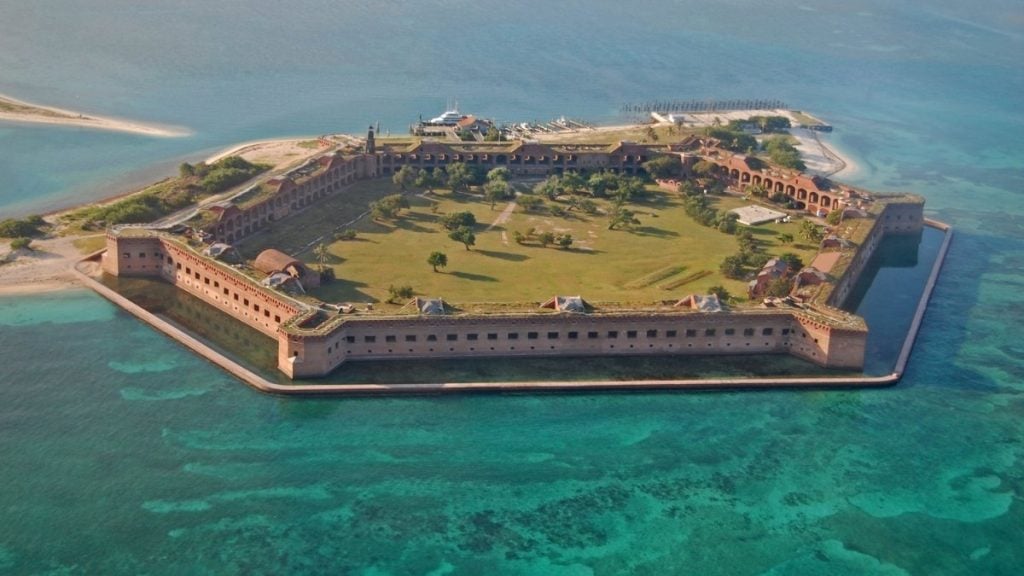
Dry Tortugas National Park is one of the most remote and pristine national parks in the US, located 70 miles west of Key West and accessible only by boat or seaplane. Surrounded by crystal-clear water, it feels worlds away and absolutely worth the effort to reach. The main attraction is Fort Jefferson, a Civil War-era brick fort set right on the water, alongside some of the best snorkeling in the Florida Keys, with vibrant marine life just offshore. Most visitors arrive via the Yankee Freedom ferry (around 2.5 hours each way), while seaplanes offer a faster but more expensive option. It’s a full-day trip and an unforgettable experience in the Keys.
- How to get there: Ferry or seaplane from Key West
- Best for: Snorkeling, history, and off-the-beaten-path adventure
- Tip: Book the ferry months in advance — it sells out quickly, especially in winter
Tip from the author: If you only have one day in Key West, spend the morning exploring Old Town on foot, grab a slice of key lime pie at lunch, and end the day at Mallory Square for the Sunset Celebration. It won’t disappoint.
Things to do in the Florida Keys for families
The Florida Keys are a fantastic family destination, offering hands-on wildlife encounters, calm, swimmable waters, and outdoor experiences that feel a world away from Florida’s theme park crowds. It’s easy, relaxed, and full of moments kids will actually remember.
- Turtle Hospital tours, Marathon: A memorable and educational experience in the Keys where the whole family can learn about sea turtle rescue and rehabilitation and meet real patients — book in advance.
- Dolphin Research Center, Grassy Key: A thoughtful, research-focused facility offering structured dolphin interaction programs alongside educational presentations about marine life.
- John Pennekamp snorkeling, Key Largo: Perfect for families. Younger kids can enjoy glass-bottom boat tours, while older ones can try snorkeling over vibrant coral reefs.
- Bahia Honda State Park: A dream for beach days, with calm, shallow water for swimming, plus kayaking and easy nature trails to explore.
- Feeding the tarpon at Robbie’s Marina, Islamorada: A classic Keys experience — buy a bucket of fish and hand-feed the giant tarpon crowding the dock (equal parts fun and slightly chaotic).
- Key West Butterfly and Nature Conservatory: A magical walk-through space filled with hundreds of free-flying butterflies — especially loved by younger kids.
Things to do in the Florida Keys for foodies
The Florida Keys are packed with distinctive food cultures in the US; built around fresh-caught seafood, key lime pie, and a string of laid-back tiki bars and waterfront fish houses that feel unique. Eating here is as much about the setting as the food.
- Key lime pie: The Keys’ most iconic dessert is tangy, creamy, and everywhere. Try it as a classic slice, frozen on a stick dipped in chocolate, or even as a milkshake. Favorites include Kermit’s in Key West and Mrs. Mac’s Kitchen in Key Largo.
- Keys Fisheries, Marathon: A working fish house and seafood market with a casual raw bar and outdoor seating right on the water. The lobster Reuben is legendary and is messy, rich, and absolutely worth it.
- Hogfish Bar and Grill, Stock Island: A true local institution just outside Key West, known for its fresh-off-the-boat hogfish sandwiches, cold beer, and no-frills waterfront vibe.
- Blue Heaven, Key West: One of Key West’s most iconic spots, serving breakfast and brunch in a leafy outdoor courtyard where roosters wander between tables. It’s chaotic in the best way.
- Sloppy Joe’s Bar, Key West: A Duval Street legend tied to Ernest Hemingway, this is more about the atmosphere than the menu: loud, lively, and a must for soaking up Key West’s history.
- Sunset tiki bars: Waterfront tiki bars are everywhere in the Keys, and they’re the best place to end the day. Try Lorelei in Islamorada or Sunset Pier in Key West for drinks with unbeatable sunset views.

Frequently asked questions about the Florida Keys
How many days do you need in the Florida Keys?
5–7 days is ideal to experience the full drive from Key Largo to Key West at a relaxed pace. If you’re short on time, 3–4 days is enough to cover the highlights.
What is the best time of year to visit the Florida Keys?
December through April offers the best weather in the Florida Keys — warm, dry, and less humid. Summer is hotter and more humid, with a higher chance of rain and hurricanes.
Do you need a car to visit the Florida Keys?
Yes, a car is essential in the Keys. The islands are connected by the Overseas Highway, and public transportation is very limited.
What is the Florida Keys most famous for?
The Keys are known for their turquoise water, coral reefs, snorkeling and diving, the Overseas Highway road trip, key lime pie, and laid-back island lifestyle.
Is Key West worth visiting?
Absolutely. It’s the most vibrant and unique destination in the Keys, with historic sites, nightlife, great food, and the famous sunset celebrations at Mallory Square.
What is the best key lime pie in the Florida Keys?
It’s highly debated, but Kermit’s Key West Key Lime Shoppe, Blue Heaven in Key West, and Mrs. Mac’s Kitchen in Key Largo are among the most popular picks for key lime pie.
How far is it from Miami to Key West?
Miami to Key West is about 165 miles (265 km) and takes roughly 3.5–4 hours to drive, depending on traffic and stops along the way.
Explore the Florida Keys with Turo
The Florida Keys are made for a road trip — and the Overseas Highway is one of America’s most iconic drives. Pick up a car on Turo in Miami or elsewhere in Florida and head south at your own pace, stopping for beaches, seafood, and sunset views whenever the mood strikes.
Share your car, earn extra cash
Cover your car payments or earn some extra cash by sharing your car whenever you’re not using it.
Get startedHit the road
Browse thousands of cars for every occasion and budget near you, or wherever you’re going.
Browse cars
Maddison Stewart
Maddy Stewart is a Sydney-based writer originally from Aotearoa, New Zealand, with a love for road trips and discovering places off the beaten track. Having driven the length of New Zealand many times, her favourite journeys are through the bottom of the South Island - especially Central Otago, which she considers a dream. She’s also explored parts of Australia by car and is currently looking forward to discovering Europe’s best vintage shops, seaside towns, and hidden gems on her next adventure.