by Molly Isaac
posted on April 11, 2026
Standing at 2,448 miles, a Route 66 road trip along what’s known as “America’s Main Street” is as iconic as it sounds. From downtown Chicago to the Santa Monica Pier, it’s a journey shaped by nostalgia, quirky roadside stops, and the feeling of discovering a world frozen in time.
With 2026 marking the Route 66 Centennial — 100 years since the Mother Road was established — there’s never been a better time to go. Discover captivating small towns, beautiful Wild West landscapes, and roadside attractions you simply couldn’t find anywhere else.
At a glance: Route 66 road trip
- Route: Chicago, Illinois, to Santa Monica, California
- Total distance: 2,448 miles across eight states
- Eight states: Illinois, Missouri, Kansas, Oklahoma, Texas, New Mexico, Arizona, California
- Recommended trip length: At least 2 weeks for a comfortable pace; 3 weeks is ideal for the full experience.
- Best direction: East to west — Chicago to LA (the classic direction; more detail on this below)
- Best time to go: Late spring (May–June) or early fall (September–October) — summer can bring intense heat through the desert states
- Official starting point: Adams Street and Michigan Avenue, across from the Art Institute of Chicago
- Official endpoint: Santa Monica Pier, Santa Monica, California
- Key planning note: Route 66 was decommissioned in 1985; it cannot be searched as a single route in Google Maps. A dedicated guidebook or Route 66-specific navigation resource is essential (see tips section below)
- 2026 Centennial: Route 66 turns 100 in November 2026 — special events and celebrations are planned across all eight states.
Which direction should you drive Route 66?
Most travelers drive Route 66 east to west, where the route begins in downtown Chicago and ends at the Santa Monica Pier. It follows the original direction of the road and the historical flow of Dust Bowl–era migration. It also means you’re on the right side of the road to experience the beauty of the route as it reaches the Pacific Ocean at the Santa Monica Pier in California.
That said, with so many Los Angeles car rentals available on Turo, driving west to east is just as possible and works well if you’re already in LA.

How long does it take to drive Route 66?
How many hours and days it takes to drive Route 66 depends entirely on your pace. You can cover the entire route in 5–6 days, though most of your road trip will be spent behind the wheel. A more balanced road trip is 7–10 days, which lets you see the highlights and still explore.
However, it’s a once-in-a-lifetime road trip you won’t want to rush.
To really experience it (and what we’d recommend) allow at least two weeks, with many people finding three weeks easy to fill. At that pace, you’re driving around 3–4 hours a day, leaving plenty of time for stops, small towns, and detours to places like the Grand Canyon or Las Vegas.
Your Route 66 road trip itinerary: stop by stop
This Route 66 road trip itinerary breaks the drive down state by state, guiding you through all eight distinct stretches of the route, with all the key stops to make along the way.
Illinois: Chicago to the Missouri border
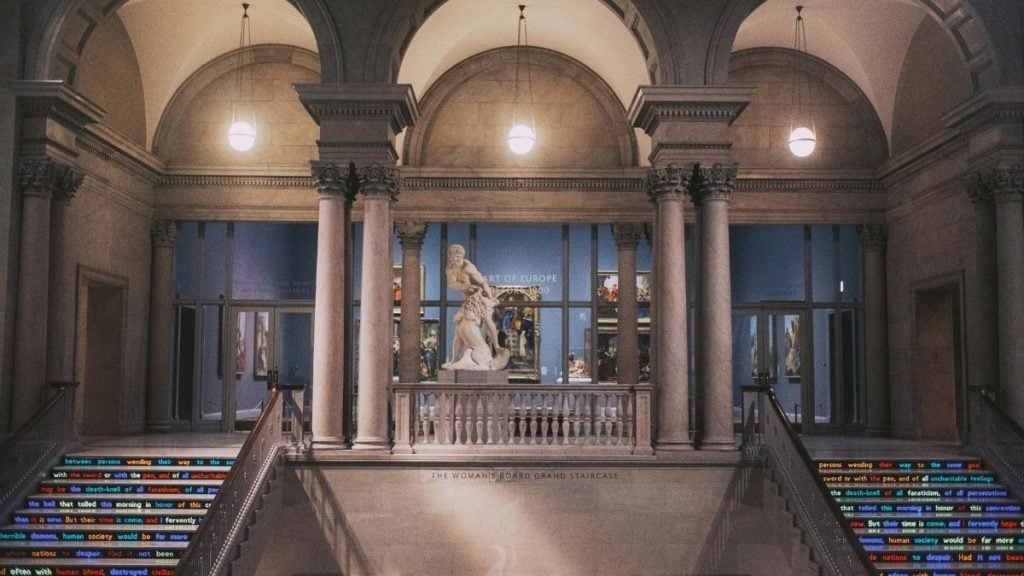
The road trip begins on Adams Street in downtown Chicago, just across from the world-renowned Art Institute of Chicago, a fitting first stop before you leave the city behind.
After a few hours’ drive, you’ll reach Springfield, Abraham Lincoln’s hometown, where you’ll find Cozy Dog Drive-In, which is widely credited as the birthplace of the original corn dog.
Further along, Pontiac stands out as one of the most recognizable Route 66 towns, with large-scale colorful murals across its buildings and a small museum dedicated to the highway.
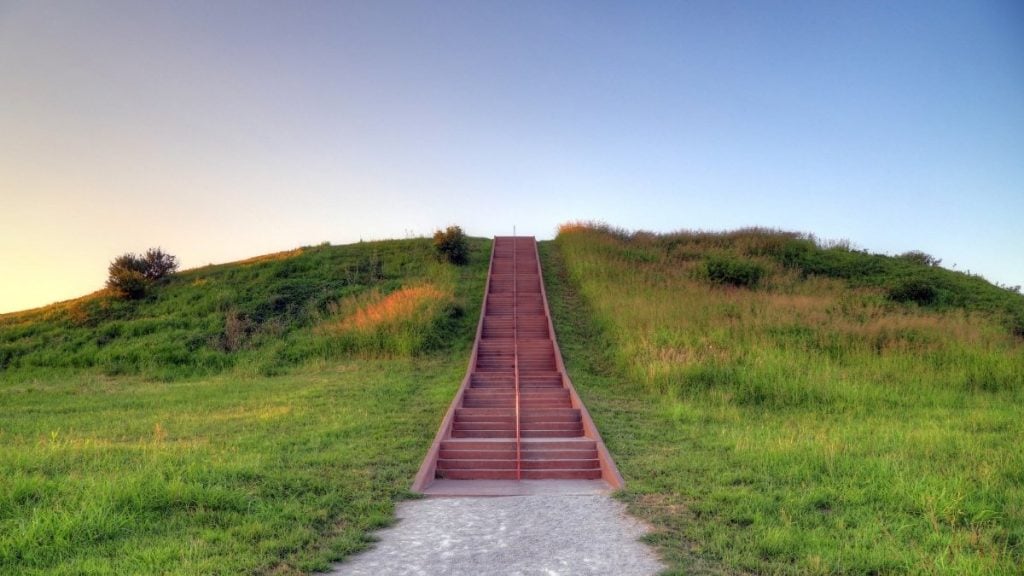
Just a short detour away in Collinsville,visit the Cahokia Mounds, a series of huge, man-made hills — built by Native American communities over 1,000 years ago as part of a once-thriving city.
Finally, arrive at the Mississippi River: a vast, shimmering stretch of water that marks your crossing into Missouri and the next stage of the drive.
- Don’t miss: Art Institute of Chicago, Springfield, Pontiac, Cahokia Mounds World Heritage Site
- Where to stay:
- $ HI Chicago Hostel
- $$ The Hoxton Chicago
- $$$ The Langham Chicago
Missouri: St. Louis and beyond
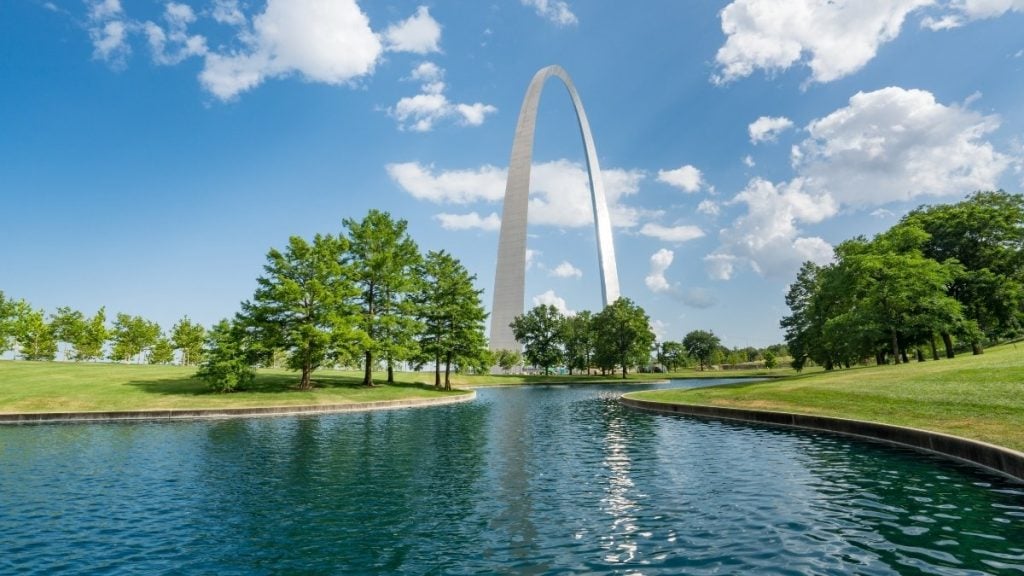
Crossing into Missouri, the drive opens with the Gateway Arch, which is a striking introduction to the west. Route 66 then winds through multiple small towns, each with its own personality.
In Cuba, large-scale stunning murals cover entire building walls, turning the streets into an open-air gallery.
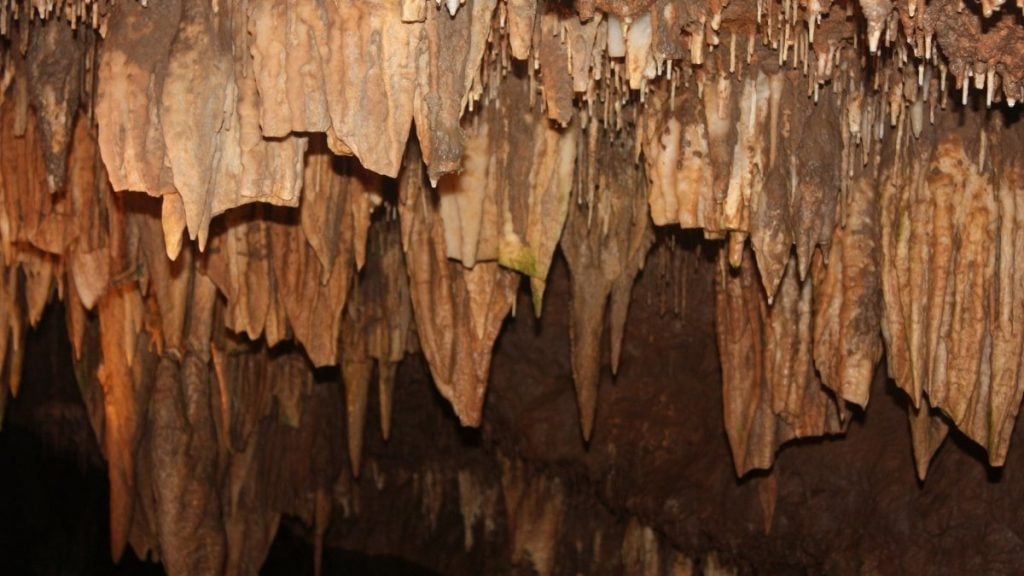
Next, Meramec Caverns offers a change of pace — a vast underground cave system filled with dramatic rock formations, and one you won’t want to miss.
In Rolla, that classic Route 66 feel comes through in its main street — low-rise storefronts, local diners, and stretches of the original road still running straight through the center of town.
Further along, reach Springfield (a different Springfield from the one in Illinois), which is often referred to as the birthplace of Route 66.
- Don’t miss: Gateway Arch, Cuba, Meramec Caverns, Springfield
- Where to stay:
- $ Drury Inn & Suites St. Louis Union Station
- $$ 21c Museum Hotel St. Louis
- $$$ Four Seasons Hotel St. Louis
Kansas: The shortest stretch
Just 13 miles, Kansas is the shortest stretch of Route 66, but it still leaves an impression.
In Galena, one of the first small towns you pass through, you’ll find one of the route’s more memorable roadside attractions: a rusting tow truck said to have inspired Mater from the Disney movie Cars.
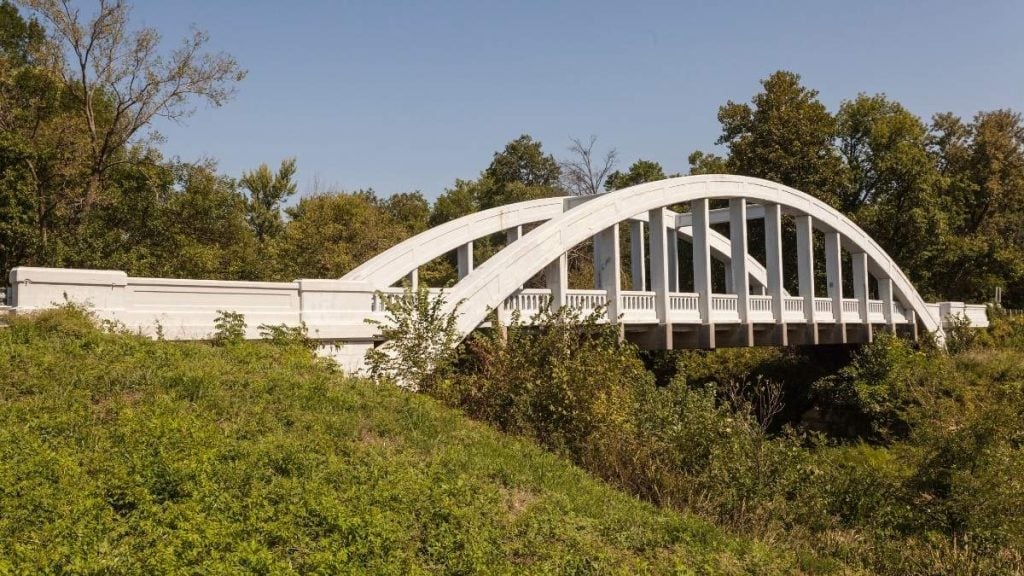
Later on, drive through Baxter Springs — past the historic arched Rainbow Bridge and a retro Route 66 gas station that feels unchanged from the road’s early days.
- Don’t miss: Cars on the Route, Rainbow Bridge, Baxter Springs Phillips 66 Station
Oklahoma: Oklahoma City and the heart of the Mother Road
Oklahoma is often considered the heart of Route 66, with more miles of the original road than any other state.
In Tulsa, visit the iconic Blue Whale of Catoosa and then stop at the Gathering Place, a large riverside park perfect for a relaxing break from the drive.
Just before Oklahoma City, Pops 66 Soda Ranch stands out with its towering bottle-shaped sign and hundreds of sodas inside.
Oklahoma City itself makes a natural overnight stop, with the Oklahoma City National Memorial a powerful and moving place to pause.
Beyond the city, smaller towns like Stroud and Chandler carry that same sense of the historic road, where stretches of the old Rogers Highway still operate.
- Don’t miss: Blue Whale of Catoosa, Pops 66 Soda Ranch, Oklahoma City National Memorial, Stroud, Route 66 Interpretive Center
- Where to stay:
- $ Holiday Inn Express & Suites Oklahoma City Downtown
- $$ The Skirvin Hilton Oklahoma City
- $$$ Omni Oklahoma City Hotel
Texas: The Panhandle
Route 66 cuts across the top of Texas through the Panhandle with long, straight stretches of road, distant horizons, and a landscape shaped by Dust Bowl history.
Starting in Shamrock, the U-Drop Inn — a striking art deco building on the National Register — stands as one of the most distinctive stops.
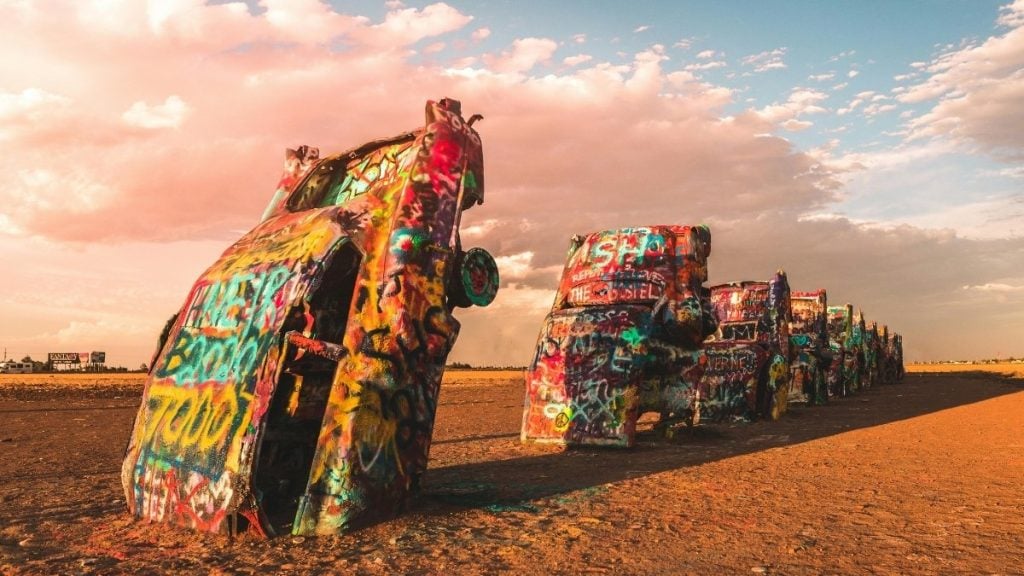
Further west, in Amarillo, you’ll find Cadillac Ranch, a unique spot where visitors are encouraged to leave their own mark with spray paint across an art installation of cars.
And make sure to check out Midpoint Café, marking the exact halfway point of the route.
- Don’t miss: Cadillac Ranch, Amarillo, the Midpoint Café, Adrian
- Where to stay:
- $ Microtel Inn & Suites by Wyndham Amarillo
- $$ Embassy Suites by Hilton Amarillo Downtown
- $$$ The Barfield, Autograph Collection
New Mexico: Santa Fe and the high desert
New Mexico is one of the most visually striking parts of Route 66, where the road runs through high desert landscapes and open skies.
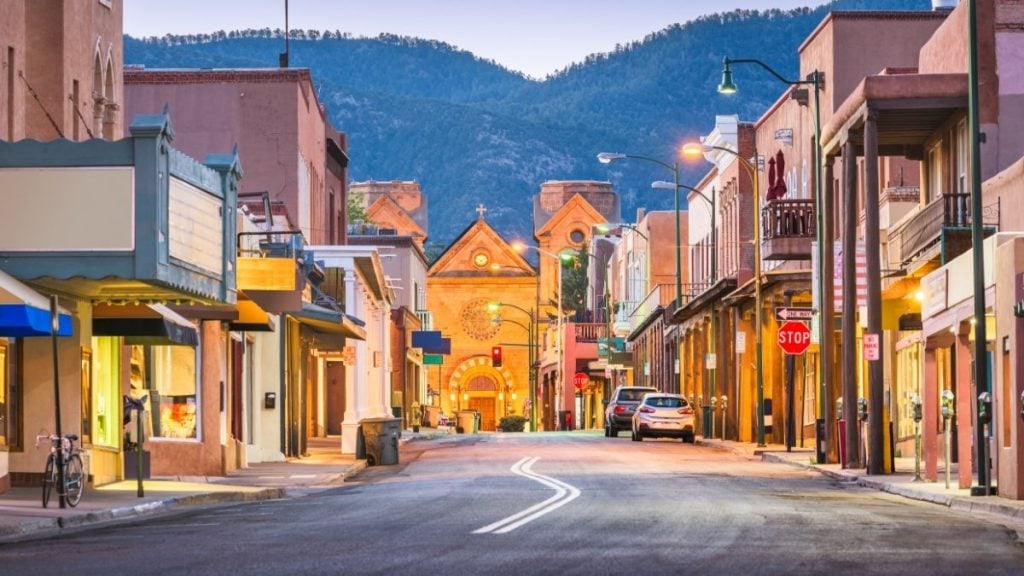
Further west, Albuquerque brings a different energy, with historic Old Town, local markets, and views out to the surrounding desert. From here, a detour to Santa Fe is well worth it, known for its adobe architecture, art galleries, and standout food.
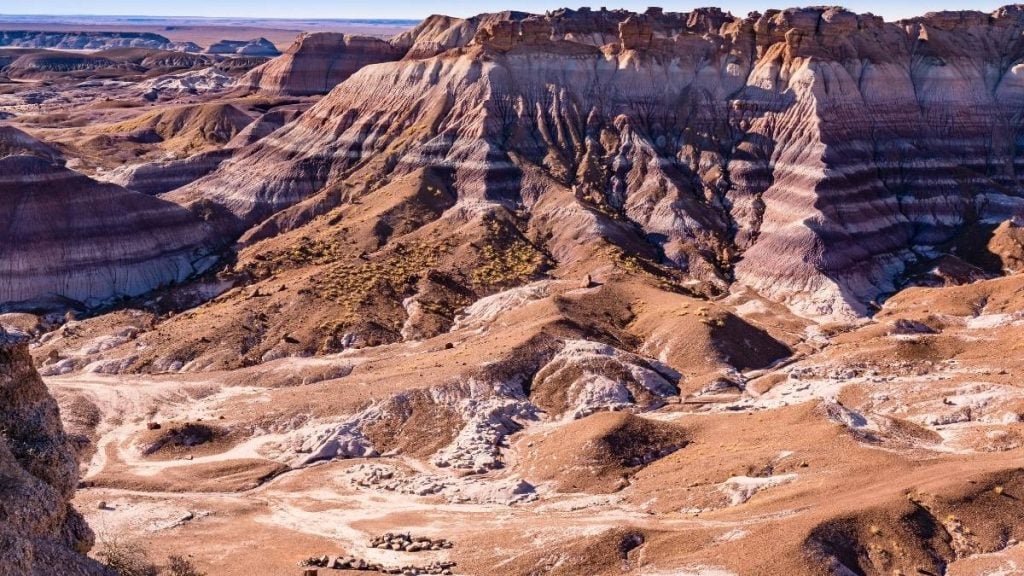
Near the Arizona border, Petrified Forest National Park is a place where fossilized trees lie peppered across the desert, reached along some of the route’s most scenic byways.
- Don’t miss: Blue Swallow Motel, Santa Fe, Albuquerque, Petrified Forest National Park
- Where to stay:
- $ El Rey Court
- $$ Blue Swallow Motel
- $$$ Rosewood Inn Of the Anasazi
Arizona: The Wild West stretch
The landscape shifts in Arizona, with red rock, wide, dramatic horizons, and towns that feel closely tied to the Wild West.
Watch the color change as you drive through Petrified Forest National Park and Painted Desert.
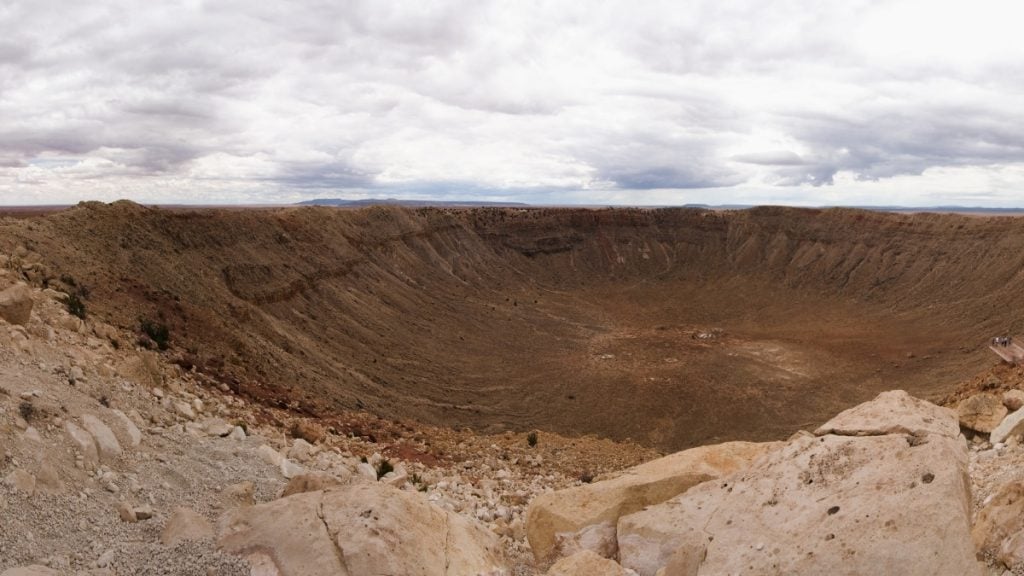
Arrive at Winslow, known for the “Standing on a Corner” stop. And then, Meteor Crater — a huge, perfectly preserved impact site you can walk around.
Flagstaff offers a lively stop and a base for a Grand Canyon detour, before the road leads to Williams, a walkable, nostalgic Route 66 town and gateway to the railway.
Finally, don’t miss Seligman, lined with colorful murals, retro signage, and neon lights; it’s been linked to the inspiration behind Radiator Springs.
- Don’t miss: Petrified Forest National Park, Painted Desert, Meteor Crater, Seligman
- Where to stay:
- $ Historic Route 66 Motel
- $$ Wigwam Motel
- $$$ High Country Motor Lodge – Flagstaff Hotel
Tip from the author: If you only have time for one detour on the entire Route 66 road trip, make it the Grand Canyon. Williams puts you just an hour from the South Rim.
California: Mojave Desert to the Santa Monica Pier
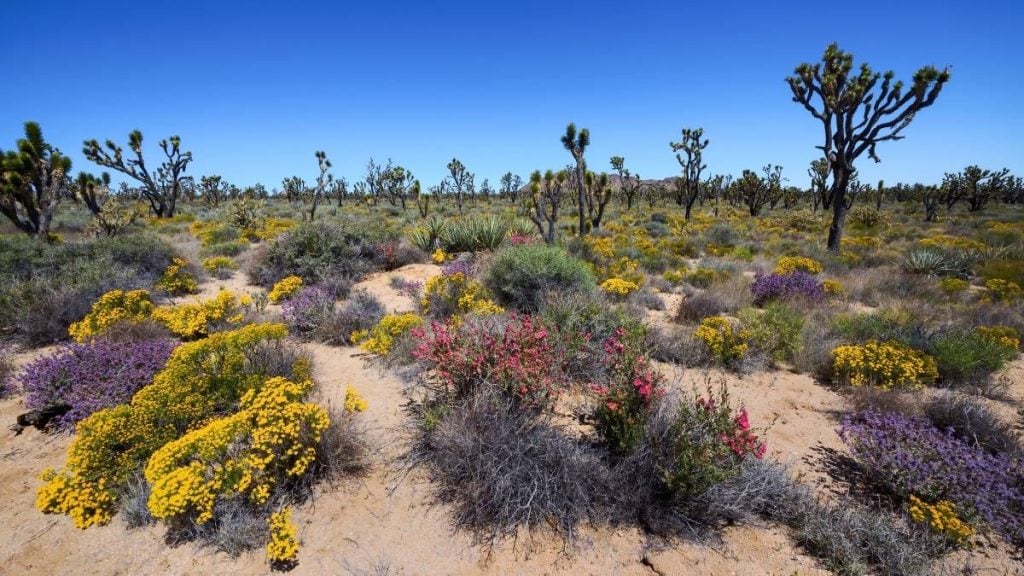
The final stretch into California takes you across the Mojave Desert, where the road eventually meets the Pacific Ocean.
Starting in Needles, it’s worth fueling up before the desert crossing. From here, the drive opens into long, quiet stretches of the Mojave, which are stark, vast, and beautiful.
Along the way, Roy’s Motel and Café stands as one of the most photographed stops on the route, its faded neon lights still intact. Not far from here, Elmer’s Bottle Tree Ranch offers a more eccentric stop — a forest of glass bottles turned into art.
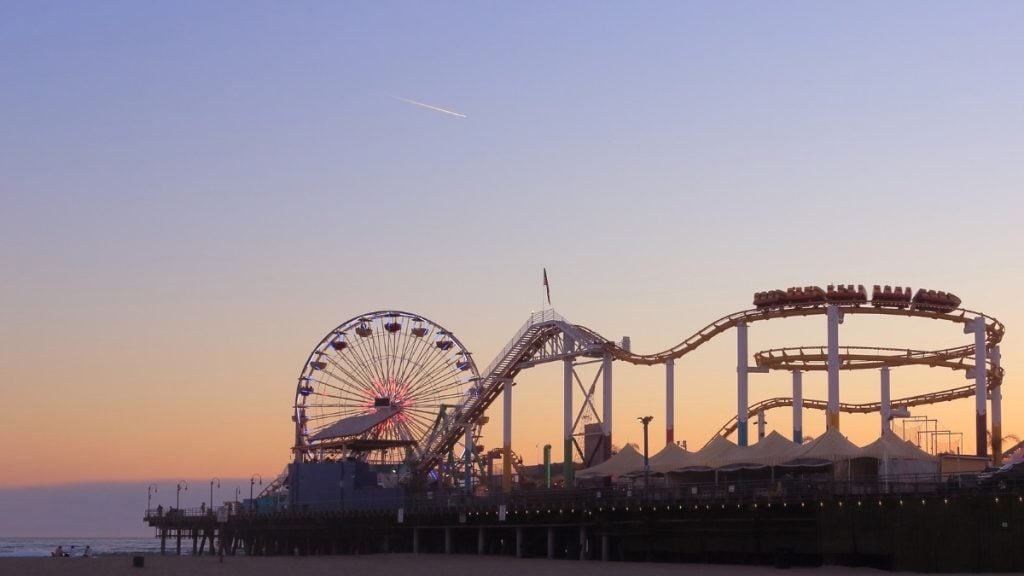
Finally, the road leads into Los Angeles and out to Santa Monica Pier, the official endpoint of this iconic highway.
- Don’t miss: Needles, Mojave Desert, Roy’s Motel and Café, Elmer’s Bottle Tree Ranch, Santa Monica Pier
- Where to stay:
- $ HI Los Angeles Santa Monica Hostel
- $$ The Ambrose Hotel Santa Monica
- $$$ Shutters on the Beach
Must-see Route 66 roadside attractions
The greatest joys of Route 66 come from the sheer density of quirky, unexpected, and truly iconic roadside stops — this section highlights the ones that should be on every road tripper’s list.
Cadillac Ranch, Amarillo, Texas
Ten classic Cadillac cars are buried nose-first in the Texas plains, covered in layers of spray paint. Bring your own can and add to the canvas as it constantly changes. Go to Cadillac Ranch at sunrise or golden hour, when the colors and light are at their best.
The Blue Whale, Catoosa, Oklahoma
In short: a bright blue 80-foot whale sitting in a small pond. In the 1970s, this simple, but long-beloved roadside attraction was once a slide and popular swimming spot for families. Now, it’s easy to explore, just cross the little bridge and take it in from every angle.
Wigwam Motel, Holbrook, Arizona
A working motel made up of concrete teepee cabins, listed on the National Register of Historic Places. Built in the 1950s, it’s one of the most distinctive stops on the historic road — with vintage details and classic cars parked outside.
The Blue Swallow Motel, Tucumcari, New Mexico
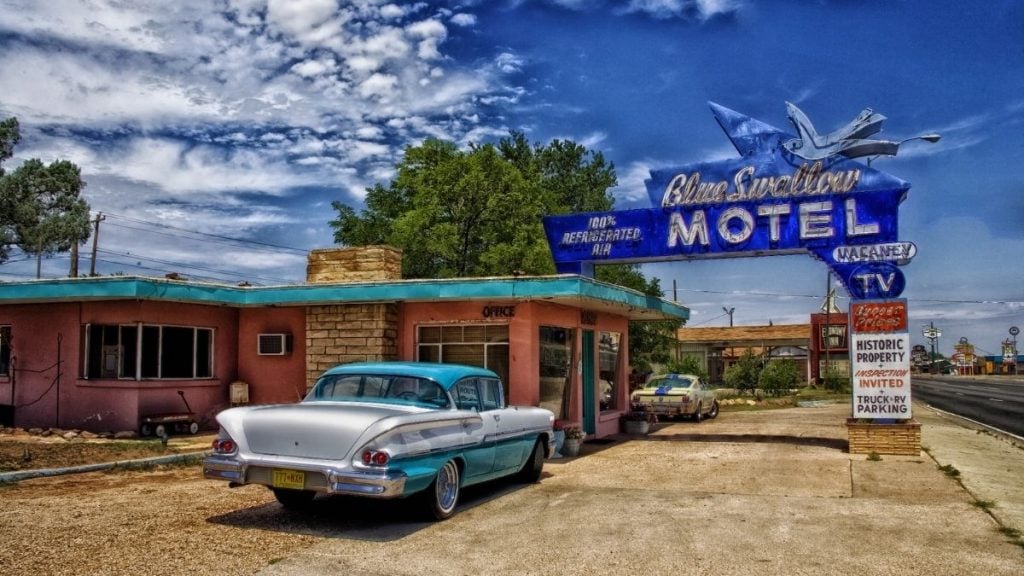
Stop at the Blue Swallow Motel— a beautifully preserved 1939 stay listed on the National Register, still welcoming guests today. Its glowing neon sign feels straight out of the 1950s, lighting up a stretch of Route 66 where vintage gas stations and old-school details make the road feel genuinely alive.
Meteor Crater, Arizona
Just off I-40 near Winslow, Meteor Crater is one of the best-preserved impact sites in the world — nearly a mile wide and 550 feet deep. Standing on the rim, look out to vast, otherworldly natural beauty — it’s hard to grasp the scale until you see it for yourself.
Tips for driving Route 66
A bit of practical planning makes all the difference on Route 66 — from navigation to timing, make the most of your drive.
- Navigation is different here: Route 66 was decommissioned in 1985 and can’t be searched as a single route on Google Maps. Use a dedicated guidebook — the EZ66 Guide for Travelers is widely recommended — or a Route 66-specific app alongside offline maps as a backup.
- Allow more time than you think: Route 66 is all about slow travel. Even if the daily mileage looks manageable, the stops add up fast — and you’ll find yourself wanting to linger. Build flexibility into the itinerary.
- Fuel up early and often: There are long stretches — particularly through the Mojave Desert and rural Oklahoma and Texas — where gas stations are sparse. Fill up whenever you have the chance.
- Book accommodation in advance for peak stops: Iconic stays like the Wigwam Motel and Blue Swallow Motel book out well in advance. If staying in one is on the list, lock it in early.
- Pick the right car: Route 66 is largely paved, but some original stretches are rougher dirt roads. A comfortable, reliable car is more practical for the full drive, especially over longer distances — though renting something with character through Turo is a fun way to match the feel of the route.
- Cash is king in places: Some diners, roadside attractions, and souvenir shops along the route are cash-only. Keep some on hand.
- Time it right: Late spring and early fall are the sweet spots — mild temperatures and fewer crowds. Summer brings brutal heat to Arizona, New Mexico, and the Mojave.
Tip from the author: Don’t try to see everything — you can’t, and you’ll exhaust yourself trying. Pick a handful of stops in each state that genuinely excite you, and let everything else be a happy surprise.
Frequently asked questions about the Route 66 road trip
How long does it take to drive Route 66?
Driving Route 66 takes around 2–3 weeks if you want to experience it properly. You can do it in 10–14 days, but with over 2,400 miles to cover, that usually means rushing past the smaller stops that make the trip.
Which direction should you drive Route 66?
Most people drive Route 66 east to west, with Chicago as the official starting point and Santa Monica Pier as the ending point. You’re following the original route, the landscapes open up as you go, and ending at the Pacific Ocean makes the whole trip feel complete.
How many states does Route 66 pass through?
Route 66 passes through eight states: Illinois, Missouri, Kansas, Oklahoma, Texas, New Mexico, Arizona, and California.
When is the best time to drive Route 66?
The best time to drive Route 66 is spring (April–June) or autumn (September–October), when temperatures are milder. Summer can be extremely hot in desert areas, while winter can bring snow in parts of the route.
Can you navigate Route 66 with Google Maps?
Google Maps can help with general navigation, but it won’t follow the historic Route 66. For a more accurate drive, use a dedicated guidebook like the EZ66 Guide for Travelers or a Route 66–specific app, with offline maps as a backup.
What is the best car for a Route 66 road trip?
The best car for a Route 66 road trip comes down to how you want it to feel. A comfortable, fuel-efficient car makes the long stretches easy, a convertible turns open desert roads into part of the experience, while an SUV or minivan gives you the space to spread out and settle into the drive. With so many choices on Turo, choose the exact car that fits your trip.
Is Route 66 worth driving?
Yes, Route 66 is absolutely worth driving. It’s a drive with incredible scale — from city streets to open plains, desert stretches, into mountain towns — and the feeling of crossing an entire country mile by mile.
Final word: Why the Route 66 road trip belongs on your bucket list
Route 66 is the ultimate road trip through American history, pop culture, and the kind of open-road freedom the country was built on. It keeps revealing something new: old diners, faded motels, roadside stops, and towns that feel suspended in time.
Route 66 is never about rushing from A to B — it’s about everything you discover in between. And with the 2026 Centennial marking 100 years of its existence, now is the time. This is a once-in-a-generation chance to experience it while its stories still feel alive and unfiltered.
Hit Route 66 with Turo
The right car has a huge impact on a Route 66 road trip — whether it’s a roomy SUV for the long haul and all your road trip snacks, or something with classic American character to match the road. With Turo’s flexible, convenient pickup options and huge range of cars, it’s easy to make it your own.
Share your car, earn extra cash
Cover your car payments or earn some extra cash by sharing your car whenever you’re not using it.
Get startedHit the road
Browse thousands of cars for every occasion and budget near you, or wherever you’re going.
Browse cars
Molly Isaac
Molly Isaac is an experienced travel and automotive writer who loves the freedom of exploring new places in her own way and at her own pace. Her driving adventures have taken her through France and Italy, along Route 66, and across Australia, from its coastlines to the desert. She has a particular soft spot for Jeeps, preferably with the roof down, and for trips shaped by nature, spontaneity and a sense of adventure. For Turo, she writes practical, inspiring guides to scenic drives, family road trips and nature-filled escapes, helping travellers plan memorable journeys and choose a vehicle that feels right for the experience.