
posted on February 14, 2026
Texas is huge, bold, and full of surprises, from the rolling hills of the Hill Country to the wide open deserts of West Texas, and the sparkling Gulf Coast to the buzzing streets of Austin and San Antonio. So naturally, you might be wondering, how long does it take to drive through Texas? Non-stop, it is about 10 to 12 hours to cross from east to west, but the real fun is in the stops along the way.
From vibrant cities and historic streets to remote deserts and breathtaking natural wonders, there is something for every kind of traveler. Keep reading to uncover the best routes, must-see sights, and insider tips that will turn a long drive into an unforgettable Lone Star adventure.
This guide covers:
- How long does it take to drive across Texas
- Driving across Texas
- The best time to drive across Texas
- The must-see places during your Texas road trip
- The perfect Texas road trip itinerary
- Car rental and planning tips with Turo
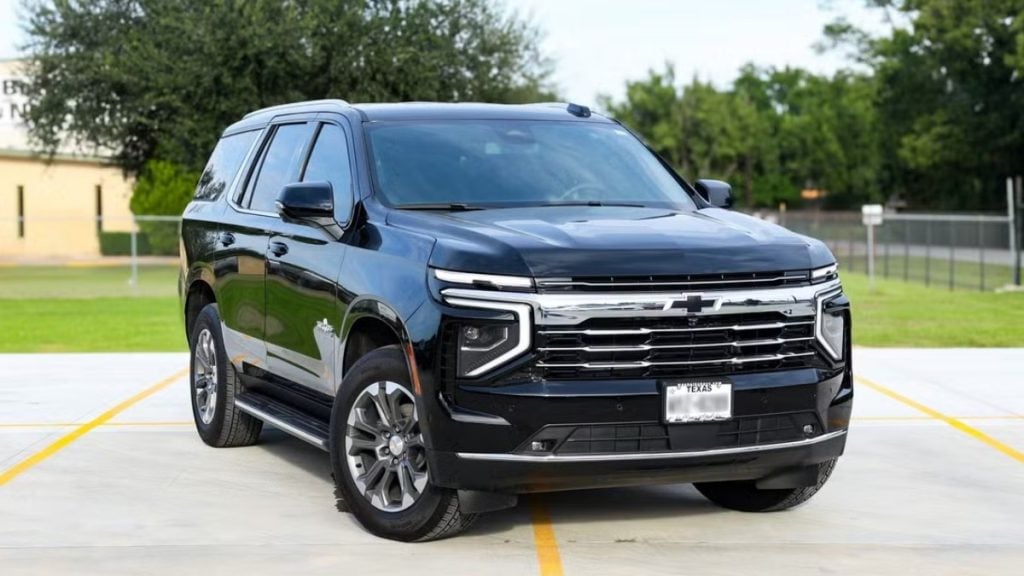
How long does it take to drive across Texas?
- Direct drive time: 10-12 hours (non-stop, Louisiana border to New Mexico border)
- Driving distance: 830 miles
- Recommended trip length: 4–5 days (time for city stops and scenic spots)
Driving across Texas: Popular road trip routes
Texas is full of unforgettable drives, from wide-open desert highways to rolling hills and sparkling Gulf Coast stretches! Here are some of the most popular options and key stops along the way to help you plan the ultimate Texas road trip.
The Classic I-10 East-West Traverse
Driving the full width of Texas along I-10 is the route most people mean when they talk about “crossing Texas”. It’s a long, open stretch that moves from desert landscapes in the west to piney forests in the east, passing through some of the state’s most iconic cities.
- Driving time: 10–12 hours (non-stop)
- Driving distance: 830 miles
- Recommended road trip length: 2–3 days
- Top stops along the way: El Paso → San Antonio → Houston
The Hill Country & Big Bend Loop
Starting and ending in Austin, the route winds through rolling Hill Country wineries, quiet frontier towns, and the wide-open wilderness of Big Bend National Park before circling back through artsy Marfa and the historic Davis Mountains.
- Driving time: 18–22 hours (non-stop)
- Driving distance: 900–1,000 miles, depending on detours
- Recommended road trip length: 4–7 days
- Top stops along the way: Austin → Fredericksburg → Big Bend → Marfa → Fort Davis → Austin
The Panhandle to Gulf Coast North-South Route
Running from the windswept High Plains down to the warm waters of the Gulf, this north–south journey showcases just how dramatically Texas transforms as you travel through it. You’ll move from open prairie to big-city energy to Hill Country scenery and finally to the relaxed coastal vibe of Corpus Christi.
- Driving time: 11–13 hours (non-stop)
- Driving distance: 650–700 miles
- Recommended road trip length: 2–4 days
- Top stops along the way: Amarillo → Dallas/Fort Worth → Austin → Corpus Christi
Car rental in Texas
Whether you’re exploring the Hill Country, cruising the Gulf Coast, or taking on a full cross-state trek, Turo makes it easy to drive across Texas on your own terms.
After something practical for city driving or a larger SUV for those long desert stretches? You’ll find plenty of options to match your trip style and budget on Turo.
Plus, unlike traditional rental companies, you can book directly from local hosts in major Texas hubs like Austin, Dallas–Fort Worth, Houston, and San Antonio, making pickup and drop-off more convenient and flexible.
Planning the drive around Texas
Map out your itinerary:
Decide which part of the Lone Star State you want to explore — whether you’re crossing Texas east to west, following a northern route through the Panhandle, or heading south toward the Rio Grande and the Gulf Coast.
Mark major cities and must-see spots like Big Bend National Park, the Texas Hill Country, Palo Duro Canyon, or the historic sites around San Antonio and El Paso. And use maps to estimate drive times, distances, and rest stops, and double-check where you’ll find gas or food along longer stretches of highway in West Texas.
Prepare for Texas-specific road conditions:
Texas is massive, and road conditions vary dramatically from one end to the other. Expect long, open highways in West Texas with few services between towns, rolling hills and winding backroads in the Hill Country, and higher-speed limits on major interstates that can change quickly near city limits.
In the Panhandle, winds can be strong, and weather can shift fast. Around major cities like Houston, Austin, and San Antonio, traffic and rush hour delays are common. If your route nears the Mexican border or remote desert regions, be prepared for limited cell service and plan rest stops in advance.
Rent the right vehicle:
Choose a car that matches your route — an SUV for mountain areas near the Guadalupe Mountains, something efficient for long interstate drives, or a comfortable sedan for exploring central and southern parts of the state.
With Turo, you can browse a wide range of vehicles and pick up your ideal ride from local hosts in Texas’s major cities, giving you more flexibility than traditional rental counters.

The best time to drive across Texas
Timing your Texas road trip can make a huge difference in comfort, scenery, and overall experience. The state’s size means you’ll encounter a variety of climates, from the arid deserts of West Texas to the humid Gulf Coast.
- Spring (March–May): One of the best times to drive across Texas. Wildflowers bloom in the Hill Country, and temperatures are mild.
- Fall (September–November): Cooler temperatures return after the summer heat, making long drives more comfortable. Fall colors in the Hill Country and Panhandle can be a bonus.
Top places to stop during your Texas drive
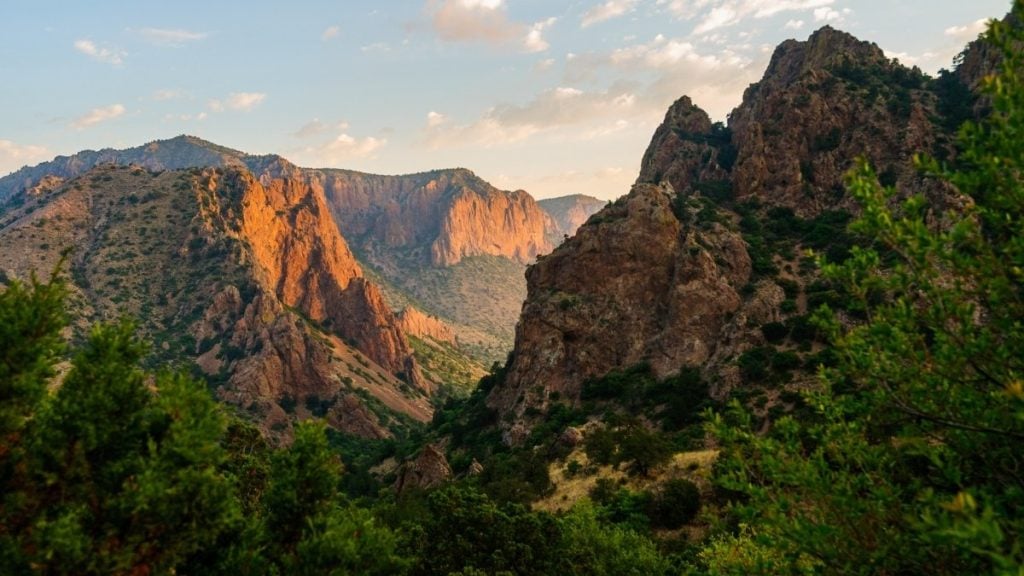
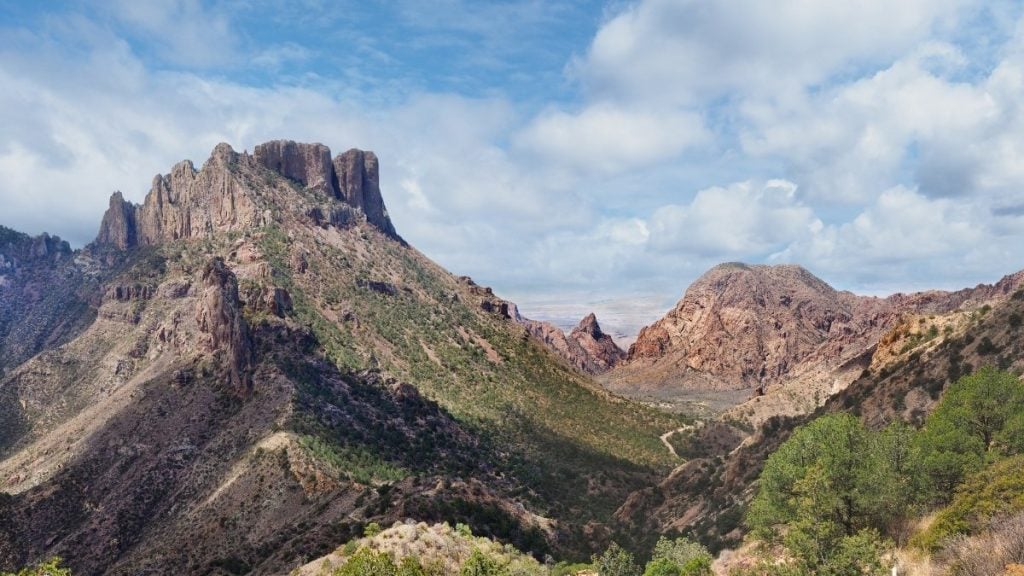
1. Big Bend National Park
Bold and breathtaking, Big Bend National Park showcases West Texas at its wildest. Towering canyons, twisting rivers, and vast desert landscapes make it perfect for hikers, stargazers, and adventurers alike.
- Highlight: Hike the Lost Mine Trail for spectacular views of the Chisos Mountains.
- Tip: Plan for extended periods without services; pack water, snacks, and fuel.
2. San Antonio
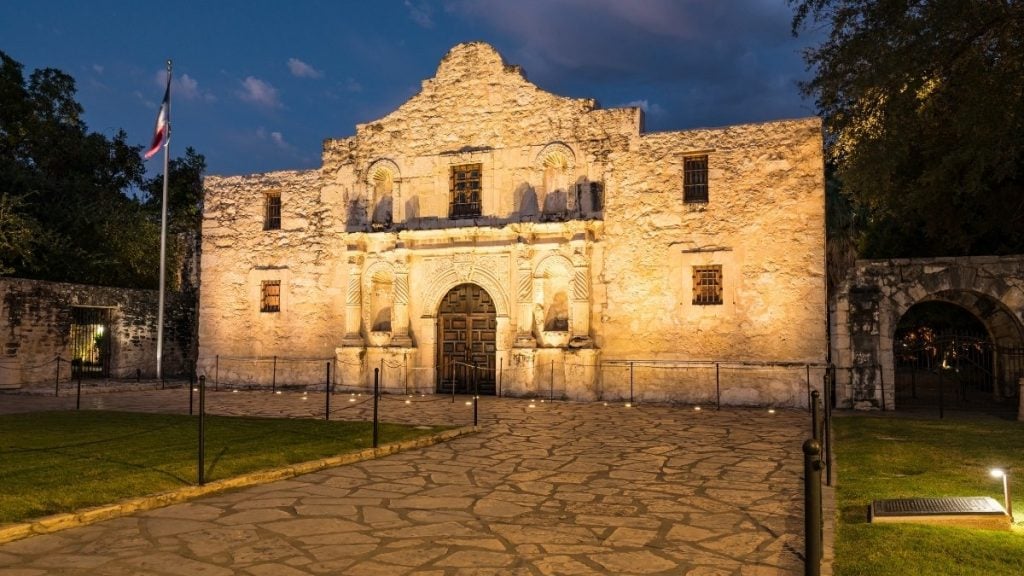
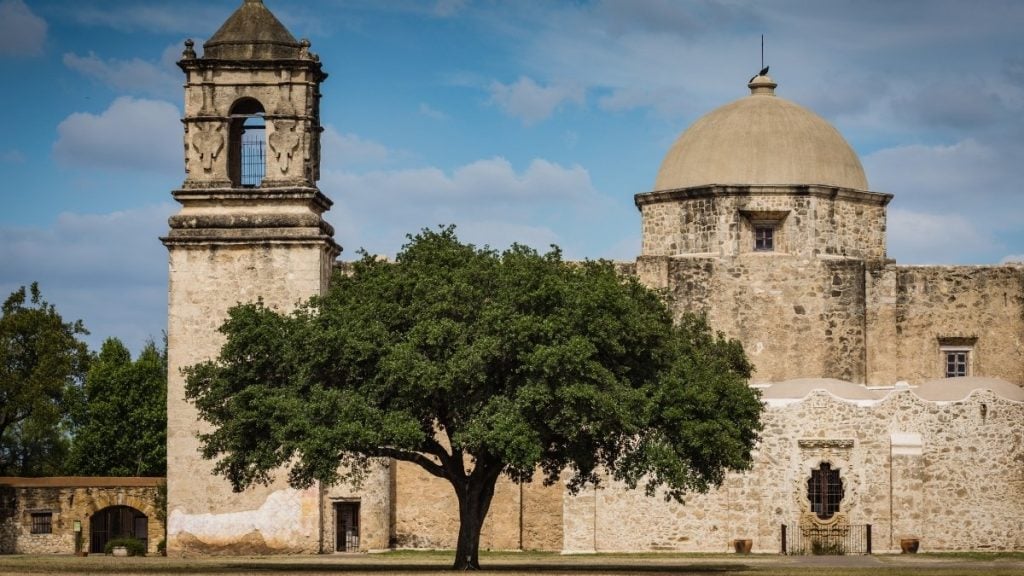
San Antonio sizzles with history and hospitality. From the famous Alamo to the vibrant River Walk, this city combines rich history with a lively, modern atmosphere.
- Highlight: Don’t miss the Alamo and Mission San José.
- Local flavor: Stroll the River Walk and try authentic Tex-Mex along the way.
3. Austin
Austin pulses with music, culture, and culinary creativity. Known as the Live Music Capital of the World, it’s perfect for a pit stop that balances bustling city energy with rolling Hill Country scenery just outside town.
- Highlight: Explore South Congress for shopping, murals, and live music.
- Tip: You can sample barbecue and food trucks across the city.

4. Marfia
Marfa mesmerizes with contemporary creativity and minimalist art. This tiny West Texas town is a haven for artists, photographers, and anyone looking for a unique experience.
- Highlight: Visit the Chinati Foundation for contemporary art installations.
- Must-see: Watch the Marfa Lights for a truly unique phenomenon.
5. Fredericksburg
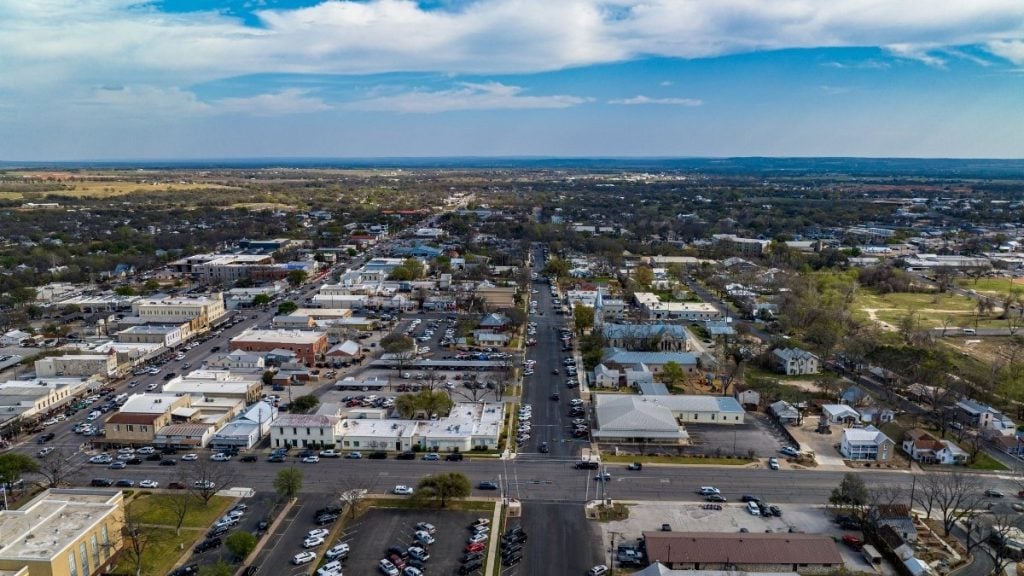
Fredericksburg thrives in the heart of the Texas Hill Country with rolling hills, wineries, and German heritage. It’s ideal for a relaxed stop to enjoy scenic drives and local flavors.
- Wine & dine: Tour vineyards and savor Hill Country wines.
- Highlight: Stroll Main Street for boutique shops and German-inspired architecture.
Recommended Texas driving itineraries
Texas is vast and varied, offering everything from bustling cities to remote deserts and scenic coastlines. Here are three curated road trip itineraries to help you explore the Lone Star State.
Itinerary 1: The Texas Triangle Circuit
- Route: Houston → Austin → Dallas/Fort Worth → Houston
- Drive time: 10–12 hours total (non-stop)
- Drive distance: 600 miles
- Best season: Spring or Fall
- Itinerary:
- Stop 1: Houston – a vibrant city with diverse food, museums, and nightlife.
- Stop 2: Austin – live music, rolling Hill Country views, and iconic South Congress.
- Stop 3: Dallas/Fort Worth – arts, historic sites, and dynamic city life.
- Stop 4: Return to Houston.
This loop connects Texas’s three largest metro areas, giving travelers a mix of culture, cuisine, and city energy. From historic landmarks to live music and culinary highlights, it’s a fast-paced but rewarding journey through central Texas.


Itinerary 2: The Coastal Bend & Border Route
- Route: Corpus Christi → South Padre Island → Laredo → San Antonio
- Drive time: 12–14 hours total (non-stop)
- Drive distance: 700 miles
- Best season: Fall or Spring
- Itinerary:
- Stop 1: Corpus Christi – Gulf beaches, museums, and water sports.
- Stop 2: South Padre Island – coastal fun, birdwatching, and sun-soaked shores.
- Stop 3: Laredo – a border town with rich history and Tex-Mex cuisine.
- Stop 4: San Antonio – the Alamo, River Walk, and historic missions.
This route blends sandy coastlines and southern charm. From relaxing on the Gulf Coast to exploring historic San Antonio, you’ll get a mix of nature, history, and vibrant city experiences.


Itinerary 3: The Northern Escape: Panhandle to Piney Woods
- Route: Amarillo → Lubbock → Abilene → Tyler → Texarkana
- Drive time: 12–14 hours total (non-stop)
- Drive distance: 750 miles
- Best season: Spring or Fall
- Itinerary:
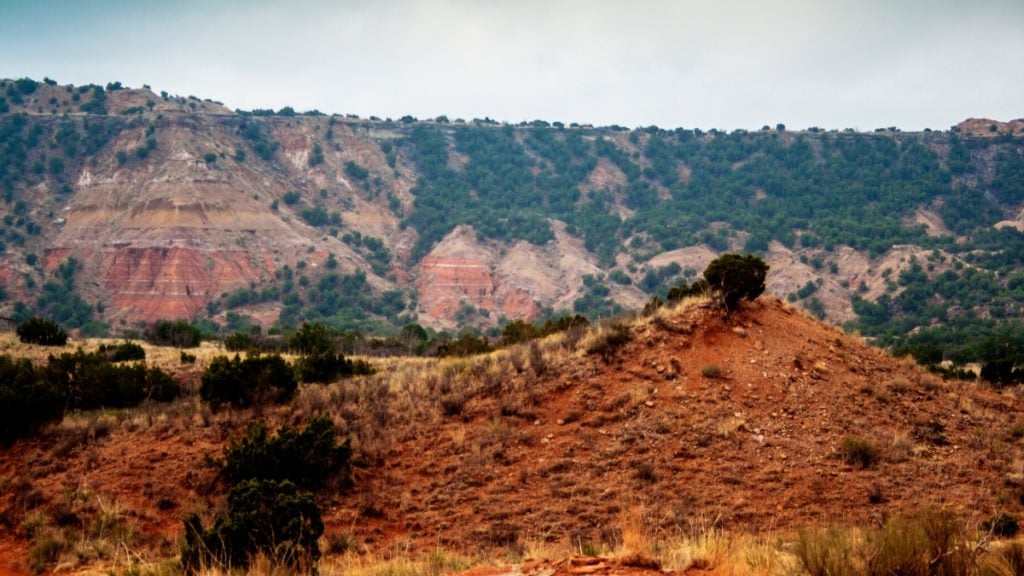
- Stop 1: Amarillo – Palo Duro Canyon and High Plains scenery.Stop 2: Lubbock – museums, music heritage, and college-town energy.Stop 3: Abilene – historic sites and relaxed Texas charm.Stop 4: Tyler – rose gardens, lakes, and piney woods.Stop 5: Texarkana – a unique twin city on the Texas-Arkansas border.
This northern route highlights Texas’s diverse landscapes, from the Panhandle’s canyons to the pine-filled East Texas. It’s perfect if you want to experience small-town charm, outdoor adventures, and scenic drives across multiple regions.
Frequently asked questions about driving across Texas
How long does it take to drive across Texas?
Driving across Texas, for example, from the Louisiana border to New Mexico, takes about 10 to 12 hours of driving time (roughly 830 miles). Most travellers spread it over two to three days to take in the Hill Country, Big Bend, and other scenic stops along the way.
Is it worth driving across Texas?
Absolutely — driving across Texas is a road trip like no other. You’ll roll from the wide-open deserts of West Texas to the lush greenery of the Hill Country, soak in Gulf Coast sunsets, and dive into the vibrant energy of Austin and San Antonio. Every stretch offers something new to see and explore!
How many days do you need to drive across Texas?
To truly enjoy a drive across Texas, most travellers take 2 to 3 days. This allows time for scenic detours, stops in cities like San Antonio and Austin, and visits to natural highlights such as Big Bend or the Hill Country, rather than just powering through the highways.
Can you drive across Texas in a day?
Yes, it’s technically possible to drive across Texas in a day. An east-to-west trip along I-10, for example, is about 10–12 hours of nonstop driving (roughly 830 miles). But you’d miss the scenic stops, historic sites, and unique towns that make the Lone Star State worth exploring.
When is the best time to drive across Texas?
The best time to drive across Texas is spring (March–May) or fall (September–November). Temperatures are mild, wildflowers bloom in the Hill Country, and traffic is lighter than in summer. Summer can be scorching, especially in West Texas and desert areas, while winter can be chilly in the Panhandle and northern regions.
Can I rent a car for my Texas road trip on Turo?
Yes, you can rent a car for your road trip on Turo from local hosts across Texas. Choose from a wide range of vehicles to suit your style and budget, and enjoy the freedom to pick up and drop off at convenient locations that fit your schedule.
Rent a car on Turo in Texas and hit the road
There’s no better way to see the vast and varied landscapes of Texas than behind the wheel. With Turo, you can choose the ideal vehicle for your adventure — from nimble city cars to roomy SUVs built for long stretches of highway. Every car is hosted by a local, giving you more options, flexibility, and character than a traditional rental.
Pick up your car in major Texas cities, plan your route, and explore the state at your own pace. Whether you’re winding through the Hill Country, soaking up the Gulf Coast sun, or hiking in Big Bend National Park, having your own car means you can go wherever the road takes you.
Share your car, earn extra cash
Cover your car payments or earn some extra cash by sharing your car whenever you’re not using it.
Get startedHit the road
Browse thousands of cars for every occasion and budget near you, or wherever you’re going.
Browse cars
Sian Henderson
Sian Henderson is both a cosied-up travel content writer and an avid outdoor traveller. She’s road-tripped around New Zealand, navigated the bustling streets of Vietnam, and sunbaked on the shores of Hawaii and beyond. With a love of getting behind the wheel and taking the scenic route, she brings a firsthand traveller’s perspective to road-trip content. For Turo, Sian has written travel blogs and destination guides spanning road trips, city escapes and destinations across Australia, the US, UK and Canada. She’s also worked across hundreds of pieces of Turo content, giving her a keen eye for what makes a great trip! From finding the right car for the journey to uncovering the best places to stop, snack, and take in the view, Sian has many great tips to keep you on track.