by Anna Hann
posted on 10 February 2025
Beautiful Northern Ireland, in the northeast corner of the Emerald Isle, has some incredibly scenic journeys through magnificent countryside.
One of the great things about Northern Ireland is its size. You don’t have to drive long distances between the scenic highlights. However, if you want to get beneath the skin of Northern Ireland, you can combine journeys to create a longer, bespoke Northern Ireland road trip, such as pairing the Causeway Coast with the Sperrin Mountains or creating your own Game of Thrones road trip by combining parts of the Causeway Coastal Route (to catch sights like the Dark Hedges and Stormlands), with the Mourne Mountains road trip to visit the studios where much of the series was filmed.
Not sure where to start? It might be handy to know that the Giant’s Causeway Coastal Route in County Antrim is one of the most popular for good reason. You get dramatic sea views, the chance to see famous filming locations, and stop at the incredible Giant’s Causeway itself.
Route 1: Giant’s Causeway Coastal Route
Northern Ireland’s headline drive is the Causeway Coast. It’s a 130-mile route through the part of County Antrim that hugs the Antrim coast between Belfast and the walled city of Londonderry and features a stop at the magnificent Giant’s Causeway.
You can make this Northern Ireland road trip into a scenic anticlockwise loop, tracing up the Antrim coast past coastal towns to Londonderry, then taking the direct road back to Belfast.
Belfast
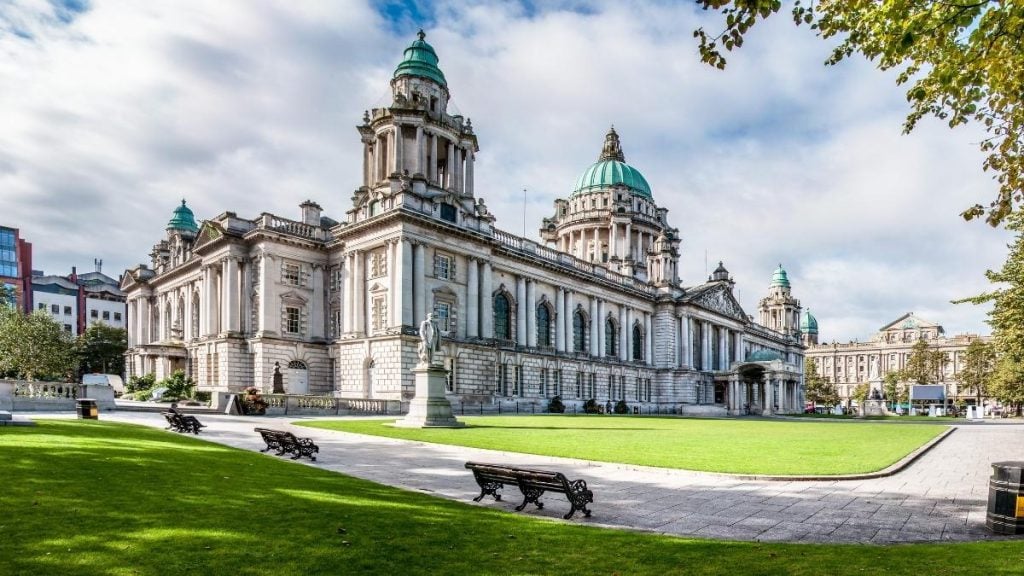
Before setting off on the Causeway Coastal Route, take some time to explore Belfast first. You could enlist the help of a Belfast city guide or take a famous Black Taxi Tour, but planning a self-guided tour is easy, and most attractions are within easy walking distance from each other. You won’t want to miss Titanic Belfast, an incredible museum dedicated to this infamous ship, with interactive displays and fantastic storytelling. It’s one of the city’s key attractions, so allow a few hours to get the most out of your visit. You might also want to visit Belfast’s Cathedral Quarter, a 30-minute walk from Titanic Belfast, or the Ulster Museum.

Carrickfergus Castle
When you’re ready to set off, pick up your car rental and take the A2 Shore Road – also known as the Marine Highway – towards Carrickfergus Castle on the north edge of Belfast Lough. Although it’s only a 20-minute drive from Belfast city, make this Norman castle your first stop if you’re interested in military history.
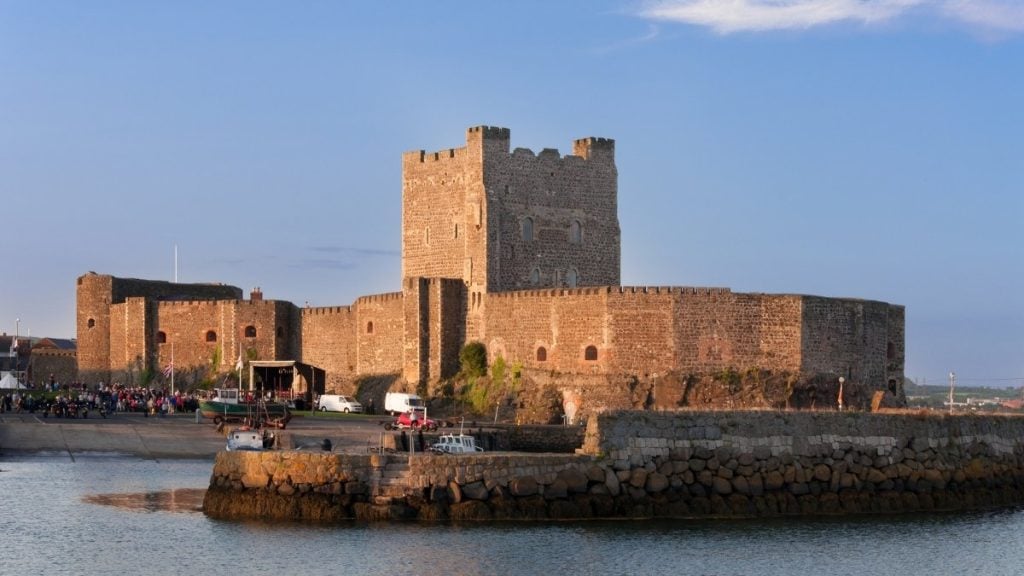
The Gobbins and Glenarm Castle
Whether or not you decide to stop at Carrickfergus Castle, don’t miss The Gobbins. This remarkable coastal path, restored from the Edwardian era, is a cliff path featuring tunnels, bridges, and views of the rugged cliffs and the dramatic sea below.
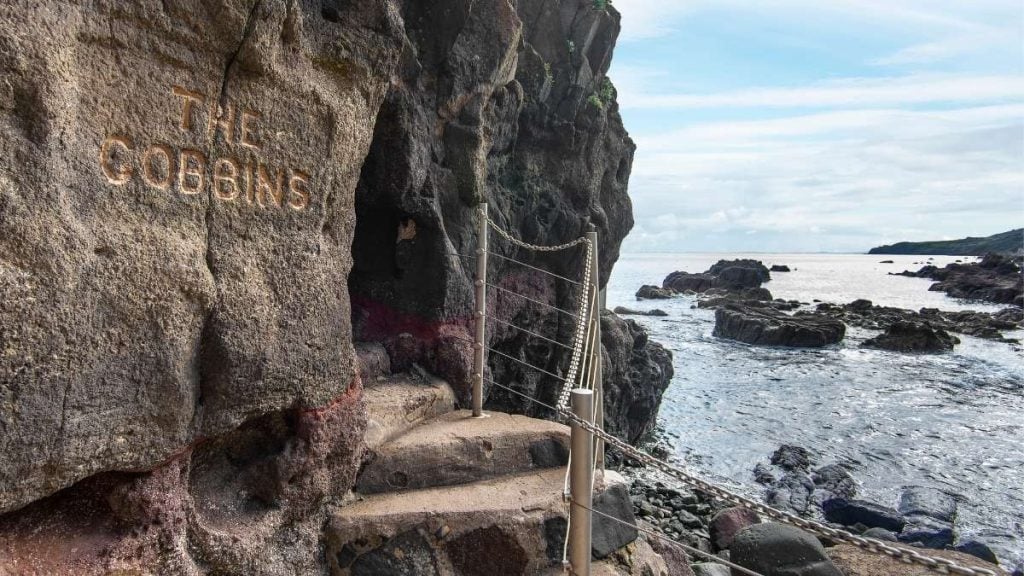
Then, head north on the Coast Road, making Glenarm Castle your next stop. It’s a handsome castle in landscaped gardens with countryside and coastline views.
Glens of Antrim
If you’re planning on a slow journey, plan to dedicate some decent time to this scenic area. The sublime Glens of Antrim is nine glens of extraordinary beauty steeped in folklore and mystery. You could take an optional detour to see a spectacular waterfall in Glenariff Forest Park, the so-called Queen of the Glens. It’s a three-kilometre walk to the waterfall, although longer and shorter trails are available, depending on how much time you have.
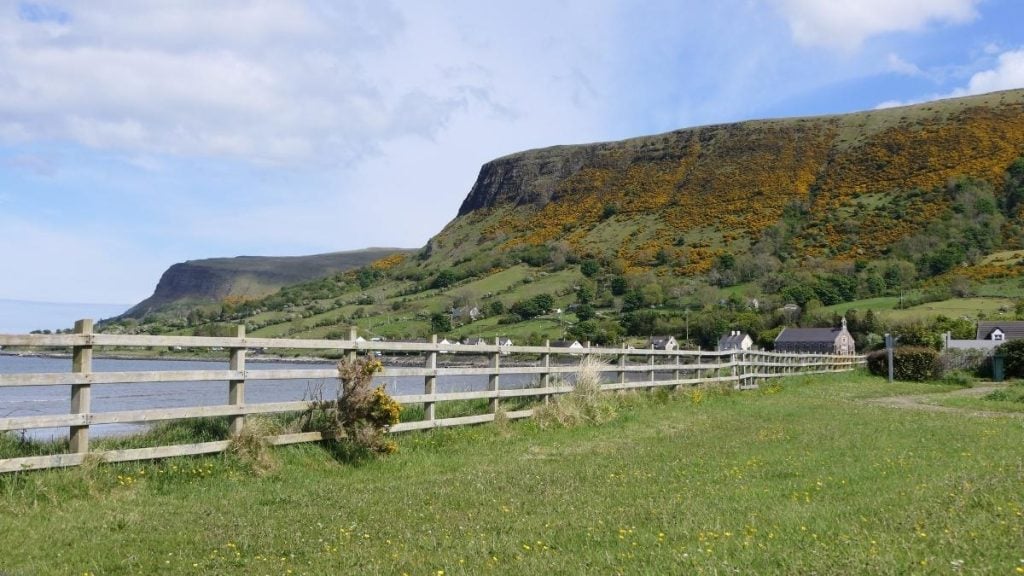
Cushendun
The little village of Cushendun shot to fame after it was used for filming in Game of Thrones. Around the village, you can see the 400-million-year-old Cushendun Caves on the Antrim coast that were the Stormlands, or head inland to the Dark Hedges, which doubled as the King’s Road in Westeros.
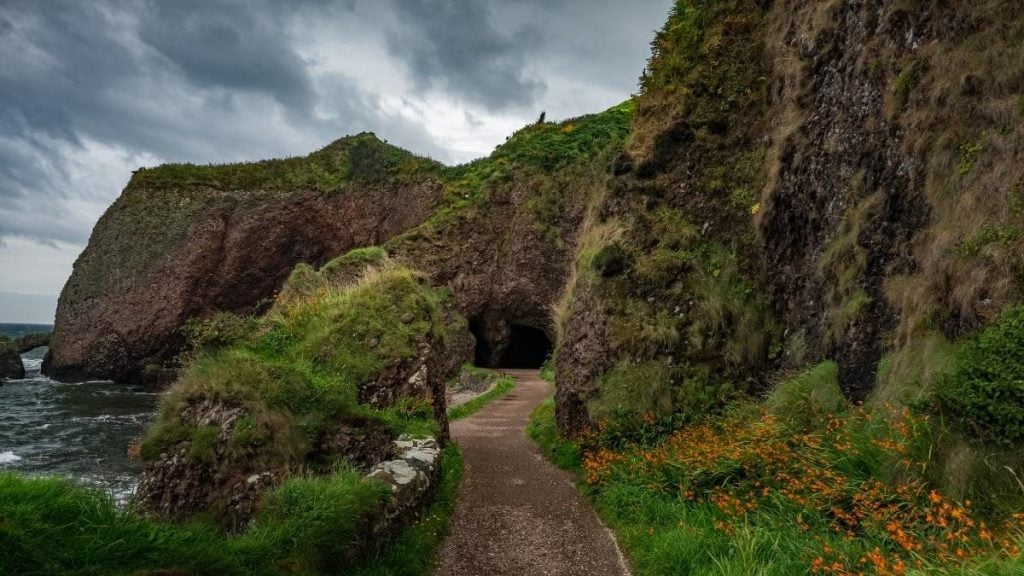
On your journey north from Cushenden, you could stop at Torr Head, a viewpoint once used as a lookout point for early navigators. You’ll get a sense of serenity and solitude here, with spectacular views of nearby Rathlin Island and Fair Head. You might even glimpse the Scottish coast across the Atlantic if you’re lucky enough to visit on a clear day.
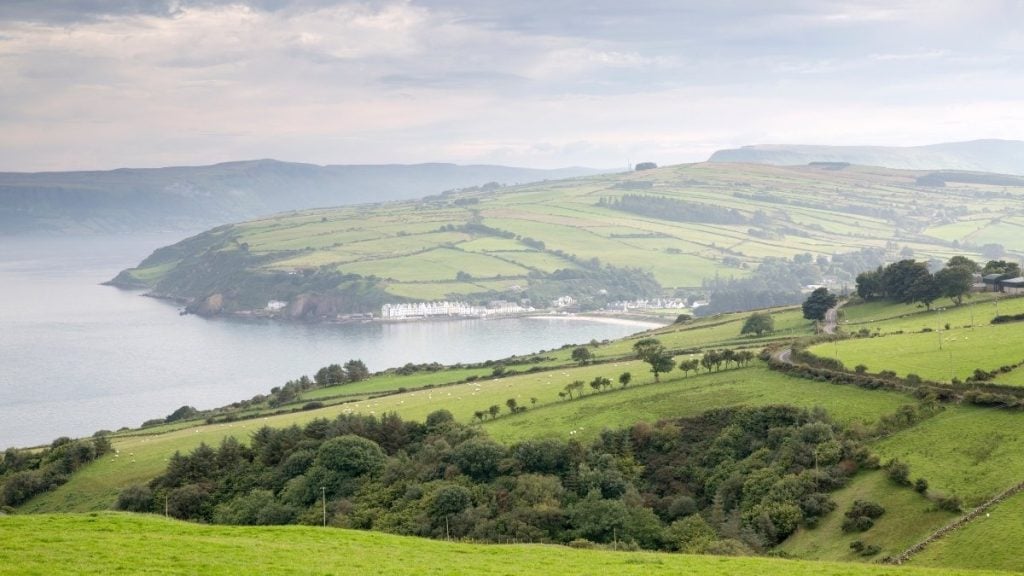
Rathlin Island
If you’ve got time, plan to spend a whole day on Rathlin Island. It’s just a short ferry ride from Ballycastle on the mainland, and you can explore the cliffs that tower above the Atlantic Ocean and get to know the incredible wildlife that calls this island home. The Boathouse Visitor Centre is open seasonally, and it’s a good place to start your visit, giving you some background about the island’s history, what life is like for today’s islanders, and seeing some artefacts from shipwrecks around the island. After that, there are plenty of walks to try. One of the most popular is along the shore of Mill Bay, where there’s a chance of seeing seals.
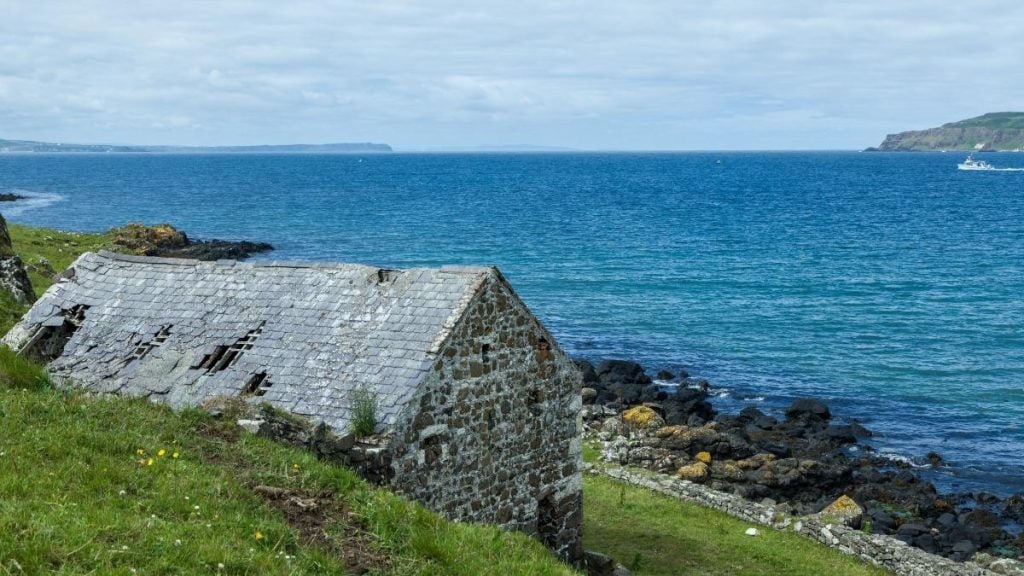
Ballintoy and Carrick-a-rede Rope Bridge
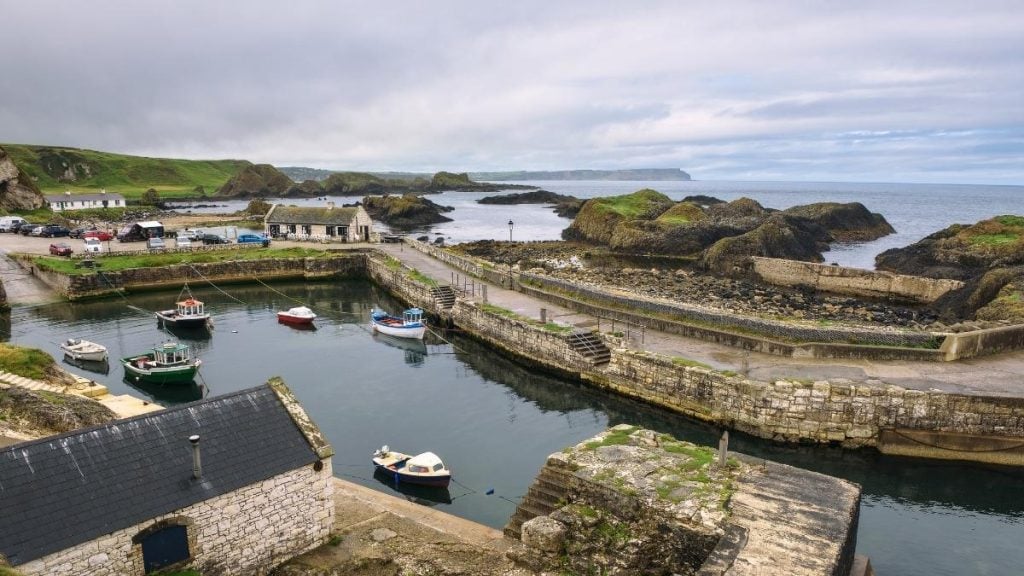
Back on the mainland, at Ballintoy, a steep switchback road leads down to the sea in a breathtaking sight. Looks familiar? That’s because it was a filming location for the Iron Islands in Game of Thrones.
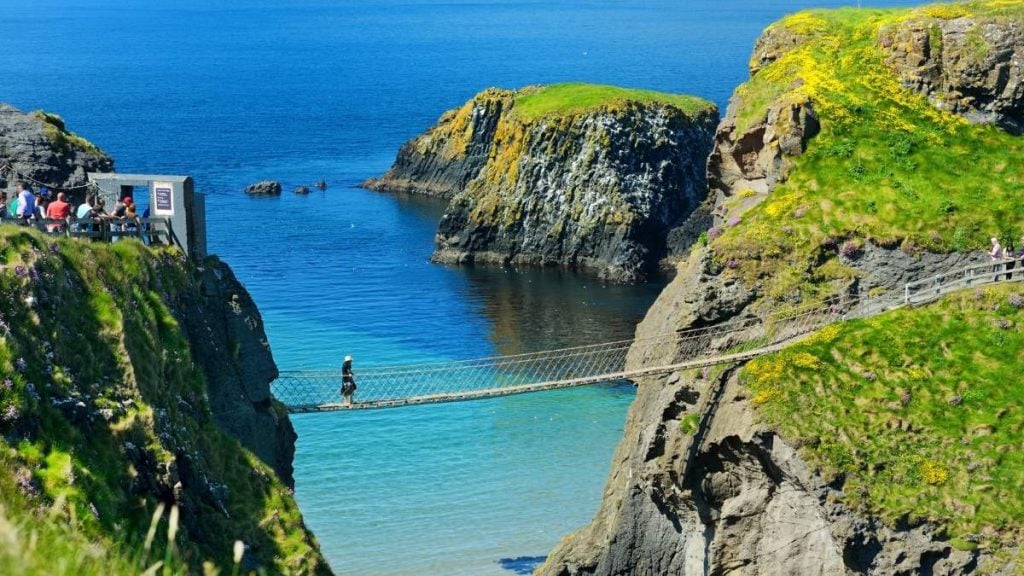
Nearby, challenge yourself to a precarious walk across the Carrick-a-rede Rope Bridge. This wooden walkway is strung high above the Atlantic Ocean, crossing to a rocky outcrop. Crossing the rope bridge makes a brilliant photo if you can brave it.
Bushmills
A tour of the world’s oldest licensed whiskey distillery, Bushmills Distillery, is a must-stop for whiskey lovers. It was first licensed to distil whiskey in 1608, and it still makes single-malt whiskey in copper pots today. You can take a guided tour of Bushmills Distillery, which is the best way to understand the history and processes involved. If time doesn’t allow, you might still want to pop by and pick up a bottle of Bushmills Distillery Causeway Collection whiskey to take home.
Giant’s Causeway
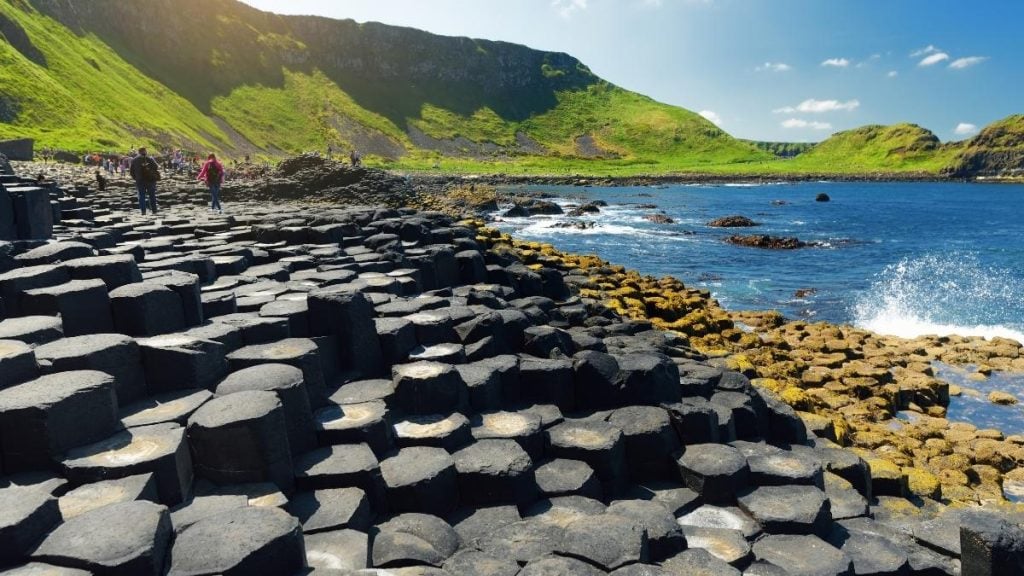
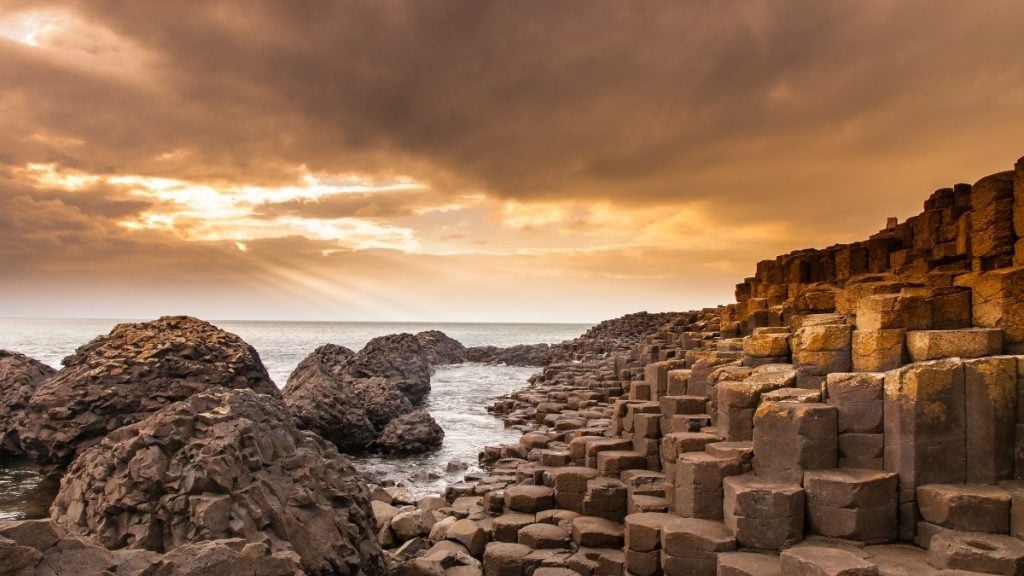
Without question, the Giant’s Causeway is a highlight of the Causeway Coastal Route. Giant’s Causeway is a UNESCO World Heritage Site, and once you see it, it is easy to understand why it’s so revered. An ancient volcanic eruption over 60 million years ago created hexagonal basalt columns. However, legend has it that an Irish giant, Finn McCool, created the causeway to cross the Irish Sea to face a rival Scottish giant. Finn McCool’s boot also lies fossilised at the Giant’s Causeway in the bay locals call Bay of the Giant.
There are four self-guided hiking routes to explore the Giant’s Causeway, coloured-marked in blue, red, green and yellow, each less than two miles long. A guided walk option covers around five miles, allowing you to see more of the Giant’s Causeway.
Dunluce Castle
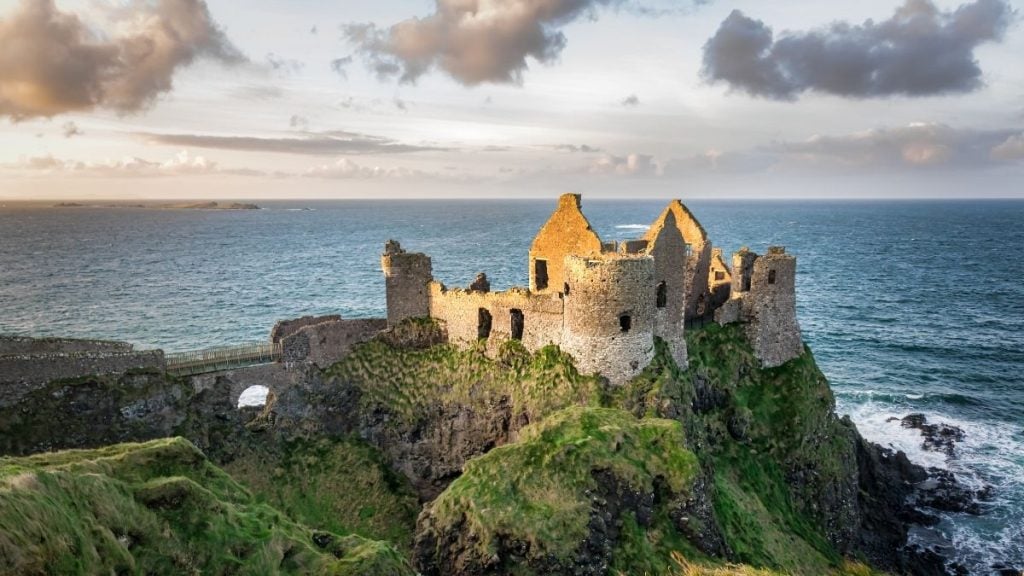
The short journey from the Giant’s Causeway to Dunluce Castle takes you through scenic landscapes with panoramic views of the rugged cliffs and the shimmering sea. As you approach Dunluce Castle, perched dramatically on a cliff edge, you’ll be struck by its medieval architecture which is crumbling into the sea.
The eerie Dunluce Castle doubled as the House Greyjoy in GoT. Pause to see it, then follow the coastal road onto Portrush, home to fabulous golf courses and great restaurants. Depending on the pace of your journey, you could stop overnight here, perhaps treating yourself to a night at the new Dunluce Lodge.
Mussenden Temple
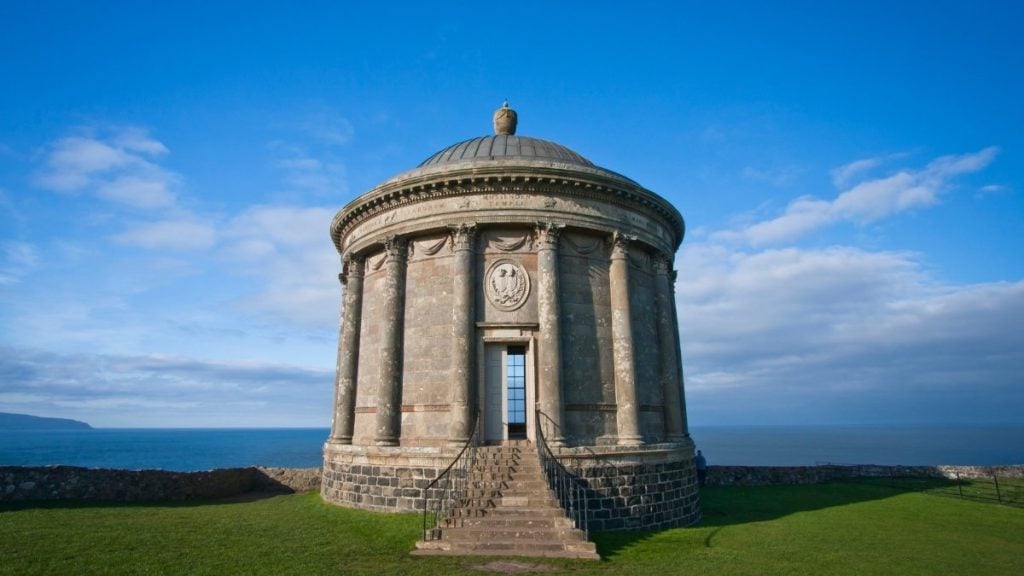
Next up is Mussenden Temple, a captivating destination on a cliff’s edge, which provides a view of the coastline and rolling hills and overlooks Downhill Strand beach. The temple was once a personal library for the Earl of Bristol. Today, it’s appreciated as an architectural gem and a serene spot for a stroll on the Causeway Coast.
Londonderry
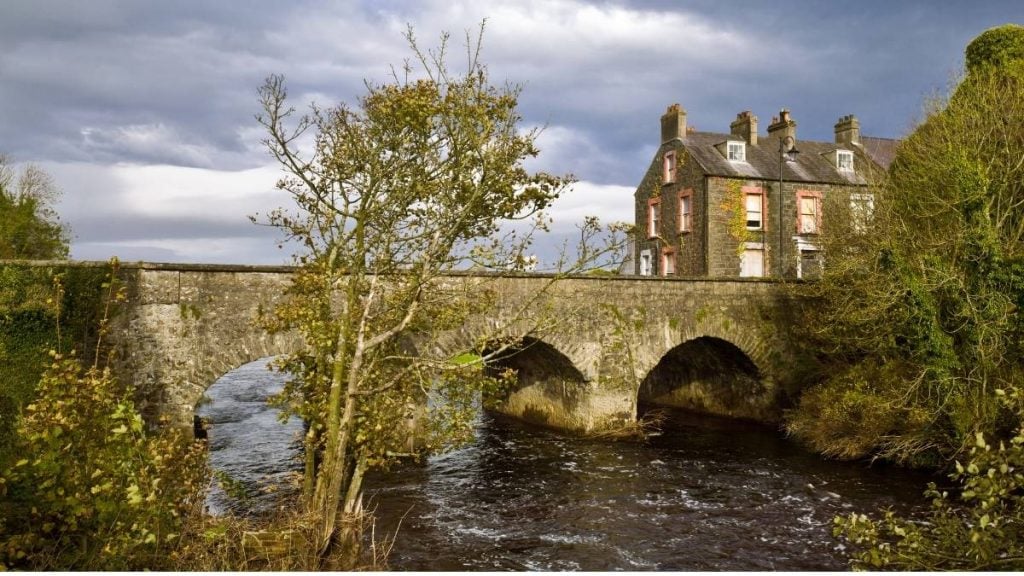
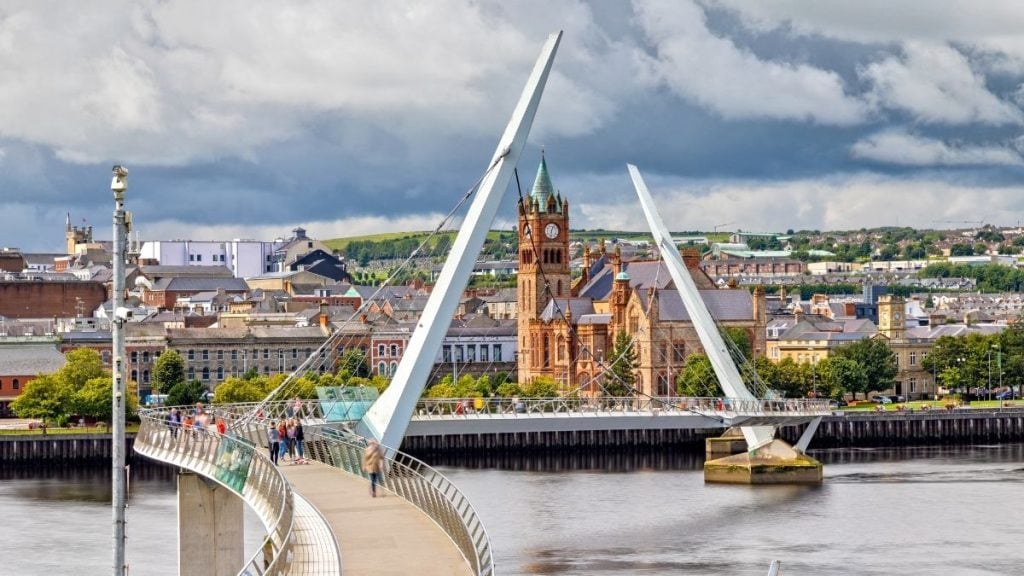
Take the A2 from Mussenden Temple to Londonderry on a journey that’ll take you around 45 minutes. Londonderry is the only remaining completely walled city in Ireland. The city is also known for its Peace Bridge, symbolising the reconciliation and connection between communities, connecting Ebrington Square with the city centre.
From the city walls of Londonderry, make your Northern Ireland road trip circular and head back to Belfast city on a faster, more direct route on the A6, around a 70-mile journey. You’ll trace around the northern edge of the Sperrin Mountains.
Once you return to Belfast, catch up on anything you missed before you set off, or get to know parts of the city in more detail by choosing a guided walking tour. If you find yourself in the city on a Friday, Saturday, or Sunday, call in at St George’s Market — it’s one of the city’s oldest attractions, and you can peruse stalls brimming with local produce.
Car rental for the Giant’s Causeway Coastal route
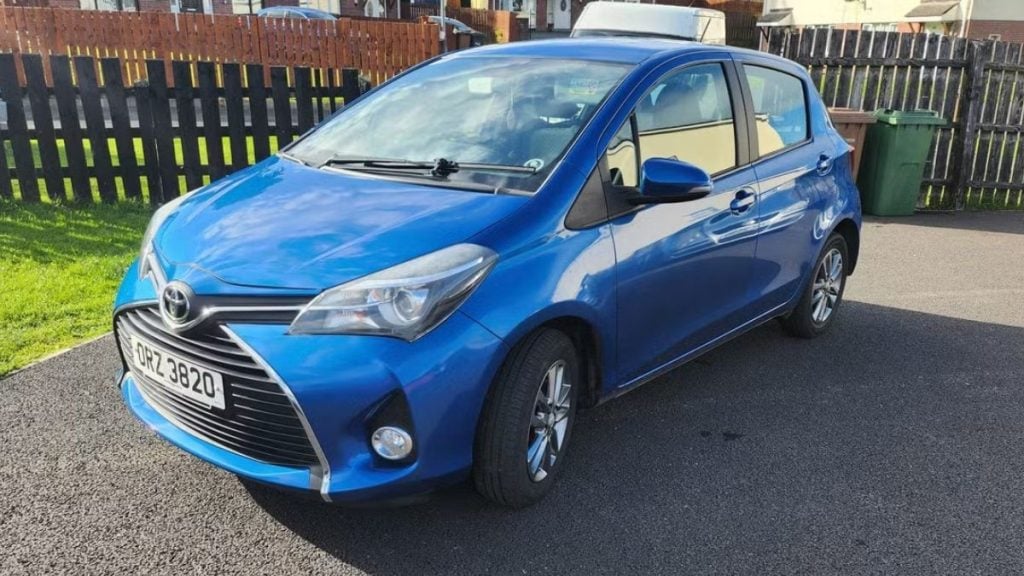
If you’re flying to Belfast for your Northern Ireland road trip, you can collect a rental car on Turo from the city centre or arrange a convenient pick-up location with your host.
Route 2: The Mourne Mountains
This 125-mile Northern Ireland road trip has you driving from Belfast to Banbridge and, from there, taking an anticlockwise circuit around the Mourne Area of Outstanding Natural Beauty, dominated by the Mourne Mountains. There are more Game of Thrones filming sites on this road trip, including a visit to studios in Banbridge. A stretch of coastal route also takes you along the road that overlooks the Irish Sea.
Your journey begins in Belfast. Depending on what time you want to set off, you could start your morning with a visit to Titanic Belfast, where you can immerse yourself in the fascinating story of the infamous ship through interactive exhibits, or visit the Cathedral Quarter. No time? Don’t worry. This is a circular road trip, so if you want to get going and hit the road, plan to spend more time in the city on your return.
Hillsborough
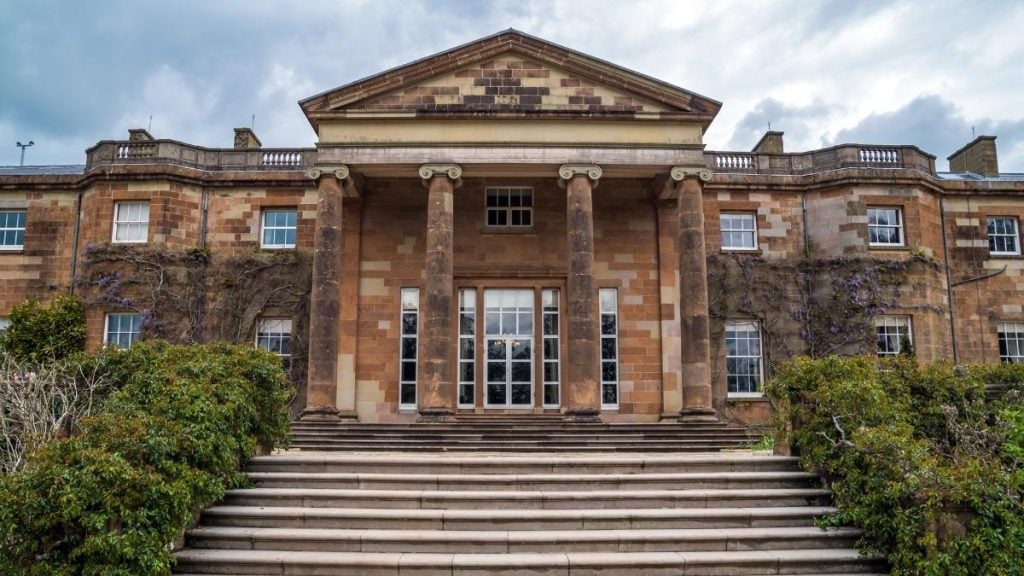
Hillsborough Castle is Northern Ireland’s royal residence. Driving from Belfast to Hillsborough is around an 18-mile journey, typically taking 30 minutes. Hillsborough Castle is set on 100 acres, so you can walk through the grounds or join a guided tour through the State Rooms.
Banbridge
From Hillsborough, take the A1 road southbound past farms typical of the rural County Down and eventually merge onto the A3, which will guide you towards the scenic areas leading up to the Game of Thrones Studio Tour in Banbridge. This tour is at the former Titanic Studios, where some of the series’ most iconic scenes were filmed.
Tollymore Forest Park
Head southeast to Tollymore Forest Park, where the opening scenes of GoT were shot when the Rangers of the Night’s Watch found bodies in the snow. From here, you could take an optional detour to Castle Ward, a National Trust property near Strangford – its farmyard was the location for Winterfell, home of the House of Stark.
Newcastle
Start in the shadow of the Mournes’ lofty peak, Slieve Donard, in the seaside town of Newcastle, where the mountains sweep dramatically down to the water. It’s a good spot to stop for a beach walk or continue down the coast to Annalong.
Annalong and Kilkeel
You might want to pull over to see the seaside villages of Annalong and Kilkeel. Annalong has a restored mill, and Kilkeel is considered the seafood capital of the region. Next, the journey takes you inland to the Silent Valley, a lake-filled glen in the Mourne Mountains. This peaceful pocket of Northern Ireland attracts walkers and wildlife watchers. If you’ve got time, there are seven waymarked trails, graded by difficulty depending on the level of challenge you want.
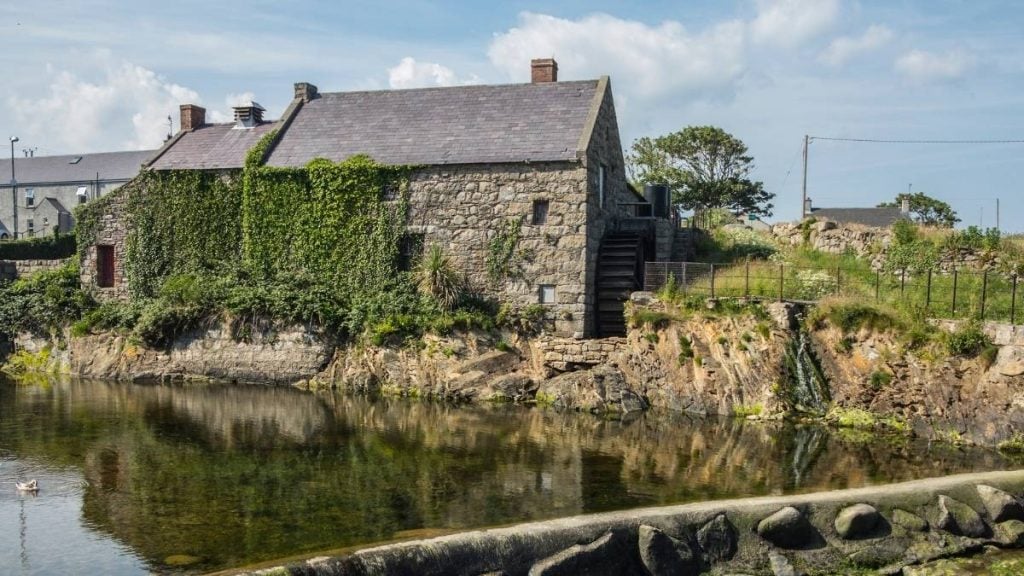
After a walk through the Silent Valley, you could head back towards the coast and visit the sandy stretch of Cranfield Beach at the mouth of Carlingford Lough or head straight to Newry.
Newry
Spend some time on the city streets of Newry or press on to explore the rocky outcrops of the nearby Ring of Gullion Area of Outstanding Natural Beauty. It’s another opportunity to take a long walk through nature, although if you’re walked out by this point of your road trip, you might want to stop at Killeavy Castle Estate for dinner with a view across the stunning scenery or plan to stay overnight. It’s within the Ring of Guillon area.
From Newry, take the A1 north back to Belfast. Allow about an hour for the journey, and. when you arrive back in the city, your Northern Ireland Mourne Mountains adventure is complete!
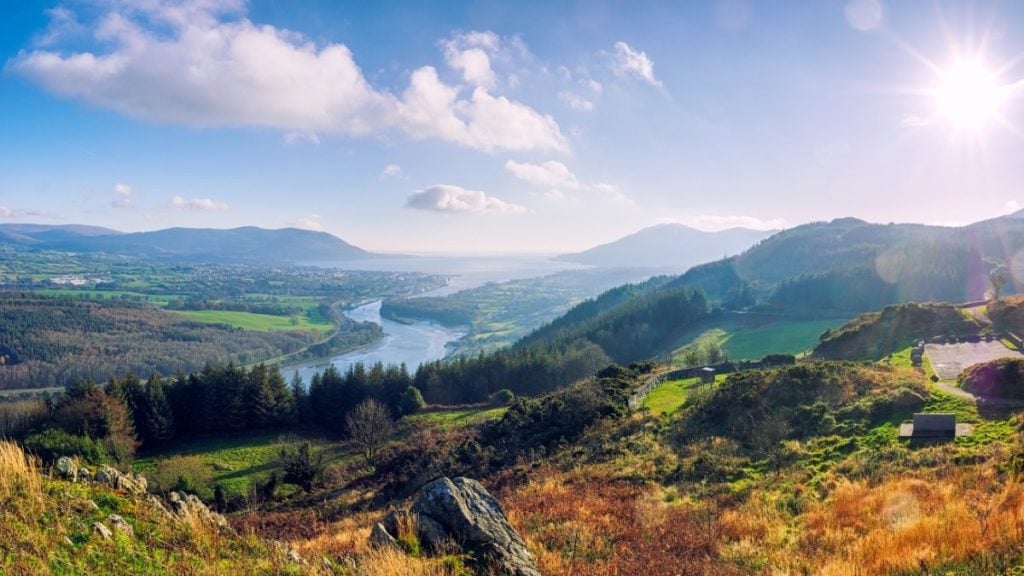
Car rental for the Mourne Mountains
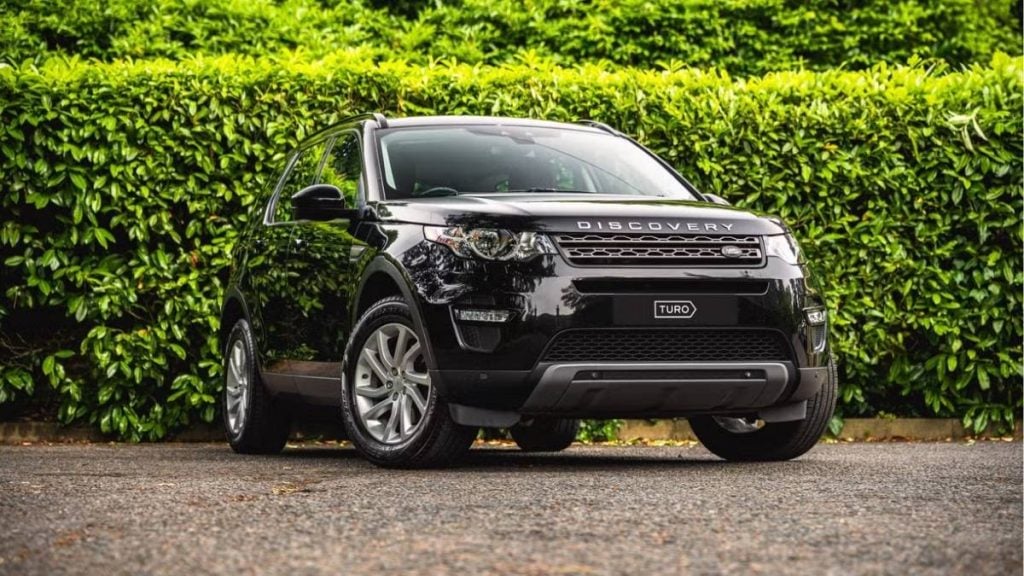
Collect your rental car in Belfast, where this road trip begins. Alternatively, you can catch the car ferry to Belfast from Liverpool and pick up your car rental there first.
Route 3: County Fermanagh Lakelands
It may be landlocked, but the highlights of County Fermanagh are the beautiful water views, going to show you don’t have to choose a coastal route for a scenic Northern Ireland road trip. If you’re collecting a car rental from Belfast, you’ll need to allow extra time to drive from Belfast to the starting point in Enniskillen.
Take an 80-mile loop, first tracing along the northern shore of Lower Lough Erne, perhaps calling at Devenish Island, then sweeping south to the Marble Arch Caves before reaching Upper Lough Erne.
Enniskillen
You could start this Northern Ireland road trip with a stay at Lough Erne Resort close to the island town of Enniskillen. This five-star resort is set in 500 acres of beautiful countryside, and you can linger to try some of the activities, whether you fancy a boat tour to Devenish Island or a bike ride, then set off on your road trip, driving along the Lower Lough Erne’s shore in an anticlockwise direction.
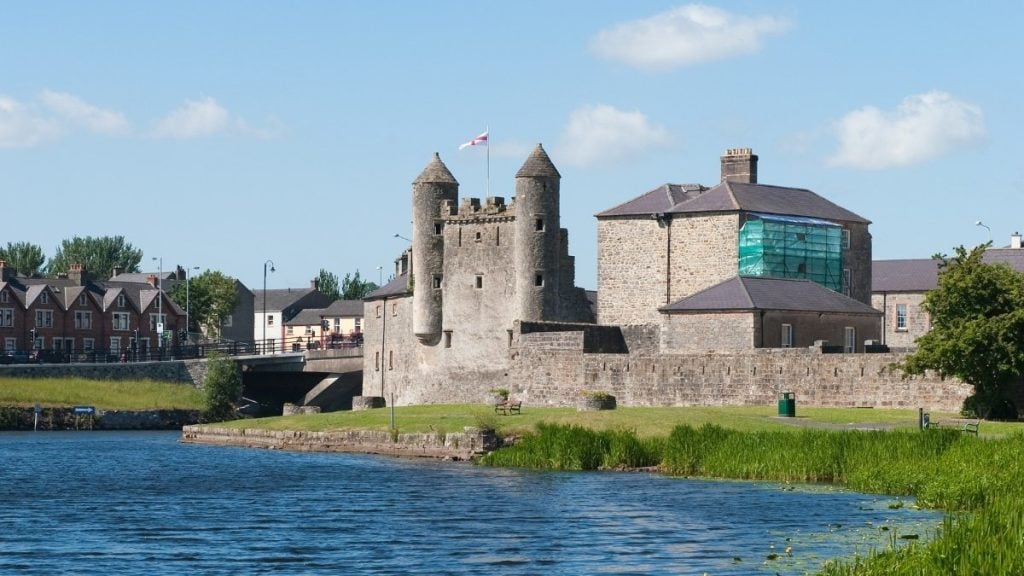
Make Enniskillen Castle your first stop. This historic fortress dates back to the 16th century, and today, it’s where you’ll find the Fermanagh County Museum with artefacts and information on local heritage and culture.
Castle Archdale Forest
From Enniskillen, it’s just a short drive to Castle Archdale Forest, part of Northern Ireland’s Marble Arch Caves Global Geopark. It’s a fascinating place, with historic sites including ruined castles and WWII docks.
You can follow the network of trails that wind through the woodlands. The most popular is the Woodland Riverside Walk, waymarked in red. It’s a circular route through thickets of forest along the river.
Belleek
If you’ve got time, take a guided tour of Belleek Pottery. It’s only lasts 30 minutes, so it won’t take too much of your time, but you’ll go behind the scenes of the manufacturing and creative process that goes into the fine china produced here since 1857.
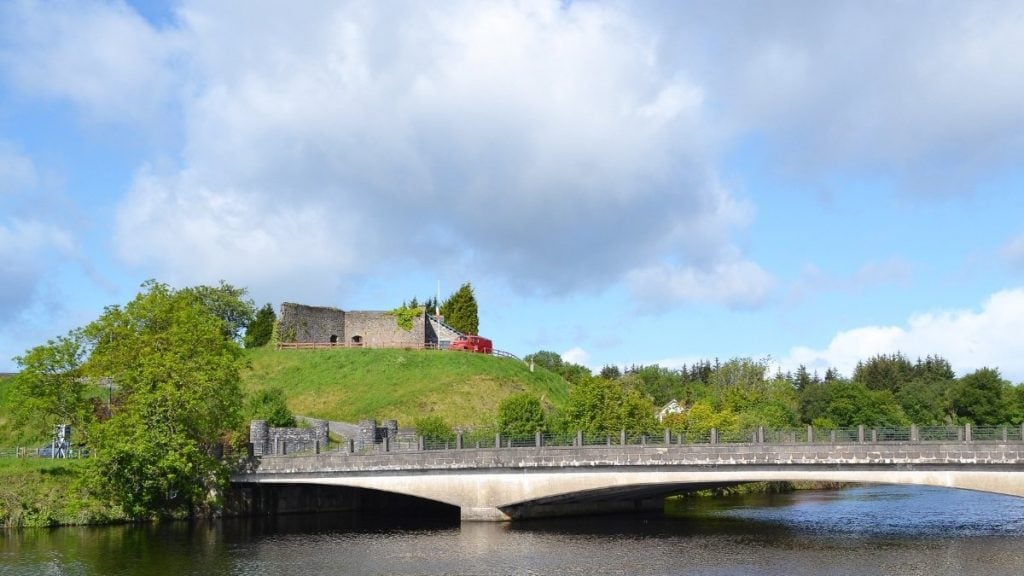
Marble Arch Caves
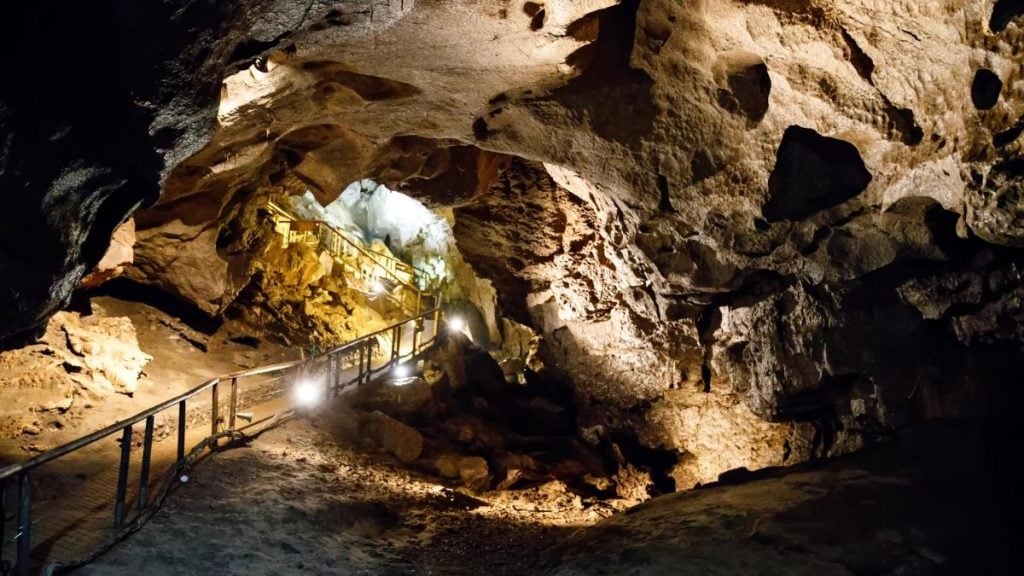
Marble Arch Caves UNESCO Global Geopark is a must-stop on a route around the Fermanagh Lakelands. In the foothills of Cuilcagh Mountain is a remarkable landscape carved over 340 million years ago comprising caves and rivers, mountains and ancient woodlands, waterfalls and gorges.
You can take a guided tour through the underground cave network, lasting around 75 minutes, if you take one of the short subterranean boat trips.
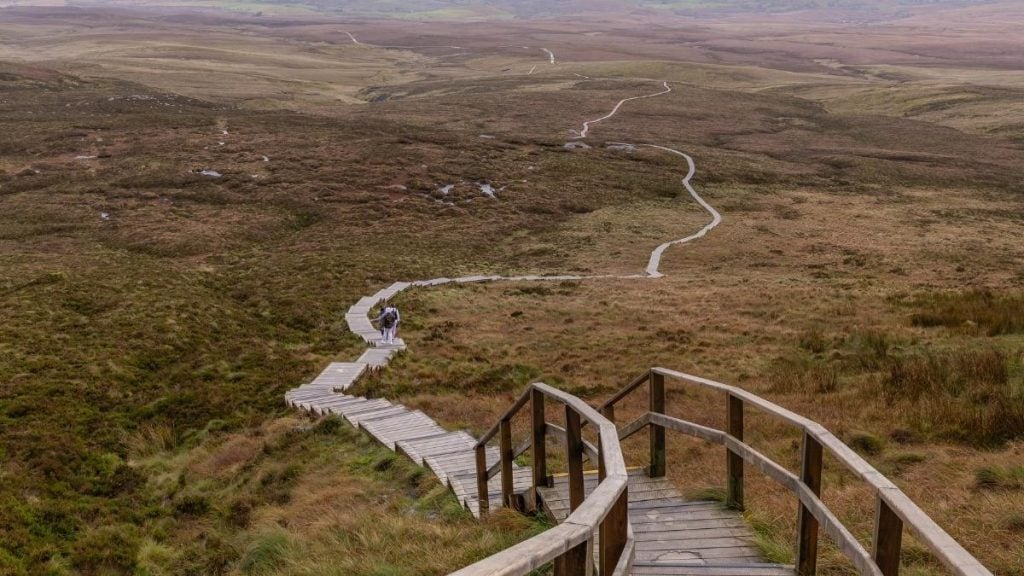
Alternatively, take the Cuilcagh Boardwalk Trail, known as the Stairway to Heaven. It’s a four-mile route that you should allow up to four hours to complete.
Crom Estate
There are 2,000 acres of parkland at Crom, which lie beside the shores of Upper Lough Erne. This ancient landscape has ruins of the old castle, built in the early 17th century by a Scottish planter. It survived two sieges by the Jacobites in 1689 but was accidentally burnt down in 1764. Your final destination is Enniskillen unless you are returning to Belfast.
Car rental for the Fermanagh Lakelands road trip
If you’re flying to Northern Ireland, you can collect a car near George Best Belfast City Airport or Belfast International Airport. If you’ve caught the ferry to Northern Ireland from England or Scotland, or you’re based in Northern Ireland, you can bring your dog along for the adventure — just remember to filter your search on Turo to find a pet-friendly vehicle.
Route 4: Sperrin Mountains
Your journey begins in the heart of Belfast, a city steeped in history and culture. Grab a coffee from one of the city’s vibrant cafés before setting off westward on the M2, leaving behind the urban bustle for the open countryside. Your destination? The stunning Sperrin Mountains, which are Northern Ireland’s largest and most untouched mountain range.
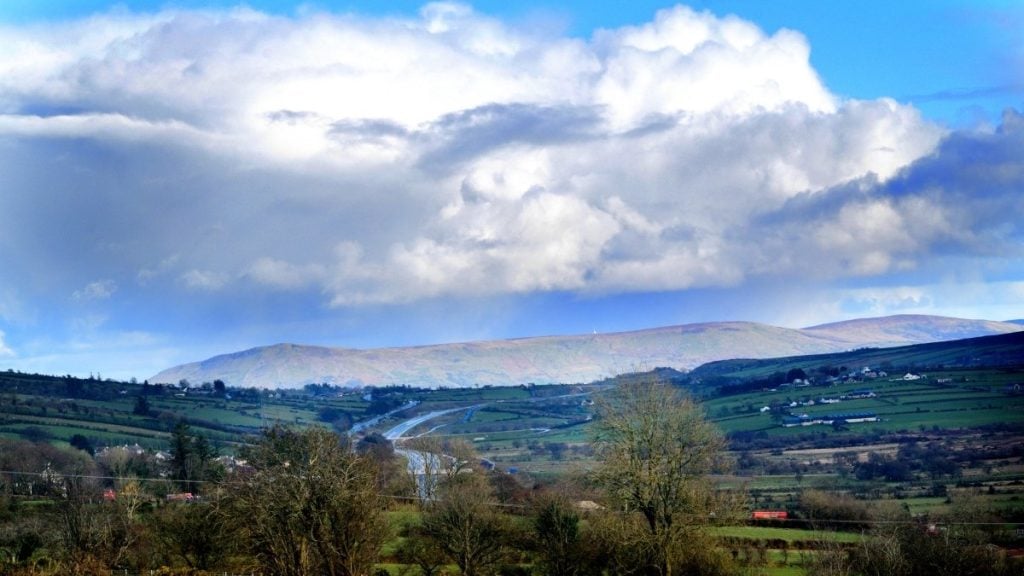
Beaghmore Stone Circles
About 90 minutes into your journey is the ancient site of Beaghmore. Bronze Age stone circles, set against the backdrop of the Sperrins, are an excellent spot for an atmospheric walk.

The Glenelly Valley
From Beaghmore, head deeper into the Sperrins through the Glenelly Valley, which is considered one of the most scenic drives in Northern Ireland. The valley was carved by glaciers thousands of years ago, and there are plenty of places to pull over and take photos of the dramatic scenery.
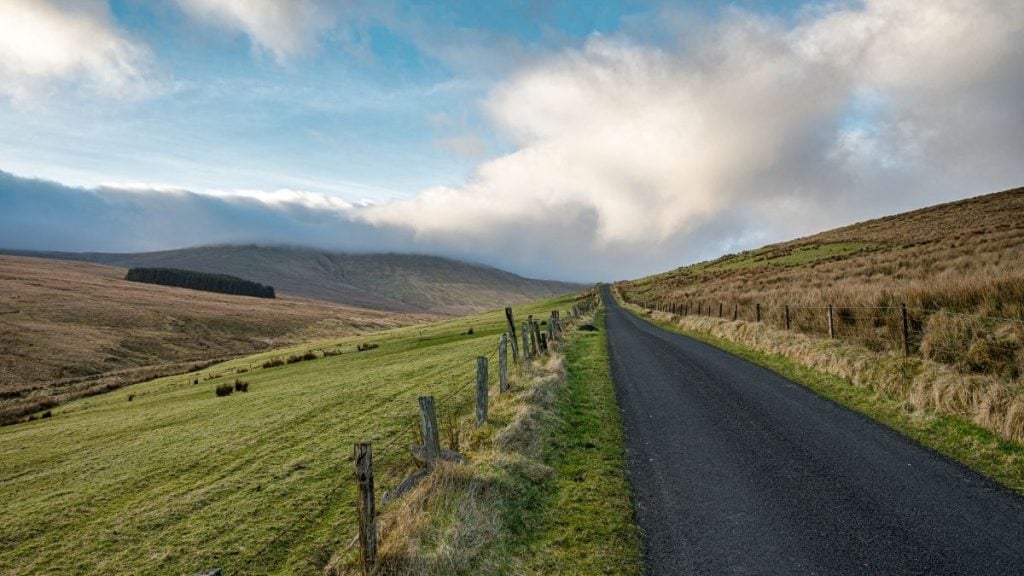
A short drive south takes you to Draperstown. Visit one of the traditional pubs for a bowl of Irish stew or a freshly baked scone with tea.
Davagh Forest
Not far from Draperstown lies Davagh Forest, a paradise for outdoor enthusiasts. Whether you fancy a short hike or a thrilling mountain bike trail, this forest park has plenty to offer.
Binevenagh
Binevenagh Mountain is a bit of a detour, but well worth it. You’ll get a fantastic view of Lough Foyle, the Antrim coastline, and even Scotland if you’re lucky enough to climb it on a clear day. If hiking isn’t your thing, simply drive up the scenic routes.

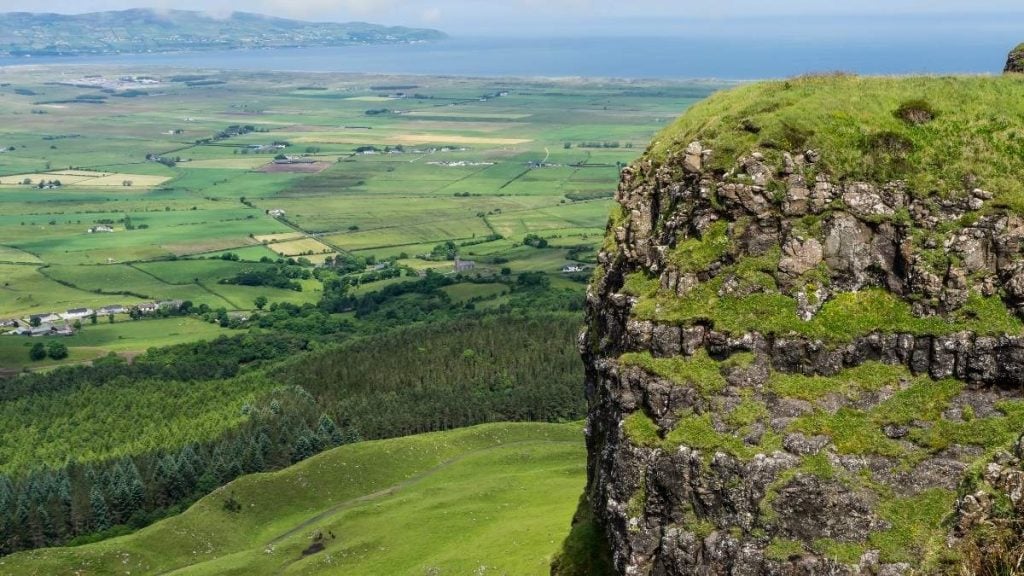
Gortin Glen Forest Park
Stop at Gortin Glen Forest Park near Omagh as you loop back east. Take a short forest walk or drive the scenic route through the park with views of rolling hills and peaceful lakes. As the sun sets, follow the A5 and M1 back to Belfast.
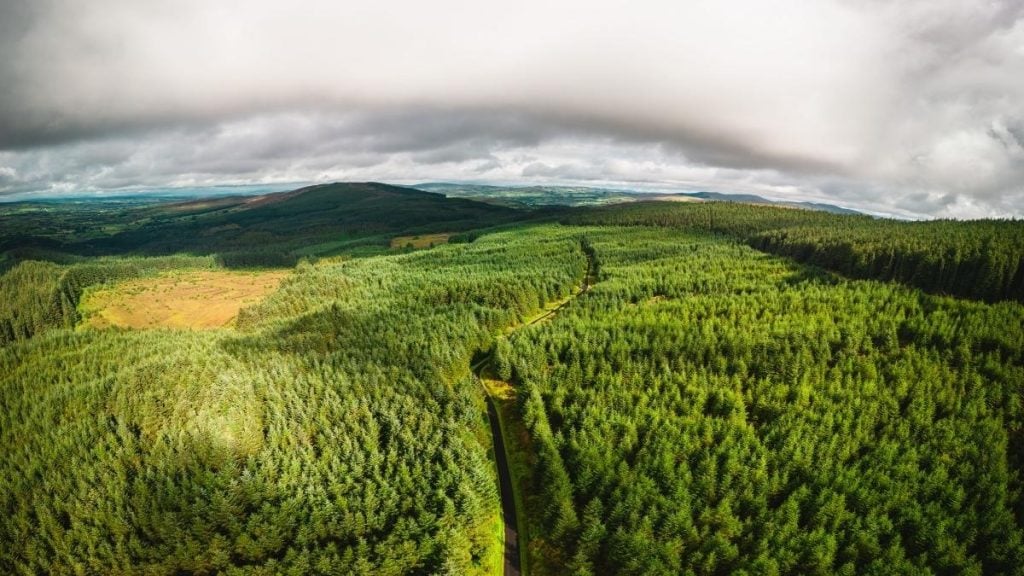
Car rental for the Sperrin Mountains
An SUV with all-wheel drive is a solid choice for this epic adventure. It’ll handle inclines and country roads well, but it’s just as comfortable on the faster road back to Belfast.
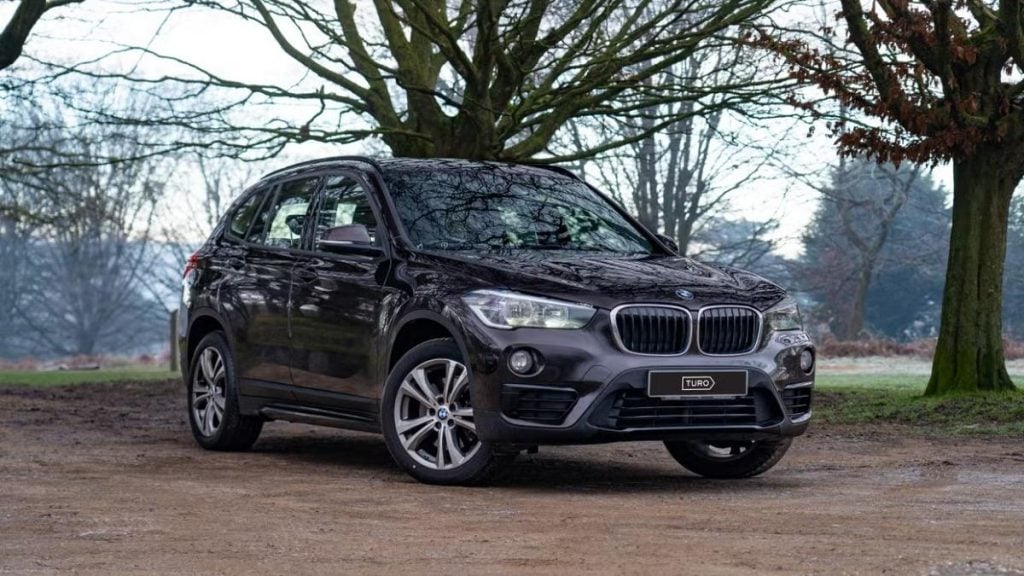

Take control of your financial future and start building your car sharing business on Turo!
Get started
Browse thousands of cars for every occasion and budget near you, or wherever you’re going.
Browse cars