
posted on April 18, 2026
When shopping for a car, the biggest factor is often the monthly payment amount. It makes sense—this is the number that’s easiest to compare, the one that will need to fit your monthly budget, and the one that can make one option look clearly better than another. But that number only tells part of the story.
Is there really that much of a difference in leasing vs. buying a car?
Leasing, buying, or financing a car comes down to how you actually use your vehicle: How much you drive, how long you keep cars, how much flexibility you want, and how comfortable you are with long-term commitments all play a role in making this decision.
But what works well for one driver might not make sense for another. Here’s how to think through each option in a way that goes beyond just the monthly payment.
What does it mean to lease a car?
Leasing a car is essentially paying to use a vehicle for a set period of time, known as the lease term, which is usually a few years. During that time, you make monthly payments to a leasing company rather than building ownership in the vehicle itself. Instead, those payments generally cover the vehicle’s depreciation — the loss in the car’s value over time — along with the usage and mileage accumulated during the lease.
For many drivers, leasing can mean lower monthly payments compared to financing a purchase. That can make newer vehicles feel more accessible in the short term, especially for people who prefer upgrading to a newer model every few years.
There are some trade-offs, though. Leases typically come with mileage limits, and going over those limits can lead to additional charges from the leasing company at the end of the lease term. There are also expectations around wear and tear, so keeping the vehicle in good condition throughout the lease is important.

Do you own the car after leasing?
In most cases, you do not own the car at the end of a lease term. Once the agreement ends, the vehicle is typically returned to the leasing company unless your contract includes a purchase or buyout option.
Some drivers choose to buy the car at the end of the lease if they’ve enjoyed the vehicle and want to keep it long term. Others prefer to start a new lease and move into a newer model instead.
What does it mean to buy or finance a car?
Buying a car — whether you pay upfront or finance it through an auto loan — puts you on the path to ownership. Many drivers make a down payment at the start of the car purchase, then pay the remaining balance through monthly loan payments over time.
Monthly payments for buying a car are often higher than leasing, especially for newer vehicles. However, those payments go toward building ownership in the vehicle rather than simply covering the lease term. Once the auto loan is fully paid off, you own the car outright and can keep it, sell it, or trade it in whenever you choose.
Ownership also gives drivers more flexibility. There are no mileage limits to track, and you can customize the vehicle or keep it for as long as it makes sense financially and practically.
That flexibility often becomes more valuable the longer you plan to keep the car after the original car purchase.

When is it better to lease a car?
Leasing can work well for drivers who prefer newer vehicles and want a shorter-term commitment rather than long-term ownership of a leased car. It’s often a good fit for:
- People who want a new car every few years without dealing with selling or trading in
- Drivers with predictable driving habits who are unlikely to exceed mileage restrictions
- Anyone focused on keeping monthly payments lower in the near term
- Drivers who prefer a more structured ownership experience with fewer long-term responsibilities
Leasing tends to be a more contained experience overall. You use the leased car for the length of the agreement, follow the mileage restrictions and lease terms, then return the vehicle and decide what comes next.
When is it better to buy or finance a car?
Buying or financing a car is often the better option for drivers who plan to keep their vehicle long term or spend a lot of time on the road. While monthly payments may be higher upfront compared to leasing, ownership can provide more flexibility and long-term value over time.
Buying or financing may make the most sense for:
- People who drive frequently or regularly take long road trips
- Drivers planning to keep the same vehicle for several years
- Anyone who wants to build equity instead of continuously making lease payments
- Drivers hoping to eventually eliminate monthly car payments altogether
- People who want full control over maintenance, customization, and vehicle use
For many drivers, financing becomes more cost-effective once the loan is paid off and the vehicle is still usable for years afterward. It can also offer more freedom for drivers who don’t want to worry about mileage limits or lease-end restrictions.

Where monthly car rentals fit in
Not everyone is ready to lease or buy right away. Sometimes you just need a car for a specific stretch of time or you’re still figuring out what type of vehicle actually fits your life.
This is where short-term car access (aka long-term car rental) can make a lot of sense, and without any of the strings attached that come along with leasing or buying.
Using a long-term car rental platform like Turo gives you the flexibility to choose a new car without locking you into a long-term lease contract. You can book a vehicle for a few days, a weekend, or longer, depending on what you need.
Long-term car rental can be the ideal route for several situations. For example:
- You need a car temporarily before making a bigger decision
- You want to try different types of vehicles without committing
- You’re between cars and don’t want to rush into a lease or purchase
- You’re curious about a specific category, like an SUV, truck, or electric vehicle
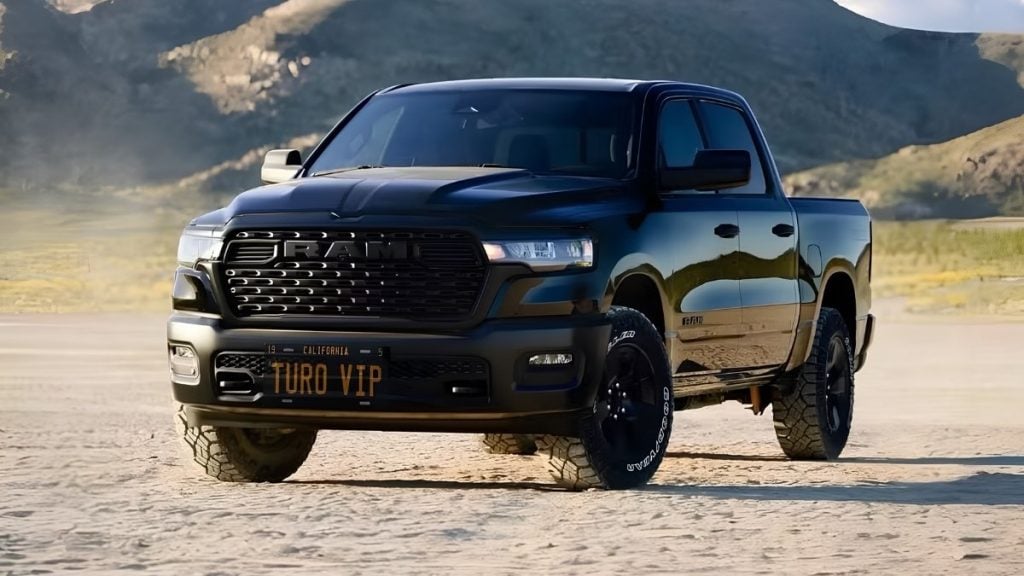
Benefits of long-term car rental over leasing or buying
- Get a feel for a particular car: A long-term car rental from Turo is a practical way to test how a car fits into your daily routine. A quick dealership test drive doesn’t always tell you that much. Spending a few days with a vehicle and doing things like running errands, commuting, or even taking a short trip can give you a clearer sense of what works for you and what doesn’t.
- Test out an electric vehicle: For drivers considering an EV, this can be especially helpful. You can get a feel for charging, range, and day-to-day use before deciding if EV ownership makes sense for your lifestyle, location, etc.
- Bridge a gap in time: This is a good solution if you need a car for a few months until another car becomes available, or when you have extra drivers in the house.
- Routine maintenance: All cars on Turo are subject to maintenance requirements, and most cars in the US and Canada undergo annual safety inspections.
- Physical damage protection: Choose from three protection plans — Premier, Standard, or Minimum — to get the level of protection that’s right for you.
- 24/7 support & roadside assistance: Turo Customer support is available online 24/7 to answer your questions, and 24/7 roadside assistance is just a call away to keep you safe and on the road.
- Discounts on monthly rentals: Don’t get stuck with a car loan, interest, or the worry of instant depreciation. Many vehicles offer deep discounts on long-term car rentals compared to trips under 30 days, and you’ll pay in monthly installments instead of paying the full cost upfront.
- Flexible terms: There are no long-term obligations or paperwork — with a month-to-month car rental, you can shorten or extend your booking anytime through the app. Avoid the trouble of servicing your vehicle or racking up maintenance costs, and escape burdensome vehicle financing and loans.
Questions to ask before deciding between leasing vs. financing a car
There’s no single best option when comparing leasing, financing, and long-term car rentals. The right choice depends on your budget, driving habits, lifestyle, and how much flexibility you want over time.
Before deciding how to get your next vehicle, it can help to ask yourself a few practical questions:
- How many miles do I typically drive each year?
- Do I want to eventually own the vehicle long term?
- How often do I usually switch to a different car?
- Am I focused more on lower monthly payments or long-term value?
- Do I need flexibility without a multi-year commitment right now?
- Would it help to try a vehicle for an extended period before buying or leasing?
- How important are maintenance costs, mileage limits, and long-term ownership responsibilities to me?
Thinking through these questions can make it easier to understand whether leasing, financing, or a monthly car rental aligns better with your current needs and future plans.

Finding the right fit for your driving needs
Leasing and buying both have their place. Here’s the good news: If you’re not sure which direction to go, you don’t have to decide right away. Spending time with different types of vehicles can help you figure out what actually fits your routine before you commit.
If you want to test a few options, explore what’s available on Turo and see how different vehicles feel in real life.
Share your car, earn extra cash
Cover your car payments or earn some extra cash by sharing your car whenever you’re not using it.
Get startedHit the road
Browse thousands of cars for every occasion and budget near you, or wherever you’re going.
Browse cars
Ella Bergquist
Ella is a travel and automotive writer with four years of hands-on experience road-tripping across three continents. She has logged thousands of miles behind the wheel testing open-air 4x4s, most notably a Ford Bronco along California's Pacific Coast Highway and a Jeep Wrangler across the iconic Seven Mile Bridge in the Florida Keys, and brings that firsthand perspective to every rental car content she writes. A self-described convertible SUV obsessive, Ella specializes in off-road-capable vehicles and adventure-focused itineraries. Her reporting goes beyond spec sheets: she evaluates how a vehicle actually feels on winding coastal highways, unpaved trails, and narrow European streets. On a recent trip through Italy and France, she put a Fiat 500 through its paces navigating centuries-old city centers, an experience she draws on when advising travelers on right-sizing their rental for the destination. Her work has helped thousands of Turo renters match the right car to the right trip, whether that's a rugged Wrangler for a Gulf Coast adventure or a nimble European hatchback for cobblestone-friendly travel abroad.