
posted on 15 October 2024
Buying a used car can be a smart way to save money, but it also comes with its challenges. Whether you’re trying to avoid ending up with a lemon or just ensuring you get the best value for money, knowing what to look for is essential. In this blog, we’ll cover all the crucial steps — from inspecting the car’s condition to understanding its history and avoiding common mistakes.
Expect practical tips on assessing the car’s engine, tyres, and bodywork, along with advice on spotting warning signs that could indicate hidden problems. We’ll also dive into the importance of test driving and checking for red flags, like unusual noises or irregular handling. By the end of this guide, you’ll know what makes a good second-hand car deal and how to steer clear of costly mistakes.
Jump ahead:
- Why buying a used car makes sense
- Buying a used car from a dealer vs a private seller
- Used car inspection checklist
- Tips on buying a second-hand car: Key considerations
- How to avoid common mistakes when buying a second-hand car
- Frequently asked questions about buying a used car
Why buying a used car makes sense
Buying a used car can be a smart choice for anyone looking to get the most value for their money, especially if you’re looking for an A to B car for short drives and don’t need all the bells and whistles. Unlike new cars, which lose a significant chunk of their value as soon as they’re driven off, second-hand vehicles offer a more budget-friendly option without that steep depreciation. You can often find well-maintained cars with plenty of life left in them at a fraction of the cost of a new model!
Growing popularity of used cars in Australia
Private sellers continue to dominate the used car market, making up 63.5% of sales. So far this year, 1,112,580 second-hand cars have been sold, a big jump from the 953,985 sales in the first half of 2023, according to the Australian Automotive Dealer Association (AADA) and AutoGrab. Used car listings have also been steadily rising since the end of last year. Private sellers have seen their market share increase from 59.9% to 67.5%, while dealer listings sit at 32.5%.
The most popular second-hand cars remain the Ford Ranger, Toyota HiLux, and Toyota Corolla. For those interested in buying a second-hand vehicle, this means a greater variety of options and potentially better deals from private sellers.
Benefits of buying a preloved car vs a new car
| Preloved Car | New Car |
| Lower purchase price | Statutory warranty included |
| Insurance is generally cheap | Customisable options available |
| Lower depreciation | No previous wear or tear |
Preloved Car
- Lower purchase price
- Lower depreciation
- Insurance is generally cheaper
- More variety of different models
- Less stress over wear and tear
New Car
- Latest technology, safety features, and high fuel efficiency
- Statutory warranty included
- Customisation options available
- No previous wear and tear
- Lower maintenance in the first few years
- Better financing options

Just bought a used car? Put it to work when you’re not driving! By listing it on Turo, you can offset the costs of ownership and maintenance. Whether you’re looking to make extra income or simply keep your car moving, Turo makes it easy to turn your vehicle into a profitable asset. Learn more: Rent my car
Buying a used car from a dealer vs a private seller
Weighing up your options of where to buy a second-hand car? When choosing between buying from a dealer or a private seller, it’s important to understand the unique benefits and challenges of each option.

Advantages of buying from a second-hand car dealer
When buying a used car from a dealer, you’re typically offered more peace of mind through statutory protections, such as a statutory used car warranty and, in some cases, a cooling-off period. Dealers often perform inspections and repairs before selling a car, ensuring it’s in good condition. They also handle most of the paperwork for you, simplifying the process of transferring ownership.
Additionally, dealerships usually offer financing options, making it easier to spread the cost over time, and they may accept trade-ins to reduce the overall purchase price. However, dealer prices are generally higher due to markups and added costs like warranties or servicing.
Advantages of buying from a private seller
On the other hand, buying from a private seller can offer lower prices and more room for negotiation. Private sellers often don’t have the same pressure to meet sales targets, so the experience may feel more relaxed, allowing you to ask detailed questions about the car’s history, performance, and maintenance.
However, a private sale comes with fewer legal protections, and you’ll be responsible for verifying the vehicle’s condition and handling all the paperwork yourself.
Buying from a dealer vs private seller: Key differences
- Price: Dealerships charge higher prices due to mark-ups and added costs like warranties or servicing.
- Warranty: No statutory warranty when buying the car privately – faults found later won’t be covered.
- Vehicle condition: Dealership cars are usually inspected and serviced, while you’ll rely on your own inspection with private sellers.
- Legal protection: Consumer protections are limited with private sellers, and once you buy the car, it’s yours, with no guarantees or returns.
- Cooling-off period: No cooling-off period with private sellers — once the deal is done, it’s final.
- Financing options: Private sellers typically require full payment upfront and don’t offer financing.
- Negotiation: Private sellers are more open to negotiation, while dealers may be firmer on price.
Used car inspection checklist
A thorough inspection is one of the most important steps when buying a used car. By checking the car inside and out, you can catch potential issues early, saving yourself from costly repairs down the road. Use this comprehensive checklist to guide your inspection and ensure you’re getting a safe and reliable vehicle.
Vehicle history & documentation
- Personal Property Security Register (PPSR) check: Ensure no outstanding debts, loans, or repossession risks.
- Service history: Check the logbook for regular servicing and repairs.
- Vehicle Identification Number (VIN) & compliance plates: Verify they match the registration papers.
- Repairable write-off check: Confirm the car hasn’t been written off and rebirthed using stolen parts.
- Registration details: Ensure the registration is current and matches the build date of the vehicle.
- Keys: Ask for both sets of keys; use a missing key as a negotiation point.
Exterior condition
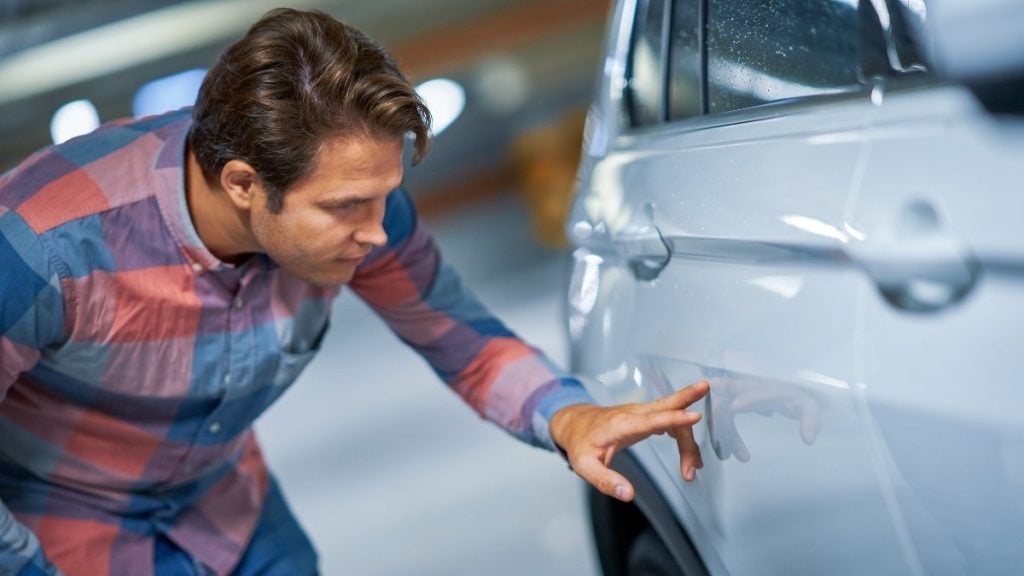
- Bodywork: Inspect for dents, scratches, rust, and mismatched paint (especially under the car).
- Signs of repair: Look for uneven panel gaps or fresh paint in odd areas (e.g. underbody).
- Rust check: Look in wheel arches, under the doors, and the boot.
- Lights: Check all headlights, indicators, brake lights, and reverse lights.
- Windows & mirrors: Ensure they are free of cracks and work smoothly.
- Tyres: Inspect tread depth and check for uneven wear that could signal alignment issues. Don’t forget to check for the spare tyre too!
- Wheels: Examine for any damage, particularly cracks or bends.
Interior condition
- Upholstery: Check seats for tears, stains, or sagging.
- Electronics: Test all windows, locks, radio, air conditioning, and any other electric components.
- Dashboard: Ensure no warning lights stay on after the engine starts.
- Odometer: Confirm the mileage and that the reading increases during the test drive.
- Pedals: Check for excessive wear, which can indicate heavy use.
Under the hood
- Engine bay: Look for fluid leaks, rust, or corrosion around the engine.
- Belts & hoses: Ensure they are in good condition with no cracks or fraying.
- Oil level & quality: Check the dipstick for proper oil level and a clean, amber color.
- Battery: Examine for corrosion on the terminals or signs of leakage.
- Coolant: Make sure the coolant level is correct and there are no leaks in the system.
- Transmission Fluid: If possible, check the fluid to ensure it’s clean and at the right level.
- Brake Fluid: Ensure it’s topped up and there are no visible leaks.
Mechanical inspection
- Brakes: Listen for squealing or excessive noise, and check for effective stopping power.
- Suspension: Bounce each corner of the car to see if it settles quickly; listen for clunks.
- Steering: Check for responsiveness and ensure the wheel doesn’t vibrate or pull to one side.
- Exhaust: Look for white smoke when the engine starts and inspect for rust or cracks on the exhaust system. Make sure the engine runs smoothly.
- Gearbox: Shift through gears smoothly; any grinding or resistance is a red flag.
- Alignment: Check if the car pulls to one side or if the steering wheel is off-centre.
Test drive
- Cold start: Listen for any unusual noises like knocking or ticking when the engine starts.
- Acceleration & power: Ensure the car accelerates smoothly without hesitation or lag.
- Handling: Test the car on straight roads, winding roads, and inclines to gauge performance under different conditions.
- Braking: Perform hard braking to ensure the brakes respond without pulling or making noise.
- Transmission: Listen for any jerks, clunks, or slipping in both automatic and manual transmissions.
- Ride comfort: Feel for any excessive bouncing or uncomfortable ride quality.
Tips on buying a second-hand car: Key considerations
Buying a second-hand car can be a great way to save money, but it’s essential to know what to look for and consider to ensure you’re getting a reliable vehicle without unexpected surprises.
1. Importance of research and patience
Researching and being patient when buying a second-hand car is crucial because it helps you avoid overpaying and ensures you get a reliable vehicle. By taking the time to compare prices, check the vehicle history, and have the car inspected, you reduce the risk of ending up with a lemon or a car that doesn’t meet your needs. Patience allows you to find the best deal and make an informed decision rather than rushing into a purchase you might regret.
2. Setting a budget that includes insurance, registration, and possible repairs
When you’re setting your budget for a used car, remember to include more than just the price tag. Think about insurance, registration, and any possible repairs you might need. Insurance costs can vary depending on the car, and registration fees are different depending on where you live. It’s also a good idea to set aside a bit extra for any repairs that might come up. By budgeting for these extras, you’ll be better prepared and won’t get hit with any surprises later on.
3. Comparing similar models to understand market value
To compare similar used car models, check listings on sites like Carsales or Gumtree, focusing on the year, model, transmission type, mileage, and condition. Don’t just go for the cheapest — look at how well the car’s been maintained to get a fair idea of market value. Keep in mind that the price listed by sellers is their asking price and cars usually sell for a lower amount you negotiate for.
4. Negotiating effectively with sellers, both private and dealers
Whether buying from a private seller or a dealer, negotiating is key. Start with a reasonable offer below your budget and be ready to walk away if the price isn’t right. Ask detailed questions about the car’s history, especially regarding previous owners, accident damage, and service records. If the car has only one key, use that as a bargaining point.
5. How to avoid common mistakes when buying a second-hand car
Even the savviest car buyers can make mistakes when purchasing a used car. By being aware of these common pitfalls, you can avoid costly errors and make a smarter buying decision.
- Not verifying the seller’s ownership: Ensure the person selling the car is the registered owner. If not, it’s a good idea to walk away and seek out a more reliable seller.
- Skipping the vehicle history report: Always get a vehicle history report to ensure there is no money owing on the car and that it’s not a stolen car or written off.
- Ignoring the test drive: A car may look good, but a test drive is essential. Pay attention to how the car handles, look for excessive exhaust noise and check that the odometer increases correctly.
- Overlooking service history: Check the logbook to ensure the car has been serviced regularly. Poor maintenance is often a red flag for future problems.
- Not inspecting the car thoroughly: Check the car’s engine bay for fluid leaks, rust, or corrosion, and don’t forget to inspect the spare tyres and seat belts.
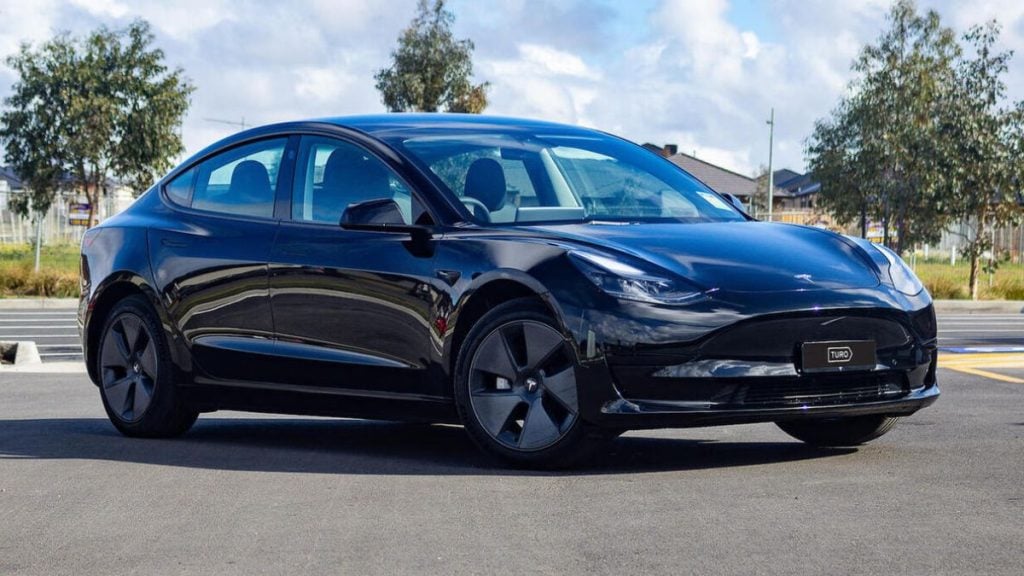
Test before you buy with Turo! Not quite ready to settle on your next car purchase? Why not rent it first on Turo? With a wide variety of models available, you can take different cars for a real-world test drive and see which one suits your lifestyle best. It’s a hassle-free way to make a confident choice without the long-term commitment. Explore car rental on Turo.
Frequently asked questions about buying a used car
How do I inspect a used car in Australia?
Start by researching the make and model, then arrange to meet the seller in a well-lit area. Conduct a thorough walkaround and use the Turo checklist above to make sure you’ve cover all your bases. Remember, it’s best to lean on professionals and get a trusted mechanic to conduct a pre-purchase inspection for you.
How do I pay for a second-hand car in Australia?
You can pay for a second-hand car by using cash, bank transfers, or financing options. Always get a receipt for cash payments and confirm details for bank transfers to avoid scams.
What is the most reliable second-hand car in Australia?
Whether you’re looking to buy a car for the family or just for yourself, some of the best brands and models include the Toyota Corolla, Landcruiser Prado, Ford Territory, and Toyota Camry, all known for their affordability, car safety ratings, and long lifespan.
How much mileage is good for a used car in Australia?
One of the simplest ways to check the value of a car is to look at the odometer for the number of kilometres travelled.
Ross Booth, the Global General Manager of Redbook, the leading provider of car prices, values, and vehicle identification information explains, “On average, cars in Australia travel about 25,000 km per year. A well-maintained car typically has around 15,000 km per year, so a 10-year-old car with 150,000 km is considered a good option. However, it’s common for cars to have around 250,000 km.”
Buying a used car is a big decision, and taking the time to thoroughly inspect the vehicle, research its history, and compare your options will help you make the right choice. If you’re still unsure about which car to buy or want to test out a similar model before committing, why not hire a car on Turo?
With a wide range of vehicles available, you can experience different makes and models firsthand, giving you the confidence to make the right purchase. Start your journey with Turo today and get one step closer to finding your perfect car.

Lucinda Starr
Lucinda is a Sydney-based content specialist and avid road tripper. Having travelled across Asia, North America and the South Pacific, she's experienced everything from glamping in a Yurt in -30 degrees in The Yukon, snorkelling in the open seas of Vanuatu and hiking the rocky alps of Kamikochi in Japan. She's currently planning her next overseas adventure, a toss-up between a classic #EuroSummer or a multi-day trek through Nepal.