
by Molly Isaac
posted on April 20, 2026
Knowing how to plan a road trip is what gives you the freedom to enjoy it properly. With a plan in place, those last-minute detours and unexpected stops become the best parts of the journey. There’s nothing quite like driving to your favorite music as an ever-changing landscape unfolds around you, each turn revealing something new.
Planning can feel overwhelming, but that’s where this guide comes in. A simple, step-by-step process to help take the stress out — so you can focus on the excitement of what’s to come. Whether it’s your first trip or you’re looking to do it better this time around, plan smarter and make the most of every mile.
Step 1: Choose your destination and set your timeframe
This is where it all begins — and often the most exciting part. If you already have a destination in mind, work out the time it takes to get there. Think about the full journey — how much time you’ll spend once you arrive, and whether you can stop along the way without rushing.
If you’re starting with a blank slate, think about the kind of trip you want. Are you drawn to national parks sites with wide-open landscapes, coastal drives with sea views at every turn, or the bustling rush of city-hopping?
As you map things out, think about your starting point and ending point. Does your trip need to loop back, or could it be one-way, and which direction makes the most sense?
For example, on drives like the Pacific Coast Highway, going north to south keeps you closer to the ocean, with easier pull-offs and uninterrupted views along the way. Small decisions like this can completely shape your road trip route.
Your timeframe should guide your decision — not the other way around. Even a weekend is enough for a great road trip when you plan around the time you have.
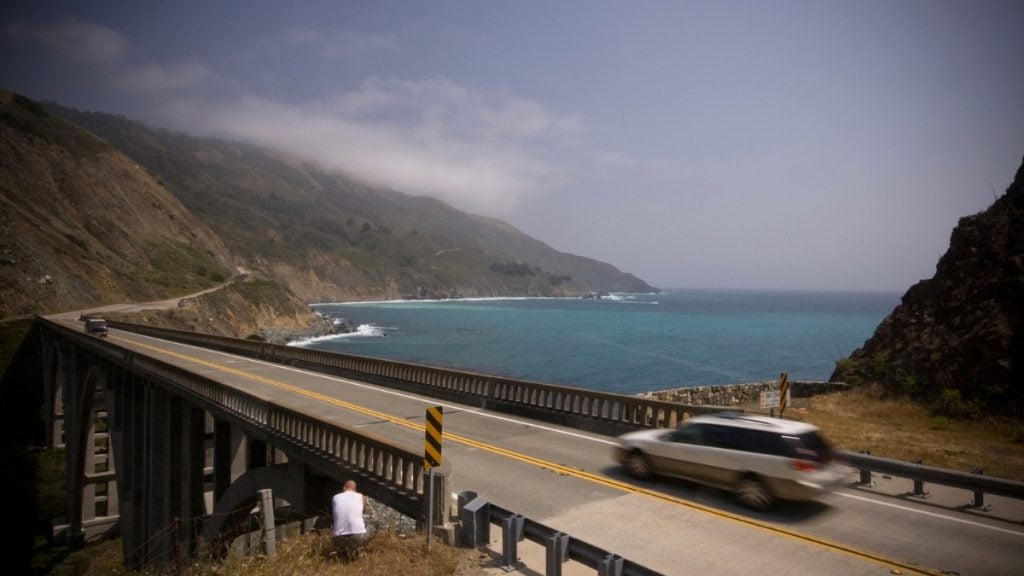
Tip from the author: Don’t overcomplicate the destination decision. Pick a place that genuinely excites you and the planning enthusiasm will follow.
Step 2: Work out your route
This is where your road trip route really starts to take shape by turning a rough idea into something you can actually follow, while still leaving room for the unexpected.
- Start with the basics: Map your route from A to B (or build a loop) using Google Maps. Drop in your starting point and destination into the search bar.
- Plan your key stops: Think about where you want to pause — viewpoints, towns, national parks, or places to eat — and space them out so the drive feels balanced. Google Maps lets you add stops between A and B, checking drive times between each one, and comparing alternate routes. It’s also easy to filter out toll roads if needed.
- Use visuals to your advantage: Tools like Google Earth help you understand the terrain and scenery before you go, so you know what to expect.
- Leave room for detours: Keep some flexibility so you can take a turn or follow a sign as you please.
- Look beyond the obvious: Resources like Roadside America are great for finding quirky, unexpected stops you wouldn’t normally come across.
The best routes usually combine main highways with scenic back roads, and it’s often the stretches you didn’t plan that end up being the most memorable.
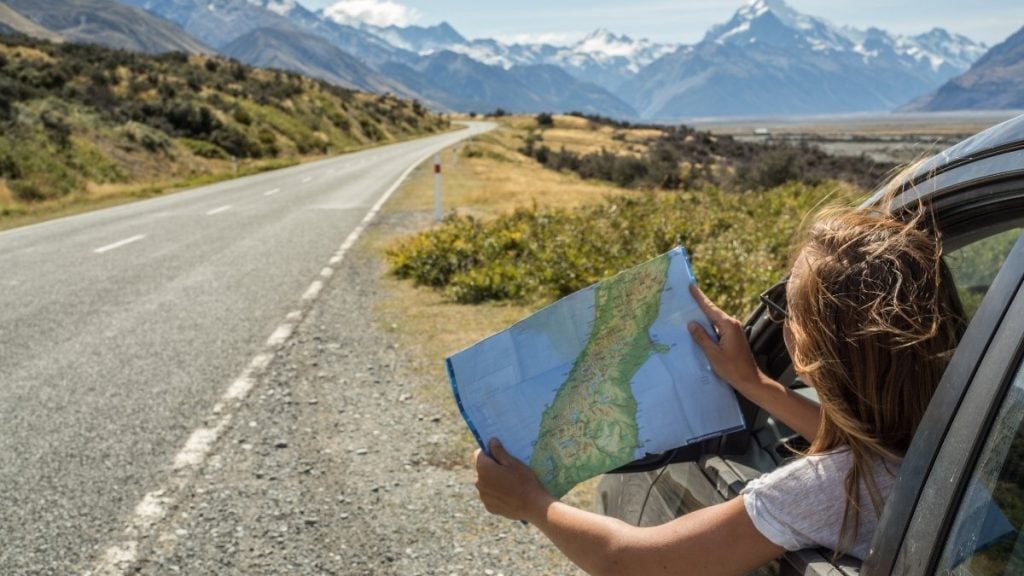
Tip from the author: Build your route around 2–3 anchor stops — the non-negotiables — and let everything else fill in naturally. Over-planning every hour is a fast track to frustration.
Step 3: Plan how much driving time you can handle per day
One of the easiest mistakes to make is underestimating how tiring long days of driving can be. As a general guide, most experienced road trippers aim for 4–6 hours of driving per day — enough to make progress, but still leave time to stop, explore, and enjoy the journey.
This will vary depending on the trip. Long trips might require longer stretches at the start, while scenic routes — especially coastal drives with constant viewpoints — are best taken slowly. It’s also worth factoring in the extra time Google Maps won’t show, like bathroom breaks, fuel stops, and spontaneous pull-overs.
Rest areas are ideal for breaking up the drive, and if you’re traveling with others, sharing the wheel is also a game-changer. For a solo road trip, knowing your own comfortable driving limit matters — and be sure to avoid driving in the dark, when fatigue sets in faster.
Step 4: Sort your accommodation
Where you stay shapes the feel of your trip, so it’s worth thinking about early. You’ve got a few main options: hotels, motels, vacation rentals, camping, and RV parks — each offering a different balance of comfort, cost, and flexibility.
Hotels and rentals give you a proper place to switch off, while motels are ideal for quick overnight stops on the road. RV parks offer added facilities like showers and hookups if you’re traveling with your setup. Camping is a great way to save money and stay closer to the landscape, from forested sites to coastal campgrounds where you fall asleep to the sound of the sea. Sites like Recreation.gov are worth checking for national park campgrounds.
On popular routes, especially in summer, accommodation books up fast and last-minute prices can climb. Book key nights in advance — particularly your first and last night — while leaving some flexibility in between.

Step 5: Budget for your trip
Before you hit the road, a simple budget plan helps you avoid surprises and makes it easier to save money where it counts.
- Fuel: Try to estimate the cost based on mileage and how efficient your vehicle is — this will likely be one of your highest costs.
- Accommodation: What’s your plan: hotels, motels, camping, or RV parks? Mixing in camping or public lands is a simple way to save money.
- Food and drink: How often will you eat out vs cook? Meals on the road can become one of the biggest daily expenses.
- Activities and fees: Which stops will cost money? If you’re visiting multiple national parks, an America the Beautiful pass can save money across one trip.
- Toll roads: Does your route include any, and are there alternate routes to avoid them?
It’s also always worth building in a small buffer for anything you didn’t plan — fuel changes, last-minute stops, or spontaneous detours.

Step 6: Prepare your vehicle
A few quick checks to make sure your vehicle is well-prepared can save you a lot of stress later.
- Fuel: Start with a full tank, and keep an eye on it as you go.
- Tires: Check pressure and tread.
- Fluids: Top off oil, coolant, and windshield washer fluid.
- Brakes and lights: Make sure everything is working properly.
- Battery: Check it’s in good condition, especially for longer trips.
Be aware that on routes through remote areas gas stations can be few and far between, and cell service isn’t always reliable — so it’s a good habit to fill up when you can.
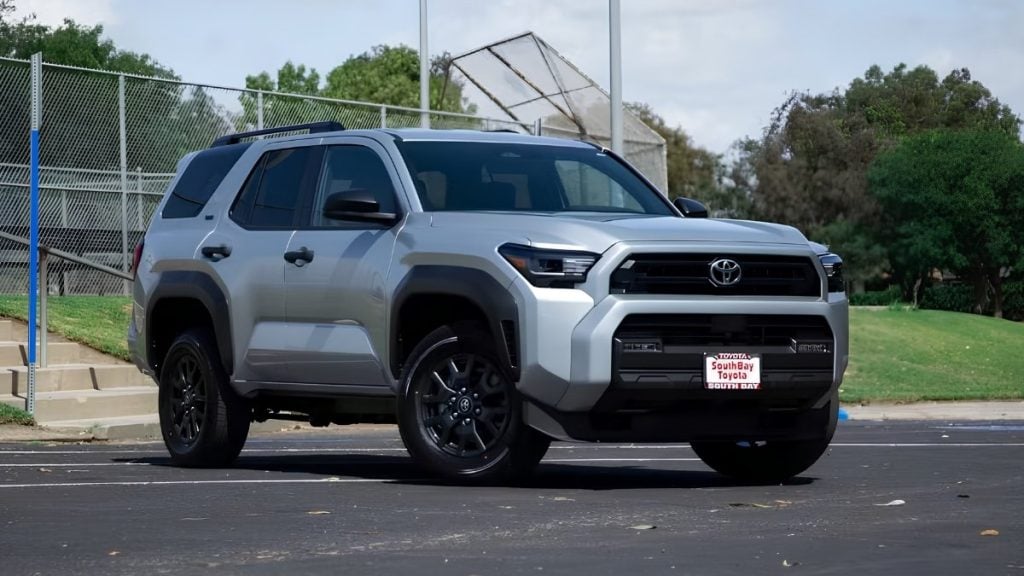
If you’re not using your own vehicle, renting through Turo lets you choose a reliable car that suits your trip — a convertible for coastal roads, an SUV for national parks, or something spacious for longer drives with friends.

Step 7: Pack smart
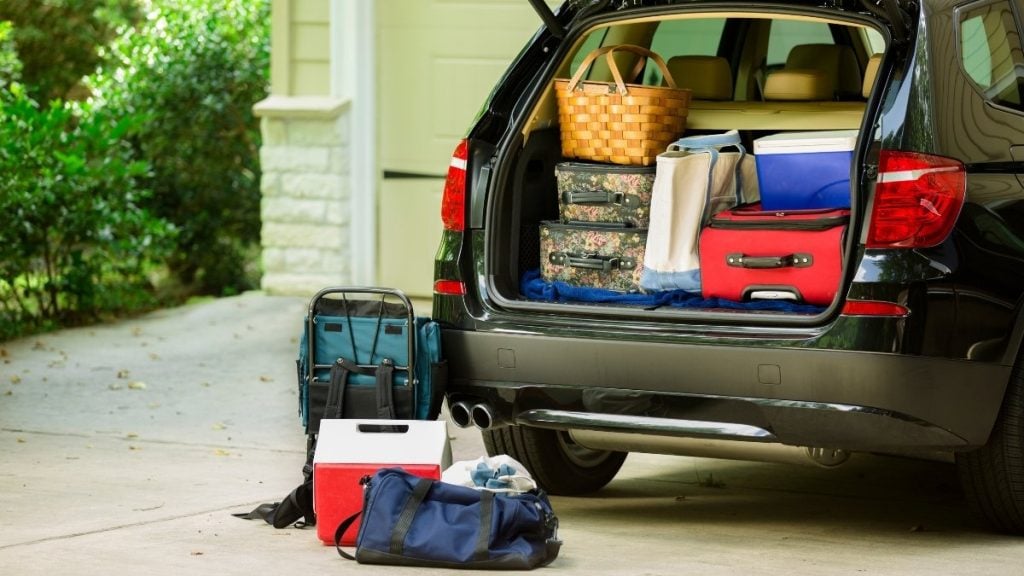
Packing for a road trip is less about how much you bring and more about bringing the right things — especially the ones you’ll wish you had once you’re already on the road.
- Offline maps: Download your route in advance — cell service can drop out quickly on rural stretches.
- Backup navigation: A physical map or road atlas is worth keeping in the car, just in case.
- Power: Bring a car charger and a power bank to keep everything charged.
- Food and drinks: A cooler is a great addition for snacks and drinks, and an easy way to save money.
- Emergency kit: A basic first aid kit and roadside essentials.
- Clothing: Pack layers — conditions can change quickly, even within one trip.
- Driving comfort: Sunglasses make a big difference for comfortable driving, especially on bright, open roads — and you’ll look good doing it.
- Entertainment: Download audiobooks, podcasts, or playlists before you go — especially for long stretches with no signal, and even more so if it’s a solo road trip.
A few small things can make a big difference on the road.
Road trip planning tips and tools
A quick, practical mix of road trip advice and useful tools to help you plan a successful road trip from start to finish.
Useful tools and apps for planning a road trip
A few well-chosen tools can make trip planning much easier — helping you map your route, find stops, and stay one step ahead on the road.
- Google Maps: Use Google Maps to plan your route, add multiple stops, check driving times, and download offline maps — essential when cell service drops.
- Roadside America: Great for finding quirky, unexpected stops you’d never plan yourself.
- Recreation.gov: Useful for booking camping spots, RV parks, and sites across national parks and public lands.
- Weather apps: Check conditions along your route so you’re not surprised mid-drive.
Road trip inspiration: Where to go
If you’re still deciding on a road trip route, there’s no shortage of incredible options.
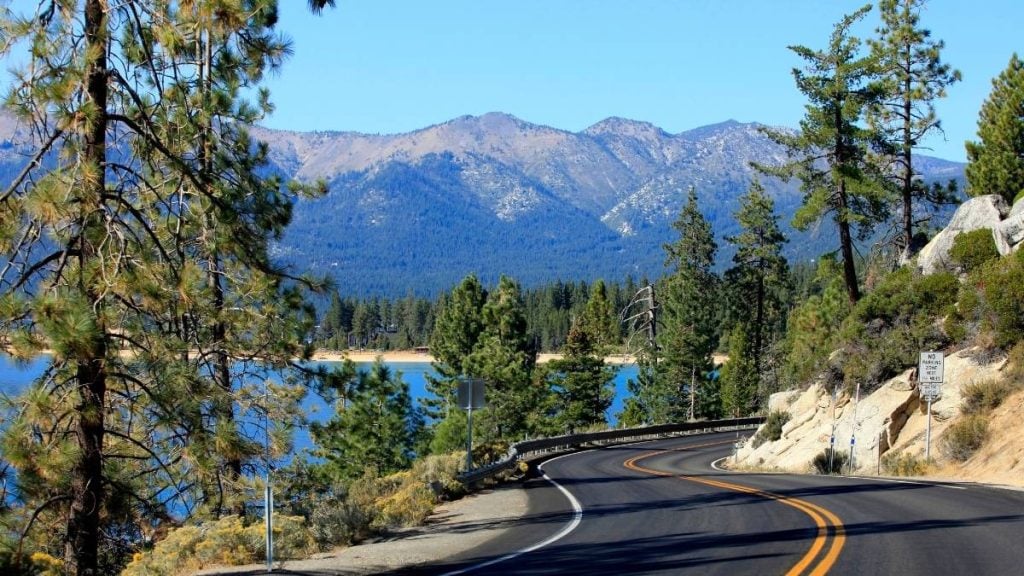
Follow the Pacific Coast Highway along the Californian coast, where winding roads hug the ocean, loop around Lake Tahoe for majestic alpine scenery and clear blue water, or take on Route 66 for a nostalgic drive past classic diners, neon signs, and roadside stops that feel frozen in time.
For something more nature-focused, take a national parks route through the American Southwest — from Las Vegas through Zion, and Capitol Reef — past red rock canyons, desert highways, and vast, open terrain from another world. Or, for a shorter but unforgettable trip, Vegas to the Grand Canyon, where the landscape shifts dramatically as you go.
Further north, Washington’s Olympic Peninsula offers a completely different pace, with coastal drives, misty forests, and rugged shoreline.
Ultimately, with so many routes to choose from, you can shape your perfect road trip.
Frequently asked questions about planning a road trip
How far in advance should I plan a road trip?
How far in advance you plan a road trip depends on the location and the season. For most trips, a few weeks is enough, but for busy locations like national parks or summer routes, ideally plan one to three months ahead. Some reservations require booking 90 days in advance.
If you’re traveling in quieter seasons, you can be more flexible — just avoid leaving it too late and getting stuck with limited options.
How do I plan a road trip route?
To plan a road trip route, start with your destination and timeframe, then map your route from A to B (or a loop) using tools like Google Maps. Add key stops along the way, check driving times between them, and leave some flexibility for detours. The best road trip routes balance main roads with scenic stretches and give you time to actually enjoy the journey.
How many hours of driving per day is reasonable on a road trip?
Most road trippers aim for around 4–6 hours of driving per day — enough to cover distance without feeling rushed. Shorter days usually mean more time to stop, explore, and enjoy the journey, and help avoid feeling overly tired behind the wheel.
How do I plan a road trip on a budget?
Planning a road trip on a budget starts with knowing your main costs — fuel, accommodation, food, activities, and toll roads. To save money, mix in camping or public lands, cook some of your own meals, and plan ahead for things like national park passes.
What is the best app for planning a road trip?
The best app for planning a road trip is Google Maps — it’s simple, free, and lets you map your route, add stops, check driving times, and download offline maps for areas with poor cell service.
How do I plan a solo road trip?
When planning a solo road trip, focus on realistic driving times, plenty of flexibility, and what feels comfortable for you. Keep your pace manageable, plan fuel stops ahead, and download offline maps in case cell service drops. It’s also worth downloading podcasts, playlists, or audiobooks before you go — especially for longer stretches on your own.
Do I need to book accommodations in advance for a road trip?
Booking accommodations in advance for a road trip depends on the route and season. It’s best to at least secure key stops like your start and end point, especially in popular destinations or busy cities where places fill up quickly. Beyond that, you can stay flexible and book as you go.
Final word: Start planning your next road trip
The best road trips strike a balance between planning and spontaneity. Just lock in the basics — your destination, route, driving days, and accommodation — and give yourself the freedom to enjoy everything else as it comes.
Just remember, a road trip isn’t meant to be rushed. The unexpected stops, slower mornings, and the stretches you didn’t plan often end up being the most memorable. Find a vehicle that fits your trip on Turo, with options for every kind of journey — then get out there and start driving.
Find the perfect car for your road trip on Turo
Whether you’re planning an epic cross-country drive or a weekend escape, Turo gives you easy access to a wide range of vehicles so you can find the perfect car to start your trip. With flexible pick-up options and the freedom to travel on your own schedule, it’s built around the way you want to road trip.
Share your car, earn extra cash
Cover your car payments or earn some extra cash by sharing your car whenever you’re not using it.
Get startedHit the road
Browse thousands of cars for every occasion and budget near you, or wherever you’re going.
Browse cars
Molly Isaac
Molly Isaac is an experienced travel and automotive writer who loves the freedom of exploring new places in her own way and at her own pace. Her driving adventures have taken her through France and Italy, along Route 66, and across Australia, from its coastlines to the desert. She has a particular soft spot for Jeeps, preferably with the roof down, and for trips shaped by nature, spontaneity and a sense of adventure. For Turo, she writes practical, inspiring guides to scenic drives, family road trips and nature-filled escapes, helping travellers plan memorable journeys and choose a vehicle that feels right for the experience.