posted on February 3, 2026
The Denver to Telluride drive feels like a slow unfurling of Colorado’s most dramatic landscapes. The city fades behind you, replaced by winding canyon roads, alpine water, and the quiet character of western Colorado. Early on, the route slips past Idaho Springs, then opens into the long sweep of the Rockies, where the air thins, the roads climb, and stunning mountain views start to frame every curve.
As you continue, the terrain shifts from hot springs and river towns near Glenwood Springs to the high desert plateaus edging toward Grand Junction, with sandstone cliffs and the burnt ochre canyons of Colorado National Monument rising in the distance. Travellers heading in from Montrose Regional Airport often join the road here for the final stretch into the San Juans, following one of several main routes that eventually head south toward Telluride’s box-canyon entrance and its signature mix of quiet luxury, rugged peaks, and small-town warmth.
In this guide, we’ll be covering:
- Denver to Telluride road trip: Overview
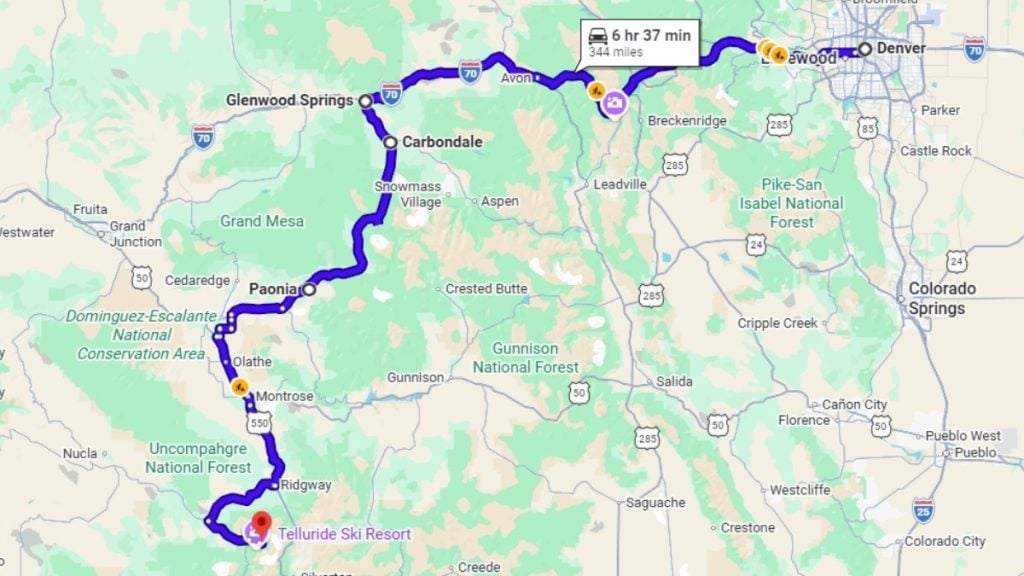
- Your road trip map from Denver to Telluride
- Top tips for driving from Denver to Telluride
- Your stop-by-stop Denver to Telluride road trip itinerary
- Top places to stop between Denver and Telluride
- Frequently asked questions about the Denver to Telluride drive
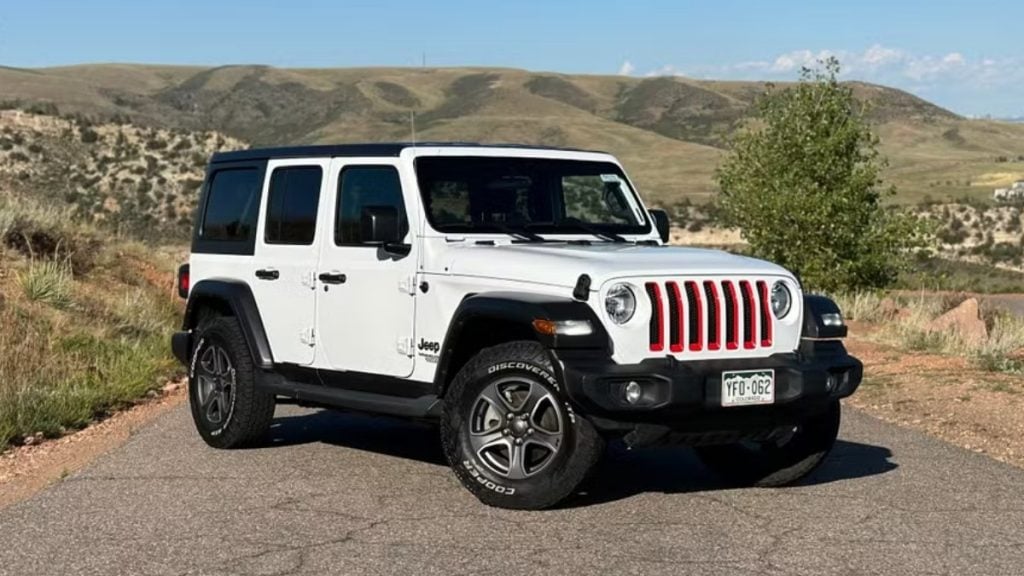
An overview of the drive from Denver to Telluride
- Drive time: Approximately 6 hours 30 minutes to 7 hours 30 minutes (direct route)
- Drive distance: Roughly 325 to 335 miles depending on chosen route
- Suggested road trip length: 2 to 4 days (Give yourself time to enjoy Colorado’s mountain towns and canyon country!)
- Recommended itineraries:
- Option 1: The Direct Route via US-285 and US-550 (Million Dollar Highway)A fast yet unforgettable path through high-altitude valleys, historic mining towns, and the famous Million Dollar Highway. Sweeping views, steep drops, and dramatic curves make this the most spectacular way into the San Juans.
- Option 2: The Scenic Northern Route via I-70Ideal for travellers who enjoy classic ski towns, canyon drives, and easier access to food and amenities. This route winds through Vail, Glenwood Canyon, and the river-cut landscapes that lead toward Montrose and Telluride.
- Top stops: Look to Vail for alpine atmosphere, Glenwood Canyon for dramatic views, and Ouray for hot springs and a classic mountain-town main street.
- Gas stations and EV chargers along the drive: Expect regular fuel and charging options along I-70 and through major towns like Vail and Glenwood Springs. The southern route has a few longer gaps, so EV drivers may want to plan charging stops in advance.
- Driving conditions and recommended vehicle: Mountain passes and changing weather are common on this route. Summer is the easiest season to drive, while winter can bring snow and ice. A mid-sized SUV with all-wheel drive offers the best mix of comfort and stability for the journey.
Distance from Denver to Telluride
Approximately 325 to 335 miles depending on your chosen route.
Denver to Telluride drive time
Expect 6 and a half to 7 and a half hours of driving, excluding meal breaks or scenic detours.
When to go from Denver to Telluride
The best time to drive from Denver to Telluride is in the warmer months, when high-country roads are clear and longer days make the trip feel relaxed. Travel in early spring can still involve icy conditions on higher mountain passes, and ski season often brings heavier traffic through resort corridors. Summer offers open roads and stunning mountain views, while fall brings cooler temperatures and golden aspens across the western slope. Late spring and early fall tend to be quieter, which many travelers appreciate when planning a smoother, crowd-free drive.
The best Denver to Telluride route
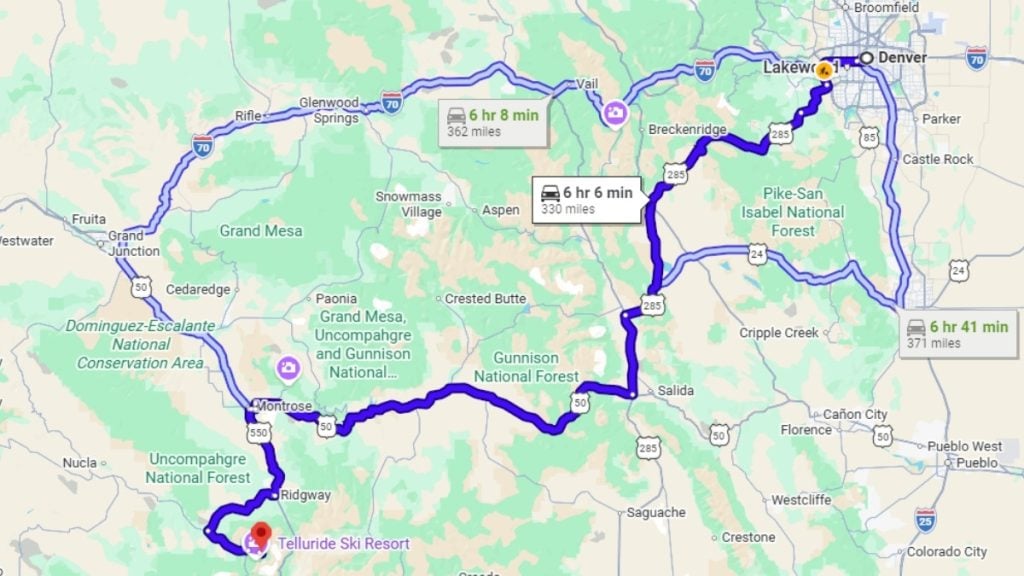
There are two main routes worth considering. Drivers looking for adventure and a more rugged feel often head south on US-285, moving through quiet mountain valleys and historic towns on the way toward the San Juans. The northern route appeals to travelers who prefer consistent amenities and easier access to food, fuel, and views. This version follows I-70 before you head west toward Grand Junction, weaving past hot springs, river canyons, and the big-sky landscapes that mark the approach to the western slope. Both routes highlight a different side of Colorado, and both reward the time you put into the journey.
The best stop between Denver and Telluride
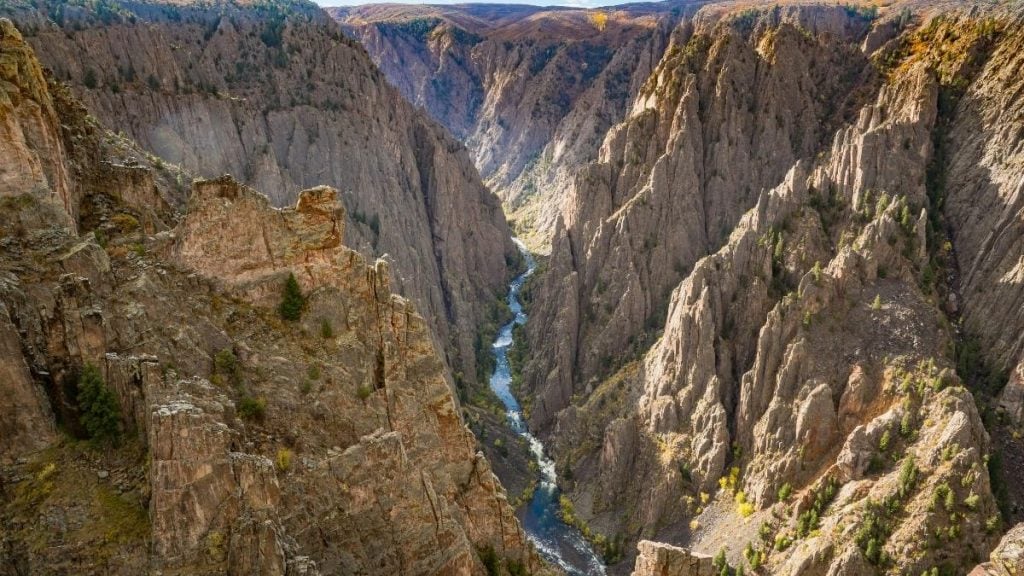
Montrose is the most convenient halfway point and a great place to pause before the final stretch. It sits near the Black Canyon of the Gunnison National Park, providing travelers easy access to dramatic overlooks, short trails, and canyon scenery. Those coming through Grand Junction often stop there as well, thanks to its food options and quick side trips to local viewpoints. If you prefer a quieter mountain-town atmosphere, Ridgway and Ouray both make memorable breaks before the road climbs into Telluride’s box-canyon setting.
Your road trip map from Denver to Telluride
Top tips for the drive from Denver to Telluride
The stretch from Denver into the high country feels different once the mountains start rising ahead of you. Traffic can build quickly as you leave the city, so an early start gives you clearer roads and better views. Fuel is easiest to find around Buena Vista, Grand Junction, Glenwood Springs, and Montrose, which makes it simple to top up before quieter sections. Travellers flying into Montrose Regional Airport often rent a car and join the final approach from there, which cuts the journey and helps you reach Telluride before late afternoon shadows roll in.
The terrain shifts every hour, especially during the winter months, and sky conditions can change without much warning. Build time into your itinerary if you plan to explore hot springs, canyon trails, or scenic overlooks. Many road trippers prefer stopping before night driving, since higher elevations can feel remote once the sun goes down and wildlife becomes more active.
Driving conditions: What is the road from Denver to Telluride like?
- Long climbs into the mountains, followed by winding descents into river valleys.
- Limited services in quieter zones near Ridgway and the approach into the San Juans.
- Wildlife crossings increase around dusk and at night, especially near forested curves.
- Snow, fog, and ice are possible during the winter months, which can slow travel.
- Canyon corridors near Glenwood Springs may experience periodic delays for weather or maintenance.
- Scenic pull-offs are frequent but often narrow, with limited shoulder space.
Recommended type of car for the drive
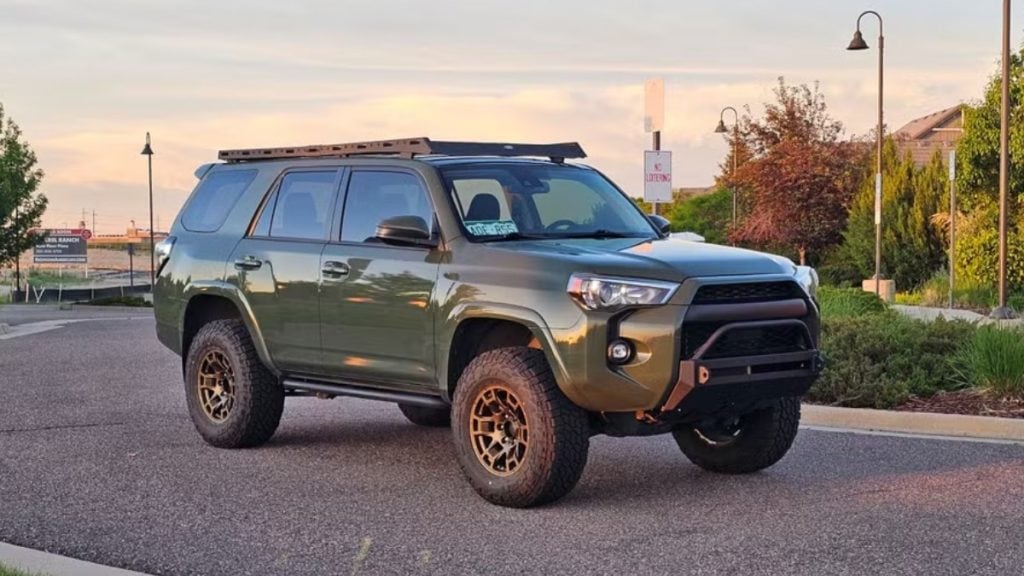
The road from Denver to Telluride asks a little more from your vehicle as you move between canyons, open valleys, and rising mountains. A midsize or full-size SUV is the most comfortable choice for long climbs, changing weather, and winding grades that appear throughout the trip. All-wheel drive adds confidence during ski season or when early morning frost lingers on shaded curves.
If you plan to explore side roads, visit smaller trailheads, or take detours toward scenic overlooks, choose something with good visibility, steady braking, and enough space for luggage and gear. The route feels smoother when your car matches the terrain, especially as elevation shifts through each hour of the journey. Browse the right fit for the road ahead by finding a rental vehicle in Denver before you head into the high country.
How to stay safe on this road trip
- Take breaks every hour or two to stay alert at higher elevation.
- Check road and weather updates before leaving, especially during the winter months.
- Store extra water and snacks for quiet stretches between towns.
- Watch for wildlife near river corridors and tree lines.
- Slow down on curves or grades where visibility narrows.
- Keep your tank at least half full before entering remote mountain areas.
The perfect Denver to Telluride drive itinerary
Two itineraries define the Denver to Telluride journey, each shaped by a different mood. One carries you south into wide valleys and quiet towns with nothing but scenery and sky stretching ahead. The other climbs over the continental divide, slipping into art towns, canyon curves, and orchard country before turning south again toward the San Juans. Both take you through landscapes that feel connected to light, water, and time, and both offer a route that fits the way you like to travel.
Itinerary 1. The Direct Route via US-285 and US-550
This path moves steadily south from Denver, trading city edges for open country where the horizon feels close enough to touch. The road dips into pockets of forest, follows the river near old railroad towns, and then opens into long views that hint at the mountains rising farther west. It is a route that invites calm: a stretch of Colorado where the pace softens and every stop carries a sense of space.
As you approach Montrose, the land tightens and the cliffs of the Black Canyon come into view, dark and sharp against the lighter plateaus. From Ridgway onward, the highway curves gently toward the San Juans, and the approach into Telluride begins to feel like a slow reveal. For travelers who love simplicity, quiet roads, and stops with plenty of room for camping, this route is a natural choice during the warmer months.
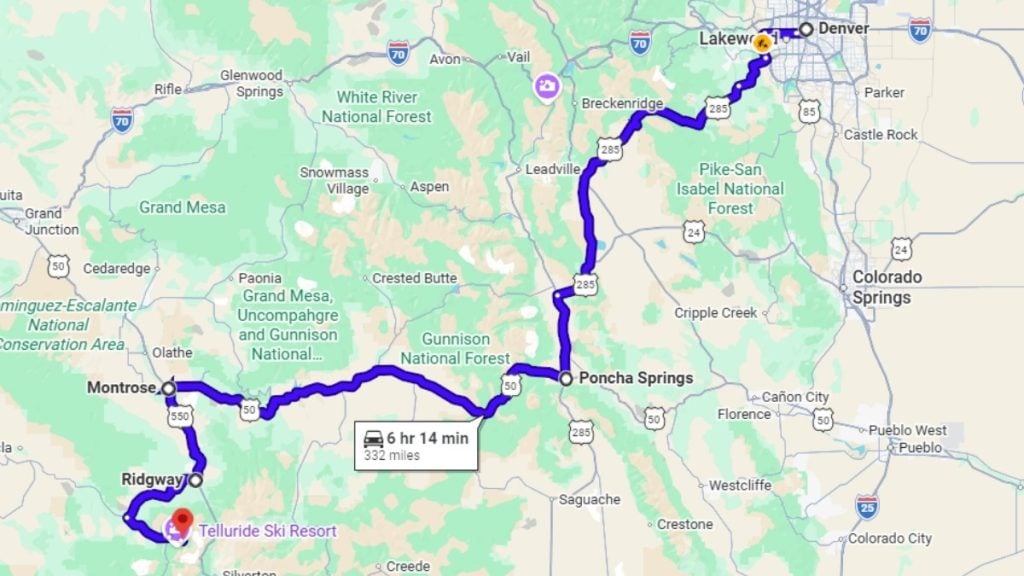
- Drive time: Around 6.5 to 7 hours (direct)
- Drive distance: About 325 miles
- Stop-by-stop itinerary:
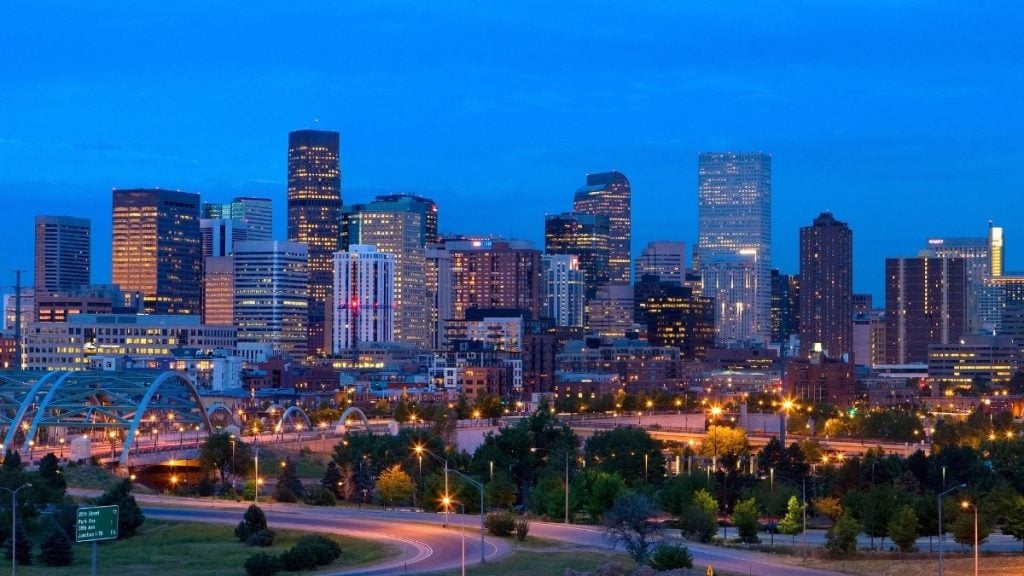
- Stop 1: Denver – A lively starting point with culture, dining, and easy access to the Rockies.
Stop 2: Poncha Springs – A crossroads town close to mineral springs and mountain passes.
Stop 3: Montrose – A gateway to the Black Canyon and the region’s dramatic terrain.
Stop 4: Ridgway – A creative mountain community surrounded by open valleys and peaks.
Stop 5: Telluride – A box-canyon destination with festivals, trails, and rich history.
- Stop 1: Denver – A lively starting point with culture, dining, and easy access to the Rockies.
- Best for: Drivers who want the quickest path into the high country, fewer turns, and a deeper sense of Colorado’s quieter heartlands.

Itinerary 2. The Scenic Northern Route via I-70
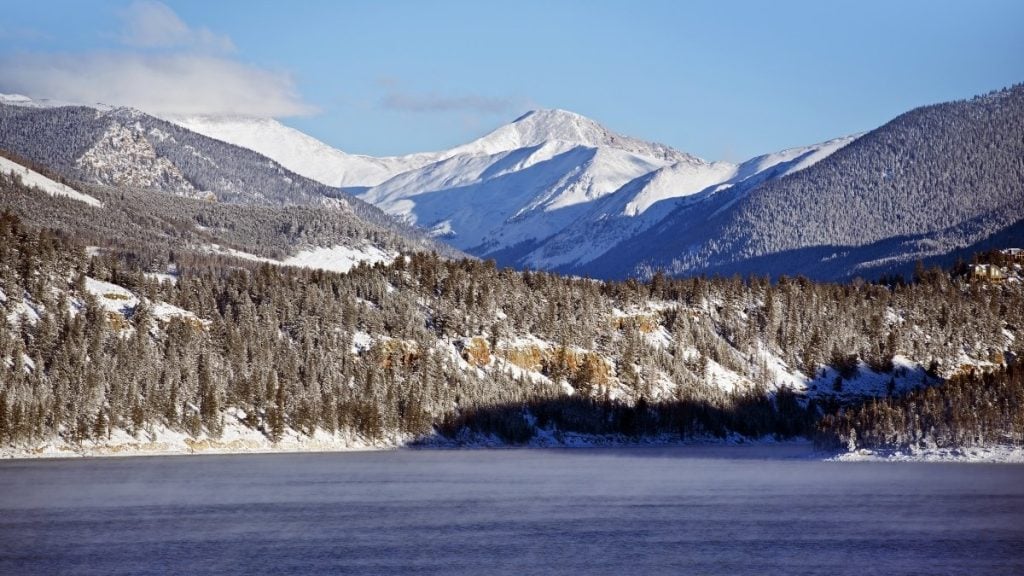
This route begins with a climb over the continental divide, where the light changes and the air thins in a way that signals the start of something bigger. The road then settles into a glide past Dillon and the mirror-like surface of Dillon Reservoir, a great place to stretch your legs before the descent toward Glenwood Springs. The canyon walls rise, the river twists beside you, and the feeling shifts from highway travel to something more cinematic.
West of Glenwood Springs, the terrain softens into orchards and quiet farming towns, each marked by its own pace. Carbondale gives you artist studios and cafés; Paonia brings wineries and mountain vistas touched by soft afternoon color. For travelers who love a slower rhythm, light snow on high ridges, and long, scenic stretches through river country, this is the version of the Denver to Telluride route worth choosing.
- Drive time: Around 7 to 8 hours (direct)
- Drive distance: About 360 miles
- Stop-by-stop itinerary:
- Stop 1: Denver – A city known for culture, craft beer, and trail-lined foothills.
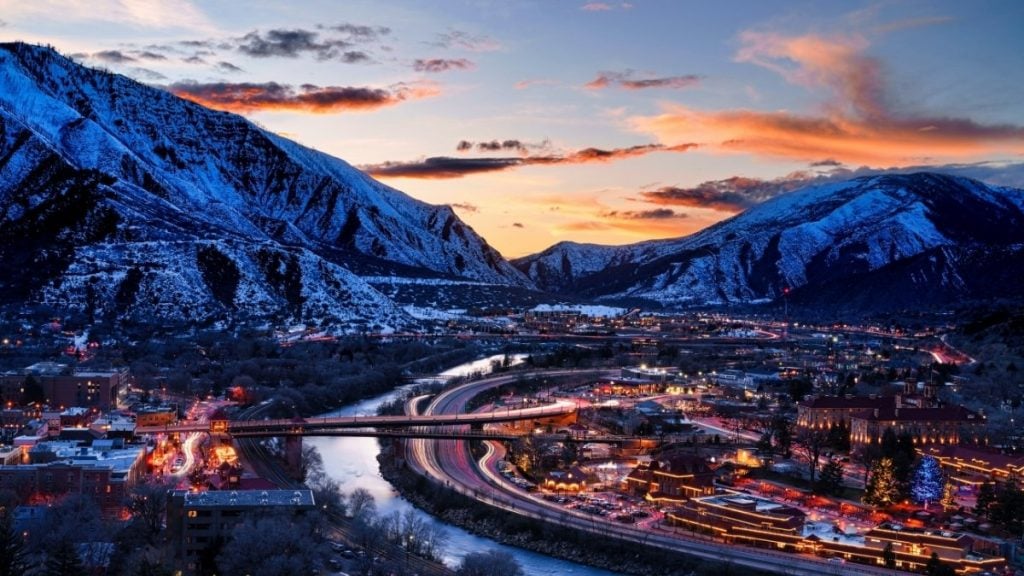
Stop 2: Glenwood Springs – A riverside town famous for geothermal pools and canyon views.
Stop 3: Carbondale – A vibrant mountain hub with art, dining, and outdoor access.
Stop 4: Paonia – A small valley town known for orchards, vineyards, and slow-paced charm.
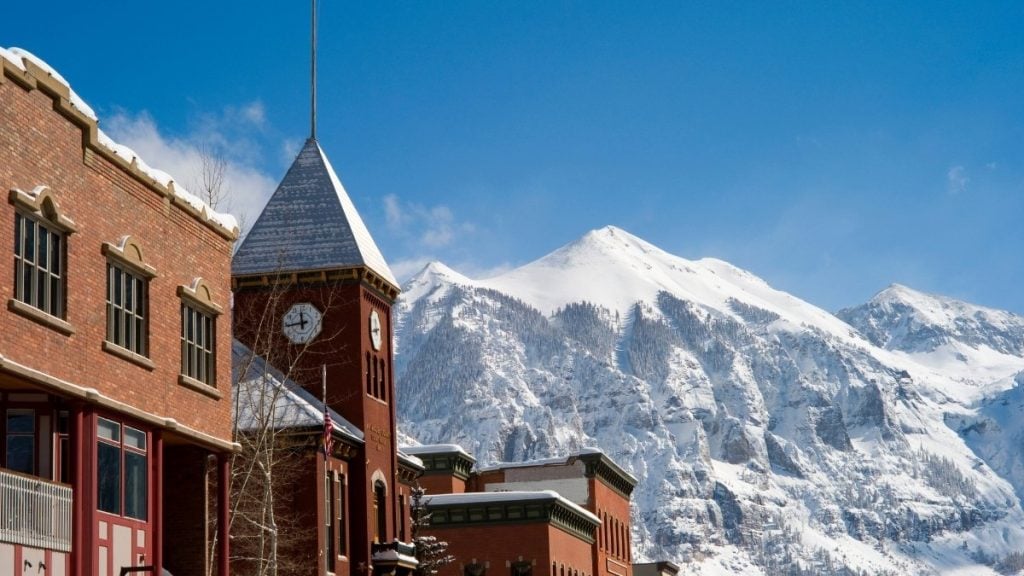
Stop 5: Telluride – A mountain jewel surrounded by cliffs and festival energy.
- Stop 1: Denver – A city known for culture, craft beer, and trail-lined foothills.
- Best for: .Travelers drawn to varied landscapes, creative communities, and a more scenic entry into the San Juans.
Top places to stop between Denver and Telluride
The Denver to Telluride route is filled with detours that invite you to slow down, wander, and take in the kind of scenery that makes a road trip feel alive.
Top stops for nature lovers
- Gunnison National Park: Dramatic cliffs, deep shadows, and viewpoints perched over the famous Black Canyon, one of the most striking national parks in the region. For trail updates and seasonal access, the National Park Service offers reliable guidance across parks like the Black Canyon and beyond.
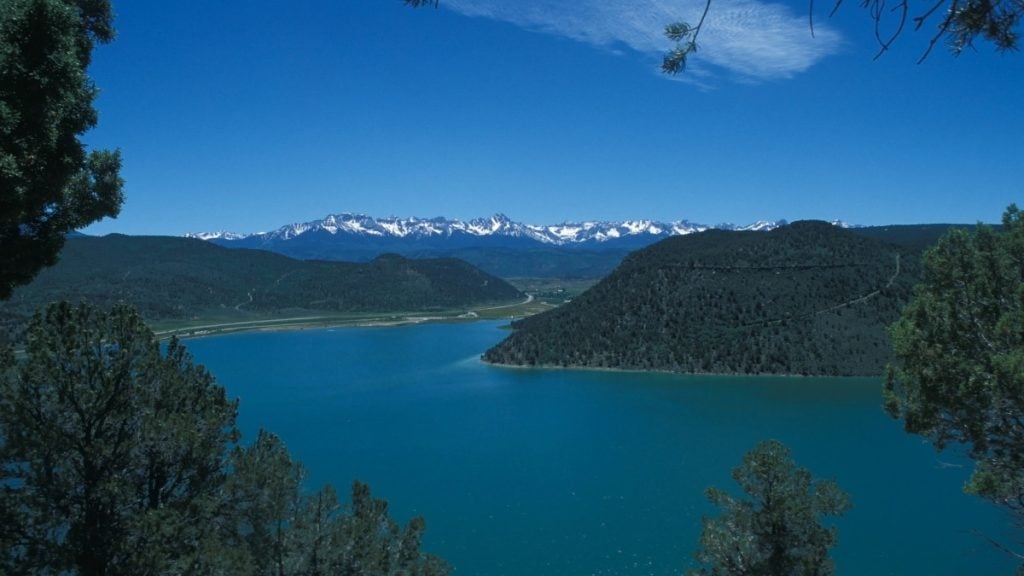
- Ridgway State Park: Calm water, soft beaches, and mountain views that pair well with easy walks and outdoor activities.
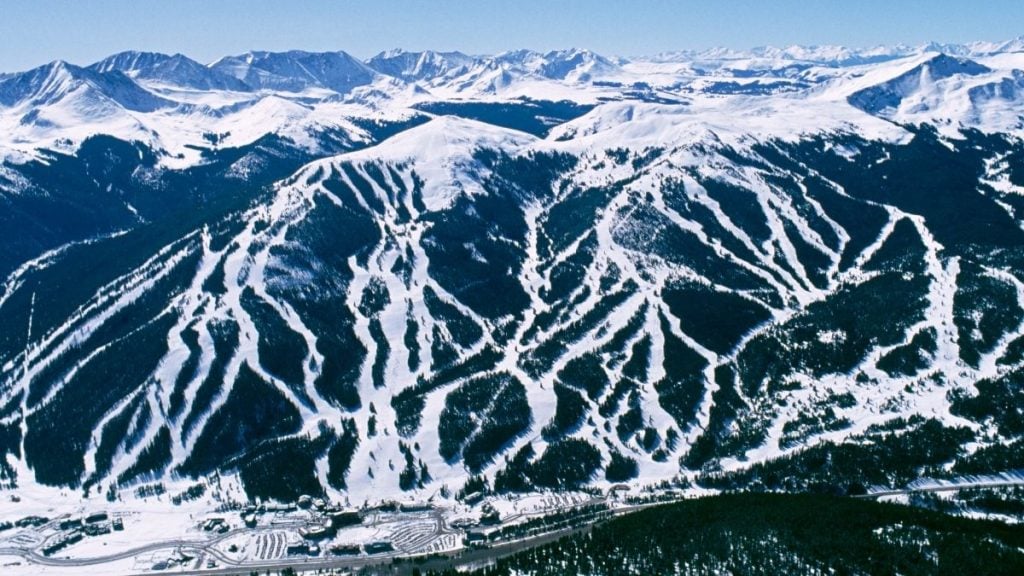
- Copper Mountain: A high-alpine hub with summer trails, lift rides, and crisp ridgeline air.
- Dillon Reservoir: A wide stretch of blue water surrounded by rising mountains, perfect for a picnic break or a shoreline stroll.
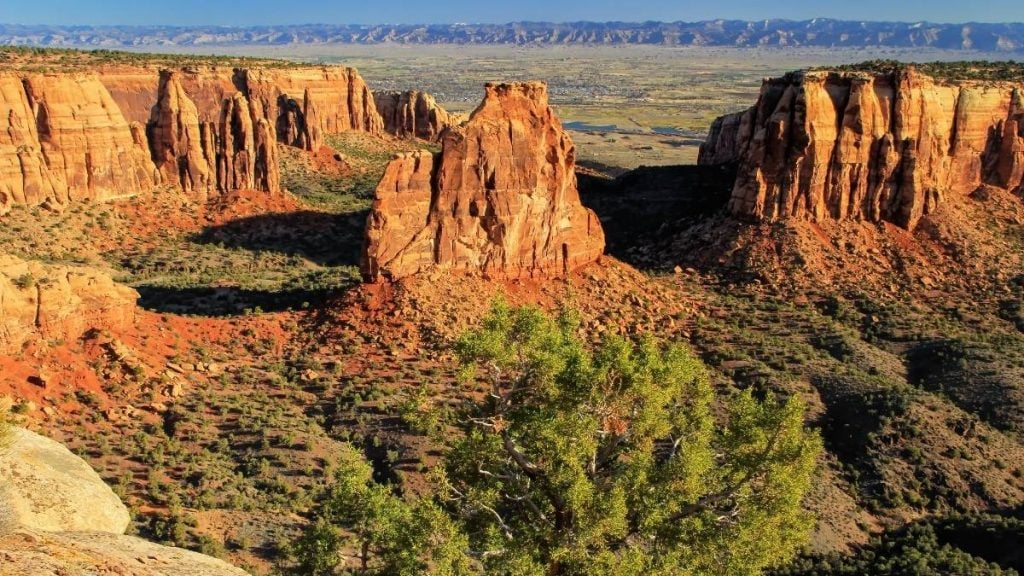
- Colorado National Monument: Towering red-rock formations and panoramic overlooks across canyon country.
Top stops for history buffs
- Colorado National Monument: A landscape filled with geological history and interpretive stops that reveal how time shaped the West.
- South Park & Fairplay, Colorado: A living snapshot of frontier life, complete with preserved buildings and mining heritage.
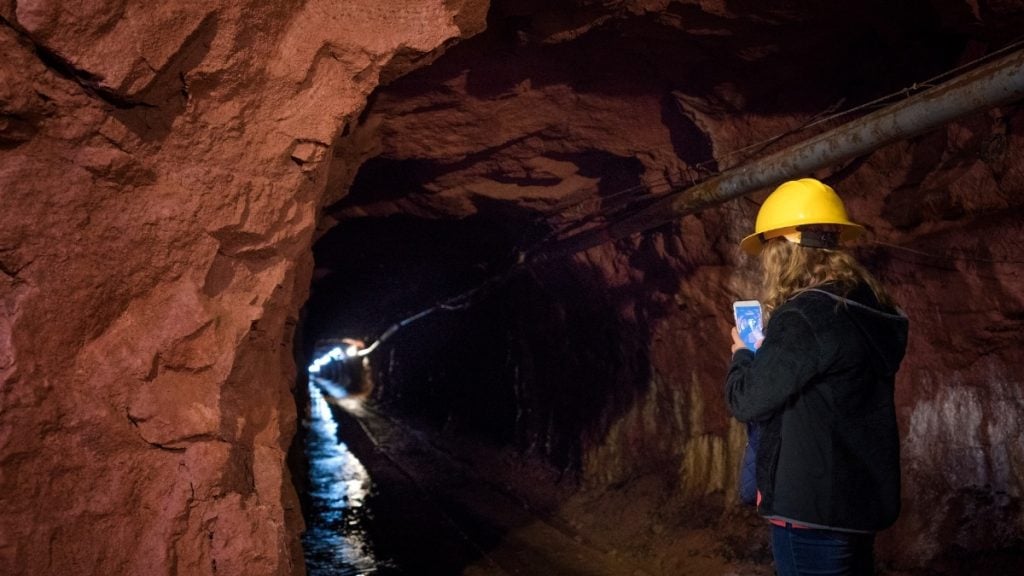
- Bachelor Syracuse Mine Tour, Ouray: An underground look at the silver boom that once defined the region.
- Ghost towns near Silverton: Quiet remnants of early settlement scattered across high-country basins.
- Grand Junction museums and galleries: Small but meaningful collections that highlight regional culture and early western stories.

Top stops for families
- Mount Princeton Hot Springs, near Salida: Warm pools and mountain views that help balance long hours on the road.
- Colorado Railroad Museum, Golden: Engines, exhibits, and hands-on displays children love.
- Telluride Town Park: A great place for playground time, river access, and open space before or after you reach Telluride.
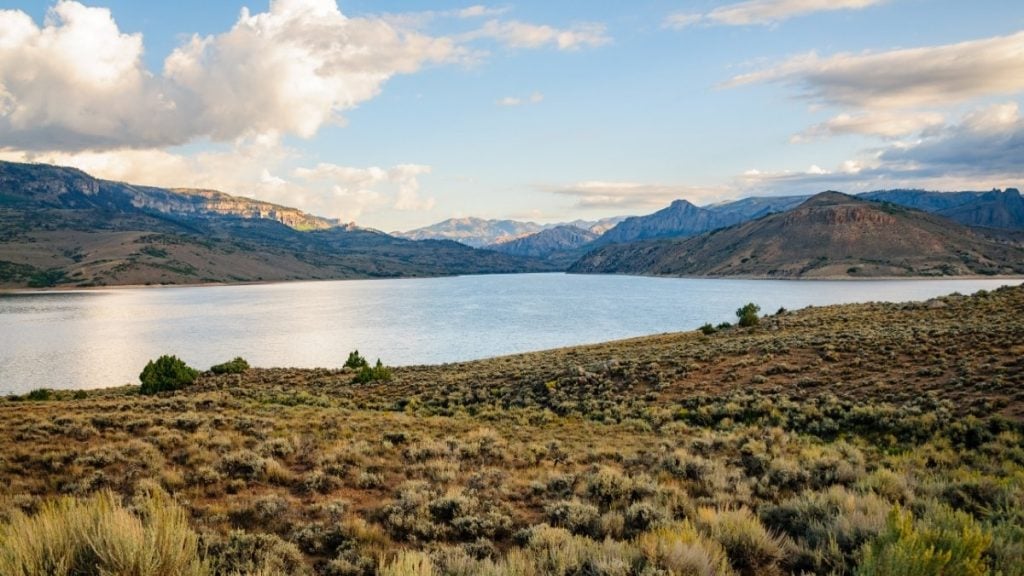
- Curecanti National Recreation Area: Gentle trails, lakeside areas, and room to run.
- Buena Vista’s downtown and riverwalk: Shops, cafés, and a friendly atmosphere that make for an easy stopover.
Frequently asked questions about the Denver to Telluride road trip
Is it worth driving from Denver to Telluride?
The journey earns its reputation. The road carries you from foothills into rising mountains, through river canyons, open plateaus, and towns that feel tucked into the landscape. For many travelers, the drive becomes one of the most memorable parts of the trip.
How many days does it take to travel from Denver to Telluride?
Most people make the trip in a single day, though adding one or two extra days lets you spend time in hot spring towns, wander through mountain main streets, or detour toward scenic overlooks.
How long is the Denver to Telluride road trip?
Expect six to eight hours on the road, depending on the route you choose and how often you stop for food, photos, or trail breaks.
Can you tackle the Denver to Telluride road trip in reverse?
Definitely. The Telluride to Denver road trip offers a new perspective, with long east-facing views as the mountains widen and the landscape shifts toward the Front Range. If you need a vehicle for the return, you can browse options through SUV rental in Telluride before heading out.
Can I get from Denver to Telluride by train or bus?
It’s possible, though not direct. Denver to Telluride by rail requires a mix of train and bus connections, and travel times can be long compared to driving.
Can I fly from Denver to Telluride?
Yes. Many visitors fly into Montrose Regional Airport and drive the final stretch, which shortens the overall trip.
Is the drive from Denver to Telluride scenic?
The scenery shifts constantly. Expect river valleys, red-rock canyons, stretches of open sky, and mountains that rise and fade throughout the day. The variety alone makes the drive feel special.
Final word: Planning the Denver to Telluride road trip of a lifetime
The Denver to Telluride journey feels like a slow climb into a different pace of life, where river bends, canyon walls, and distant mountains shape the rhythm of the day. The route is full of places that invite you to pause, breathe, and experience the West at its most open and vivid. It’s the kind of drive that stays with you long after you arrive at your final destination.
Before you set out, take time to map out the stops you want to see, choose a car that suits your style of travel, and browse options across the country. Once everything is in place, let the Denver to Telluride road open in front of you and make the journey your own, shaped by the life and landscape of Colorado.
Book your rental car in Denver with Turo
Ready to get moving? With Turo, booking the perfect rental car in Denver is easy. Choose from a wide range of vehicles from local hosts – whether you need a spacious minivan or an eco-friendly EV.
Skip the hassle of traditional rentals and take control of your trip from the very beginning. With flexible pick-up and drop-off options, you can hit the road whenever you’re ready and make the most of every moment. Get started with Turo and make your Denver to Telluride road trip an adventure worth remembering!
Share your car, earn extra cash
Cover your car payments or earn some extra cash by sharing your car whenever you’re not using it.
Get startedHit the road
Browse thousands of cars for every occasion and budget near you, or wherever you’re going.
Browse cars
Christine Marcarian
Christine Marcarian is a travel and automotive writer with real road hours logged across three continents. She's white-knuckled the New England Highway switchbacks between Sydney and Armidale, cruised the Queensland coastline from Byron Bay to the Gold Coast, and navigated Japan's compact streets where lane width is a suggestion and parking is an art form. She's a convertible-when-possible, compact-SUV-when-sensible kind of driver, happiest in something that feels right on a coastal switchback or a narrow lane through a town you didn't plan to stop in. For Turo, Christine writes US and Canadian road trip guides and vehicle-focused features. Her writing lives on the road, not the showroom floor: the right car for the route, the conditions that change a drive, and the detours worth taking the long way for.