
by Turo
posted on 18 June 2025
The UK loves its cars.
Over the last 50 years, the proportion of households with access to one or more vehicles has increased from 52% to 78%. And for many people, especially in rural areas, cars remain the most convenient way for mobility. But with the UK on the path to a net zero future, how can personal car use fit into a better, more sustainable transport system?
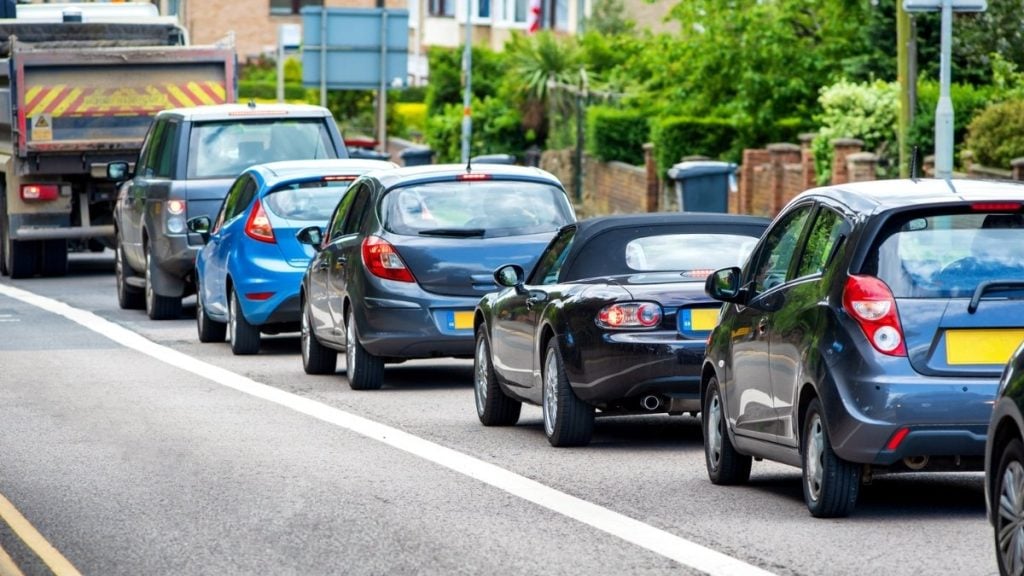
To help answer this question, we were delighted to bring together an expert panel during the Campaign for Better Transport’s Better Transport Week, for a thought-provoking discussion on whether the UK can achieve its net zero targets while preserving the convenience of personal car use.
Chaired by Director of the RAC Foundation Steve Gooding, Turo’s own UK Managing Director Rory Brimmer was joined on the panel by: Olly Glover, Liberal Democrat MP and Member of the Transport Select Committee, Becky Franklin, Director, DGA Group; and Marc Roberts, Chief Technology and AI Officer, Hiyacar.
Our panel agreed that the UK can achieve its net zero targets while preserving the convenience of personal car use, and the UK is well placed, through the use of innovative transport models, to find a sustainable method that still supports the growth and innovation of the automotive industry.
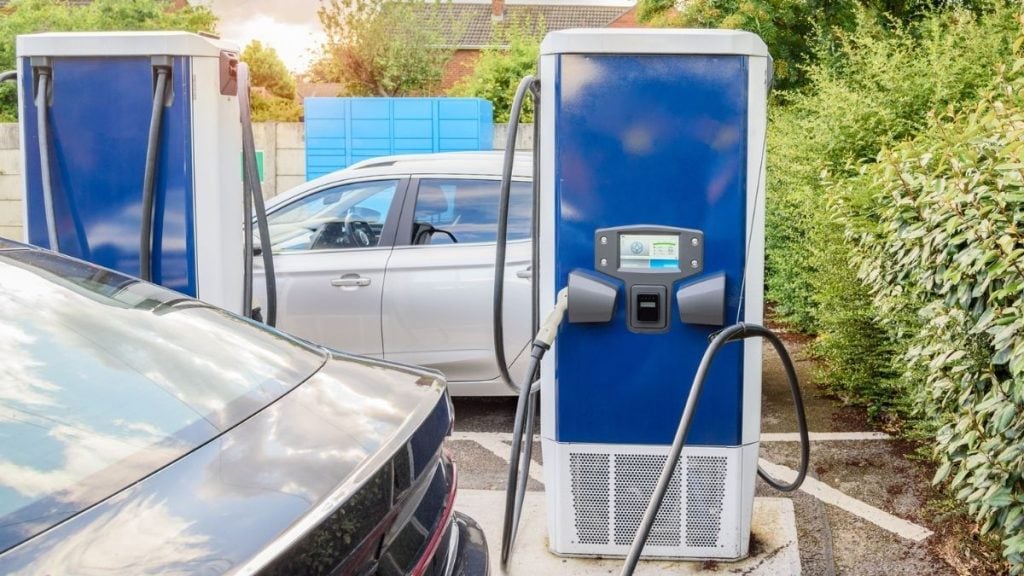
At the heart of good transport is choice, and the key is making it easier for people to choose what works best for them, without being locked into car ownership or excluded by high costs and limited alternatives. This means ensuring people have access not just to transport, but to the right kind of transport, such as electric vehicles, supported by an efficient charging infrastructure, or flexible car-sharing options. A truly sustainable transport system empowers communities by broadening access, improving affordability, and making lower-carbon options the most convenient choice.
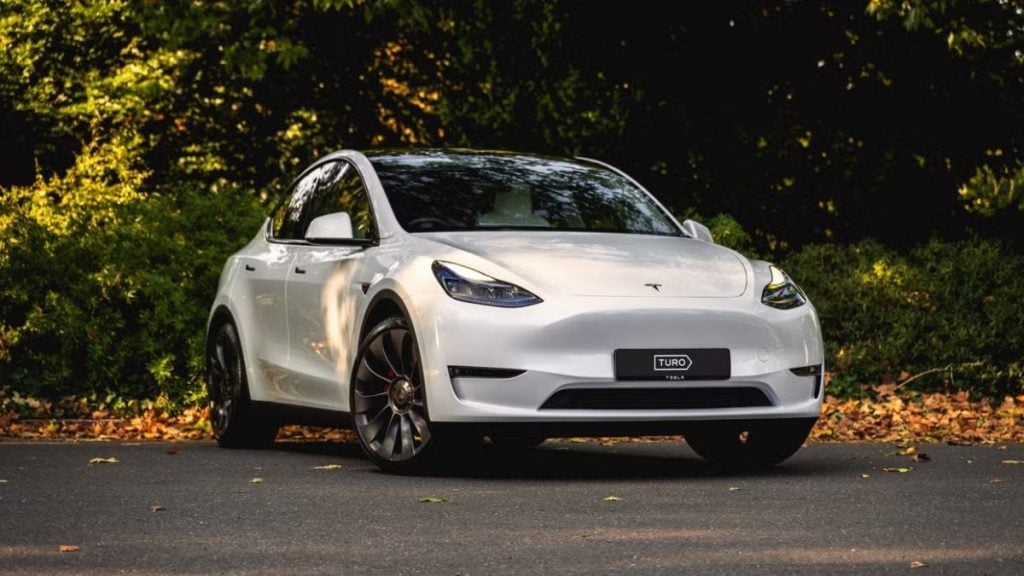
As a peer-to-peer online car sharing marketplace, at Turo, we’re reimagining access to personal vehicles. Our vision is to make access more flexible, affordable and sustainable, as well as encouraging the uptake of electric vehicles to make better use of the world’s 1.5 billion cars. Since launching in the UK in 2018, we’ve built a fast-growing community of tens of thousands of active users, with access to more than 300 different makes and models. Whether someone needs a car for a weekend getaway, a family trip, or a daily commute, they can find one nearby, often from a neighbour in their community.
We also help people make informed choices about EVs with many of our consumers turning to rentals as a “try before you buy” opportunity. Over 40% of our surveyed guests said they are likely to book an EV for their next trip on Turo, while 40% said they are also likely to purchase an EV as their next vehicle. With over 100 unique makes and models of EVs on Turo, it’s clear why consumers are turning to peer-to-peer car sharing to start their journey to net zero.
Platforms like Turo are more important than ever as the car ownership landscape is shifting, influenced by rising costs, evolving consumer attitudes, and growing interest in alternative mobility solutions. For example, our Car Ownership Index, delivered last year in partnership with YouGov, found that the high cost of ownership was the most significant reason for British respondents giving up their cars. The reason? A quarter (24%) of respondents stated the high cost of car insurance as a key reason they don’t own, lease or finance a car, while one in five called out the high cost of maintenance and repairs (21%) and the high cost of fuel (20%).
As prices continue to escalate, affordability concerns grow, and next-gen mobility solutions gain traction, the coming years are central to ensuring we remain on track to deliver net zero. As consumers begin their journey towards electric vehicles, platforms like Turo can play a central role in supporting the transition to ensure we make better use of the cars we have available.

Supporting communities with better transport doesn’t mean giving up the car. It means using cars more intelligently through sharing and integration with other forms of transport. It means making personal mobility more sustainable while keeping it convenient. And most importantly, it means ensuring no one is left without options.
In the journey to net zero, a truly better transport system is one that works for everyone, offering flexibility, reducing environmental impact, and giving people across the UK the freedom to move in ways that suit their lives.
What the full webinar below.

Take control of your financial future and start building your car sharing business on Turo!
Get started
Browse thousands of cars for every occasion and budget near you, or wherever you’re going.
Browse cars