by Anna Hann
posted on 23 May 2025
If you’re dreaming of a proper road trip through Scotland as your next adventure, the North Coast 500 should be at the top of your list.
This 516-mile loop starts and ends in Inverness, taking you through the heart of the northern Highlands on roads that are as scenic as they are fun to drive. Expect tight bends, single-track sections, and steep climbs that reward your sense of adventure.
The North Coast 500 route passes through places like Applecross, Lochinver, Durness, and Thurso, linking remote coastal villages with mountain passes, sea cliffs, and stretches of empty beach.
Considered one of the world’s best road trips, the NC500 follows the west coast, cuts across the far north, and loops back down the east side. Along the way, you’ll experience Scotland’s wild landscapes and beaches, shifting weather, and the kind of solitude that’s hard to find elsewhere. It’s a chance to slow down, explore at your own pace, and discover corners of Scotland that don’t appear on every postcard.
The north coast route itself is only part of the story. You might find yourself watching dolphins off the coast near the Moray Firth, sitting in solitary silence by a tranquil loch, spotting red deer at the edge of a quiet glen, or pulling over just to soak in spectacular views that seem to go on forever. Add in a few historic castles with a backdrop of mountains, some excellent local seafood, and the occasional friendly Highland pub, and you’ve got a road trip that feels like a real journey. And to help you get the most out of your experience, here is your ultimate guide with some insider tips…

Planning your North Coast 500 road trip
It may be tempting to point the car north and go, but a bit of planning makes a North Coast 500 trip far more enjoyable. A week is the minimum to appreciate the route, but stretching it to ten or twelve days gives you breathing space to follow footpaths, linger in villages, and lose yourself in Scotland’s magical landscapes. To extend your adventure, you’ve got the option to tag on other Scotland road trips, like driving the Isle of Skye.
One of your first considerations is deciding which direction to take. Clockwise brings the easier east coast first, saving the wilder west for later. Anti-clockwise throws you straight into the drama of Bealach na Ba within a few hours of leaving Inverness. Splitting the trip into daily sections gives you time to explore properly, and planning your accommodation in advance all helps. After all, this is a journey to be savoured.
Suggested day-by-day itinerary
Scenic holiday ideas don’t come much more beautiful than a North Coast 500 trip. This itinerary takes you on a complete loop around the northern Highlands, starting and ending in Inverness. Along the way, you’ll cruise down the north coast, wander across a wealth of white sandy beaches, journey through majestic mountains, and reach the most northerly part of Scotland at Dunnet Head. From iconic landmarks like John o’ Groats to hidden gems only locals know (it’s always worth asking for their top tips), you’ll get to uncover places far off the beaten track.
Whether you’re considering Scotland for scenic sightseeing, wildlife watching, camping, or a relaxing getaway, this NC500 itinerary offers stunning landscapes of lochs and mountains, access to beautiful beaches and plenty of room to breathe.
Day 1: Inverness to Applecross (via the Black Isle and Bealach na Ba )
Distance: Approximately 100 miles
Driving time: Around 2 hours 40 minutes (without stops)
Your trip kicks off in Inverness, a lively Highland city and a great base to pick up your car rental. Before driving west, take a short detour north over the Kessock Bridge and visit The Black Isle, a peninsula known for its rolling farmland, villages, and opportunities to spot dolphins from Chanonry Point.
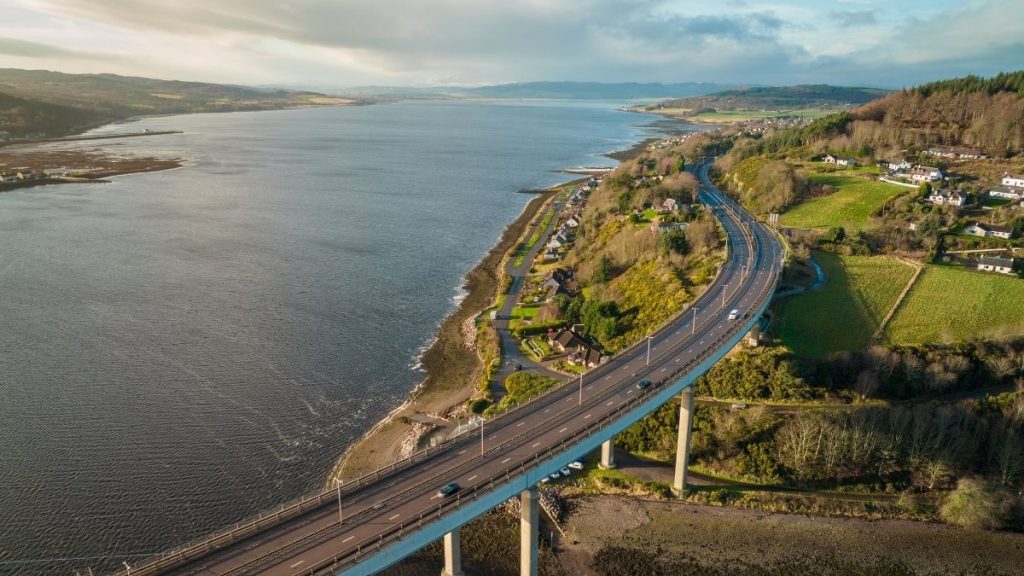
After snapping a few photos of the coastal views, return to the main route and drive west toward Applecross. You’ll soon find yourself climbing the epic Bealach na Ba, a twisting mountain pass with spectacular coast views. Take your time. This route is just as much about the journey as the destination.
When you arrive in the town, stop for a walk along the water’s edge, visit the Applecross Heritage Centre, or simply relax by the bay. Dinner at the Applecross Inn is one of the best places in town. Grab a pint and enjoy the sunset before heading to your accommodation.
Where to stay: Applecross B&B and Cabins or Applecross Trust Holiday Cottages, both offering comfortable accommodation in a peaceful setting.
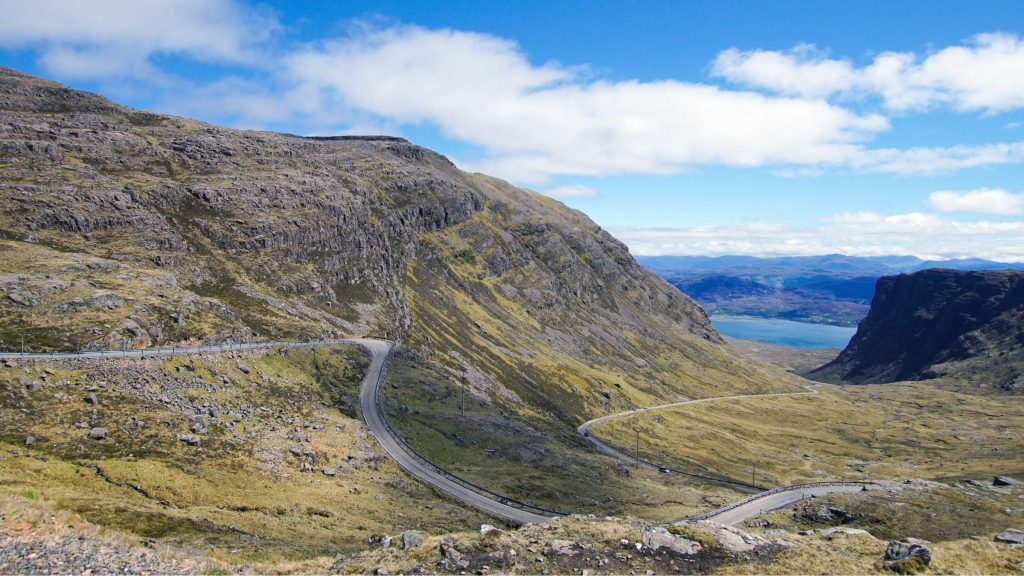
Day 2: Explore Applecross Peninsula
This is your chance to slow things down. Applecross is a place that makes you forget what time it is. Go exploring. Maybe rent a kayak, book a boat trip, or take a gentle walk past crofting cottages. Or enjoy a quiet beach picnic.
Where to stay: Stay another night in your accommodation and continue to unwind and settle into your holiday.

Day 3: Applecross to Gairloch
Distance: Approximately 70 miles
Driving time: Around 2 hours, 30 minutes
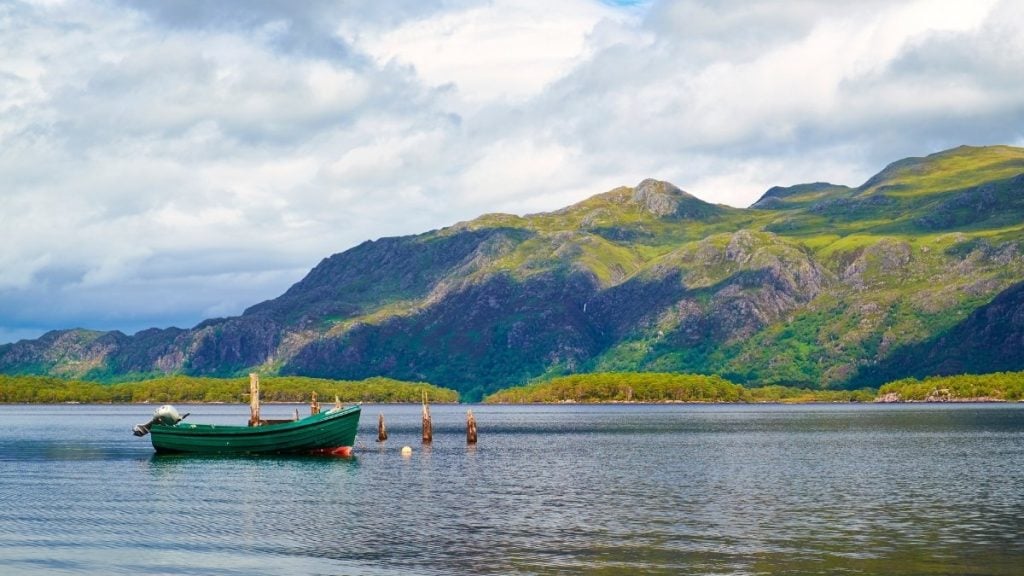
Head north through some of the Scottish Highlands’ wildest terrain. The drive through Shieldaig and Torridon is magnificent, with mountains rising on every side. Pause at Loch Torridon, stretch your legs in Diabaig, or pause to admire the scenery whenever the mood takes you. As you approach Gairloch, you’ll catch your first glimpse of beaches like Gruinard Bay, a stretch of coast that looks more like the Med than the Highlands.
Where to stay: Plan a night or two at Gairloch Hotel for a classic seaside stay or Shieldaig Lodge Hotel if you’re after luxury and whisky by the fire.
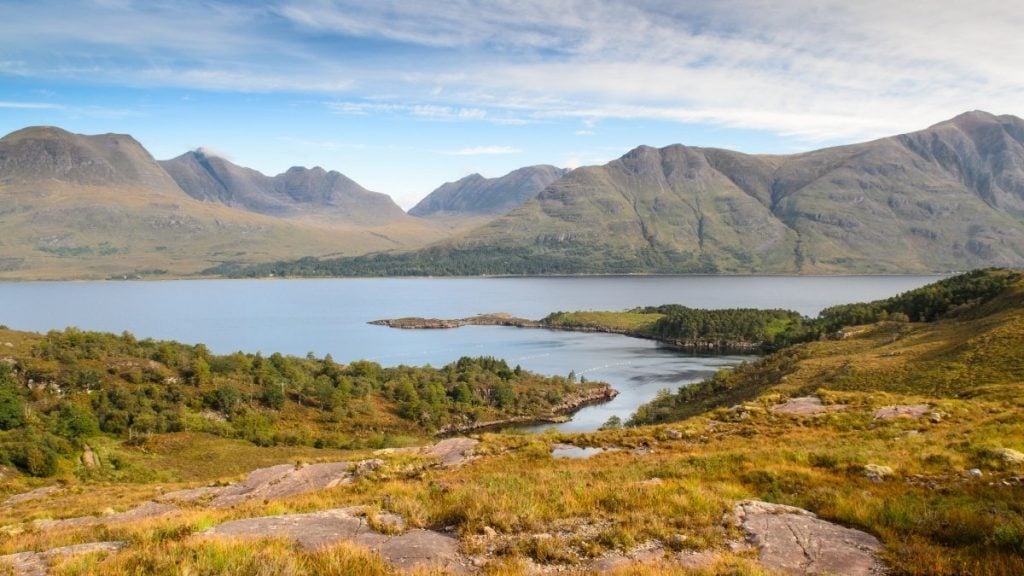
Day 4: Explore Gairloch and Surrounds
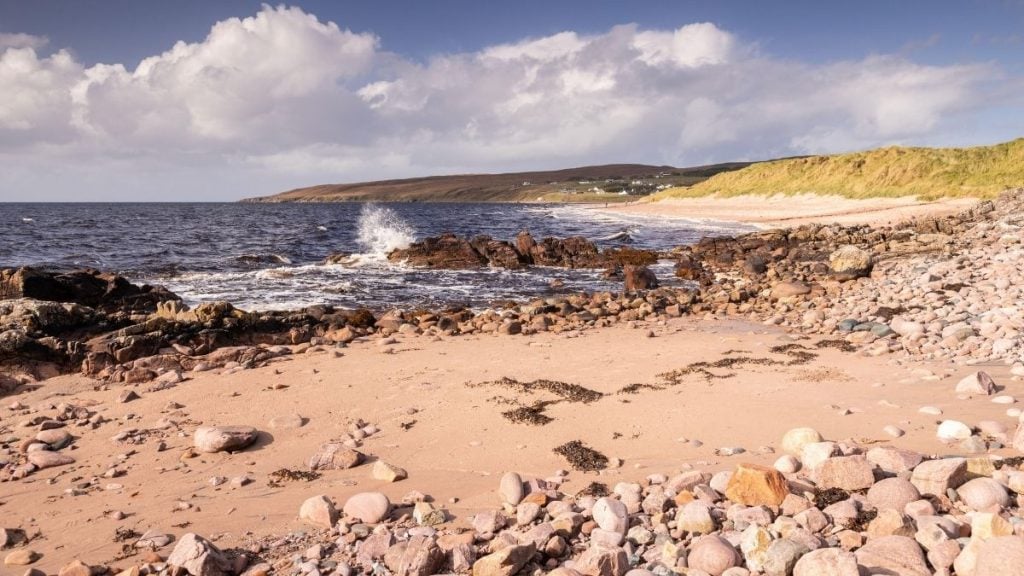
Ease into Highland life with a visit to the Gairloch Museum, then walk to the Flowerdale Glen waterfall. You might fancy a boat trip to spot whales, dolphins, and basking sharks — it’s a great way to spend an afternoon if you’re lucky enough to get some settled conditions. If you’re after a low-key day, hit the beaches. Try Big Sand Beach or Redpoint and relax with your feet in the water.
For a change of scenery, make time for a peaceful walk along the shores of Loch Maree, just a short drive inland. Fringed by pinewoods and dotted with small islands, it’s one of Scotland’s most beautiful freshwater lochs, with calm views and great spots for a picnic or an easygoing walk.
Where to stay: Settle in for another night in Gairloch — it’s worth it.
Day 5: Gairloch to Lochinver (via Ullapool and Kylesku Bridge)
Distance: Approximately 100 miles
Driving time: Around 3 hours, 15 minutes (without stops)
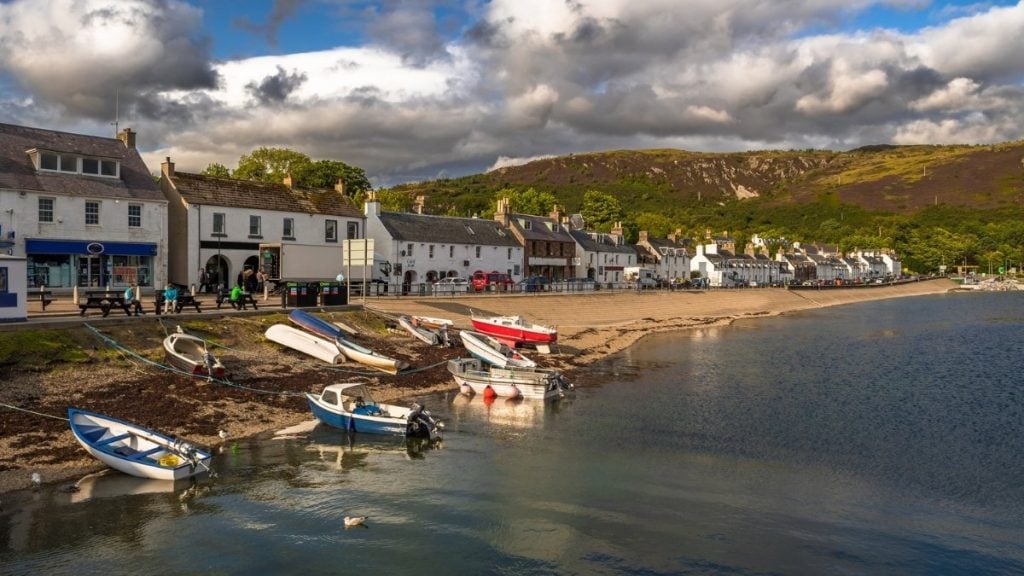
Today, you’re heading to Lochinver, but not before a few excellent stops on a busy day. Start in Ullapool, a bustling town ideal for lunch or coffee. If you have time, explore the shops along the waterfront at Loch Broom.
After Ullapool, drive north to the Kylesku Bridge, one of the most iconic sights on the North Coast 500. This elegantly curved bridge spans the sea loch of Loch a’ Chàirn Bhàin and offers panoramic photo opportunities. There’s a viewpoint and parking area nearby where you can stop, stretch your legs, and be impressed by the engineering and natural beauty.

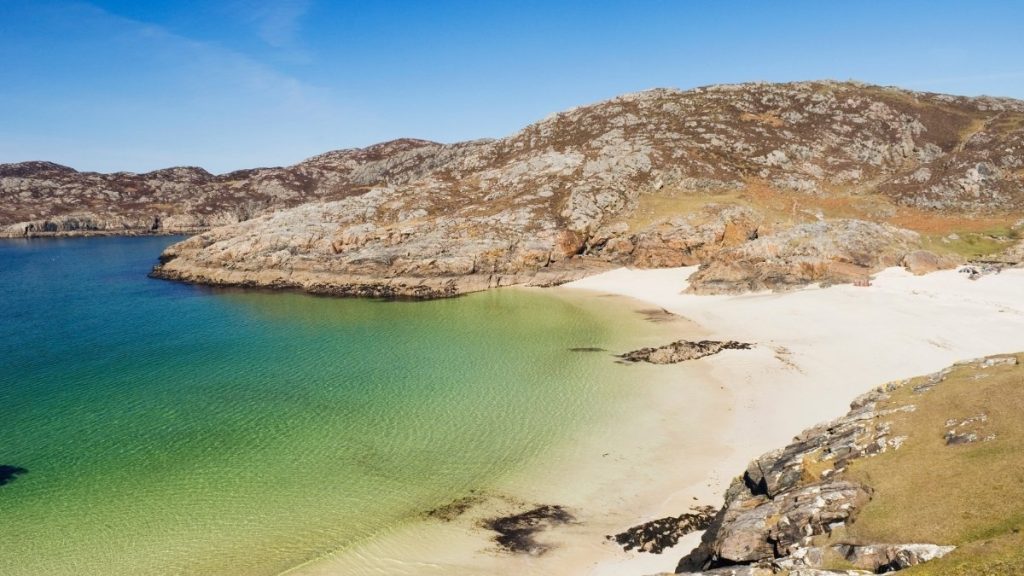
From there, drive west toward Achmelvich Bay, which is considered one of the best beaches in the Highlands. You’ll swear you’re somewhere tropical, with its turquoise waters and white sand.
Where to stay: Inver Lodge Hotel for stunning views or West Coast Hideaways for something romantic and remote.
Day 6: Explore Lochinver and Assynt
Explore Assynt’s wild and ancient landscapes on Scotland’s rugged west coast, beginning with the dramatic ruins of Ardvreck Castle on the shores of Loch Assynt. This 16th-century stronghold, once home to the MacLeods, is rich in history and local legend.

Nearby, Knockan Crag features an open-air geology trail that explains how these landscapes formed over millions of years. It’s a thoughtful place to pause, walk, and take in the surroundings.
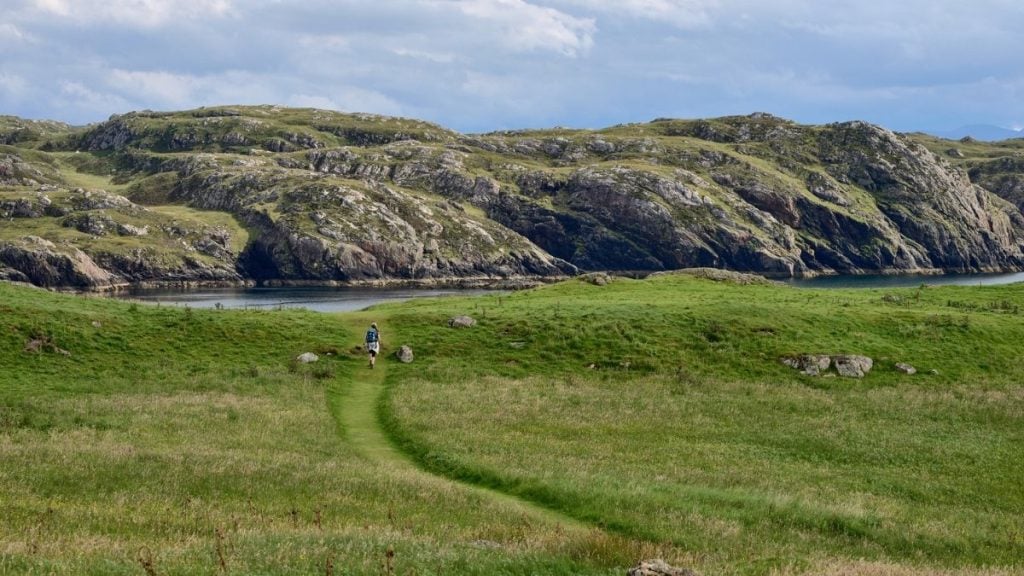
If you’re up for a longer walk, try part of the trail to Suilven. You’ll need to park and continue on foot. Even a short walk offers a sense of the vast moorlands, quiet lochs, and dramatic mountains.
If it’s a sunny day, visit nearby beaches or take a trip to the Isle of Handa. Visitor information panels at several stops provide useful tips for making the most of your time here.
Where to stay: Rest up back in Lochinver.
Day 7: Lochinver to Scourie (via Stoer Lighthouse)
Distance: Approximately 40 miles
Driving time: Around 1 hour, 30 minutes
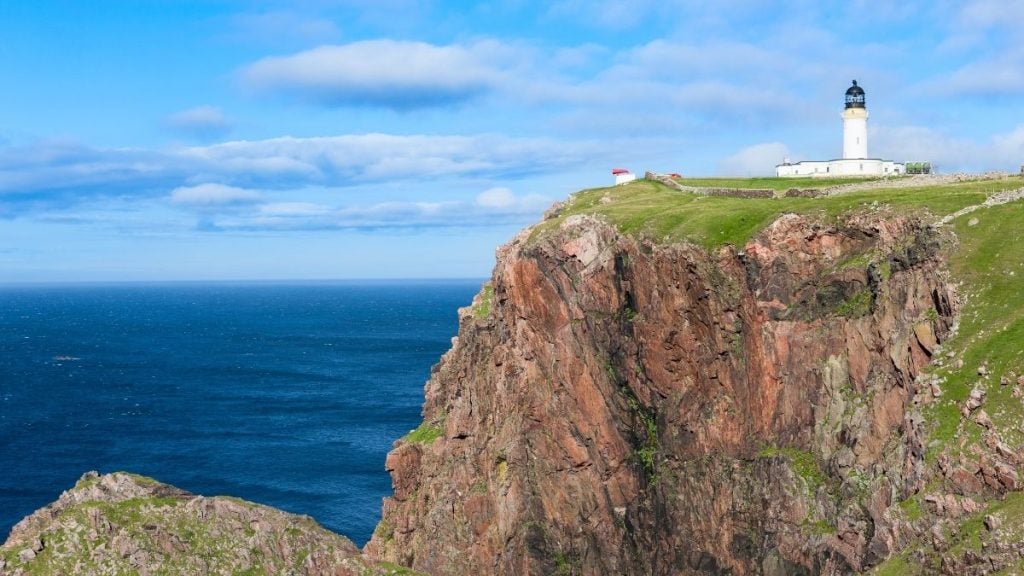
Head north and plan a visit to Stoer Lighthouse, set on a remote clifftop with expansive views over the sea. On a clear day, you can spot the Outer Hebrides in the distance, and with a bit of luck, you might see dolphins or even a sea eagle overhead.

From there, the road to Scourie winds through open peat bogs and past ancient glacial rocks, with flashes of turquoise sea catching you by surprise. It’s a quiet, scenic stretch that feels far from the usual tourist trail. Scourie is a peaceful village by the coast, perfect for a quick walk or an overnight stop in local accommodation.
Where to stay: Book at night at Scourie Hotel for tradition or Scourie Lodge for charm and garden views.
Day 8: Scourie to Durness
Distance: Approximately 25 miles
Driving time: Around 50 minutes
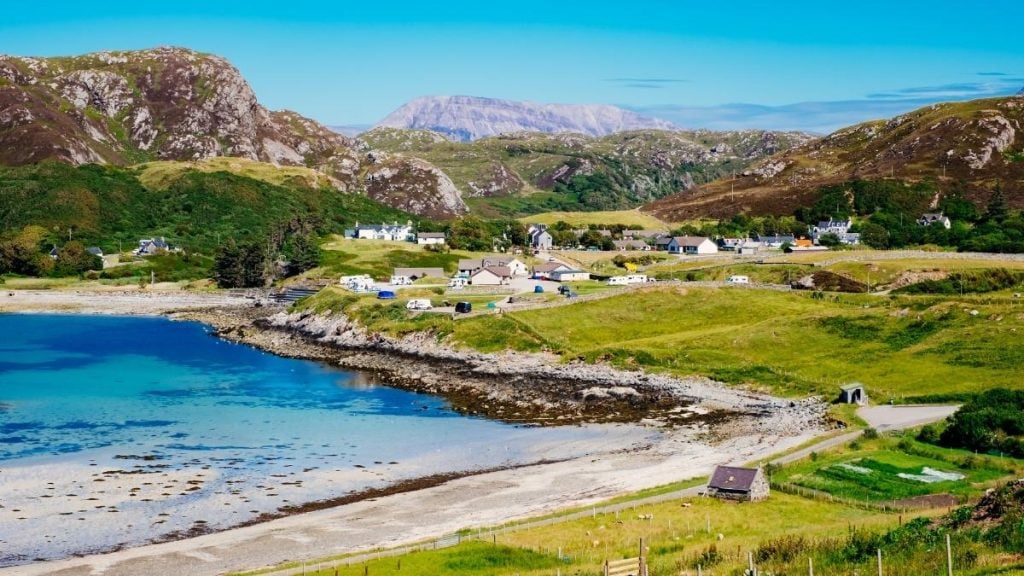
It’s a short but scenic drive today, with plenty of time to slow down and enjoy the views. Start your morning with a walk along Oldshoremore or Polin Beach, quiet beaches that feel wonderfully untouched.

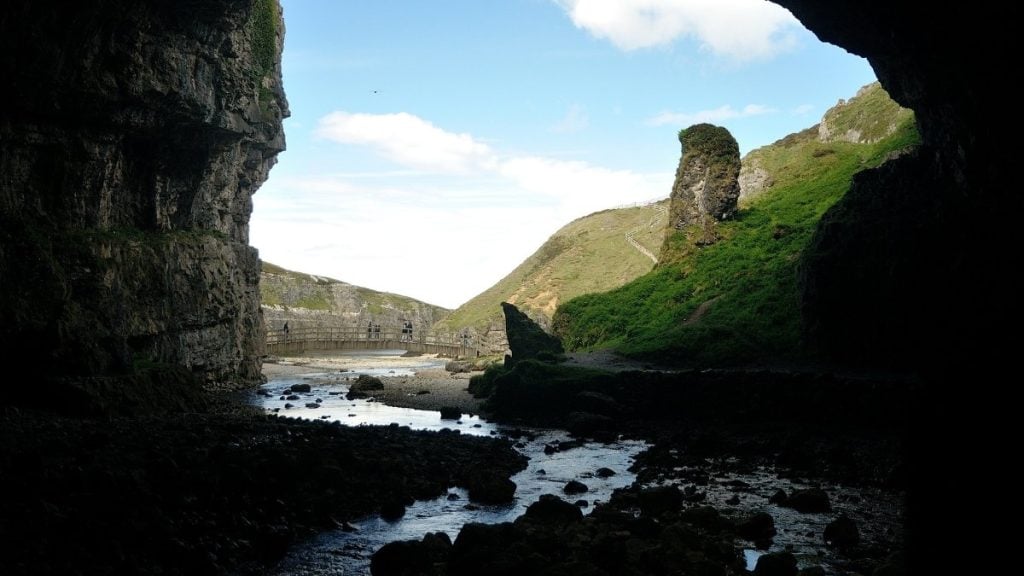
After a bracing dip or a peaceful stroll, head toward Durness, one of the most northwesterly villages on the mainland. Don’t miss visiting Smoo Cave, a dramatic sea cave with a waterfall tumbling inside, accessible by a wooden footbridge and a short walking path. Smoo Cave is partially lit and features a viewing platform to take in the mighty rush of water, especially after rain. There’s a free car park just off the A838 as you approach from the east, with a clearly marked footpath leading down into the gorge and to the cave entrance.
Afterwards, warm up with a hot drink and some handmade truffles at Cocoa Mountain, a tiny local gem that’s earned a big reputation for its rich, silky chocolate.
Where to stay: Mackay’s Rooms or Sango Sands Oasis, where you can even try camping by the shore.
Day 9: Explore Durness and Cape Wrath
Today is about exploration. Head out to Cape Wrath, one of Britain’s wildest and most remote headlands, or stay local and enjoy Balnakeil Beach and the nearby Balnakeil Craft Village. This is an ideal day for a bit of relaxation, too. If you missed Smoo Cave yesterday, put it on your to-do list for today.
For a scenic and peaceful detour, head to Loch Eriboll, a long sea loch surrounded by rugged hills steeped in wartime history. It’s a great place to stop for a quiet moment enjoying the stillness of the far north.
Where to stay: Another night in Durness.

Day 10: Durness to Thurso (via Castle Varrich and John o’ Groats)
Distance: Approximately 90 miles
Driving time: Around 3 hours, 15 minutes
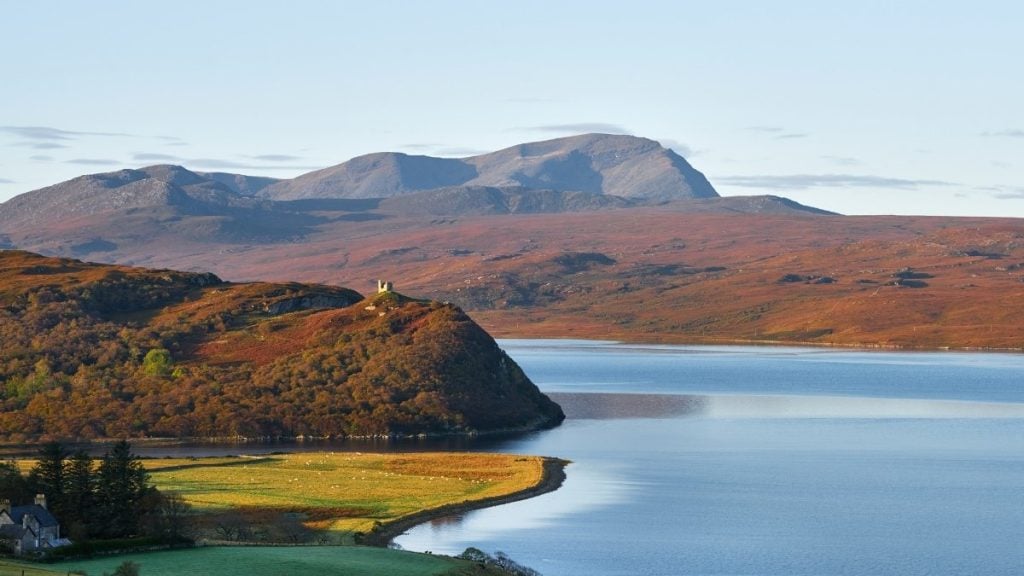
Follow the route east and stop near Tongue for a short but worthwhile hike up to Castle Varrich, a centuries-old ruin with incredible views over the Kyle of Tongue and the peak of Ben Loyal.
From there, continue to John o’ Groats, a well-known point at the northern tip of mainland Scotland. Take time to walk along the cliffs to Duncansby Stacks, where tall sea columns rise from the water and seabirds nest on the ledges.

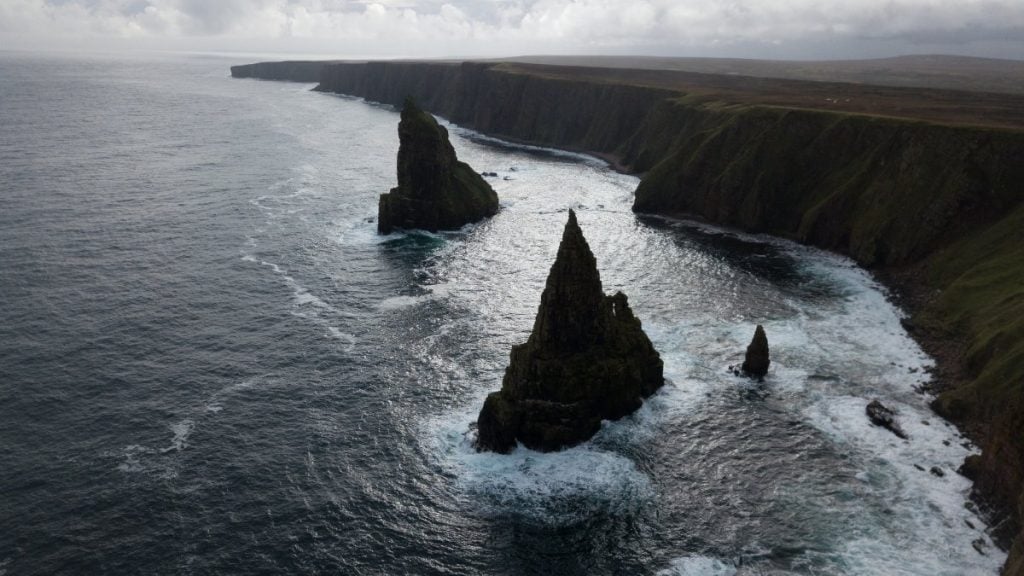
Where to stay: Pentland Hotel or Camfield House are both accommodation options worth considering.
Day 11: Explore Thurso and Dunnet Head
Spend your day exploring the far north of Scotland. Start in Thurso, then drive to Dunnet Head, the most northerly point of your drive, and visit the Castle and Gardens of Mey if open. You’ll spot puffins in spring and summer, so bring binoculars. It’s a slower-paced day, perfect after a packed schedule.
Where to stay: Stay one more night in your accommodation in Thurso before heading south.

Day 12: Thurso to Dunrobin Castle to Inverness
Distance: Approximately 110 miles
Driving time: Around 3 hours, 30 minutes
Your journey south takes you along the east coast with stops in Golspie and Brora. The star today is Dunrobin Castle, with its spires, gardens, and falconry shows. It’s a fairytale finish to your trip. Continue to Inverness, the final stop on your North Coast 500 road trip, where you’ll notice the return of forests and rivers replacing the open moorland.
Where to stay: Book a night at Rocpool Reserve Hotel or Ness Walk, two of the city’s best accommodation choices.

Day 13: Departure from Inverness
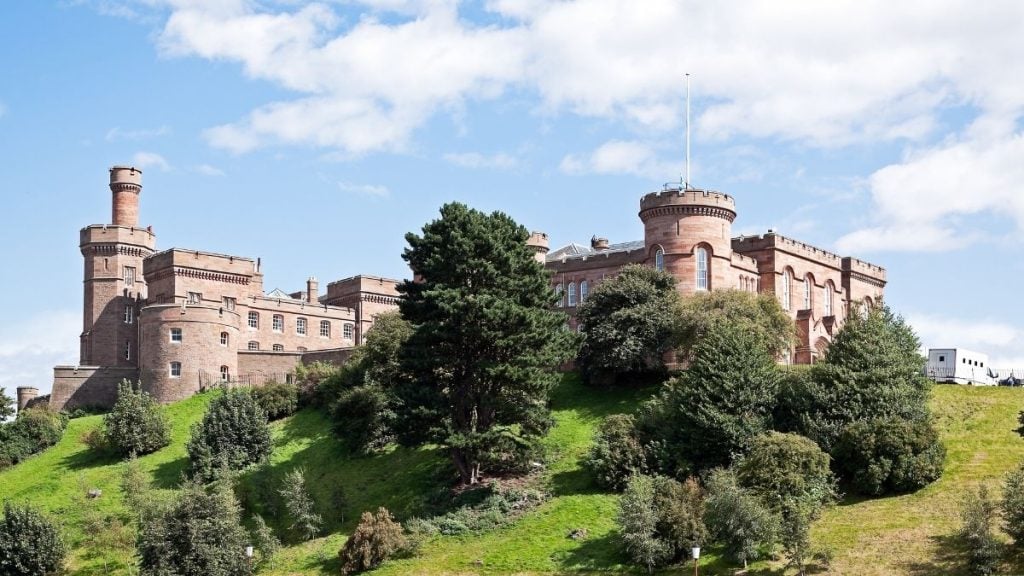
Start with a short walk along the River Ness, or swing by Inverness Castle for one last look. Whether you’ve come to Scotland for a special occasion or to experience the difference of the Highlands, you’ll leave brimming with memories, a camera full of gorgeous landscapes, and the feeling that your money was well spent.
Top tips for a safe and rewarding NC500 adventure
Fuel up when you can
Some stretches of the North Coast 500 can feel wonderfully remote, but petrol stations are few and far between. In smaller villages, garages can close early or have limited opening days. If you’re driving an electric vehicle, plan your route in advance. EV charging points are available in most larger towns along the route, but they can be sparse in more isolated areas, so it’s best to check availability and charge up when you can. For the most up-to-date information on charger availability and types, consider using resources like ChargePlace Scotland or Zap-Map.
Be prepared for any weather
Scottish weather loves to keep you guessing, even in the middle of summer. It’s best to pack plenty of layers. Think warm jumpers, a good waterproof jacket, and a hat in case the wind picks up. Don’t forget a spare pair of socks and some backup footwear for soggy days. Conditions can change quickly, so it pays to be prepared.
Understand single-track road etiquette
Many Highland roads are single track, with passing places for vehicles to pull over. Always give way to oncoming traffic when appropriate, and let faster vehicles pass you. Smile, wave, and stay courteous — it’s part of the Highlands way of life.
Frequently asked questions
When’s the best time to drive the North Coast 500?
Scotland’s weather has a personality of its own, but that is part of the charm. From May to September, summer brings long daylight hours and the best odds for sunshine, although it can be busy in places like Kylesku Bridge or Bealach na Ba.
Spring and early autumn can be especially rewarding, with quieter roads, emptier beaches, vibrant colours, and fewer midges. Late May and early June often offer a sweet spot, with flourishing wildlife and balmy evenings.
Can I drive the North Coast 500 in winter?
Yes, but with caution and preparation. Snow and ice are common from November through March, especially on higher passes like Bealach na Ba and inland routes near Assynt. Road conditions can change rapidly, so check the weather forecast daily and allow extra time for each journey. Winter tyres, a fully charged mobile phone, a snow shovel, and emergency supplies like blankets and water are strongly advised. Some remote accommodation and cafes are closed for the season, so plan carefully.
Are there electric vehicle charging points?
Yes, though they are less frequent than traditional petrol stations, particularly in the north-western sections. Inverness is well equipped with fast chargers, and you will find additional charging points at Ullapool, Durness, Thurso, Wick, and Tain. Some hotels and campsites also offer overnight EV charging. It is essential to plan your North Coast 500 route with charging stops in mind.
How busy does the NC500 get in summer?
Peak months are July and August, coinciding with Scottish school holidays and international tourism. Accommodation and camping sites often book out months in advance. To enjoy a more relaxed experience, consider travelling in May, early June, or September, when the weather is still pleasant but the crowds are smaller. Early morning starts and later evening drives can also help you avoid the busiest times.
Can I wild camp along the NC500?
Wild camping is permitted in Scotland under the Outdoor Access Code, but must be done responsibly. Choose your spot thoughtfully, away from buildings, roads, and active farmland. Always seek permission if unsure and plan in advance. Respect wildlife and fellow travellers by keeping noise to a minimum and restoring the area exactly as you found it. Beautiful beaches, lochside clearings, and sheltered glens make perfect wild camping spots if approached considerately and make for a fabulous alternative to traditional accommodation.
Does the Scotland 500 road trip include the Isle of Skye?
The North Coast 500 doesn’t officially include the Isle of Skye, as the main route loops around the northern Highlands. Skye sits a bit to the southwest of the NC500 circuit, so while it’s not technically part of the route, it’s close enough that many people choose to visit the island as a detour to their trip. If you have a few extra days, it is well worth the side trip.
Choosing the best type of car hire for a North Coast 500 road trip
A standard, reliable car suits most travellers planning a sightseeing trip around the North Coast 500. You’ll encounter a mix of wide, smooth roads and narrow, single-track lanes, so choose something you feel confident manoeuvring. A compact model can make passing other vehicles easier, particularly on tighter west coast stretches. If you’re planning on camping, make sure you choose a car with enough space for all your gear. And if you’re planning on biking sections of the west coast, filter your search on Turo to find a vehicle with a bike rack.
SUVs
A small to mid-sized SUV is an excellent choice for a bit more comfort and capability. The extra ground clearance is useful on rougher patches and minor detours, and the added space makes packing for a two-week journey much easier. Remember that large SUVs may feel bulky on Scotland’s narrow roads, so opt for a model that balances space with agility.
Electric vehicles and hybrids
Driving the North Coast 500 in an EV is possible, but you may need extra planning. There are public chargers in key towns like Inverness, Ullapool, Durness, and Thurso, but gaps exist, particularly along the remote north-west coast. Map your charging stops in advance and check whether your accommodation offers EV charging, too. Hybrids offer a great compromise, giving you better fuel economy without worrying about running low on charge.
Where to pick up your car
The easiest place to collect a car for your NC500 adventure is Inverness. The city has a choice of major car hire firms, all close to the city centre or the airport. Picking up your car in Inverness means you can start the route immediately without driving long distances beforehand.
Alternatively, you might want to start your NC500 road trip from further south. Edinburgh and Glasgow offer a great choice of vehicles on Turo. From either city, it is about a three to four-hour drive north to Inverness — an excellent opportunity to warm up before your main North Coast 500 adventure begins.


Take control of your financial future and start building your car sharing business on Turo!
Get started
Browse thousands of cars for every occasion and budget near you, or wherever you’re going.
Browse cars