by Baron Wilton
posted on October 20, 2022
High octane déjà vu
The greatest successes are often not achieved alone. That adage certainly proves true for the Subaru BRZ and Toyota GR86, which are mechanical twins produced in joint effort between the two auto giants. A challenging game of “can you spot the differences” will leave you stumped as these popular rear-wheel drive sports cars share nearly all components with each other. However, Cheng’s Toyota GR86 and Savage Exotics’ BRZ are not identical. Both engines have separate personalities, and the overall driving experience is unique for each model. Let’s take a deeper look into Subaru and Toyota’s shared success story.
The concept of two auto brands working together to manufacture a car is not new. The VW group is the perfect example as many of their popular models share the same architecture. For instance, the Audi RS Q8 shares a platform and a twin-turbo engine with the iconic Lamborghini Urus. But Toyota is known for teaming up with brands outside the Toyota family, as the GR Supra coupe gets its uncompromising performance and high-tech interior from BMW. This enables the Supra to feel premium and advanced, while showing off BMW engineering to Toyota’s sizable global customer base.

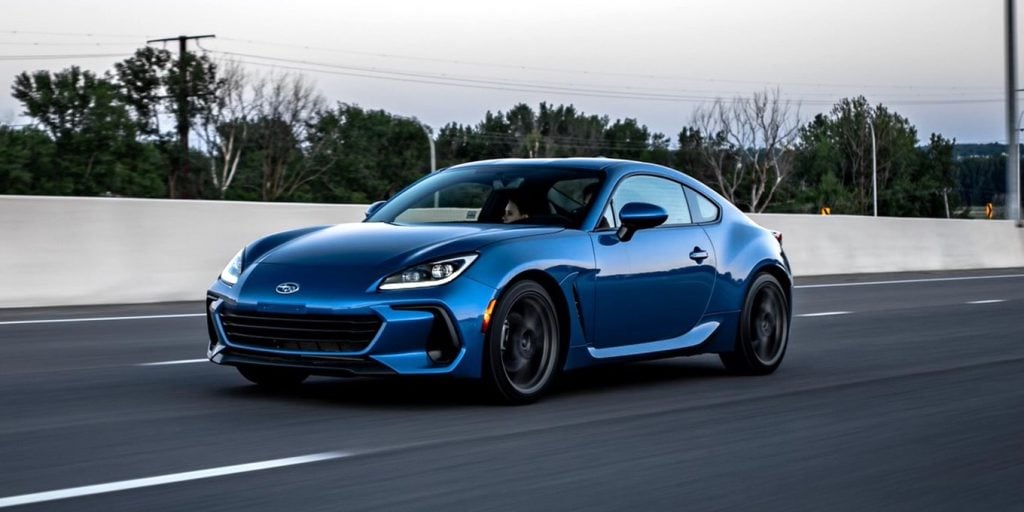
In a similar partnership, the BRZ and GR86 are manufactured and assembled together at Subaru’s plant in Japan. With approximately 9.5 million global sales in 2021 alone, Toyota has the intercontinental reach to make the sports car accessible to everyone while Subaru benefits from producing a second performance icon alongside its highly esteemed WRX nameplate. The BRZ and GR86’s shared development yields significant cost savings, which makes them the most fun you can have at their affordable price points.
The models share a 2.4L V4 boxer engine — Subaru’s specialty — that is a substantial upgrade compared to the previous generation’s 2.0L engine, now offering 228 hp and a zero-to-60 mph time of around six seconds. Completely redesigned in 2022, the shared design looks more sleek and premium, and the vehicles have a lower center of gravity and quicker downshifting to help improve handling. The BRZ is also the only Subaru offered in rear-wheel drive format, which thrusts the coupe around curvaceous mountain roads with refined agility. The sports car also comes standard with a six-speed manual transmission — a true rarity in the American market. Although harder to find, an automatic transmission is also offered to accommodate the vehicles’ mass market appeal.

The BRZ and GR86 may share the same mechanics, but both engines are tuned differently by the brands’ engineers. Many report that the BRZ’s performance is more consistent and precise, providing responsive cornering and enhanced grip in slippery conditions. Meanwhile, the GR86 has a slightly thicker rear sway bar and a lower front spring rate that makes the car more prone to oversteering and ideal for those who thrive with traction control disengaged. The GR86 is also 15 lbs lighter, which surprisingly contributes to the car just barely outperforming its sibling in performance metrics and improved emissions outputs. But in reality, both cars are so similar to drive, you won’t notice a difference unless you drive both back-to-back and test their limits.
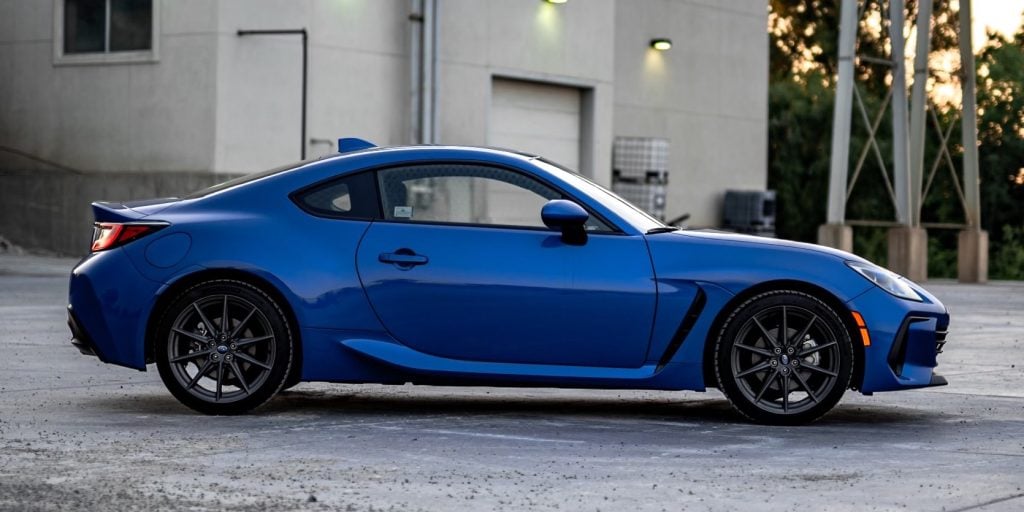
Taking a walk around the cars, it looks like one brand copied the other’s homework and changed it up just a bit. The front grille on the BRZ is smiling where the GR86 is boxy, reminiscent of the Nissan Z. Also, the daytime running lights on the BRZ follow the curvature of the hood while the GR86’s are L-shaped. On Cheng’s Premium trim Toyota GR86, the coupe’s aggressive stance benefits from a gorgeous duckbill spoiler, matte black 18-inch rims with Michelin sports tires, and Toyota-exclusive Neptune Blue paint that is sure to stand out from the crowd. Alternatively, Savage Exotics’ BRZ flaunts Subaru’s classic Blue Pearl color that’s been a longtime staple on WRX rally cars.


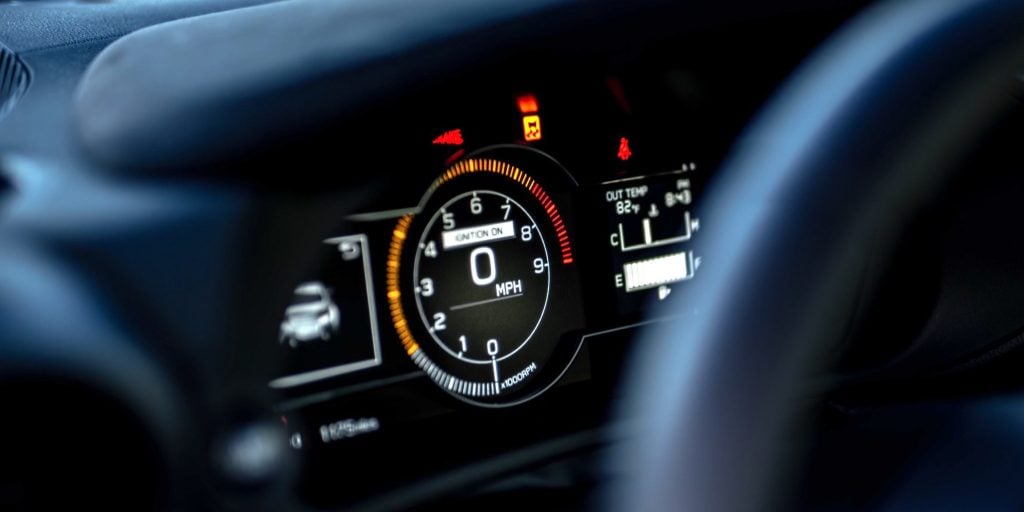
Inside the cabin, the two siblings are practically identical. They both feature a digital dashboard, Apple CarPlay and Android Auto, aluminum paddle shifters, folding rear seats, and black Alcantara leather accented with red trimmings throughout. Even the key fobs are the same, minus the emblems. Both brands are in the upper echelons of vehicle safety and dependability, making this sports car a smart choice for daily commuting or a night out in the city. Drivers and passengers alike will take comfort in Toyota and Subaru’s full suite of safety technology, including lane keep assist, pre-collision braking, and a handy backup camera for added visibility.
The BRZ and GR86 two-door siblings are incredible high-performance coupes in a category traditionally dominated by American favorites like the Mustang, Camaro, and Challenger. And for an extra dose of exclusivity, these may be among the last affordable, manual sports cars produced as the industry shifts towards electrification and semi-autonomous driving. Subaru and Toyota’s joint effort results in a highly reliable rear-wheel drive favorite darling that can easily go head-to-head with sporty coupes like the Nissan Z or Toyota GR Supra. Your toughest choice now is simply: which badge do you prefer?
Baron Wilton
Baron is a walking encyclopedia of car facts. His favorite sport is behind the wheel of his Jaguar F-Type, which he drives more in the canyons of SoCal than on the streets.