posted on July 15, 2025
From towering mountains to pristine lakes, Canada is a country of jaw-dropping natural beauty you can’t help but immerse yourself in. Each trail in Canada presents unique wildlife encounters and breathtaking scenery. Whether you’re car camping or setting off into the backcountry, Canada’s national and provincial parks are amazing places to explore the great outdoors.
Here’s a list of our favourite camping destinations to inspire your next night under the stars. This guide covers five of our top picks, plus hiking tips for your adventure into the heart of nature.
Best places to travel in Canada for your next camping trip
Gros Morne National Park
Why it’s great
Known for its unique geological features, Gros Morne is home to diverse natural wonders that you won’t find anywhere else in Canada. Mountains, tectonic plates, and the freshwater fjord of Western Brook Pond combine to make this one of the most beautiful destinations in Atlantic Canada.
When is the best time to visit Gros Morne National Park?
The best hiking in Canada generally occurs in the middle of summer, and hiking in the Rockies is best between June and September.
Practical tips
Gros Morne is one of the most popular parks in Canada, so make sure to book your campsite in advance of your trip. There are few amenities close by, so come prepared with the right hiking gear, food, and weather-appropriate clothing for the duration of your trip.
How to get to Gros Morne National Park
No matter which Newfoundland airport you fly into, you can access Gros Morne by heading west on the Trans-Canada Highway and exiting at the Newfoundland and Labrador 430 ramp.
For the shortest drive, arrive at Deer Lake Regional Airport and you’ll be there in 25 minutes. Air Canada offers direct flights from Montreal, Toronto, and Halifax. Alternatively, flying into St John’s can be the perfect start to a road trip across Newfoundland to take in the sights and explore small towns on the way.
Taking the ferry from North Sydney, Nova Scotia is another option, but be aware that the journey is 7 to 8 hours and that tickets must be booked well in advance.
What to do in Gros Morne National Park
Hiking is an absolute must in Gros Morne! Western Brook Pond is the most popular hiking trail in the park and one of the most scenic hikes in Canada. You can also go for a boat ride on the fjord’s pristine waters. The Table Mountain hike provides 360-degree views from the summit after a steep ascent. Experienced hikers can tackle Gros Morne Mountain, a challenging ascent that will reward you with spectacular views of the surrounding arctic-alpine landscapes.
Garibaldi Provincial Park
Why it’s great
Garibaldi Provincial Park is one of the most accessible getaways in British Columbia for a camping or backpacking trip, and one of the most popular day trips from Vancouver. Spanning from Squamish to Whistler, it’s a vast backcountry playground offering amazing views of the Coast Mountains and some of the most best wilderness hikes in Canada.
When is the best time to visit Garibaldi Provincial Park?
Garibaldi is open year-round, but the best time to visit is between July and October for optimal hiking trail conditions.
Practical tips
Panorama Ridge is the best option for a day hike, and is considered a classic Garibaldi trail thanks to its incredible views. Garibaldi Lake can also be hiked in a day, but plan for more difficult terrain.
Garibaldi is home to black bears and grizzly bears, so be sure to avoid cooking food in or near your tent, and make use of food caches provided at campsites to keep food out of reach of wildlife.
How to get to Garibaldi Provincial Park
The journey to Garibaldi Park is every bit as gorgeous as the destination. From Vancouver, cruise up the Sea to Sky Highway, one of British Columbia’s most beautiful scenic drives, then turn onto Daisy Lake Road to access the park.
What to do in Garibaldi Provincial Park
Hiking is the top attraction in Garibaldi Provincial Park, and not to be missed! Garibaldi Lake and Panorama Ridge are popular trails home to some of the park’s most outstanding landscapes.
Other hikes include Elfin Lakes and the challenging hike to the Black Tusk — a 29 km return trek with an elevation gain of 1,735 m with spectacular views at its summit and high alpine meadows.
Kluane National Park
Why it’s great
Kluane National Park in the Yukon offers an unforgettable getaway for campers seeking an experience off the beaten trail. The park is home to Canada’s highest peak, Mount Logan, and is one of the best places to see the northern lights and wildlife in Canada.
When is the best time to visit Kluane National Park?
Late June and early September is the best time to visit Kluane for backpacking trips and long hikes, when the weather is mild and trails are most accessible.
Practical tips
Familiarize yourself with best practices for keeping a clean campsite to avoid attracting wildlife. Bear-resistant food containers are mandatory if you plan on backcountry camping at Kluane, carrying bear spray while hiking in Canada is essential for safety.
Seasoned campers and hikers planning a longer camping trip in the Yukon can consider adding Tombstone Territorial Park to the itinerary. Remember to hike with a companion for safety in remote areas. Follow Highway 2 North from Whitehorse for about 6.5 hours to reach this highly remote and gorgeous destination.
How to get to Kluane National Park
Kluane is just a two-hour drive from Whitehorse. Follow Highway 1 West, continue onto Haines Road, then turn right onto Kathleen Road to access the park entrance and Kathleen Lake campground.
If you’re up for an adventurous, multi-day drive, you can rent a car in Vancouver and head up the Stewart-Cassiar Highway to reach Whitehorse. Opt for a SUV or a 4WD to conquer the rugged drive with confidence.
What to do in Kluane National Park
Hiking in the Kluane National Park offers panoramic views of glaciers and the highest peaks. The Auriol Trail in Kluane National Park offers gorgeous alpine scenery and wildflowers in season. The hiking distance for the Auriol Trail is 15 km with an elevation gain of 397 m, and offers a moderate hike highlighting some of Kluane’s most beautiful forests, meadows, and mountain views.
Banff National Park
Why it’s great
Banff is one of Canada’s most iconic destinations, home to the famous Lake Louise and some of the best hikes in Alberta. Camping is the most affordable and immersive way to see the Canadian Rockies, and the park offers an extensive network of backcountry and frontcountry campsites, as well as one of the best trail networks in Canada.
When is the best time to visit Banff National Park?
Hiking seasons in Canada typically extend from June to September in the Rockies. If you plan on backcountry camping, plan to go in July or August, when trail conditions are best.
Practical tips
Campsites in Banff book up quickly, so make sure to book well in advance. It’s recommended to secure your campsite when Parks Canada opens reservations for the year. Some campsites are not reservable and operate on a first-come, first-served basis, so it is possible to plan a last-minute camping trip in Banff — just be sure to arrive early!
Wondering what is the easiest mountain to hike in Banff? With just 15% of elevation gain, Tunnel Mountain Trail is the park’s easiest summit to reach and is a great hike to do with kids!
How to get to Banff National Park
Follow the Trans-Canada Highway west from downtown Calgary. Take the exit for Banff Town, turning onto Banff Avenue, and you’ve arrived! If you’re travelling by air, make your arrival smoother by renting a car in Calgary and having it delivered to Calgary International Airport.
What to do in Banff National Park
If multi-day hikes are your thing, pitch your tent in Banff’s backcountry to experience some of the most astounding journeys in the Canadian Rockies. Accessible frontcountry hikes include the Plain of Six Glaciers Trail, which culminates at a tea house with breathtaking panoramic views.
It’s worth building in time at other Rocky Mountain parks if you’re planning a longer trip. Yoho National Park is located just ten minutes from Lake Louise in British Columbia. Top sights include Emerald Lake and the the Iceline Trail, with a distance ranging between 13 and 21 km with a vertical gain of 690 m. The Lake O’Hara area is known for its accessible mountain views and hiking.
Cape Breton Highlands National Park
Why it’s great
With its fabulous scenery and Maritime charm, Cape Breton Highlands National Park offers a relaxed camping experience in the heart of Nova Scotia’s boreal forest. The park is packed with family-friendly activities and some of the best hikes for spotting wildlife in Atlantic Canada.
When is the best time to visit Cape Breton Highlands National Park?
Camping is available from May to October, with pleasant weather throughout spring, summer, and fall for hiking and other outdoor activities. Visit in September to witness the brilliant fall colours of the highlands.
Practical tips
The park has a wide variety of frontcountry campgrounds, each with a distinct vibe and landscape. Ingonish Beach is popular with families, while Mkwesaqtuk/Cap-Rouge offers rugged coastal views and Acadian heritage. Research the options ahead of time and choose the campground that best matches the experience you want.
How to get to Cape Breton Highlands National Park
From Halifax, follow Highway 102 to the Trans-Canada Highway, then continue east across the province and onto Cape Breton Island. The drive takes about 4.5 hours in total.
What to do in Cape Breton Highlands National Park
There are over 20 hiking trails within Cape Breton Highlands National Park. Take a walk along the Skyline Trail, the park’s most popular hike known for breathtaking views of the Cabot Trail and wildlife sightings. The Spiral Trail offers views of the Gulf of St. Lawrence. For those looking for a more challenging hike, Fishing Cove Trail descends from a mountain summit down to an ocean cove. You may spot some seals on the way down!
Frequently asked questions about planning a camping trip in Canada
What is the prettiest place to visit in Canada?
It depends on what you want to see and your personal travel style. From lush forests and waterfalls to mountains and lake country, Canada’s beauty is limitless. The Canadian Rockies, Sea to Sky Corridor, and the Cabot Trail are some of Canada’s most famous regions that offer plenty of camping opportunities. Choose your camping destination based on the landscapes that inspire you and you won’t be disappointed!
What to pack for a hiking trip in Canada?
Preparation is essential for a safe and enjoyable hike in Canada, especially in the backcountry. Several hiking areas in Canada cater to different preferences and difficulty levels. Check the terrain and weather before you hit the trail, and be sure to pack the following essentials:
- Hiking in Canada typically requires good shoes or boots with good grip
- Good navigation tools like a map, compass, and GPS are recommended for hiking
- Bug spray is recommended during hiking to protect against insects in warmer months
- Hikers should ensure they have a warm layer or jacket when on trails in Canada
- It’s important to pack sunscreen, a hat, and sunglasses, especially in the summer
What is the most popular hiking trail in Canada?
Each hike in Canada offers stunning views of unique natural attractions. When choosing the best hikes for your camping trip, consider what you want to see, trail difficulty, and how long you want to spend on the trail.
Here are a few of the most beloved trails to consider as you plan your trip:
- Crypt Lake Trail in Waterton Lakes National Park features a 600-foot cascading waterfall and the chance to see wildlife
- The Skyline Trail on Cape Breton offers awe-inspiring vistas of the Gulf of St. Lawrence and rugged coastline.
- The West Coast Trail is a rugged trek along Vancouver Island that provides incredible views of dramatic seascapes and ancient rainforests.
- The Johnston Canyon Hike features stunning waterfalls and impressive canyon views near Banff National Park and is one of the most popular in Alberta.
What is the hiking capital of Canada?
That title goes to Banff National Park, specifically the Castle Junction region near Lake Louise and the Icefields Parkway. Many hikes in the Canadian Rockies have steep elevation gain and dramatic views. These are some of best hikes in Canada for experiencing Alberta’s glacial lakes, fields of wildflowers, and the iconic Rocky Mountains.
Plan the Canadian camping trip of a lifetime
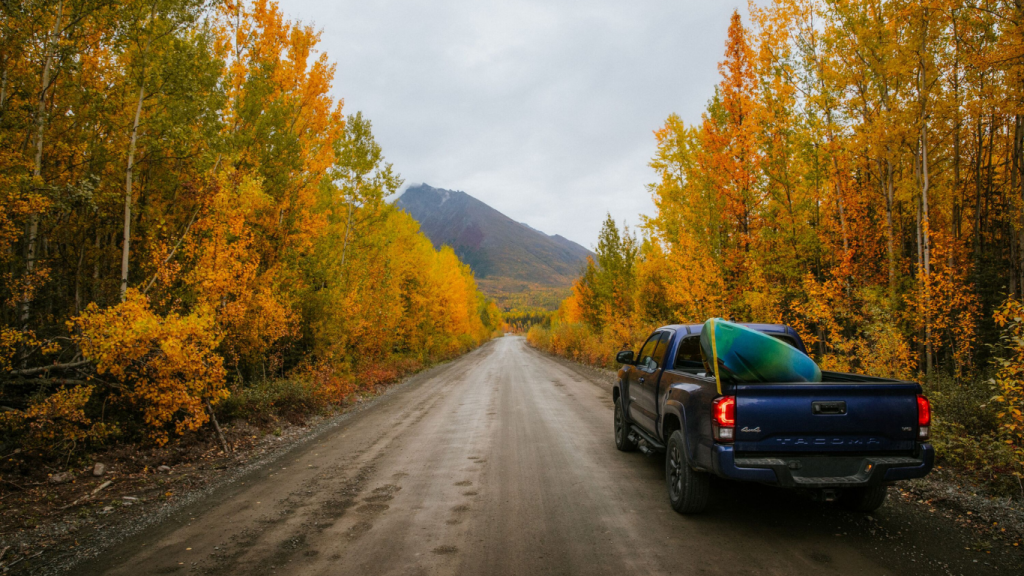
Whether you’re pitching your tent in the mountains or on the coast, Canada’s campgrounds offer breathtaking scenery and a retreat from the bustle of daily life perfect for recharging your batteries.
Get inspired, plan your trip, then choose the perfect carfor your escape into nature. With Turo, you can get your rental car delivered to the airport so you can hit the road and start exploring from the moment you land. Many of the most stunning national parks and hikes in Canada are just a road trip away!
Feeling inspired? Pitch a Trip and let Turo sponsor your vehicle rental to turn this adventure into a reality! Whether you’re a storyteller, photographer, or just love to travel, this could be your chance to share your experience with the world.