posted on January 18, 2025
Seeing the northern lights is a bucket-list item for many of us, and Canada is known as one of the best seats in the house to catch nature’s light show. This winter is the perfect opportunity to explore Canada’s most remote, breathtaking regions and experience the aurora borealis firsthand.
Northern regions like the Yukon, Nunavut, and the Northwest Territories are some of the best places to see northern lights. This is because they fall below the Auroral Zone, or the “auroral oval” that encircles earth’s geomagnetic North Pole. This is where the aurora is most active, and where sightings are most frequent.
If you’ve been planning a trip to see the northern lights, 2025 is the perfect year to make that plan a reality. The sun will reach solar maximum this year — the point of its 11-year solar cycle when the aurora borealis is most active. The next solar maximum won’t occur until 2036, so don’t wait!
- What are the northern lights?
- Which month is best to see the northern lights?
- Where is the best place in the world to see the northern lights?
- The best places to see the northern lights in Canada in 2025
- Plan the northern lights road trip of a lifetime
What are the northern lights?
The aurora borealis, also known as the northern lights, is a natural phenomenon that has captivated humans for centuries. It is a popular tourist attraction, with many people travelling to Canada see the majestic northern lights each year.
The aurora borealis occurs when particles from the sun (known as a solar wind) collide with gases in the earth’s atmosphere, resulting in brilliant patterns of light in the night sky. The northern lights are most vibrant in the Northern Hemisphere during the winter months, especially during periods of peak solar activity known as the solar maximum.
Which month is best to see the northern lights?
Aurora season varies by region, but the winter months are your best bet. The long, dark, and clear nights provide the perfect canvas for the brilliant colours of the aurora borealis. In summer, the northern lights are not visible in the Arctic Circle because of the midnight sun.
Remember to dress warmly to protect yourself from the cold air, bring your camera, and look northward for your best chance of seeing the aurora. Choose a viewing location with minimal light pollution, and avoid nights with a full moon. The best time of night to see the aurora borealis is usually between 11 pm and 2 am. Be patient and prepare to stay up late!
Where is the best place in the world to see the northern lights?
The northern lights are most easily seen in Earth’s polar regions, making Northern Canada one of the best places to see them. Canada’s territories sit under the “auroral oval”, where the northern lights occur most frequently. Yellowknife is widely regarded as the Aurora Capital of the World!
If you’re wondering where to see the northern lights in Canada, you have plenty of options. In this guide, we’ll cover the most spectacular destinations to inspire your aurora borealis adventure in 2025.
The best places to see the northern lights in Canada in 2025
Yellowknife, Northwest Territories
Why it’s great
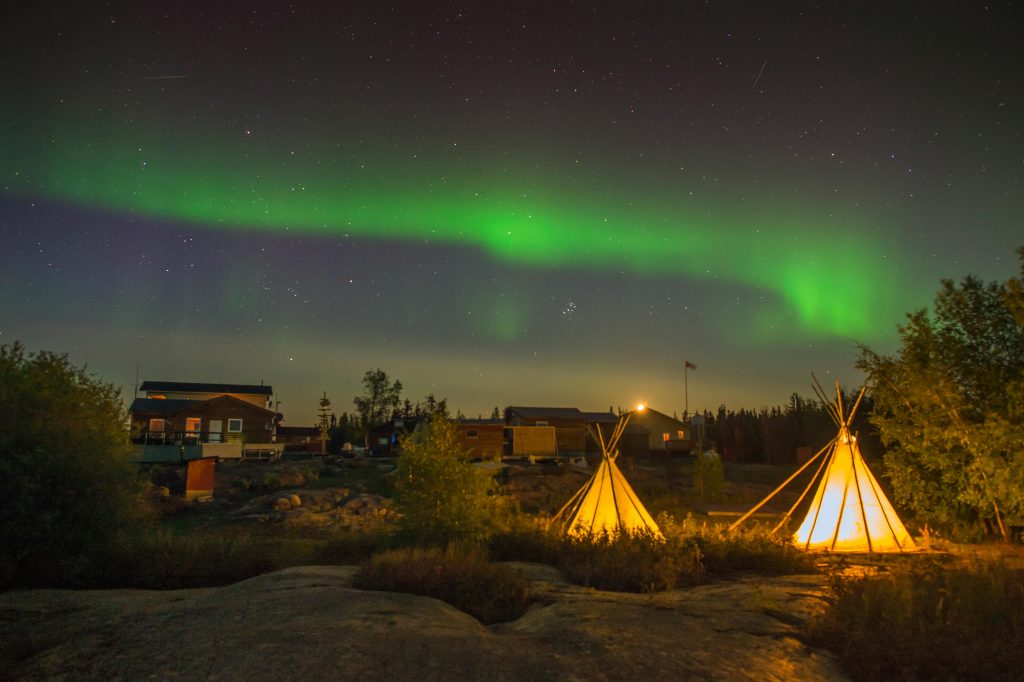
For those wondering where is Yellowknife, it’s approximately 512 kilometers south of the Arctic Circle, making it a bucket-list destination for adventurers. Located directly under the auroral oval, Yellowknife boasts some of the clearest, most vibrant displays of the northern lights in the world. The aurora borealis is visible up to 240 nights per year in Canada’s Northwest Territories, with conditions that rival those of Scandinavia.
When is the best time to visit Yellowknife to see the aurora
Mid-November to early April is the best time of year for aurora viewing in Yellowknife, thanks to the winter’s long, clear nights.
Tips for visitors
Head to Frame Lake or Vee Lake for unobstructed views of the aurora borealis, or join a guided northern lights tour to access remote locations. In town, Tin Can Hill is a stunning viewpoint above the shores of Great Slave Lake.
Popular tour operators include Aurora Village and North Star Adventures, offering cozy tipi experiences and multi-day “aurora hunting” excursions under the stars.
How to get to Yellowknife
Yellowknife is well-connected by air, with direct flights from major cities like Vancouver, Edmonton, and Calgary.
For those on a long-haul road trip, the drive from Edmonton to Yellowknife on the scenic Mackenzie Highway is an unforgettable experience. You’re likely to spot bears, bison, and other wildlife as you head north through pristine wilderness. Opt for an SUV or a truck with 4WD to handle winter roads (including Yellowknife’s famous Dettah Ice Road) with ease.
What to do in Yellowknife
Join a guided aurora tour for a chance to witness the Northern Lights in comfort, complete with heated viewing areas and expert tips for capturing it on camera. But the magic of Yellowknife doesn’t stop at aurora hunting; winter activities abound. Try snowshoeing or dog sledding, or book an Indigenous story-telling experience to learn about the Dene culture of the Northwest Territories.
Whitehorse, Yukon
Why it’s great
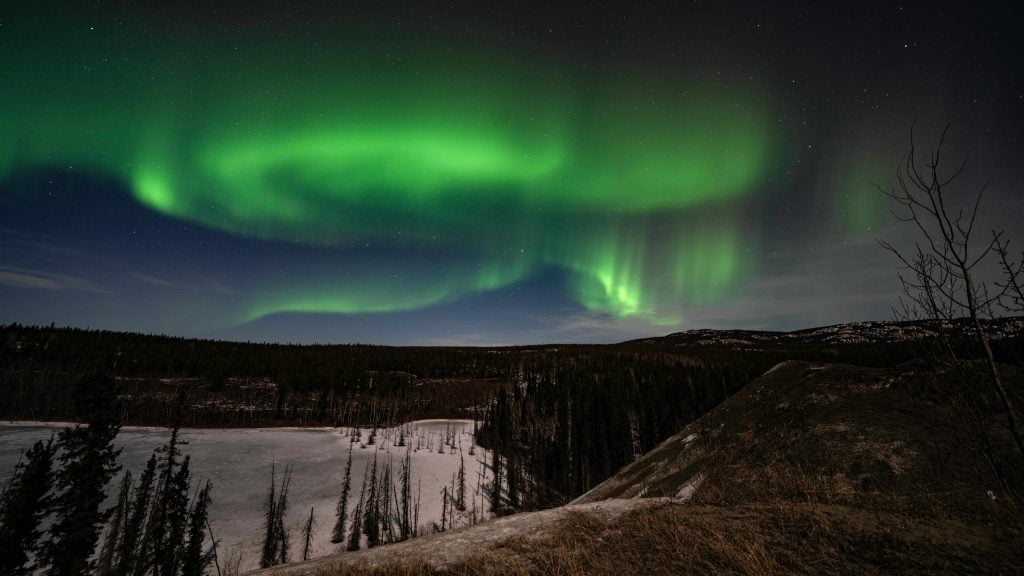
Whitehorse offers the same fantastic views of the northern lights as Yellowknife, with more amenities and activities. Learn about the history of the Gold Rush, take a luxurious soak in the nearby hot springs, or check out local microbreweries while you wait for nightfall. But where is Whitehorse exactly? Nestled in the southern part of Canada’s Yukon Territory, Whitehorse sits along the Yukon River, just 80 kilometers north of the British Columbia border. It’s easily accessible via the iconic Alaska Highway, making it a perfect base for a northern road trip adventure.
When is the best time to visit Whitehorse to see the aurora
The ideal months for aurora viewing in the Yukon Territory are November to March, when the skies are darkest.
Tips for visitors
Drive two hours to Kluane National Park to see the northern lights surrounded by the untouched wilderness of glaciers and boreal forests.
Closer to town, Up North Adventures offers northern lights tours, plus snowmobiling, ice fishing, and snowshoeing excursions during the daytime.
How to get to Whitehorse
Whitehorse is easily accessible by air, with the airport just five minutes from downtown. You can catch a direct flight from major cities including Vancouver, Calgary, and Toronto.
If you want to extend your northern lights getaway, driving to Whitehorse is an epic road trip. Rent a car in Vancouver and head up the Stewart-Cassiar Highway for a long haul adventure through BC and Alaska. Book an SUV or a 4WD to conquer the rugged drive with confidence.
What to do in Whitehorse
Whitehorse is a prime destination for aurora hunting, offering breathtaking views of the northern lights that dance across the night sky. During the day, don’t miss Takhini Hot Springs and the Yukon Wildlife Preserve. For the adventurous, snowmobiling and dog sledding are some of the exciting winter activities you can try during your visit.
Churchill, Manitoba
Why it’s great
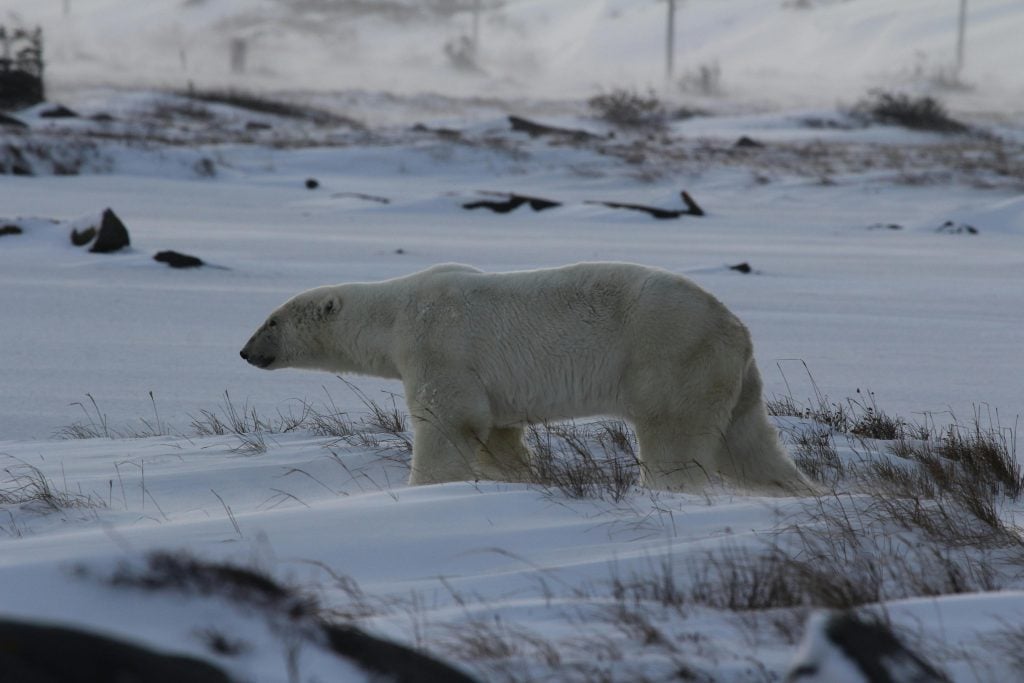
Where is Churchill Manitoba? This is a remote town is located just south of the Arctic Circle. Known as the polar bear capital of the world, Churchill is the perfect place to see the northern lights with a side of wildlife viewing. The town sits on the shores of Hudson Bay and experiences more than 300 nights of aurora activity each year, making it a top choice for a northern lights trip.
When is the best time to visit Churchill to see the aurora
The best months for northern lights viewing in Churchill are January, February, and March, thanks to the dark, long nights and clear conditions.
Tips for visitors
Head to the Churchill Northern Studies Centre to see the northern lights directly from an operating subarctic research facility, located just 30 minutes from Churchill.
Photographers of all skill levels can embark on a multi-day northern lights photo tour with Frontiers North to capture the perfect snapshot of the aurora. Tours include a journey into the Hudson Bay tundra and a full itinerary of daytime activities.
How to get to Churchill Manitoba
Churchill is only accessible by train or plane, as there are no roads connecting it to other parts of the province; so if you’re wondering, can you drive to Churchill Manitoba? The answer is no. Instead, book a direct flight from Winnipeg, or buckle up for a 48-hour train journey to discover the Great White North on your way to view the aurora. If you’re exploring outside of town, be sure to go with a guide in case of polar bear encounters.
What to do in Churchill
Taking a wildlife viewing tour is a must-do while you’re in Churchill. Don’t miss the chance to meet the resident polar bears on a tundra-buggy excursion! As night falls, the adventure continues, as Churchill is one of the best places to witness the mesmerizing aurora borealis. Combining wildlife encounters with breathtaking aurora views makes Churchill an unforgettable destination.
Jasper National Park, Alberta
Why it’s great
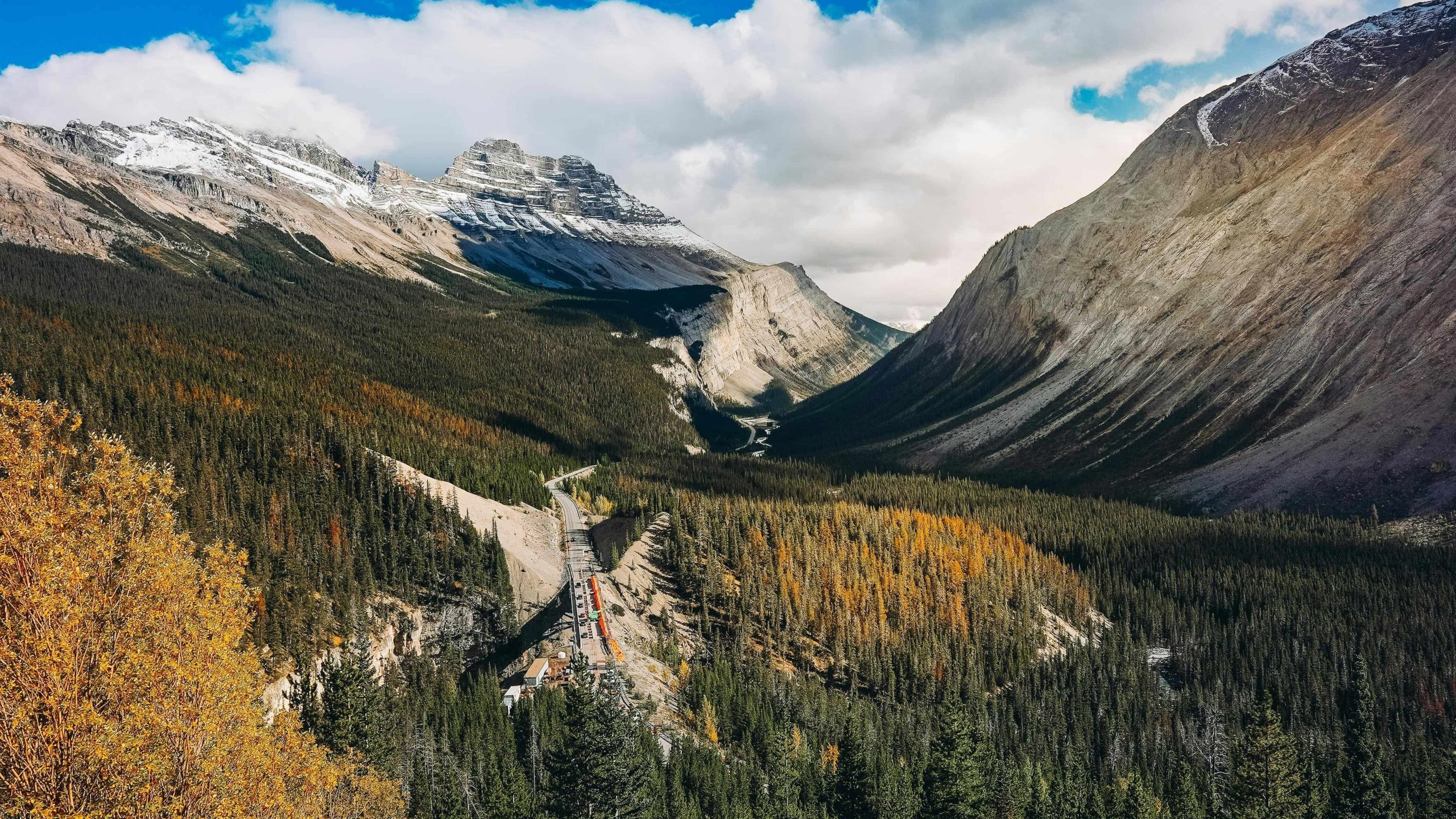
Home to the second-largest Dark Sky Preserve in the world, Jasper National Park is one of the most accessible destinations for outstanding views of the aurora borealis with minimal or no light pollution. It’s also a great alternative to Banff National Park, with fewer crowds and a more laid-back vibe.
When is the best time to visit Jasper to see the aurora
Aurora viewing is possible in Jasper from September through March. Peak aurora activity occurs in October, along with the annual Dark Sky Festival of stargazers.
Tips for visitors
The aurora borealis appears about once a week in Jasper. Sign up for aurora alerts and plan a longer stay to increase your chances. Pyramid Lake and Jasper Lake are popular viewpoints for photographers.
Make sure you’re facing north toward the aurora zone for the best view, and plan your visit during nights without a full moon for the darkest skies. Lastly, remember to stay open to the full Dark Sky experience — Jasper’s starry skies are a breathtaking sight, even if the northern lights don’t make an appearance.
How to get to Jasper
Where is Jasper? Jasper is a charming town nestled in the heart of Jasper National Park, located in Alberta, Canada, within the Canadian Rockies. The Trans-Canada Highway 16 connects Jasper to Edmonton and is the main route through the park. For a more scenic drive through the Rockies, rent a car in Calgary and take the Icefields Parkway through Banff National Park and up to Jasper. Rent an SUV or a sturdy truck for a comfortable drive through the mountains or across the prairies.
What to do in Jasper
The most popular attraction in Jasper is its natural scenery, so make sure to visit highlights like Medicine Lake, Maligne Canyon, and Pyramid Island while the sun is shining, or embark on a dog sledding or snowshoeing excursion. As night falls, keep an eye on the skies; Jasper’s Dark Sky Preserve makes it one of the best places to witness the aurora borealis in all its glory. To unwind from your adventures, head to Miette Hot Springs and relax in the outdoor pools.
Iqaluit, Nunavut
Why it’s great
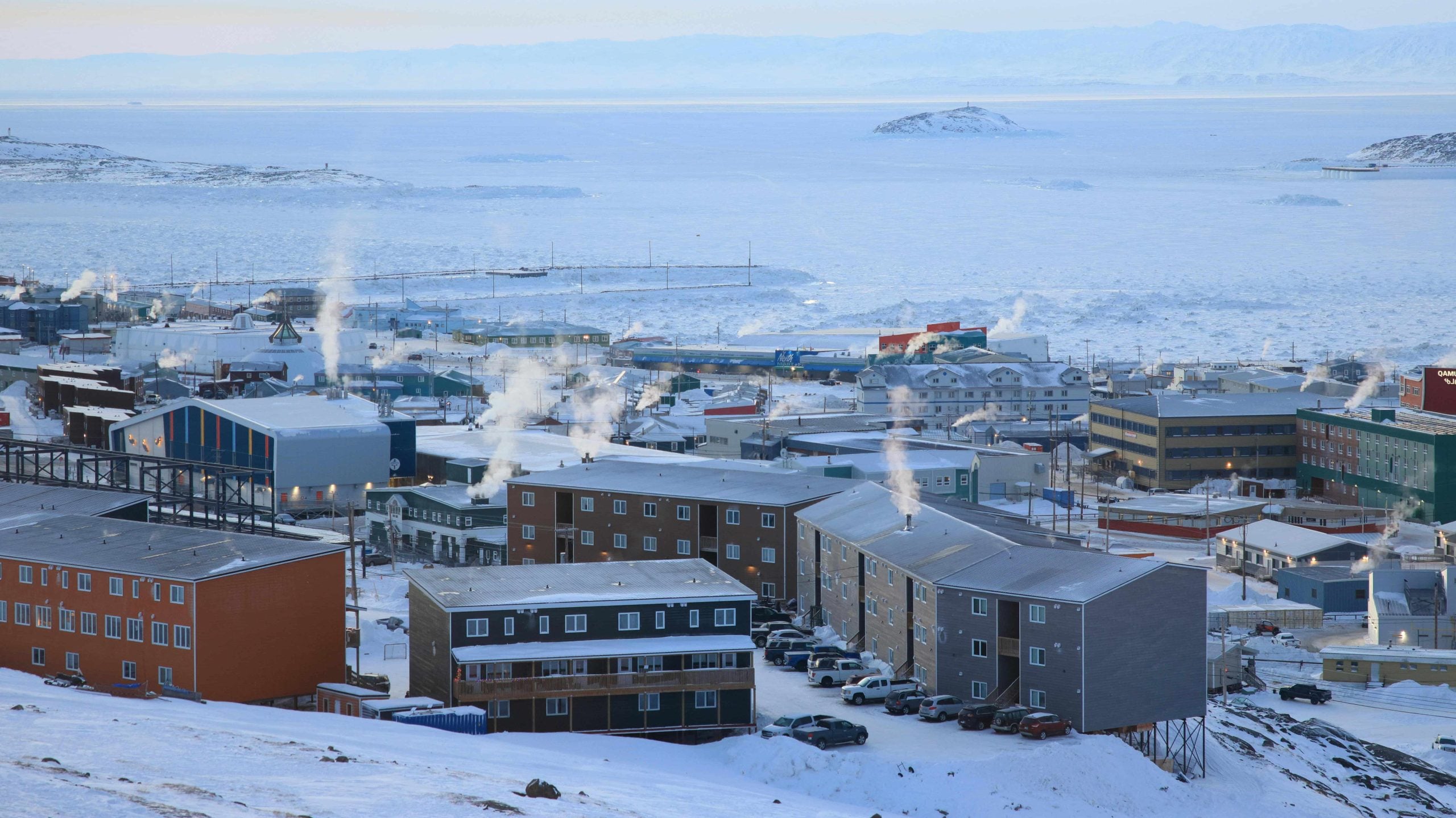
With crystal clear skies and almost no light pollution, Iqaluit is one of the best places to see the aurora borealis, which are visible more than 200 nights each year.
When is the best time to visit Iqaluit to see the aurora
You can see the northern lights in Iqaluit from late August through April.
Tips for visitors
Head to Apex Rotary Park or drive the famous Road to Nowhere for the clearest views of the northern lights above the endless tundra.
Inukpak Outfitting offers tours for every travel style. Book a multi-day cross-country skiing expedition to see the northern lights from the pristine surroundings of a backcountry campsite.
How to get to Iqaluit
Where is Iqaluit? Iqaluit is the capital of Nunavut, Canada’s northernmost territory, located on Baffin Island at the head of Frobisher Bay. It lies just south of the Arctic Circle and is accessible only by plane, making it a unique and remote destination. Since Iqaluit is inaccessible by car, plan to fly in for your visit to see the northern lights. You can fly direct from Ottawa or connect through other Canadian cities.
What to do in Iqaluit
Learn about Inuit culture on a heritage tour including traditional storytelling and throat singing to make the most of your time in Iqaluit between aurora sightings. For an active day out, try kite-skiing or snowmobiling on Frobisher Bay.
Plan the northern lights road trip of a lifetime

With the right planning and preparation, you can see the northern lights in 2025. Whether you’re heading to the Rockies or the tundra, why not plan a longer road trip to explore some of Canada’s most iconic landscapes along the way?
Whether you need a sturdy truck to conquer the outdoors or a spacious SUV for a family vacation, Turo has a range of vehicles to suit your needs. Winter won’t last forever, so start planning your northern lights adventure today!
Want to be the one to bring this road trip to life? We’re searching for someone to take on this road trip and capture the magic along the way. If you’re a traveller, storyteller, or content creator ready to hit the road and share this experience, submit your idea to Pitch a Trip for a chance to have Turo cover your vehicle booking. Every month, we select our favourite pitches—this could be your opportunity to turn this itinerary into a reality and share the story with us!