
posted on September 14, 2026
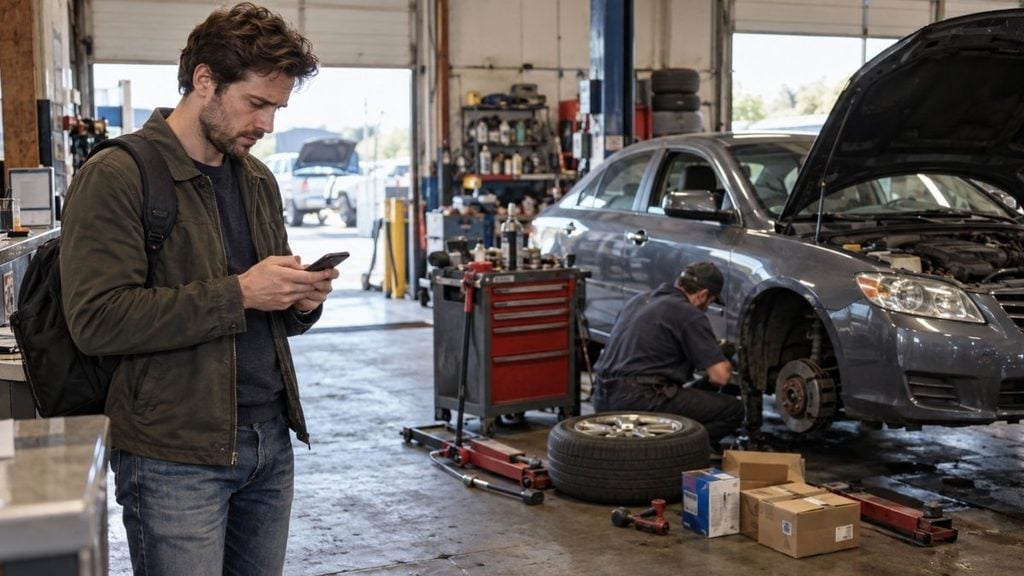
So, you’ve dropped your car off at the repair shop for a tune-up. What was meant to be a minor fix has spiraled into multiple weeks off the road. The issue is more complex than anticipated, the shop is waiting on parts, and the garage is already full with other cars waiting to get serviced first.
Now, you’re probably wondering what transportation options you have during a long-term vehicle repair. If you live in a car-dependent area, need to commute long distances to work, or have school drop-offs to navigate, you’ll need to sort out a reliable way to get around, stat.
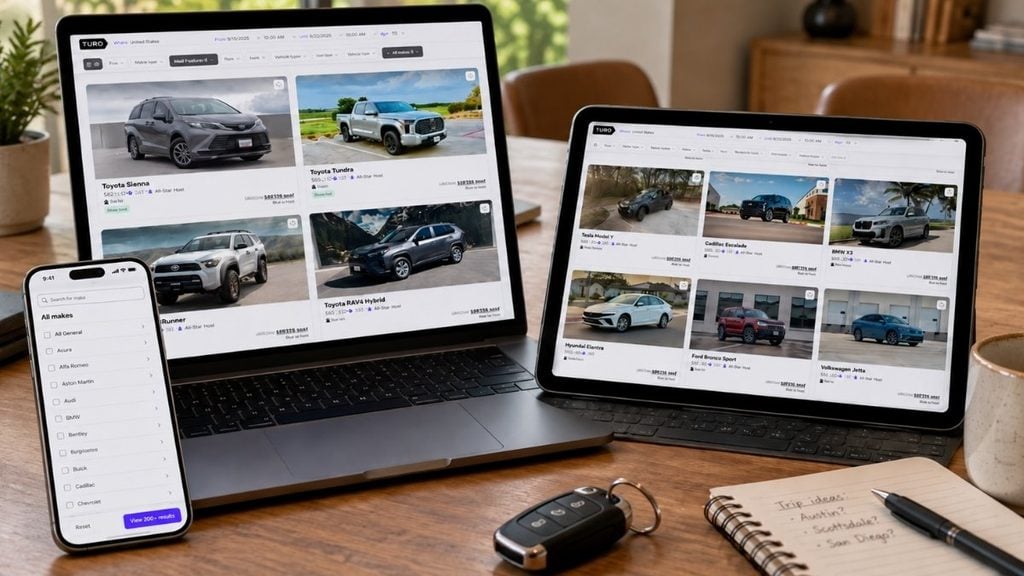
While there are several transportation options to consider, renting a car on Turo is one of the most convenient and flexible options. With Turo, your rental car comes to you, extending your trip happens via the mobile app, and discounts often apply for long-term bookings, too. Keep reading to compare your options and find the most practical transportation solution while navigating long-term vehicle repairs.
In this guide, we’ll cover:
- Why long-term repairs create a transportation problem
- 4 transportation options during a long-term vehicle repair
- Why Turo is the best option during a long repair
- Tips for managing transportation during a long repair
- Frequently asked questions
Why long-term repairs create a transportation problem
Losing access to your car due to a long-term repair can be a major inconvenience, meaning you have to figure out alternative transportation, often with short notice. If you rely on your car to commute to work, drive your kids to school, or run errands, you’ll need to find a solution that doesn’t involve expensive ridesharing trips or unreliable public transportation.
The most common scenarios that lead to long-term repairs include:
- Part-related delays: Even with preventative maintenance, you can still run into your car having to sit in the shop. If your car’s parts aren’t in stock, a special order might need to be placed. Supply chain disruptions, shipping delays, or manufacturing issues can all cause this process to blow out repair timelines. This is particularly common if you drive an older vehicle or an exotic model.
- Major mechanical issues: Seemingly routine repair services can reveal more serious issues hiding under the hood. Major engine repairs and transmission replacements tend to be the most complex to fix. Plus, the complex computer systems in modern vehicles can often cause issues and take a long time to troubleshoot and resolve.
- Collision or body work: If you’re involved in a car accident, your car’s frame and body might require extensive structural repairs. Add in delays from your insurance company, and it can be weeks before your insurance claim is processed and work can begin.
But here’s the dilemma: long-term repairs involve unpredictable timelines. Often, your mechanic can’t guarantee exactly when your car will be back in action, making traditional car rentals too rigid and inflexible to be a viable option. Plus, long-term repairs can stretch for multiple weeks and can extend at the last minute due to unexpected delays in parts and equipment.
Plus, your vehicle might not be covered by insurance rental reimbursements. Typically, you’ll only be covered for certain accidents or collisions, not for routine mechanical breakdowns. That means you’ll be paying out-of-pocket for the mode of transportation you pick (and costs can compound fast, particularly if your car is in the shop for multiple weeks).
It can leave you in a tricky spot: You need to secure a reliable, flexible, and affordable car replacement at short notice.
4 transportation options during a long-term vehicle repair
There are several ways to get around while your car is in the shop, from carpooling to biking for short commutes. However, in most situations, one of these four transportation options will be more practical when navigating a long-term vehicle repair.
| Option | Typical cost | Flexibility | Best for | What you need to know |
|---|---|---|---|---|
| Renting a car on Turo | $ – $$ (often discounted for longer bookings) | High; extend or end as the repair timeline shifts | Repairs of unpredictable or extended length | Wide vehicle choice, delivery in many markets, discounts for longer bookings |
| Insurance rental reimbursement | Often covered up to a daily/total cap | Low; capped by policy limits, not the actual repair timeline | Accident or covered-claim repairs, short-to-medium length | Doesn’t cover mechanical breakdowns; costs shift to you once the cap is hit |
| Rideshare / public transit | $ – $$ (rideshare compounds with daily use) | Low; dependent on transit coverage and driver availability | Occasional trips, short repairs | Expensive for daily commuting; doesn’t solve for school runs or fixed appointments |
| Borrow from family/friends | Free | Low; dependent on their own vehicle needs | Very short repairs only | Rarely sustainable for weeks; insurance questions worth being aware of |
Option 1: Rent a car with Turo
If flexibility and convenience are your top priorities, renting a car on Turo is the best option for an unpredictable repair timeline. There’s no lease, no fixed contract, and the ability to request an extension as your repair timeline shifts.
What’s unique about Turo is that you can select the exact car you want to drive, rather than rolling the dice and accepting whatever’s available from your nearest rental desk’s fleet. This allows you to choose a car that truly fits your daily needs (whether it’s a commuter-friendly compact, a family-sized SUV, or a truck capable of handling a large load).
The key advantages of renting on Turo include:
- Discounts for longer bookings: Many vehicle listings offer discounted pricing for extended bookings, allowing you to save on multi-week or multi-month bookings while your personal vehicle is in the shop.
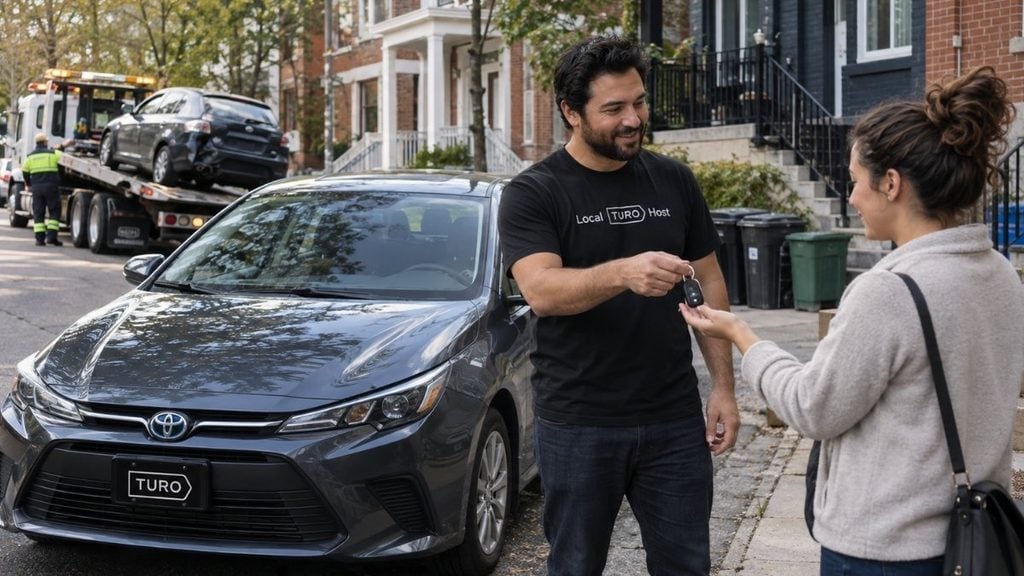
- Custom delivery: Skip the hassle of traveling to a car rental branch and get your rental car delivered directly to your home or office. Add in your preferred delivery address when searching for vehicles on Turo to see what cars can come to you.
- Easy trip extensions: Need a replacement set of wheels for an extra day, weekend, or week? Jump into the Turo app to easily request an extension to your booking.
Option 2: Use insurance rental reimbursement
If you’ve taken out auto insurance and added extra coverage, you might be eligible for a temporary rental car or alternative transportation while your vehicle is out of service. A rental car reimbursement is usually only available if your car is being repaired due to a covered event (such as a collision or theft). That means that regular maintenance and mechanical breakdowns are usually not covered.
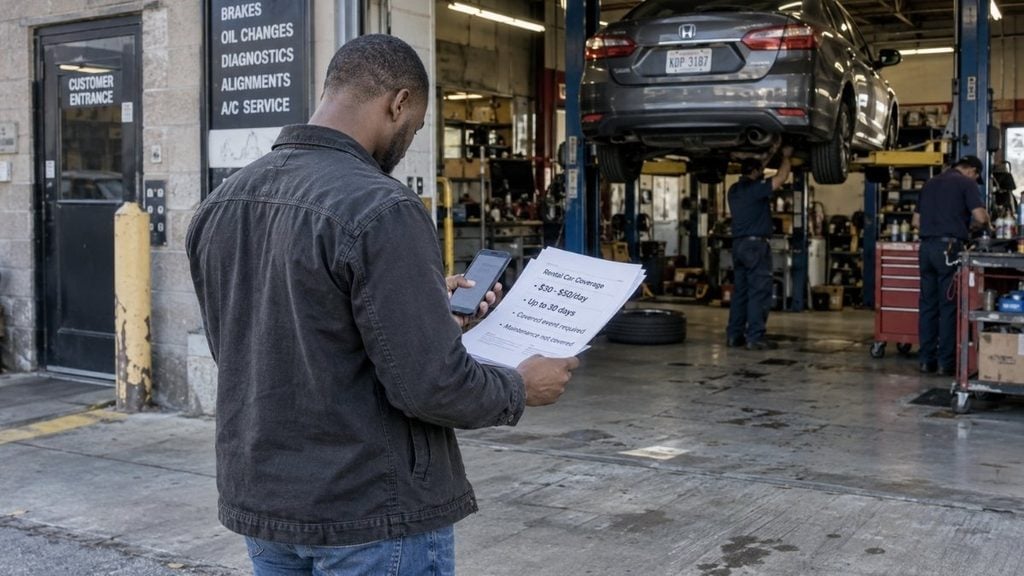
Here’s how it works: You file a claim reporting the accident or damage that has occurred, and once approved, you’ll be covered up to a certain daily dollar limit (usually around $30 to $50 per day) for a maximum timeframe (usually 30 days). If repairs exceed this timeline, you’ll pay the difference and need to cover these out-of-pocket costs.
While this can be a handy option for collisions, accidents, and other insured events, the strict daily limits and time caps make this a rigid option, with some insurers even requiring you to pay for the rental car upfront and submitting receipts to be reimbursed.
Tip from the author: If you recently purchased your car from a dealership and it’s undergoing major warranty work or facing a recall, check whether you’re eligible for a loaner or courtesy vehicle. Check your warranty paperwork and review your auto insurance to see if a replacement vehicle applies in your situation.
Option 3: Rely on rideshare or public transportation
In some scenarios, using rideshare apps or public transit can be a workable solution while your car’s in the shop. But there are important caveats to consider before choosing these options.
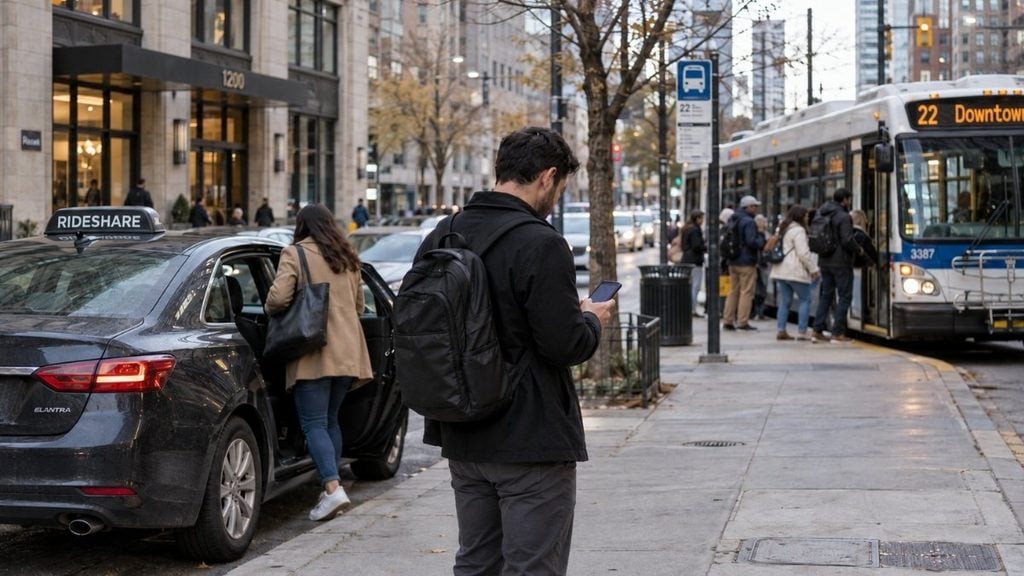
Ridesharing can work in the short-term if you don’t need to get around by car every single day. If you live in a walkable major city and can supplement your transit needs with the occasional bus or bike ride, the occasional ridesharing trip might be a feasible solution. However, daily use over a multi-week period adds up quickly, and surge pricing during peak hours can quickly blow your budget.
Public transit is another feasible option if you’re located in a city with good coverage and a reliable transit system. If you’re able to get from your home to the office using buses, trains, ferries, or subways, this option might be a sensible short-term fix.
However, ridesharing and public transit are less suited to family logistics like school pickups and medical appointments. These scenarios often take you away from public transit routes and require flexibility that public transportation isn’t able to reliably offer.
Option 4: Borrow a car from family or friends
An affordable option to consider is borrowing a car from nearby friends or family. While it’s free, it’s rarely sustainable for a long-term repair. Most people can’t lend their vehicle for weeks at a time without derailing their own schedule.
Plus, this option is only viable if you have a close friend or loved one nearby who is willing to help out. If repair timelines keep extending, asking to borrow the car for another week might push the friendship a little too far.

Why Turo is the best option during a long repair
The biggest challenge with long-term vehicle repair is that the end date isn’t fixed. As timelines stretch from days to weeks, your transportation needs to flex with it. Renting a car on Turo is the only option that offers the flexibility, affordability, and reliability to do that over multiple weeks and months.
Insurance rental reimbursement looks appealing on paper, but it comes with a hard ceiling: a daily rate cap and a total day limit that rarely lines up with how long a repair actually takes. Renting on Turo doesn’t carry that same built-in expiration; bookings can be extended or shortened as the shop’s timeline shifts, which matches the unpredictability of a repair far better than a fixed-term reimbursement window.
Rideshare solves for the occasional trip, but the cost compounds fast with daily use. A commute, school pickups, and errands add up to real money over a multi-week repair. Borrowing from family or friends avoids that cost, but it’s rarely sustainable for more than a few days without disrupting their own routine.
Turo also offers something no other option can: choice. Instead of relying on whichever car a friend can spare or whatever’s left at a rental counter, renters can choose a vehicle that actually fits their situation: a fuel-efficient compact for the commute, or something bigger for a family with cargo needs.
Tips for managing transportation during a long repair
Losing access to your own car due to an extended repair is never ideal. But these tips can help make the process of finding and budgeting for a replacement mode of transportation a little easier:
- Confirm insurance coverage limits immediately: know the daily rate and total cap before assuming the full repair period is covered.
- Ask the repair shop for a realistic timeline estimate up front, and build in buffer time given how often repair estimates extend.
- Book flexible rather than fixed-term transportation where possible, so plans can adjust if the repair takes longer than expected.
- Track rental costs against the insurance reimbursement cap to know exactly when out-of-pocket costs will start.
Frequently asked questions about transportation during a long-term vehicle repair
Does insurance cover a rental car during a long repair?
Typically, insurers only cover the costs if the repair stems from a covered accident or claim and the policy includes rental reimbursement coverage. Even then, coverage is typically capped at a daily rate and a maximum number of days or total dollar amount. Routine mechanical repairs generally aren’t covered at all.
How long will insurance pay for a rental car?
Most insurance policies cap rental reimbursement around 30 days or a set dollar total, whichever comes first. Repairs that run longer than that leave the remaining cost to the driver, which is why it’s worth confirming the exact limit with the insurance company early on.
What’s the best transportation option if my car will be in the shop for weeks?
If your vehicle is in the shop for an extended period of time, a flexible rental car (one that can be extended or ended as the repair timeline shifts) tends to work better than rideshare (which gets expensive with daily use) or a fixed-term rental agreement that doesn’t match an unpredictable repair estimate.
Can I rent a car on Turo while my car is being repaired?
Yes. Turo bookings can be extended or adjusted as needed, which suits the often-changing timelines of a longer repair better than a fixed-length rental.
What if my mechanical repair isn’t covered by insurance?
Rental reimbursement coverage generally only applies to accident-related or covered claims, not routine mechanical breakdowns. For repairs outside of an insurance claim, renting independently, through Turo or another rental company, is typically the only path to a replacement vehicle.
Get back on the road with Turo while your car is repaired
A car in the shop for a few extra days is manageable. A repair that stretches into weeks is a different problem, and it deserves a transportation solution that can stretch with it, rather than one that locks you in or has an unpredictable daily cost.
Turo gives you that flexibility. Rent a vehicle that fits your situation, extend it in the app if the shop needs more time, and hand it back as soon as your own car is ready to go.
Ready to get back on the road? Rent a car on Turo and find a vehicle that’s ready whenever you are.
Share your car, earn extra cash
Cover your car payments or earn some extra cash by sharing your car whenever you’re not using it.
Get startedHit the road
Browse thousands of cars for every occasion and budget near you, or wherever you’re going.
Browse cars
Lucinda Starr
Lucinda Starr is a travel and automotive writer with 5+ years of firsthand experience road-tripping across Australia, New Zealand, and beyond. She writes road trip guides for Turo, drawing on her experience behind the wheel to share practical insights on long-distance drives, destinations, and vehicles. Her travels have taken her across Australia’s East Coast, Victoria’s Great Ocean Road, the Northern Rivers, Byron Bay, and both islands of New Zealand. One of her most memorable journeys was an 11-day, 2,600+ km route from Auckland to Punakaiki and Queenstown. Lucinda has a particular passion for classic, rugged 4WD vehicles and the freedom they bring to exploring new places.