posted on June 13, 2026
The difference between a great road trip and a slightly chaotic one usually comes down to preparation and proper packing. If you’re figuring out what things to take on a road trip across the country, this is the list to kick things off. From packing and car safety to snacks and regional tips, read on for the ultimate guide on what to know before you go.
Before you leave: Vehicle checks
Five minutes here can save you hours (and money) later.
- Check tire pressure and tread — including the spare. It’s easy to forget the spare exists until you really need it
- Top off engine oil, coolant, and windshield washer fluid — especially if you’re heading into dusty or bug-heavy areas
- Test all lights: headlights, tail lights, brake lights, and indicators — you don’t want to discover a blown brake light on a highway at night
- Confirm your car’s registration and insurance documents are in the glovebox — basic, but essential
- If renting on Turo: take photos of the vehicle before departure and note any existing damage in the app — it takes a minute and avoids awkward conversations later
Car safety and emergency essentials
US road trips can get remote quickly, especially out West, where you can drive for an hour and see more cows than people.
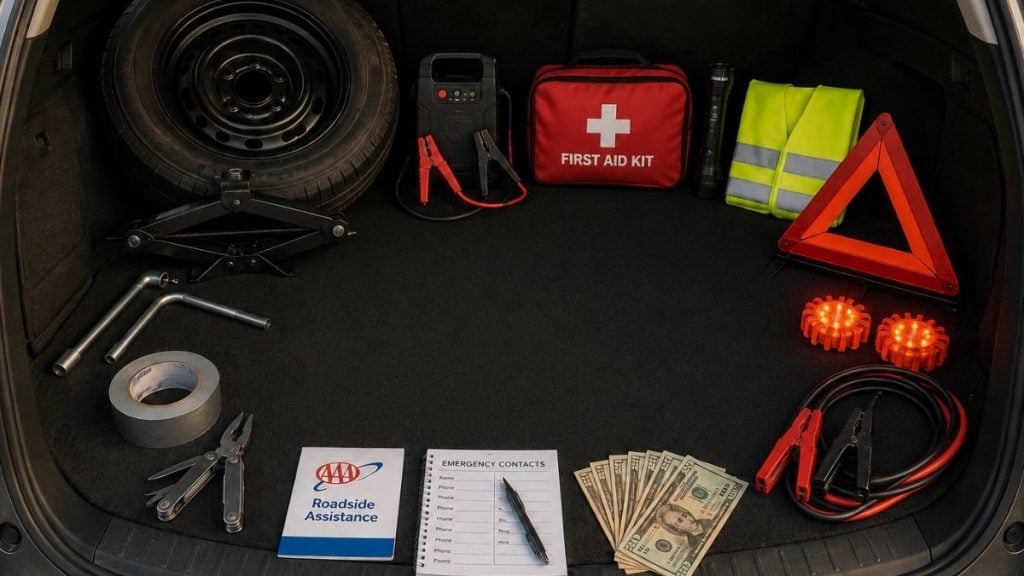
- Spare tire, jack, and lug wrench — don’t assume they’re there, physically check
- Jumper cables or a portable jump starter — one of those things you’ll feel overly prepared carrying… until the moment you absolutely need it
- First aid kit — a basic 100-piece kit covers most situations; keep it within reach
- Flashlight or headlamp — essential for breakdowns, late-night arrivals, or even just digging around in the trunk
- Roadside safety kit — reflective triangles, LED flares, high-vis vest
- Duct tape and a multi-tool — These can fix everything from loose bumpers to broken luggage zippers
- AAA membership or roadside assistance — especially valuable if you’re covering long distances
- Paper copy of emergency contacts — in case your phones die, batteries fail, signal disappears
- Extra cash — at least $50–$100 in small bills for rural gas stations, parking, or the occasional “cash only” sign
A quick reality check: In parts of Nevada, Utah, or Wyoming, help isn’t always just around the corner. Packing like you might be on your own for a bit is a smart move.
Navigation essentials
Getting a little lost is part of the fun. Getting stranded without a map… not so fun.
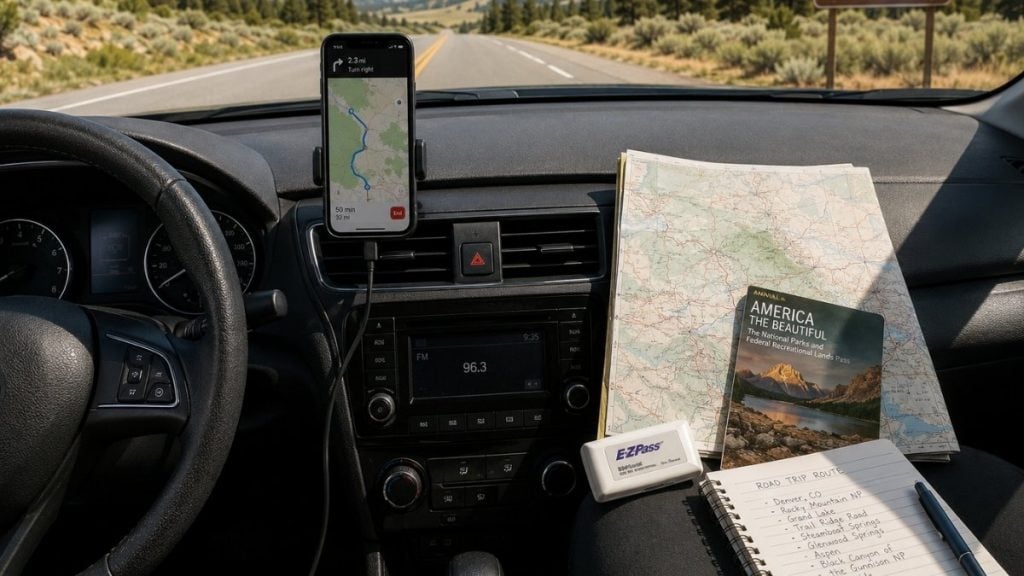
- Google Maps or Waze — Waze is particularly strong for real-time traffic, road hazards, and speed trap alerts on US highways
- Download offline maps before you leave — make sure to do this while you have WiFi. There are huge areas (national parks, deserts, mountain ranges) where the signal disappears completely
- E-ZPass or regional toll transponder — if you’re driving through the Northeast or major metro areas, this saves time, hassle, and often money
- America the Beautiful Pass ($80/year) — if your route includes two or more national parks or federal recreation areas, this annual pass pays for itself immediately. Covers entry to all 400+ national park sites for the pass holder and vehicle.
- Physical road atlas or state map — feels old-school, but incredibly useful when tech fails (and it occasionally will). Particularly valuable in the Mountain West and rural South, where cell service is unreliable
One of the best parts of a US road trip is how quickly the landscape changes — but that also means you can go from full signal to nothing very quickly. In large parts of the country, especially rural stretches, offline maps are one of the most essential things you can download.
Comfort and convenience
This is where a road trip shifts from endurance to actually enjoyable.
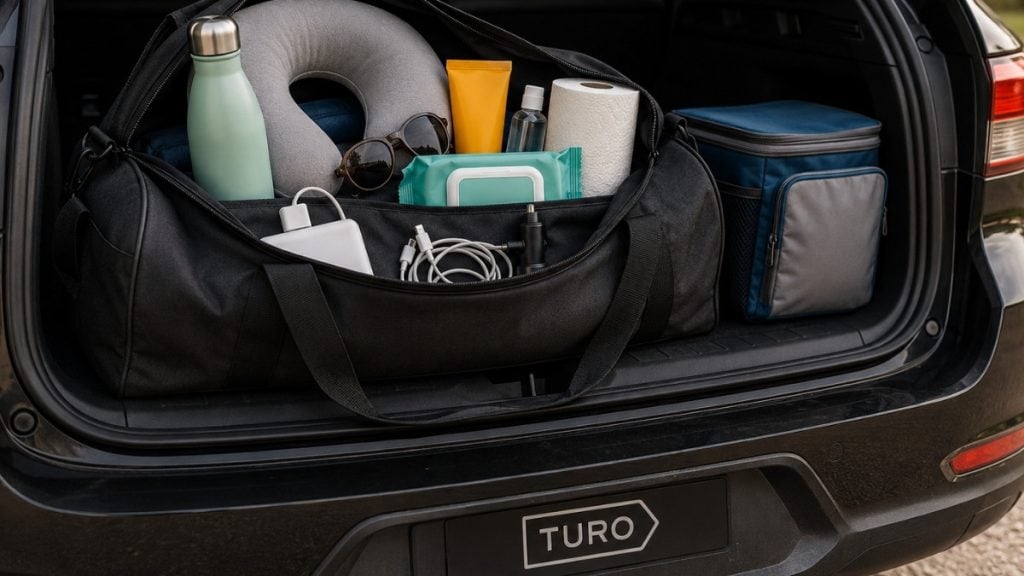
- Reusable water bottle — better than bottled water, eco-friendly, and can easily be refilled
- Car phone mount — safer, easier navigation, and legally required in many states
- Car charger — because battery life never lasts as long as you think
- Portable battery pack — essential for hikes and stops away from the car
- Travel pillow — your co-pilot for any long road trip
- Sunglasses — glare on the road is no joke
- Sunscreen and lip balm — especially in dry or high-altitude areas
- Car trash bag — keeps your car clean (and your sanity intact)
- Wet wipes and hand sanitizer — rest stops vary wildly in quality
- Paper towels — spills, snacks, and everything in between
- Small cooler — keeps drinks and favorite snacks cold for longer stretches
And if you have time, a clean car really does make a long drive feel smoother.
Food to pack with your favorite snacks
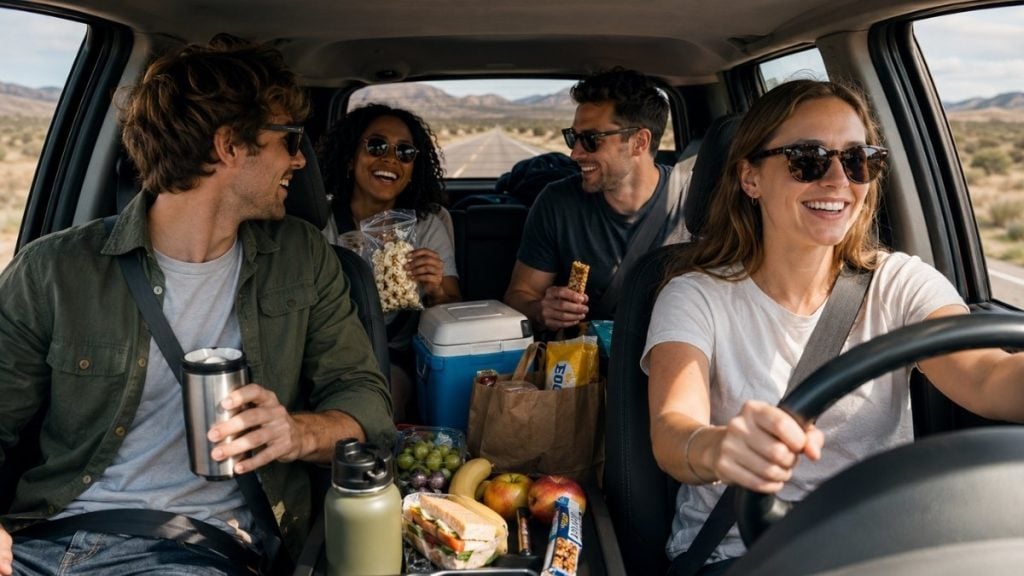
Snacks are part of the larger road-trip strategy. Good planning here saves money, reduces unnecessary rest stops, and keeps everyone happier.
Non-perishable snacks (no cooler needed):
- Mixed nuts and trail mix
- Granola bars and protein bars
- Crackers and chips
- Dried fruit
- Popcorn
Fresh snacks (cooler recommended):
- Baby carrots, fruit, and easy-to-grab snacks
- Hard-boiled eggs
- Sandwiches for the first part of the trip
Drinks:
- Large reusable water bottle or water bottle jug
- Bottled water as backup
- Coffee or tea in an insulated cup
Grocery stores are your best friend for saving money instead of relying on gas stations every time.
Tip from the author: Buc-ee’s locations across Texas, the Southeast, and increasingly the Midwest are a legitimate road trip institution — enormous, spotlessly clean, and stocked up. If you’re driving through Texas or the Southeast, it’s worth a stop.
Must have entertainment
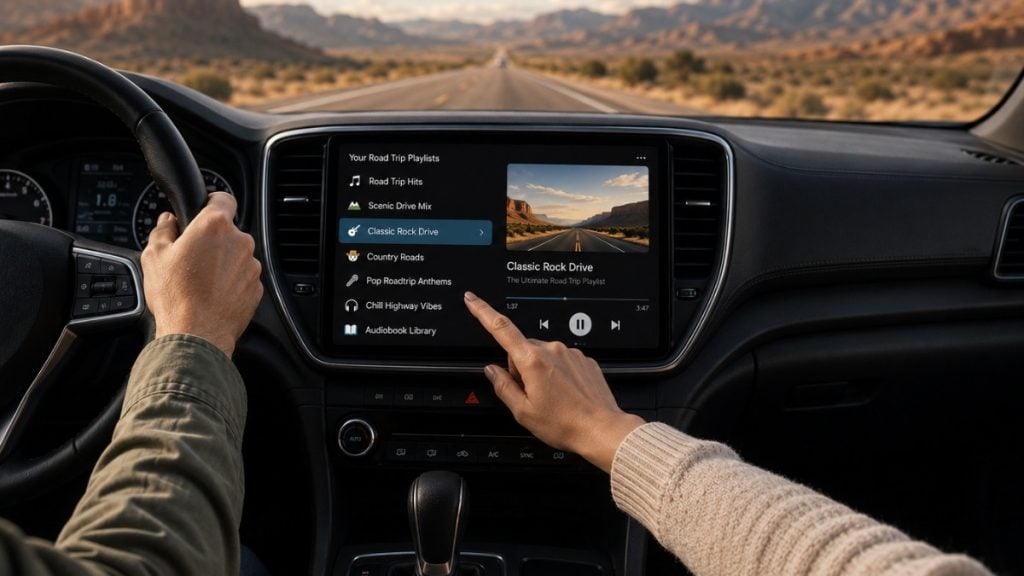
Long drives need rhythm, especially on highways that feel like they never end.
- Road trip playlist — download before you leave, in case you lose service
- Road trip games — license plates spotting (all 50 states is the classic challenge), alphabet game, and 20 questions when battery life is low, or everyone needs a reset
- Audio books — especially good for keeping the drive feeling like it passes faster than it actually does
Clothing and personal items
The goal is packing light while still covering all the essential things for a long road trip where weather, elevation, and plans can shift quickly.
- Layer up regardless of season — temperatures can swing dramatically on road trips, especially across national parks and higher elevations (you can go from desert heat to mountain cold in a single day on the same route!)
- Comfortable driving shoes and one pair of walking or hiking shoes — a must-have for any road trip packing list, especially if your next stop involves viewpoints, trails, or long rest stops
- Rain jacket — weather can be unpredictable, and a packable jacket is one of those road trip essentials that earns its space immediately
- Driver’s license — required for any road trip in the US; bring an international driving permit if you’re visiting from other countries
- Physical insurance card and vehicle registration — keep these in easy access in the glovebox of your car or rental car
- Toiletry bag stocked for the full trip — don’t assume rural gas stations or small-town stores will carry your usual products, especially on a long road trip through remote areas
- Lip balm, sunscreen, and basic toiletries — small items, but very much needed on long drives where you’re in and out of the car all day
Pack clothes wisely. The less time you spend worrying about clothing, the more you can enjoy the next stop.
If you’re traveling with kids
Road trips with kids are a different kind of planning exercise. Check out these tips to get organized, stay a step ahead of the next “are we there yet?”, and line up a successful road trip.
- Tablet loaded with downloaded content — Netflix, Disney+, and YouTube Kids all support offline downloads, which is essential when signal drops in rural areas
- Headphones (one pair per child prevents the audio wars) — arguably one of the most important road trip essentials for family travel
- Backseat organizer — keeps snacks, small toys, and activities within easy access so you’re not constantly reaching into the back while driving
- Activity books, sticker books, and small toys — rotating these every few hours helps reset energy on long drives and makes the trip feel shorter
- Portable potty or travel toilet seat for younger kids — rest stops can be far apart on highways, and “I need to go now” is a very real part of any road trip packing list with kids
- Wet wipes in the front seat — spills, sticky hands, and unexpected messes don’t wait for gas stations
- Extra change of clothes for each child — keep in a separate bag in the car so it’s easily accessible, not buried under luggage
Tip from the author: Try to time longer driving stretches around sleep windows if possible. Early starts or driving through nap time can turn what might be a long road trip into a surprisingly smooth stretch of highway.
US-specific tips and considerations
These are the details that don’t always make it into a generic road trip packing list, but matter a lot once you’re actually on the road.
- Toll roads vary by state — the Northeast (I-95 corridor through NY, NJ, CT, MA, PA) is heavily tolled, while the Mountain West and rural South are largely toll-free. Many rental car setups and Turo vehicles include toll transponders, but always check before your next trip
- Gas station spacing in the West — in states like Nevada, Utah, Wyoming, and Montana, gas stations can be 50–100 miles apart. On a long road trip, never let your fuel drop below a quarter tank
- National park reservations — many national parks (Zion, Glacier, and Rocky Mountain) now require timed entry reservations in peak season. This is separate from your park pass and should be booked ahead of time
- Cell service dead zones — large parts of rural America have no signal, especially in national parks and remote highways. Offline playlists and downloaded Google Maps routes are a must-have!
- Speed limits on interstates — western states often post 75–80mph limits, but enforcement is strict. Build in time rather than relying on speeding to “make up time” on your route
Planning smart is about making sure your trip doesn’t rely on luck or the nearest gas station.
Frequently asked questions
What should I not forget on a road trip?
The most commonly forgotten road trip essentials are phone chargers, offline maps, a driver’s license, insurance documents, a car phone mount, and jumper cables. If you’re in a rental car, also take photos before you start driving.
How much cash should I bring on a US road trip?
At least $50–$100 in extra cash in small bills. Cash-only parking, rural gas stations, and some cash-only park fees still exist — especially outside major cities. ATMs are not always available in remote areas.
Do I need an America the Beautiful Pass?
If your road trip includes two or more national parks or federal recreation areas, yes! The America the Beautiful Pass pays for itself quickly and covers entry for all passengers in your car. Buy it at the first park gate or in advance.
What should I have in the car for emergencies?
At a minimum: jumper cables or a portable jump starter, a spare tire and the tools to change it, a first aid kit, a flashlight, and roadside safety gear (flares or reflective triangles). In remote western states, add extra water and a basic tool kit.
What’s the best navigation app for a US road trip?
Google Maps is the most reliable navigation app overall, while Waze is better for live traffic updates. Always download offline maps before leaving WiFi — especially for national parks or rural stretches.
Start your road trip right with Turo
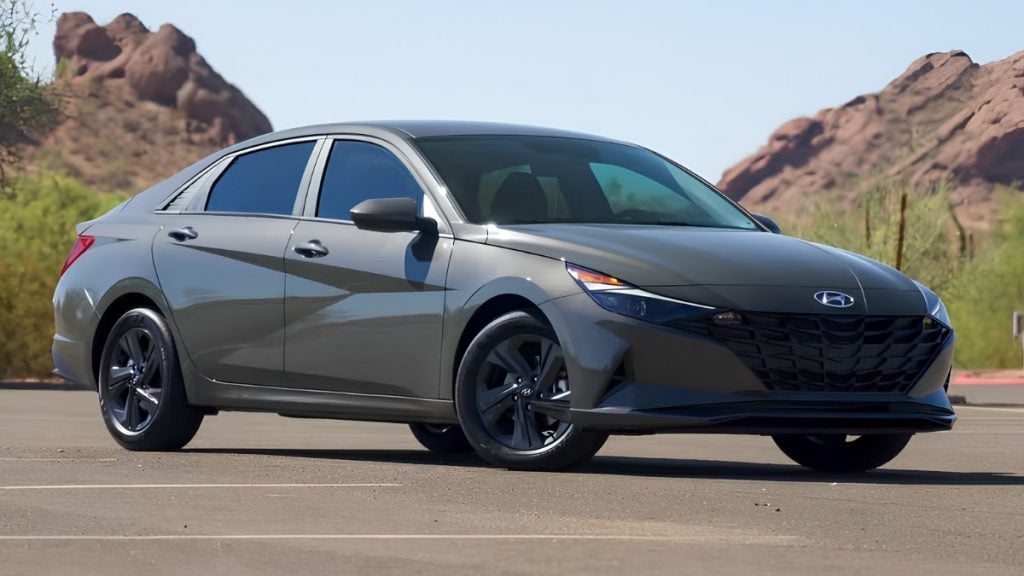
The best road trips start with the right vehicle for the journey — whether that’s a spacious SUV for a family road trip across the Southwest, a fuel-efficient hybrid for a long-distance drive, or a rental car that simply makes the open road more comfortable.
The right setup means less stress, fewer unexpected stops, and more time enjoying the route, the views, and everything in between. Browse the right car for you on Turo and start planning your trip — and be sure to bookmark this list of road trip essentials for your next adventure!
Share your car, earn extra cash
Cover your car payments or earn some extra cash by sharing your car whenever you’re not using it.
Get startedHit the road
Browse thousands of cars for every occasion and budget near you, or wherever you’re going.
Browse cars
Sian Henderson
Sian Henderson is both a cosied-up travel content writer and an avid outdoor traveller. She’s road-tripped around New Zealand, navigated the bustling streets of Vietnam, and sunbaked on the shores of Hawaii and beyond. With a love of getting behind the wheel and taking the scenic route, she brings a firsthand traveller’s perspective to road-trip content. For Turo, Sian has written travel blogs and destination guides spanning road trips, city escapes and destinations across Australia, the US, UK and Canada. She’s also worked across hundreds of pieces of Turo content, giving her a keen eye for what makes a great trip! From finding the right car for the journey to uncovering the best places to stop, snack, and take in the view, Sian has many great tips to keep you on track.