
by Dawn Teh
posted on 14 July 2024
The Red Centre Way brings you on an unforgettable adventure through the heart of Australia’s Northern Territory — a place with deep cultural significance to the native Anangu people. To fully enjoy the iconic rock formations, vibrant Indigenous culture, and breathtaking sunsets along this journey, 5 to 7 days is the ideal timeframe for this journey.
This road trip itinerary includes all the iconic landmarks like Uluru, Kata Tjuta, Kings Canyon, and more so you won’t miss the important attractions on this route.
- An overview of the Red Centre Way
- Red Centre Way drive itinerary
- FAQs and essential information before you get going
- Top stops and sights along the Red Centre Way
- Campsites along the Red Centre Way
Get ready for an adventure through one of Australia’s most captivating regions where you’ll embrace the tranquillity and vastness of the outback.
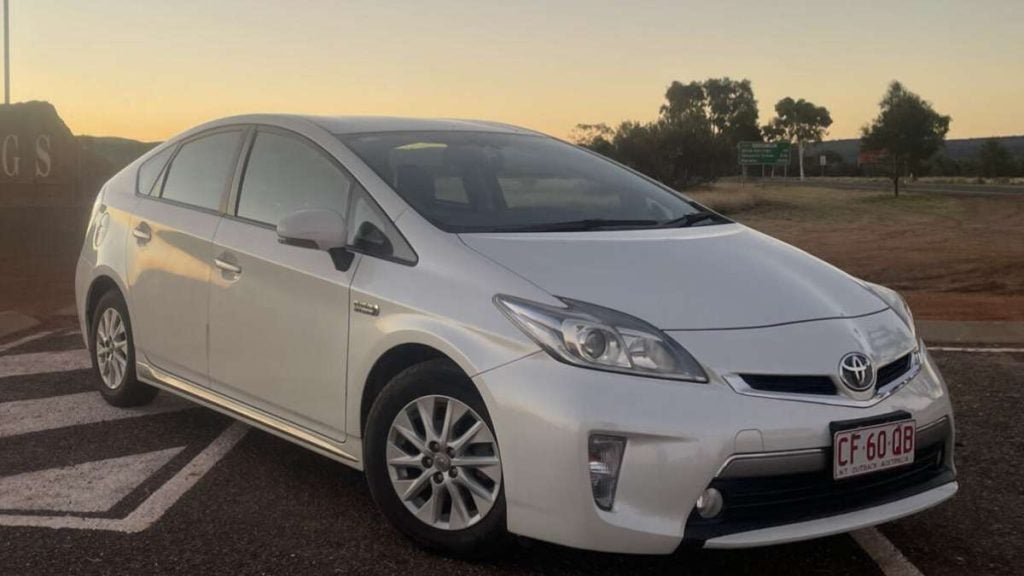
An overview of the Red Centre Way
- Drive distance: 835 km (without any detours)
- Drive time: At least 5 days
- Top stops: Ellery Creek Big Hole, Ochre Pits, Uluru, Glen Helen Gorge, Kings Canyon, Ormiston gorge, Tylers Pass Lookout, Simpsons Gap
- What kind of car you’ll need: You can drive the Red Centre Way in a 2WD (just make sure it is in good condition), but the Mereenie Loop is an (optional) unsealed section of the drive which you’ll need a 4WD to complete.
- Top tip: Make sure you’re prepared before you head off – you’ll want to plan out petrol stops, pack food and water, and consider bringing a satellite phone.
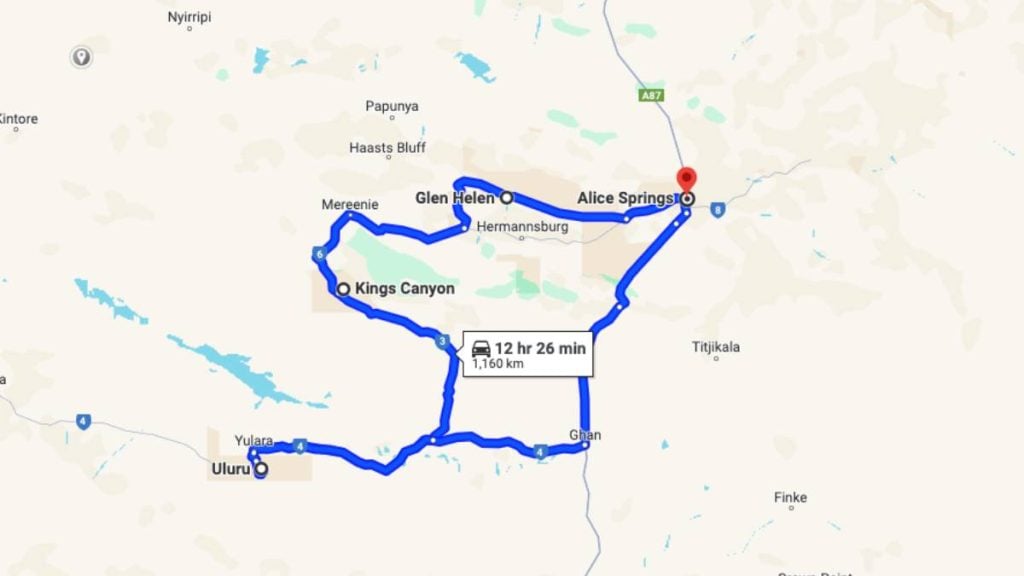
The ideal Red Centre Way itinerary
- Driving time: 12 hr 14 min
- Driving distance: 1,160 km
- Day-by-day itinerary:
- Day 1: Alice Springs to Glen Helen Gorge (1 hour 27 minutes, 133 km)
- Day 2: Glen Helen Gorge to Kings Canyon (2 hours 30 minutes, 235 km)
- Day 3: Kings Canyon exploration
- Day 4: Kings Canyon to Uluru (3 hours 30 minutes, 324 km)
- Day 5: Discover the Uluru region
- Day 6: Uluru to Alice Springs (4 hours 50 minutes, 468 km)
There’s no better way to experience the heart of the Australian outback than a Red Centre Way road trip. In addition to seeing the majestic Uluru, there are a multitude of ancient geological formations (like those in Kata Tjuta National Park and the stunning Kings Canyon) and places that are rich in Aboriginal history to explore. This trip promises unforgettable experiences, from starry desert nights to breathtaking hikes. If you want to truly immerse yourself in Australia’s natural and cultural heritage, this is the adventure you shouldn’t miss.
Day 1: Alice Springs to Glen Helen Gorge
- Driving time: 1 hour 27 minutes
- Driving distance: 133 km
- Top stops and attractions: Alice Springs Desert Park,Simpsons Gap, Standley Chasm, Ellery Creek Big Hole, Ochre Pits, Serpentine Chalet Dam, Glen Helen Gorge, Ormiston Gorge, Mount Sonder Lookout
- Where to stay: There is only one motel in the area, but several camp/caravan sites.
- Discovery Parks – Glen Helen Resort (Motel)
- Finke River 2 Mile Campground
- Ormiston Gorge Campground
- Larapinta Finke River Campsite
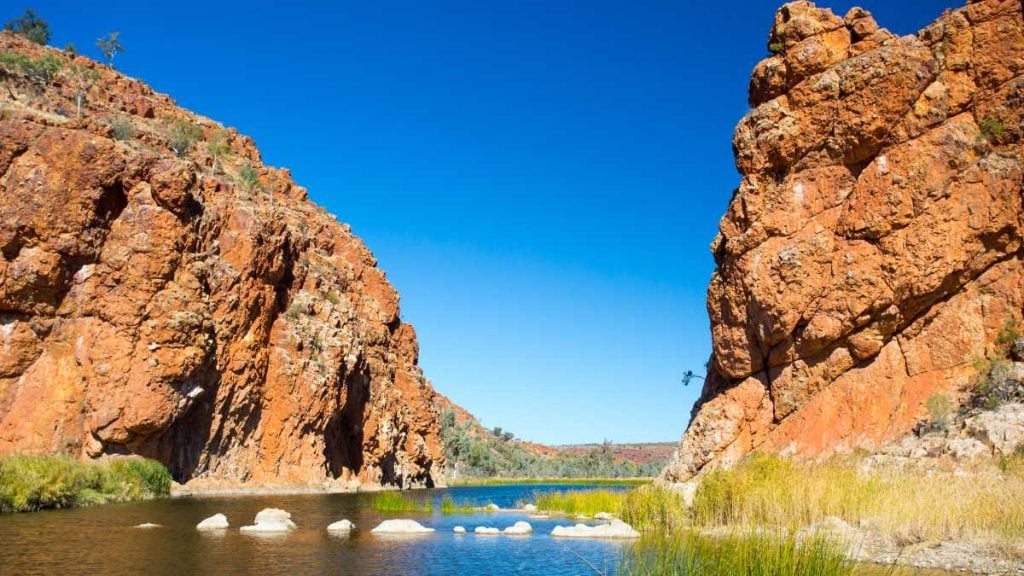
Right from your first day on the road, you’ll have plenty of animal encounters and experiences with a variety of geological wonders. Just outside Alice Springs, get to know the dingos, emus, and other desert wildlife at the Alice Springs Desert Park. From there, you’ll start exploring the West MacDonnell Ranges (also referred to as the West Macs) within Tjoritja West MacDonnell National Park. You’ll see towering red-rock cliffs and tranquil waterholes at spots like Simpsons Gap, Standley Chasm, and Glen Helen Gorge — each with its own unique character. There are many opportunities for hiking, swimming, and enjoying a picnic in these areas. If you’re up for a challenge, you can round up your day with panoramic views from the Mount Sonder Lookout (but be prepared to hike back in the dark).
Day 2: Glen Helen Gorge to Kings Canyon (Watarrka National Park)
- Driving time: 2 hours 30 minutes
- Driving distance: 235 km
- Top stops and attractions: Tyler Pass Lookout, Tnorala Gosse Bluff Conservation Reserve, Ginty’s Lookout
- Where to stay:
- Ginty’s Lookout (free camp)
- Discovery Parks – Kings Canyon (powered campsites)
- Kings Canyon Resort (motel, cabins, glamping, caravan sites, camping)
- Kings Creek Station (glamping, caravan sites, camping)
Along the leg of your journey, you can enjoy panoramic views from Tyler Pass Lookout and marvel at the Tnorala Gosse Bluff Conservation Reserve — a massive meteorite crater rich in Aboriginal cultural significance. Take note that you’ll need a 4WD to enter Gosse Bluff or risk ruining your car. From Mereenie is where the ride starts to get bumpy as the unsealed road is highly corrugated. This is when you’ll be thankful you’ve got a 4WD. Before heading to King’s Canyon, stop by Ginty’s Lookout for sweeping vistas over the desert plains and rugged terrain.
Day 3: Kings Canyon exploration
- Top stops and attractions: Kings Canyon Rim Walk, Giles Track, Kathleen Springs Walk, Guided Ranger Walks, Karrke Aboriginal Cultural Experience, helicopter scenic flights
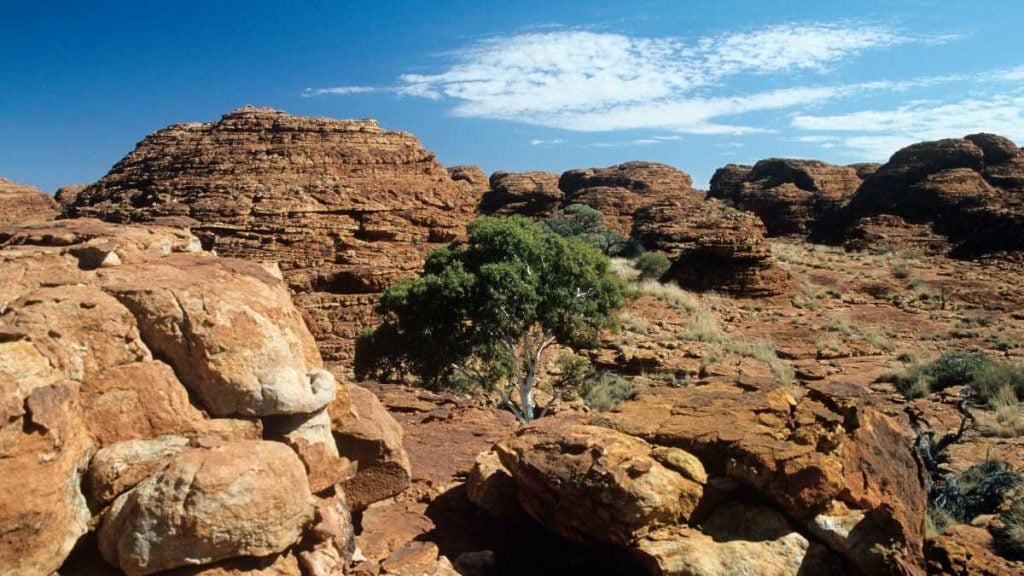
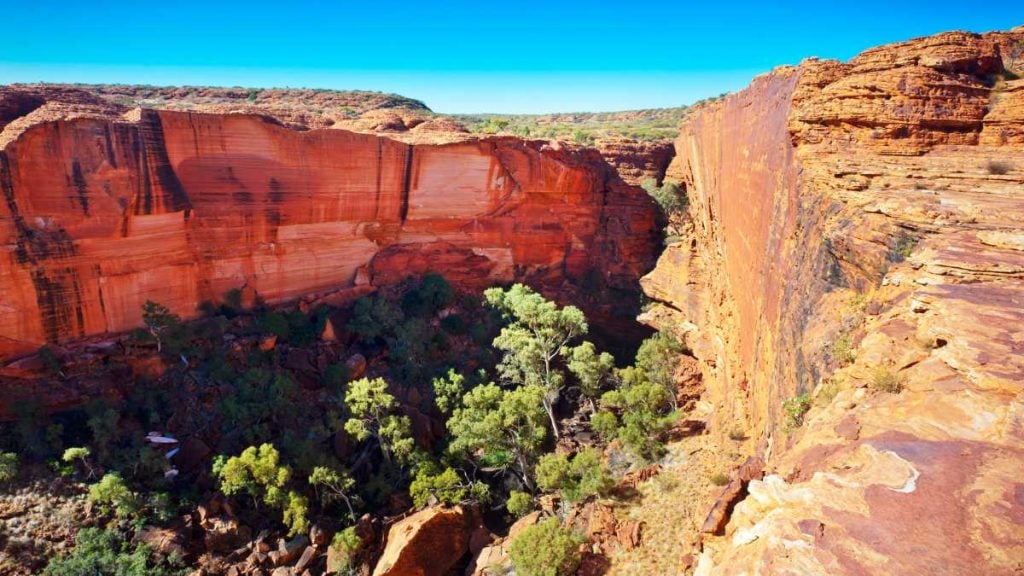
Often overshadowed by the iconic Uluru, Kings Canyon (Watarrka National Park) is an underrated gem offering equally breathtaking experiences without the crowds. The canyon itself is the star of the show and there are several hikes starting from the Kings Canyon car park that showcase it from various vantage points. The most iconic of all is the Kings Canyon Rim Walk — a 6-kilometer trek that takes you to the rim of the canyon where you’ll see stunning views of the towering cliffs. The South Wall Return Walk is another mid-level 4.8 km option that’ll get you to the top. If you prefer a milder route, take Kings Creek Walk and Kathleen Springs Walk. If you’re an adventurer, challenge yourself at the Giles Track, a remote 22-kilometer hike through the rugged outback.
There are many other interesting activities not easily found in many other parts of Australia. Enhance your visit with Guided Ranger Walks, where you’ll learn about the area’s unique flora, fauna, and geology. Immerse yourself in the rich Aboriginal heritage with the Karrke Aboriginal Cultural Experience, where you can learn about traditional practices and local culture. For a bird’s-eye view, opt for a helicopter scenic flight that truly captures the vastness and majesty of this ancient landscape.
Day 4: Kings Canyon to Uluru
- Driving time: 3 hours 30 minutes
- Driving distance: 324 km
- Top stops and attractions: Curtin Springs Station, Mount Connor 4WD tour, Uluru-Kata Tjuta National Park
- Where to stay:
- Curtin Springs Wayside Inn
- Curtin Springs Campground
- Yulara/Ayers Rock Resort (there are a range of hotels, caravan parks, and campgrounds here)
You’ll be glad to know that from here, the roads are sealed to Uluru, so you can enjoy a smoother ride. Stop by the town of Curtin Springs for a rest, or join a 4WD tour that will take you to see Mount Connor (often mistaken as Uluru).
Yulara/Ayers Rock Resort is most likely where you’ll stay the night as no camping is allowed in Uluru-Kata Tjuta National Park. If you have time, visit the rock domes of Kata Tjuta (the Olgas) and watch as the sunset casts its warm glow on the impressive geological structures. On the way back to town, enjoy the Field of Light visual display as 50,000 multi-coloured globes light up the ground with Uluru in the background.
Unleash the explorer in you. Book a car for your red centre way adventure on Turo now! Explore car rental in Alice Springs on Turo.
Day 5: Discover the Uluru region
- Top stops and attractions:
- Walk, bike, or segway around the base of Uluru
- Take a helicopter, camel, or motorcycle tour of Uluru
- Learn about Aboriginal dot-paining and create your own art piece
- Enjoy a “Sounds of Silence” dining experience atop a dune overlooking Uluru-Kata Tjuta National Park
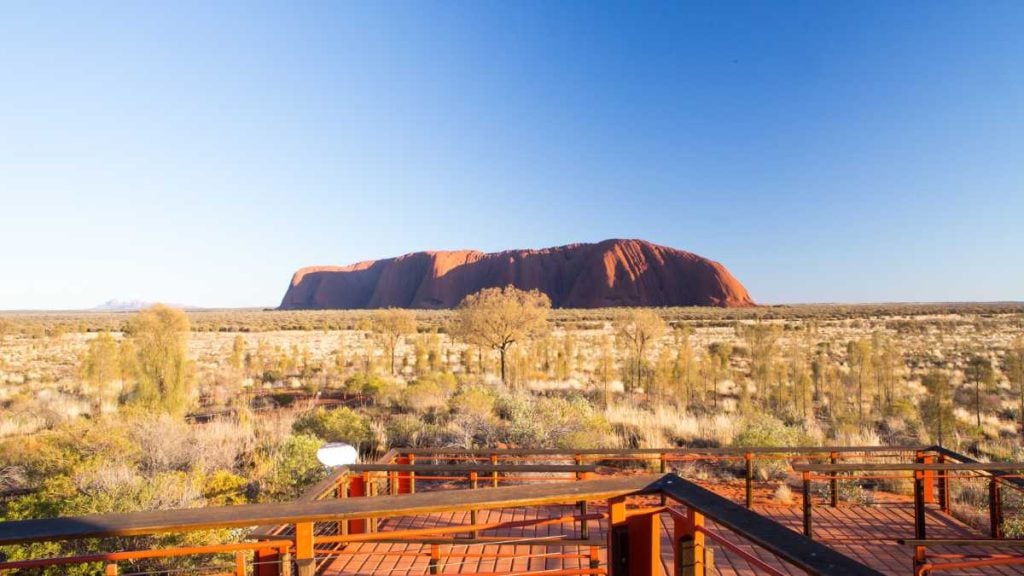
Today’s the day you finally get to explore Uluru (also known as Ayers Rock) — the awe-inspiring sandstone monolith that captivates travellers with its sheer size, striking beauty, and cultural significance. Rising dramatically from the flat desert landscape, this sacred site for the local Anangu people has both mystified and inspired humanity for thousands of years. Now is your chance to immerse yourself in its majestic presence,
Embark on a walk, bike, or segway tour around its base, taking in the ancient rock formations up close. For a unique perspective of the attraction, opt for a thrilling helicopter ride, a scenic camel trek, or a motorcycle tour on a Harley.
To understand more about the cultural significance of the area, go on a guided tour organized by the local people and immerse yourself in local traditions with an Aboriginal dot-painting workshop where you can create your own piece of art.
Cap off your day with the “Sounds of Silence” dining experience, enjoying gourmet cuisine atop a dune while gazing at the awe-inspiring Uluru-Kata Tjuta National Park.

Day 6: Uluru to Alice Springs
- Driving time: 4 hours 50 minutes
- Driving distance: 468 km
- Top stops and attractions: Henbury Meteorites Conservation Reserve, Rainbow Valley Conservation Reserve
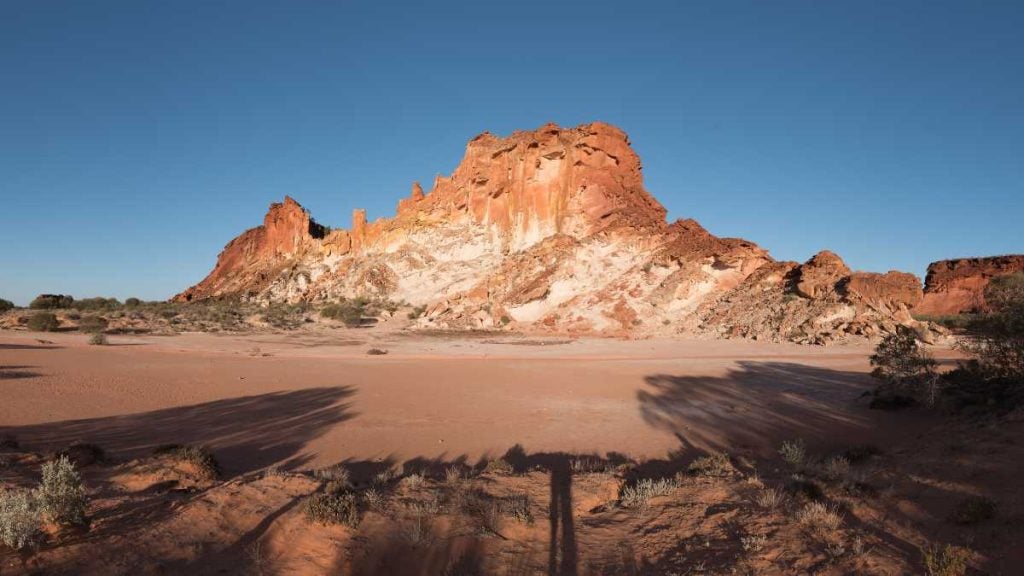
On your last day, it’s time to head back to Alice Springs, but not without a few last stops at some breathtaking geological sights. About 350km into your journey, make a detour to the Henbury Meteorites Conservation Reserve. Here, you’ll find 12 ancient craters formed by meteorite impacts over 4,000 years ago which offer a fascinating glimpse into the history of the land. About an hour further up the road, you’ll find Rainbow Valley Conservation Reserve and its stunning sandstone cliffs. The scenery there is particularly beautiful during sunset when the light brings out the stone’s red, orange, and purple hues. From here, you’ll take the Stuart Highway all the way back to Alice Springs to end off your trip.
The basics of road tripping in the Northern Territory outback
There’s plenty of breathtaking scenery and adventure along Red Centre Way, but this means you’ll also need to make extra preparations for a safe and enjoyable trip. The journey includes navigating unsealed gravel or dirt road, dealing with patchy reception, and driving long distances between towns. Here are some essential tips to help you with the journey.
Driving and road tripping tips
- Prepare your car: Ensure your vehicle is in excellent condition, with a thorough service check, and equip it with spare tyres and necessary tools.
- Research about driving on unsealed roads: Learn the techniques for driving on dirt and gravel roads, and understand the challenges such as dust, loose surfaces, and corrugations.
- Don’t drive tired: Take regular breaks, switch drivers if possible, and avoid driving during peak fatigue times, like late at night.
- Stay with your car if you break down: Your vehicle provides shelter and makes it easier for rescuers to find you. Don’t attempt to walk for help.
- Let others know about your road trip: Inform friends or family of your itinerary, including expected travel routes and check-in times.
- Bring a first-aid kit: Ensure it’s well-stocked and includes supplies for treating common outback injuries, like bites, stings, and burns.
- Have paper maps (or at least off-line maps): Mobile coverage can be unreliable, so have detailed maps to navigate without GPS.
- Consider a satellite phone: If you can’t get a satellite phone, try using the Telstra network as it has the best coverage in remote areas.
- Have enough food and water: Carry sufficient supplies for the entire trip (plus a little extra) in case of emergencies.
- Plan fuel stops: Know your vehicle’s fuel range and plan your route to include stops at reliable fuel stations, ensuring you never run low.
- Ensure your car has the appropriate insurance and towing coverage: Verify that your insurance policy includes coverage for towing in remote areas.
Do I need a 4WD for the Red Centre Way?
While a 4WD isn’t mandatory, it’s strongly recommended for a much more pleasant journey accessing remote areas. There are long sections of unsealed roads with corrugations (repeated ridges that make for an extremely bumpy ride) on this journey. A 4WD will help to make the ride a little more comfortable.
Should I camp on the Red Centre Way road trip?
Camping along Red Centre Way is an experience you won’t want to miss. Just remember to make your campsite bookings ahead of time to avoid disappointment.
Places to refuel along Red Centre Way
There are petrol stations along the Red Centre Way route, but be mindful that the distance between them can be significant. So don’t forget to refuel whenever you get the chance.
- Alice Springs
- Glen Helen
- Kings Canyon
- Kings Creek Station
- Curtin Springs
- Yulara
Where are the best places to eat along the Red Centre Way?
You can find food at each of the major stops along this road trip. But be prepared that you might only get basic supplies at some of these places (remember you’re travelling through remote parts of Australia which aren’t as well serviced as big cities). We recommend that you stock up on some non-perishable food at Alice Spring so that you always have back up supplies.
- Alice Springs
- Glen Helen (basic supplies)
- Kings Canyon Resort
- Kings Creek Station
- Curtin Springs
- Yulara
Find your ideal ride on Turo today – smooth, rugged, or anything in between! Explore car rental in Alice Springs on Turo.
Top stops and sights along the Red Centre Way
Uluru is the main attraction on this trip, but here are 5 other must-see sights and detours that will make your journey unforgettable.
Ellery Creek Big Hole
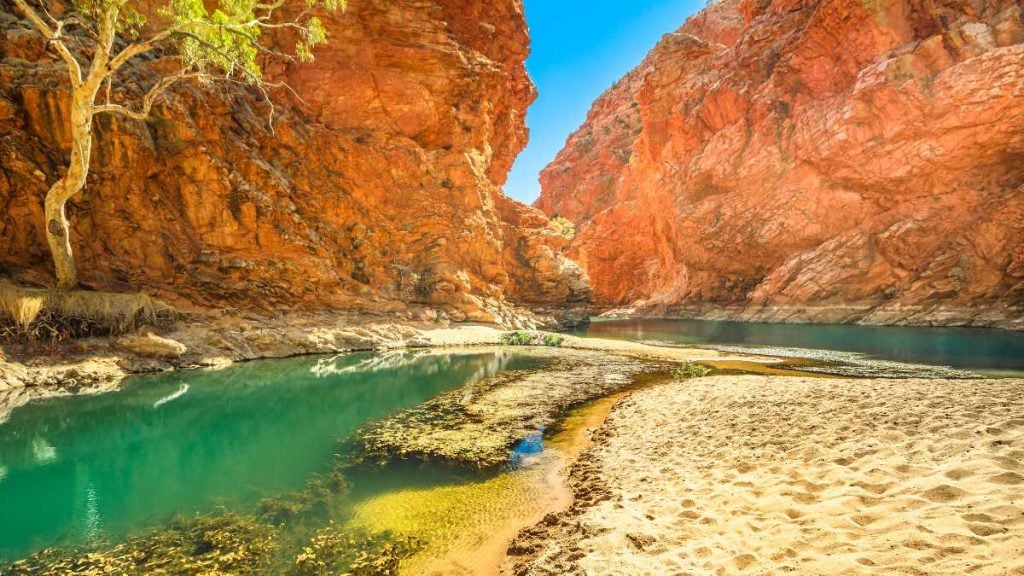
This picturesque waterhole is ideal for swimming and hiking, surrounded by striking red cliffs and sandy creek beds. Just an hour from Alice Springs, it’s one of the first few sights along your journey through Red Centre Way.
Ochre Pits
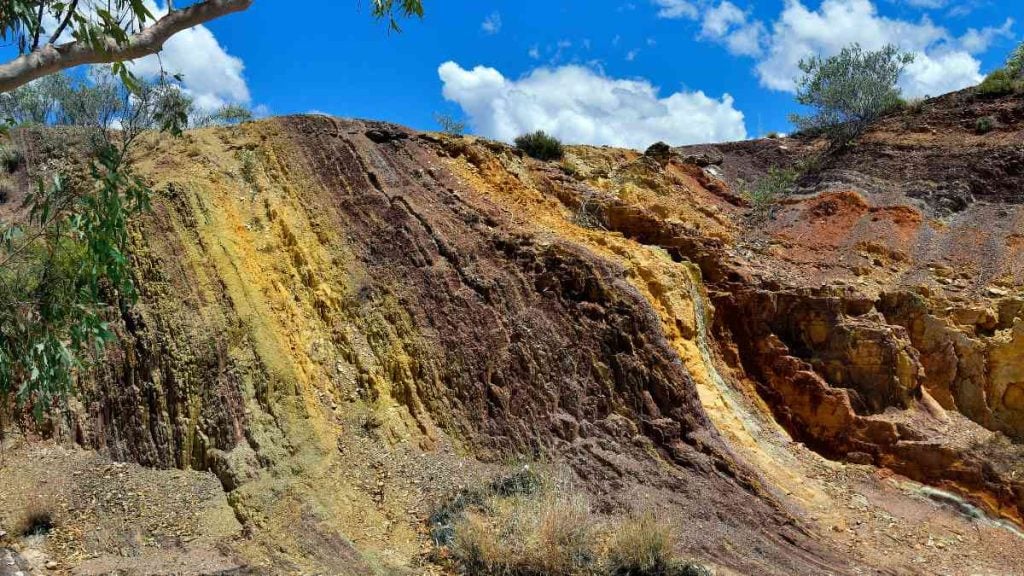
Just 20 minutes further down from the Ellery Creek Big Hole, these multi-coloured ochre cliffs are a beautiful sight with their earthy hues. They were historically used by Aboriginal people for ceremonial body painting.
Ormiston gorge
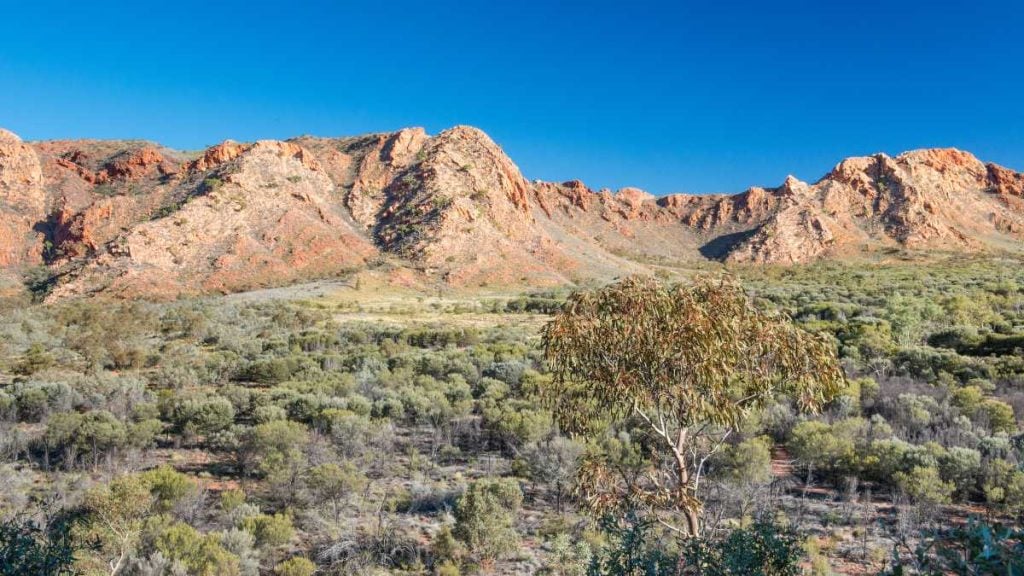
Before you round up your first day at Glen Helen, Ormiston Gorge offers a scenic waterhole for swimming amidst towering red walls and abundant wildlife. There are various hiking trails catering to different fitness levels in the area as well.

Tylers Pass Lookout
Enjoy expansive views of the Tnorala (Gosse Bluff) crater and the vast desert plains. Tnorala is one of the largest comet impact craters in the world and was formed around 142 million years ago. It also has significant meaning in Aboriginal culture, as it’s believed that the crater was formed by the impact of a celestial baby’s cradle falling from the sky.
Hermannsburg
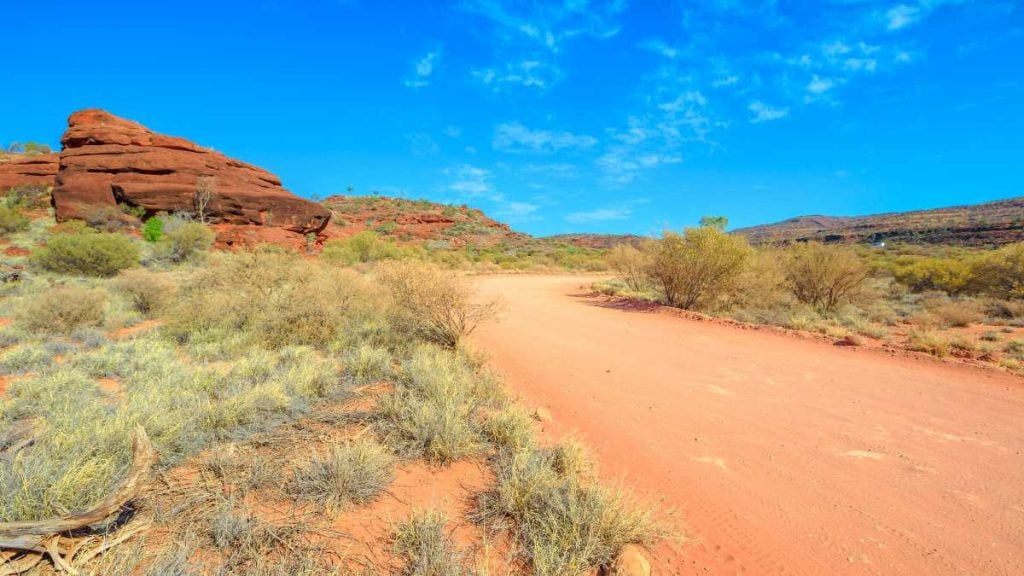
If you have the time after your trip, a quick day or overnight trip to Hermannsburg and nearby Palm Valley is a must-do! In Hermannsburg, explore the town’s history as a Lutheran mission and the vibrant art galleries showcasing Aboriginal art. If you’ve got a 4WD, venture into the stunning oasis of Palm Valley in the Finke Gorge National Park to see the unique red cabbage palms.
Want to camp on your Uluru and Red Centre way road trip? We’ve got you covered
Immerse yourself in a true outback experience by camping along Red Centre Way. As few places on earth can match the vast expanse and sweeping landscapes of Central Australia, it’s your chance to truly enjoy the untouched wilderness, where the silence is broken only by the sounds of nature.
Here are some of the top places to camp along your journey.
Camping at Ormiston Gorge
Wake up next to the stunning red walks of Ormiston Gorge and serene waters of the swimming waterhole. This is a great place to base yourself to try one of the many walking trails in the area.
Type of camping available: Camping and caravans (all unpowered)
Amenities: Barbecues, toilets, and showers
Fee: You need to pay a small fee, and bookings are essential
King Creek Station
Located just outside Watarrka National Park, this cattle station provides a variety of camping options, including powered and unpowered sites suitable for tents, camper trailers, and caravans. You’ll enjoy how the authentic bush setting is complemented by modern amenities such as hot showers, a swimming pool, and a well-stocked cafe.
Type of camping available: Camping, Caravans, cabins (powered and unpowered sites)
Amenities: Shower and toilets, swimming pool, BBQ, shared laundry services
Fee: Free for unpowered sites, $60/night for powered sites, bookings are essential for powered sites
Make memories in motion! Find your perfect Red Centre way car on Turo today! Explore car rental in Alice Springs on Turo.
Curtin Springs Campground
Located in Curtin Springs, this well-equipped campground is situated on a cattle station just 1 hour and 15 minutes away from Uluru. You’ll find many other outback experiences here as well like walking tours, paper making, and 4WD adventures.
Type of camping available: Camping and caravans (powered and unpowered)
Amenities: Shower ($4), BBQ, campfires allowed
Fee: Free for unpowered sites, $60/night for powered sites, bookings are essential for powered sites
Ayers Rock Resort at Yulara
Whether you’re seeking back-to-basics camping or a high-end glamping experience, you’ll find it all at Ayers Rock Resort campgrounds. While it’s not a free campground, the comprehensive facilities and proximity to Uluru make it worth the expense.
Type of camping available: Camping, Caravans, cabins (powered and unpowered sites)
Amenities: Shower and toilets, swimming pool, BBQ, shared laundry services
Fee: Free for unpowered sites, $60/night for powered sites, bookings are essential for powered sites
Rent the perfect car for the ultimate Red Centre Way adventure
From the tranquil waterholes and historic sites to the majestic gorges and ancient rock formations, every stop along the Red Centre Way offers a unique and enriching experience.
Ready to camp under the stars, conquer epic hiking trails, and connect with the land? Search for your ideal holiday ride on Turo and let the adventure begin!

Dawn Teh
Dawn, an ex-psychologist and avid travel writer, blends her expertise in human behaviour with her passion for adventure. Her writing reflects a unique perspective on personal growth, wanderlust and what it is that helps humans thrive. Her current mission is to live the van life and tour the Australian outback with her family.