
posted on May 3, 2026
The 2026 world’s largest soccer tournament is a truly unique sporting experience: 48 teams, 104 matches, 16 host cities across three countries, and nearly six weeks of football running from June 11th to July 19th 2026. If you’re ready to plan your trip to the matches but don’t know where to start, you’re not alone. This guide breaks it all down step by step, so you can focus less on logistics and more on soaking up the best of the world game.
Step 1: Decide what kind of trip you want
This is the most important part of planning your soccer-focused trip. With so many major events spread across multiple cities, getting clear on the type of trip you want will make planning travel logistics and match day itineraries much easier.
The single-city fan
- Best for: International fans with limited time or host city locals looking for a cost-effective way to tick a tournament game off their bucket list.
Staying in one city during the event is a perfect way to experience the atmosphere without worrying about travel time, flight schedules, or booking multiple hotels. Each host city has multiple matches within a few days of each other, making it easy to stay put, see several points of interest, and soak in the best the city offers. This is an ideal option for first-time visitors to the US who are looking for a more relaxed tournament experience.
The regional road tripper
- Best for: Football fans who are excited to hit the iconic driving routes of the US while seeing multiple matches across several stadiums.
Want to skip the baggage claim lines and spend more time experiencing the best of the US? Many host cities are conveniently clustered in close proximity to each other, making it easy to road trip throughout one state or region during your tournament experience. Hop between Dallas and Houston in Texas, explore the Northeast corridor (with stadiums in New York, Philadelphia and Boston), or venture along the West Coast to Seattle, San Francisco and Los Angeles.
The tournament follower
- Best for: Fans wanting to cheer on a specific country throughout the tournament or travelers who’ve done their homework and planned logistics in advance.
The tournament draw means teams will be playing matches in multiple host cities across the US. Planning a multi-city itinerary is one of the best ways to catch your country live in action throughout the competition. But keep in mind that this is one of the most expensive and logistically complex ways to experience the tournament, so make sure you’re ready to start planning, stat!
The fan festival visitor
- Best for: Anyone unable to attend matches in the stadium due to ticket prices and seating availability.
Who said you had to sit in the stadium to soak in the match-day atmosphere? The official Fan Festival will be running at nine of the US host cities, free and open for the public to attend. Expect live screenings of the matches, a huge array of local cuisine to try, along with live entertainment and a buzzing gameday experience.
Step 2: Get your tickets
While the main phase of ticket sales has wrapped up, there are still last-minute tickets up for grabs and a few creative workarounds to secure your spot at a match.
- Official ticket resale: Head to the tournament website to explore the official resale marketplace. Here, you’ll be able to buy and sell verified tickets. But be warned: the tournament organizer doesn’t set or control the asking price for resale tickets, with sources reporting there are tickets on resale for as much as $2.3m each.
- Secondary market: Outside of the official resale marketplace, you may be able to secure tickets on third-party platforms like Ticketmaster and StubHub. Expect to pay significantly inflated prices, and always ensure the seller is using the official Ticket Transfer feature when moving the ticket to your account.
- Hospitality packages: Want premium seating, top-notch food and drinks, and even private suites to watch the game day action? The official hospitality packages give you an all-inclusive match-day experience, allowing you to book a single match spot, a venue series or even the ability to follow your team in every early-stage game.
- Fan festivals as an alternative: If match tickets prove impossible to secure, the Fan Festivals are a cost-effective alternative. These spaces are open to the public, with free entry, giant screens, live entertainment, and a real sense of the tournament.

Tip from the author: Want to avoid being scammed by unauthorized or invalid ticket sellers? Stick to the official tournament ticket resale platform, with tickets verified and guaranteed to be valid for stadium entry. Plus, tickets are transferred digitally within accounts to keep things safe and secure.
Step 3: Book flights and accommodation — now
Still thinking about your travel and accommodation options? It’s time to get booking! Hotel selection in cities hosting matches is filling up, and airfares are rising, too. The sooner you book, the more options you’ll have.
Flights:
- Book your flights as soon as possible: Ticket prices for international flights are only going to continue spiking, and domestic airfares are becoming increasingly costly as the opening game draws near. Consider booking refundable or flexible tickets if you want to build more flexibility into your trip.
- Consider open-jaw itineraries: Visiting multiple cities during the iconic tournament? Flying into one city and out of another saves you valuable time, removing the need to backtrack at the end of your trip.
- Arrive early: Consider flying in at least one full day before the first match starts. Travel delays are common, and this tournament is too important (and too expensive!) to risk missing kick-off.
Accommodation:
- Consider staying in neighboring cities: Fort Worth for Dallas matches, Providence for Boston, Fort Lauderdale or Aventura for Miami, San Jose for San Francisco. These surrounding cities often offer better value with easy stadium access, particularly if you’re renting a car and parking near the match.
- Look beyond hotels: For groups and families, vacation rentals and serviced apartments often provide better value than hotels for multi-night stays. Private kitchens cut dining costs significantly!
- Book now for major games: For the biggest matches (such as semifinals in Dallas and Atlanta, or even the final at MetLife Stadium), hotel rates will be at their absolute peak. Book or lock in refundable accommodation options immediately if you have match tickets.

Step 4: Plan your match day logistics
Whether you’re attending group stage matches or even the finals, having a plan for getting to and from the stadium is essential. With thousands of fans flocking to the same venue at the same time, having a plan for transportation, parking, and even where to stay on game day will make your experience much smoother.
- Know your stadium: The 11 US host stadiums range from downtown-adjacent (Seattle’s Lumen Field, Atlanta’s Mercedes-Benz Stadium) to car-dependent suburban venues (such as Dallas’s AT&T Stadium in Arlington or Miami’s Hard Rock Stadium in Miami Gardens). Check where you’re staying in relation to the stadium and plan your travel itinerary accordingly.
- Pre-purchase parking passes if driving: Official parking passes must be bought in advance through the official parking website before the match, as none will be sold on-site. Only match ticket holders are eligible for a parking pass, and spots are filling up fast. Alternatively, consider driving to a park-and-ride location and catch a bus transfer to the stadium.
- Arrive three hours before kick-off: Between road closures, traffic congestion, and sheer crowd numbers, it’s not hard to see why this is an official recommendation. Leave extra time to ensure a stress-free start to your match day experience.

Step 5: Think about getting around
There are plenty of ways to get between stadiums and host cities during the tournament. But as the US is a geographically large host country, it’s important to do your research, compare travel packages, and weigh cost vs convenience.
Within a single host city:
- Each host city has a different layout, road system and public transit options. While Boston and New York City are highly walkable, fans attending games in Los Angeles or Miami will be better served by a car.
- Exploring each city’s downtown area is usually doable on foot, using public transportation or the occasional rideshare. But if you’re extending your stay and want to explore the best weekend getaways in the region (from wine country to pristine coastline), renting a car is by far the most convenient option.

Between host cities:
- Northeast Corridor (New York → Philadelphia → Boston): Amtrak is the natural connector; it’s faster door-to-door than flying, there’s no baggage check, and stations are located in the heart of each city.
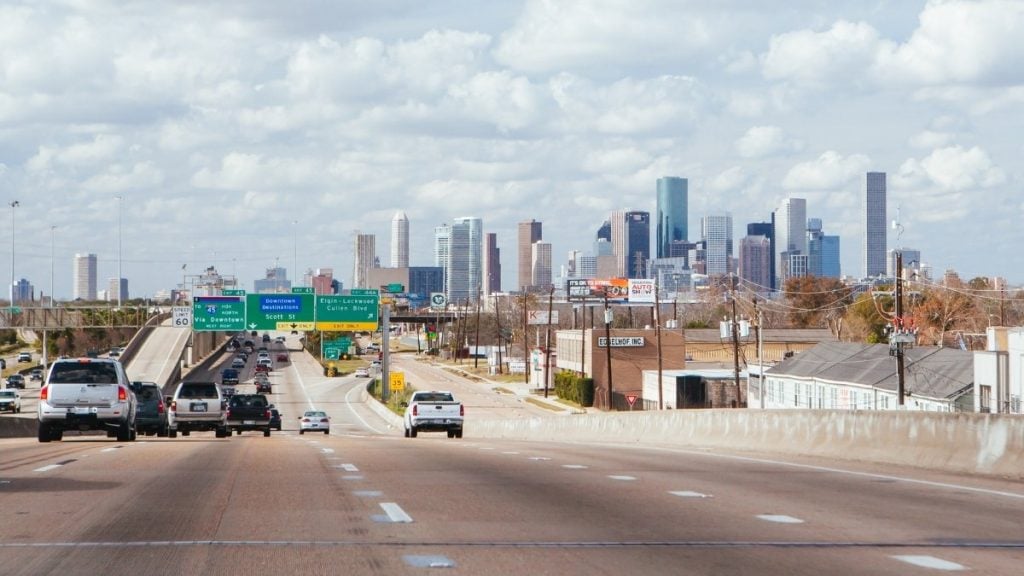
- Texas (Dallas ↔ Houston): This is a smooth 4-hour drive on I-45, or a short domestic flight. Driving makes sense if you want the flexibility to stop en route and explore beyond each city’s downtown once you arrive.
- West Coast (Seattle → San Francisco → Los Angeles): This route can be tackled in a linear flight path, or consider taking an extraordinary road trip down the Pacific Coast Highway if you have time to spare.
- Cross-country (e.g., Miami to Seattle): Fly. The distances are too large for any other travel option to make sense.
Step 6: Build your itinerary
Now for the fun part: planning your itinerary. Rather than arriving on the same day as the game, consider arriving early and giving yourself full days between matches for proper city exploration. Below, we’ve mapped out three ways to help you plan an unforgettable trip.
Framework 1: The single-city deep dive (5–7 days)
If you’re staying in one city, you’ve got time to soak in the local atmosphere between matches. Rather than arranging travel logistics, you’ll be able to spend more time mapping out nearby day trips or quick weekend getaways near the US host city you’re visiting.
Here’s what a 5-day itinerary could look like:
- Fly in one-two days before your first match; enough time to unwind, explore, and find your feet in the city.
- Match day one: Arrive at the stadium three hours early, experience the atmosphere, and stick around for the post-match scenes.
- Exploration days: Use the day or two between matches to explore beyond downtown. By renting a car, you’ll be able to venture to nearby beaches, national parks, and historic spots that you won’t be able to reach by public transportation.
- Match day two (if applicable): Same approach. Even if you don’t have game tickets, consider swinging by the Fan Festival; it’s free and a great chance to see multiple games live and loud!
- Fly out the day after your last match: Sleep in and catch an afternoon flight if you can; don’t rush it.

Framework 2: The regional road trip (7–10 days)
With multiple venues in easy driving distance, consider turning your soccer tournament experience into an unforgettable US road trip. Set aside at least a week to give yourself time to see several matches and drive between host cities at your own pace.
For example, if you’re seeing games in Texas, you could:
- Fly into Dallas and catch your first match at AT&T Stadium
- Drive to Houston (4 hours on I-45); it’s a built-in road trip with stops in between
- Catch your second match at the NRG Stadium in Houston
- Map out a few exploration days in each city: Texas Hill Country from Houston or Fort Worth and the arts district from Dallas
- Then, fly home from Houston; a multi-city flight avoids backtracking
Framework 3: The West Coast run (10–14 days)
Catching games on the West Coast? Set aside two weeks to experience the best of Seattle, Los Angeles and the San Francisco Bay Area. Here’s what a sample travel itinerary could look like:
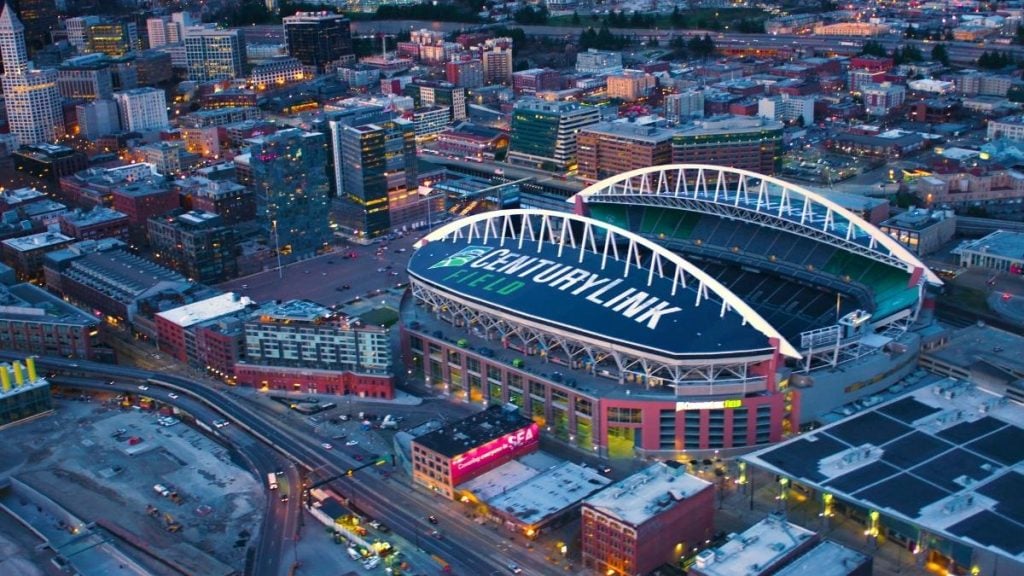
- Fly into Seattle: See a match at Lumen Field, followed by a day trip to the Olympic Peninsula or Mount Rainier.
- Fly or drive to San Francisco: Settle in for a day, watch a game at Levi’s Stadium in Santa Clara and take a day trip to Napa Valley.
- Drive or fly to Los Angeles: Gear up for a match at SoFi Stadium in Inglewood.
- Explore LA for a few days or extend south to San Diego for a final beach day before flying home.
Tips for multi-city trips
Traveling between several cities during the soccer tournament allows you to see multiple teams and stadiums in action. But to ensure a smooth travel experience, it’s worth keeping a few tips in mind:
- Build in buffer days between cities: A one-night layover rushing between matches is a recipe for exhaustion. Give each city at least two nights to feel worth the travel
- Don’t underestimate transfer times: Flying between US cities door-to-door typically takes 5–7 hours, including airport time. Plan accordingly and aim to arrive the day before to give yourself time to settle in before the game.
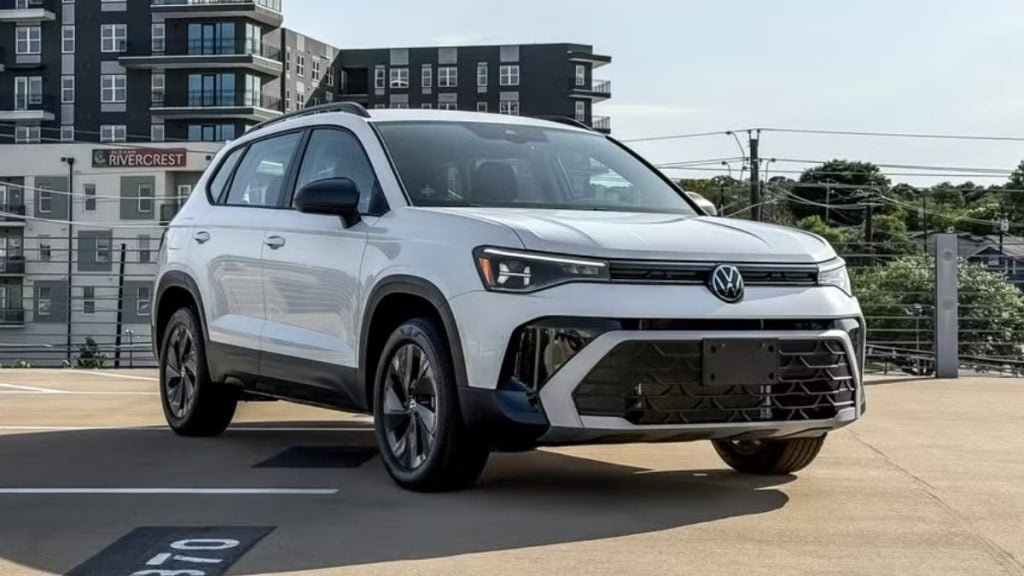
- Match the car to the trip: Renting a car during the world’s largest soccer tournament? For a Texas road trip, look for something comfortable with good cargo space, like an SUV. For a West Coast run down the Pacific Coast Highway, pick a luxury or prestige car that makes the drive itself part of the experience. Renting on Turo gives you the exact vehicle you want for each leg.
- Watch the weather: In June and July, cities like Houston, Dallas, Miami, and Atlanta will be hot and humid (86–100°F). Seattle and San Francisco will be mild and potentially cool. Pack accordingly, not just for one climate if you’re hopping between multiple cities.
Frequently asked questions about planning a soccer tournament trip
When does the world’s largest soccer tournament take place?
The tournament runs from June 11th to July 19th, 2026. The opening match is hosted in Mexico at the Estadio Azteca, while the final is happening at MetLife Stadium in New York/New Jersey.
How many matches are in the world’s largest soccer tournament?
There are over 100 matches, making this the largest tournament in history. The US hosts 78 of those matches across 11 cities, while Canada and Mexico host the remaining 26.
Do I need a visa to attend the soccer matches in the US?
If you hold a passport from a country that typically requires a US visa, you will need one to attend matches in the United States. Look into the fast-track visa program for match ticket holders, which expedites the visa application process, but does not guarantee approval. Check the official visa information page and the US Department of State website for the current list of affected countries and the application process.
How do I get around between host cities?
Ultimately, it depends on which US host cities you’re visiting. The Northeast Corridor (including New York, Philadelphia, and Boston) is best connected by Amtrak. Navigating around Texas (Dallas and Houston) makes sense by car, as it’s a natural 4-hour road trip. The West Coast (Seattle, San Francisco, Los Angeles) works well by flight or the Pacific Coast Highway for those with time.
Hit the road with Turo
Attending the world’s largest soccer tournament is about more than just what happens on the pitch. It’s about uniting with global football fans, experiencing new cultures, and seeing the best of what each host city has to offer.
That’s where Turo comes in. Instead of settling for whatever’s left at the rental counter, Turo lets you rent exactly the car you want for each leg of your trip: a spacious SUV for the Dallas-to-Houston haul, something sleek and open for the Pacific Coast Highway run down to LA. Browse cars near you and hit the road in a car that’s as memorable as the match-day experience.
Share your car, earn extra cash
Cover your car payments or earn some extra cash by sharing your car whenever you’re not using it.
Get startedHit the road
Browse thousands of cars for every occasion and budget near you, or wherever you’re going.
Browse cars
Lucinda Starr
Lucinda Starr is a travel and automotive writer with 5+ years of firsthand experience road-tripping across Australia, New Zealand, and beyond. She writes road trip guides for Turo, drawing on her experience behind the wheel to share practical insights on long-distance drives, destinations, and vehicles. Her travels have taken her across Australia’s East Coast, Victoria’s Great Ocean Road, the Northern Rivers, Byron Bay, and both islands of New Zealand. One of her most memorable journeys was an 11-day, 2,600+ km route from Auckland to Punakaiki and Queenstown. Lucinda has a particular passion for classic, rugged 4WD vehicles and the freedom they bring to exploring new places.