
posted on October 12, 2026
Planning a ski trip to Jackson Hole, Big Sky in Montana, or Colorado’s Snowmass? Winter conditions require a vehicle that can haul ski gear, traverse slippery surfaces, and handle deeper snow with confidence. The best cars for ski season share a few common features: good snow tires, plenty of cargo space, and even creature comforts like heated seats.
Also, factor in the area you’re visiting; the best vehicles for each ski town vary by weather and road conditions. Before you rent a car for your next ski season trip, keep reading to discover what car and safety features to look out for to find the perfect car for your winter travels.
In this guide:
- Quick answer: How to secure the best car for ski season driving
- What to expect when driving during ski season
- What features to look for in a rental car for winter driving
- Why monthly and long-term rentals are ideal for ski season trips
- Renting an EV for ski season: What to know about cold-weather range
- Best rental cars by popular ski destinations
- Frequently asked questions about renting a car for ski season
- Find the right ski season rental car
Quick answer: How to secure the best car for ski season driving
The best cars for ski season offer all-wheel drive capabilities, high ground clearance, and extra cargo space (or roof racks) for ski gear. Many ski trips require long drives, so look for a rental car that offers features like cruise control, lane assist technology, and spacious interiors.
Driving in winter means you’ll likely encounter snowy conditions on the roads. Alongside AWD or 4WD systems, it’s important to check that the rental car is fitted with winter tires or snow chains that are purpose-built to improve traction and grip in deep snow.
Ultimately, there’s no single car model that’s best for ski season trips. By considering your trip length, group size, and road conditions at your destination, you can find a rental car with the right ski-season features for a safe, comfortable drive.
What to expect when driving during ski season
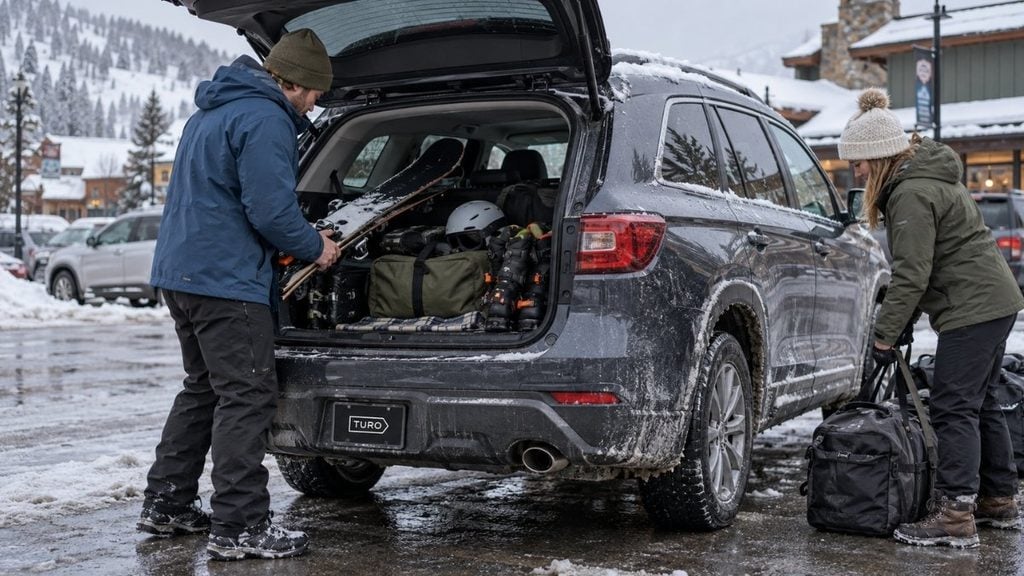
Winter driving comes with a few extra considerations, especially if you’re heading to mountain regions like the Rockies or Sierra Nevadas (which can see sudden snowstorms and fierce winds). With a little planning and preparation, driving during ski season can be a smooth, stress-free experience.
- Road conditions: Snow and ice can make it difficult for cars to grip the road, reducing traction and increasing the chance of skids and slides. Unpredictable weather can also reduce visibility and increase the risk of black ice that’s hard to spot. Check for road, pass, and bridge closures that might impact your journey during snowstorms or periods of heavy snow.
- Tire requirements: Many states (such as Colorado and Utah) have strict laws requiring drivers to use snow chains or winter tires when driving in winter, even if the vehicle has AWD or 4WD capabilities.
- Traffic and road congestion: Peak ski season (such as the winter holidays and the mid-winter months of January and February) brings heavy traffic to narrow mountain roads. Plan ahead, leave early, and expect gridlock near popular ski lodges (the I-70 Corridor in Colorado and the Little and Big Cottonwood Canyons in Utah are particularly congested during ski season).
- Packing and preparation tips: Windshield washer fluid can help to improve visibility in sub-zero temperatures, while ice scrapers and snow brushes are helpful for removing snow from the roof and windows before hitting the road.
- Safe driving tips: Leave extra space between you and other vehicles (ice can make braking distances much longer), avoid sudden stops, and look ahead to anticipate curves, hills, and changing road conditions. Taking it slow on steep descents can also help you stay in control.
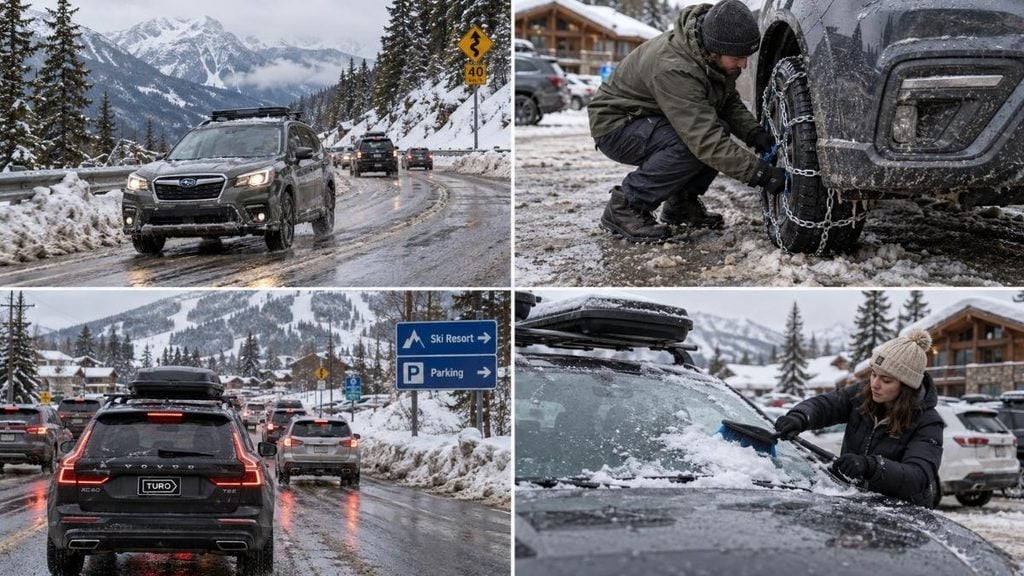
Tip from the author: Even with the best gear and appropriate winter tires, skids and slides can happen on snowy roads. If you notice your car losing traction, take your foot off the accelerator, stay calm, and gently steer in the car in the direction you want to go.
What features to look for in a rental car for winter driving
The best cars for ski season have snow or winter tires, offer ample cargo space, and include heated seats and a heated steering wheel to keep you comfortable (even when the temperature drops). Here’s what features to look for when comparing rental cars for your next ski trip.
AWD and 4WD: What’s the difference, and do you need it?
The main difference is that AWD automatically kicks in to handle slippery road surfaces, while 4WD must be manually activated by the driver to handle deep snow.
| AWD | 4WD | |
|---|---|---|
| How it works | Automatically sends power to whichever wheels have the most grip | Driver manually engages power to all four wheels |
| Most common in | Crossovers and SUVs | Trucks and larger SUVs |
| Winter strength | Steadier traction when accelerating on snow-covered roads | Extra grip on snow-covered roads, especially at low speeds |
| Best suited for | Everyday driving with occasional snowy conditions | Regular driving on snow-covered mountain roads |
AWD and 4WD can improve traction when accelerating on snowy or slippery roads, but they don’t replace the need for tires suited to winter conditions. Winter or snow tires are designed to provide better grip in cold temperatures, snow, and ice, which can improve braking and handling as well as acceleration. Where permitted and appropriate for the conditions, snow chains can provide additional traction.
If you’re planning to drive through steep mountain passes (such as along I-70 in Colorado or through the Sierra Nevadas in California), both AWD and 4WD can be helpful, alongside snow tires or chains. Plus, if roads haven’t been plowed after a heavy snowstorm, AWD/4WD can help improve power distribution.
Snow and winter tires
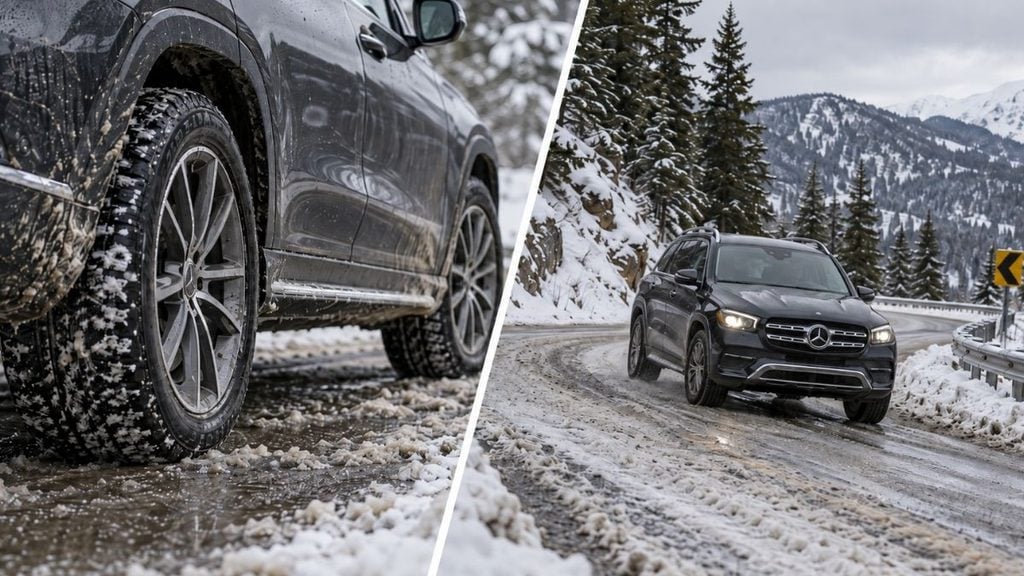
If there’s one feature every ski season car must have, it’s snow and winter tires. Freezing winter temperatures can make standard all-season tires stiff and hard like hockey pucks, reducing traction and increasing the risk of slips and slides.
As we’ve mentioned above, 4WD and AWD capabilities aren’t enough to improve your car’s safety, handling, and control on snowy roads. In fact, even a 2WD vehicle with good winter tires can outperform an AWD vehicle on poor, all-season tires.
| All-season tires | Winter tires | |
|---|---|---|
| Rubber compound | Firms up and loses grip in cold temperatures | Stays flexible in cold temperatures for better contact with the road |
| Tread design | Shallower tread, built for year-round conditions | Deeper tread with more grooves to grip snow and channel slush |
| Cold-weather performance | Adequate for light or occasional snow | Built specifically for snow, slush, and winter conditions |
| Best for | Mild climates or short winter stretches | An extended stay in a snowy, mountain, or ski destination |
Winter tires remain soft in freezing conditions, offering shorter braking distances that can help avoid mountain slide-outs on slippery surfaces. Strong traction also improves corner stability, while the design of winter tires offers a claw-like grip that keeps you in control on hard-packed snow and ice.
Even in melting snow and slush, the deep, wide directional grooves of winter tires are designed to keep the rubber in continual contact with the solid road for improved steering control.
Tip from the author: Look for car listings that feature tires marked with the Three-Peak Mountain Snowflake (3PMSF) symbol, which indicates a tires are highly recommended for extreme winter driving conditions. It helps you stay compliant with local laws, too. States like Colorado, Utah, and California legally require vehicles to be fitted with snow-rated tires during active winter storms or on specific mountain routes. Make sure to check whether your car also needs to have AWD/4WD capabilities or additional traction devices, like snow chains.
Ski racks and cargo space
Bringing your own gear to your ski resort vacation? Look for rental cars that offer ski racks, helping to keep wet, bulky, and sharp ski gear out of the car cabin. The best cars for ski trips will offer roof racks with ski attachments, allowing you to transport skis or bulky gear securely on the roof of your vehicle.
There are plenty of reasons why ski racks are convenient for winter road trips:
- Frees up passenger space: Bulky gear like snowboards and helmets can reduce the amount of legroom and seating available inside the car. If you’re planning an extended drive with multiple passengers, ski racks ensure everyone can travel comfortably to your destination.
- Avoid moisture issues: After a day on the slopes, loading wet gear into the back of your car is a recipe for damp interiors, foggy windows, and soggy luggage.
- Improves cabin safety: Sharp objects and heavy gear can pose big safety risks if left unsecured inside the cabin, particularly if you need to come to a sudden stop.
Need an alternative? If you’re traveling as a couple, look for vehicles with flat-folding rear seats that allow you to travel with skis inside the cabin. Bringing a padded, waterproof bag can protect the cabin’s interiors and avoid melting snow from soaking the seats, too.
And cabin space matters for more than just gear, too, Ski season trips often mean hauling plenty of luggage, groceries, and everyday essentials (especially if you’re visiting for an extended time period). Look for rental cars with ample trunk space and flexible seating configurations.
Heated seats and heated steering wheel
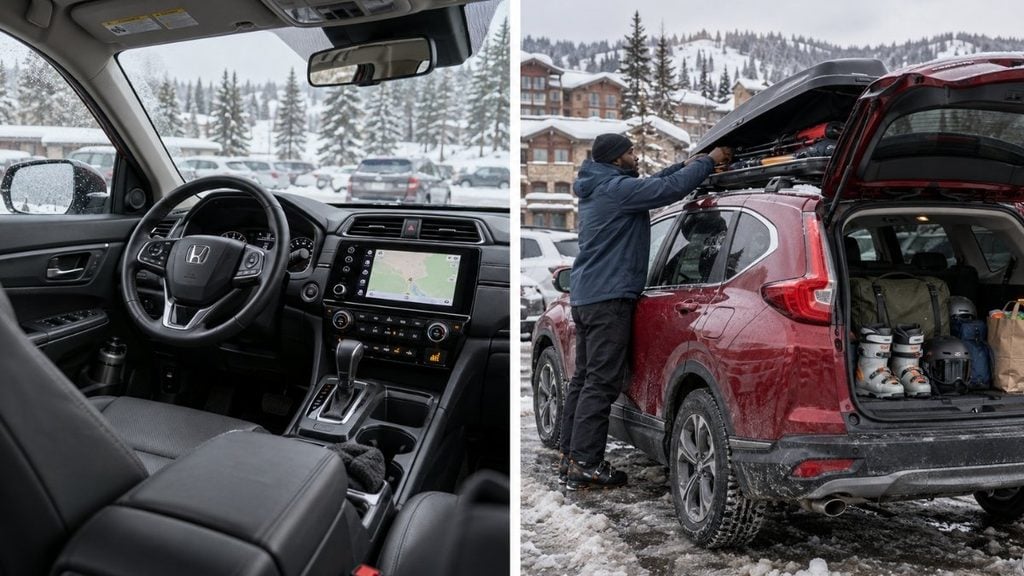
In winter, ski towns in the US can reach average January lows of between 4°F and 16°F, with temperatures dropping even lower in upper mountain areas. Jumping into a heated car seat after a long day of skiing helps you to immediately warm up, rather than waiting for car heaters to kick in.
Heated seats can ease stiff muscles and joints in the freezing winter months, and ease pain and discomfort after a long day of skiing. Plus, heated steering wheels can safely thaw cold hands and fingers, improving grip and comfort from the moment you enter the car.
Ground clearance
Driving in winter means potentially navigating snow on the roads. Vehicles with high ground clearance are designed to drive along unplowed roads and mountain passes with confidence.
The higher your car sits off the ground, the less likely it will be to get stuck on top of deep or piled snow. Whether you’re visiting the slopes for a weekend or multiple weeks, high ground clearance means you can easily navigate snowy driveways and resort parking lots without worrying about scraping your bumper or undercarriage.
Other winter-friendly features to consider
Still comparing car models? If you’re heading to the slopes, here are a few other features that great car rental options have in common:
- Remote start: Warms up the cabin and defrosts windows before you get in.
- Heated mirrors and windshield wiper de-icers: A practical, often overlooked feature that improves visibility.
- All-weather floor mats: An addition that protects the interior from snow and slush over a season, particularly if you’re transporting gear inside the cabin.
- Good visibility features: Things like defrosters and larger windows are especially helpful when driving in low winter light.
- A well-stocked cabin: Ice scraper, blanket, and a phone charger are worth checking for before you set off.
Why long-term rentals are ideal for ski season trips
Are you spending an entire ski season in Salt Lake City or Summit County in Colorado? For those spending a full season near a ski resort (like ski instructors or remote workers), securing a long-term car rental can help you unlock the most competitive rates and the convenience of one car for your entire stay.
With a monthy or long-term car rental on Turo, you can:
- Skip the hassle of re-booking: Lock in one car for the whole season instead of juggling multiple short-term reservations, so you’re not starting from scratch every few weeks.
- Get more from daily comfort features: Heated seats, a heated steering wheel, and extra cargo space matter more when you’re relying on the same car every day, not just for a weekend trip.
- Save compared to piecing together short bookings: A single longer rental is typically more cost-effective than stitching together several separate short-term bookings across a season. In fact, many vehicle listings on Turo offer discounts for trips of one month or more.

Renting an EV for ski season: What to know about cold-weather range
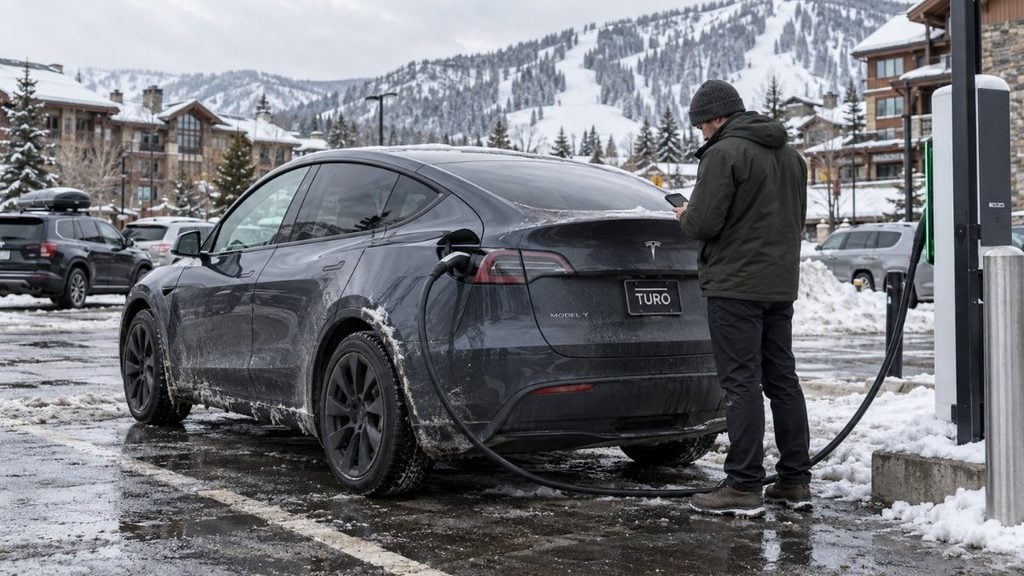
Thinking about renting an electric car for your trip this ski season? While this can be a great way to save on gas, it’s important to consider how freezing temperatures can reduce your car’s range and whether the area has the right EV charging infrastructure to keep you powered during your trip.
In cold weather, an EV’s driving range can reduce by 10%-50% due to freezing temperatures slowing down battery chemistry and high cabin heating demands draining the battery faster than usual.
Before renting an EV for your winter trip, consider:
- Charging stations: Check the route you’re planning to drive and ensure there are plenty of EV chargers along the way to keep you charged for the entire drive.
- Parking options: Look for resort accommodations that offers secure, indoor parking garages that will keep your EV out of freezing wind and snow.
- Power-saving techniques: Preconditioning and warming the car while its still plugged in can heat the cabin using grid power (rather than battery power). Plus, turning on seat heaters and steering wheel heaters use much less energy than main cabin heaters, while keeping you and your passengers warm.
Best rental cars by popular ski destinations
The exact features you’ll want in a rental car can shift slightly depending on which mountain town you’re headed to. Here’s a quick look at a few popular ski destinations and what to keep in mind for each.
- Big Bear, CA: Big Bear’s winding mountain roads see variable snowfall throughout the season, so winter tires are worth prioritizing over drivetrain alone. If your rental doesn’t come with them already fitted, look for a rental car in Big Bear offering snow chains as an extra for added peace of mind on the steeper stretches.
- Winter Park, CO and Keystone, CO: Both Winter Park and Keystone sit at higher elevation, with mountain pass driving a regular part of getting around. AWD, like in a Subaru Outback, can be a helpful feature here for everyday traction on snowy roads, and a bit of extra ground clearance goes a long way in parking lots that haven’t been cleared.
- Snowbird, UT: Snowbird’s canyon roads and heavy snowfall make winter tires a priority. If you’re commuting to the mountain daily, features like heated seats and a heated steering wheel are worth the extra comfort over a long season.
- Copper Mountain, CO: Similar considerations apply at Copper Mountain ski resort as elsewhere in Colorado’s high country, and if you’re planning to stay the season, it’s a great candidate for a monthly rental rather than booking week to week.
- Stowe, VT: Northeast ski towns like Stowe bring their own conditions. Winter tires and strong visibility features (think good defrosters and larger windows) matter just as much here as anywhere out west.

Frequently asked questions about renting a car for ski season
Do I need AWD or 4WD for ski season?
Not necessarily. AWD and 4WD can help with traction on snowy roads, especially if you’re regularly driving mountain passes, but they’re not required for every ski trip. Winter tires make a bigger difference than drivetrain alone, so prioritize winter or snow-rated tires first.
Are winter tires necessary if my car has AWD?
Yes. AWD helps with power distribution, but it’s your tires that grip the road, so winter tires are still recommended for the best traction on snow and hard-packed conditions, even in an AWD vehicle.
Can I rent a car for the whole ski season?
Yes. Turo offers monthly and long-term rental options, which can be more convenient than juggling several short-term bookings across an entire ski season.
What features matter most for a winter car rental?
Winter tires, comfort features like heated seats, and enough cargo space for gear and everyday essentials tend to matter most in a winter car rental over an extended stay.
Find the right ski season rental car on Turo
Whether you’re heading to Big Bear for a weekend or settling into Steamboat or Snowmass for the whole season, the right rental comes down to matching a few key features: tires, cargo space, and cabin comfort.
Start by filtering for winter or snow-rated tires, and check listings for extras like snow chains, a roof rack, or a heated steering wheel if you’ll be spending plenty of time behind the wheel. If you’re staying near the mountain for more than a few weeks, a monthly or long-term rental is worth considering over piecing together short-term bookings.
Ready to hit the slopes? Browse Turo and filter by the features that matter most for your trip.
Share your car, earn extra cash
Cover your car payments or earn some extra cash by sharing your car whenever you’re not using it.
Get startedHit the road
Browse thousands of cars for every occasion and budget near you, or wherever you’re going.
Browse cars
Lucinda Starr
Lucinda Starr is a travel and automotive writer with 5+ years of firsthand experience road-tripping across Australia, New Zealand, and beyond. She writes road trip guides for Turo, drawing on her experience behind the wheel to share practical insights on long-distance drives, destinations, and vehicles. Her travels have taken her across Australia’s East Coast, Victoria’s Great Ocean Road, the Northern Rivers, Byron Bay, and both islands of New Zealand. One of her most memorable journeys was an 11-day, 2,600+ km route from Auckland to Punakaiki and Queenstown. Lucinda has a particular passion for classic, rugged 4WD vehicles and the freedom they bring to exploring new places.