
posted on April 22, 2026
Choosing between a gas car and an electric car rental has become a much more common travel decision in recent years. As EV charging networks expand and more electric vehicles become available across the car rental market, many travelers are now comparing EV rentals against traditional gas-powered cars for road trips, city travel, business trips, and weekend getaways.
For some trips, a gas-powered car may still be the more practical choice — especially for longer drives through areas with limited charging infrastructure. But for urban travel, shorter road trips, and travelers curious about owning an EV in the future, renting an electric vehicle can offer lower fuel costs, quieter driving, and a different overall experience behind the wheel.
EV rentals have also become more accessible as charging stations grow more common and travelers become more familiar with how electric vehicles work. On Turo, guests can compare different EV models, battery ranges, charging capabilities, price points, and vehicle types before booking.
So, is it better to rent a gas car or an electric car? The answer depends on where you’re driving, how far you plan to travel, charging availability, and the kind of experience you want from the trip itself. Here’s what to consider before booking either option.
Why more travelers are considering EV rentals
As charging infrastructure expands and more electric vehicles become available across the car rental market, EV rentals have become a more practical option for many types of trips. For some travelers, the appeal is lower fuel costs and quieter driving. For others, it’s an opportunity to experience an electric vehicle before deciding whether to buy one themselves.

EV rentals can lower fuel and maintenance costs
One of the biggest differences between gas cars and EV rentals is energy cost. Charging an electric vehicle is often less expensive per mile than paying for gasoline, especially during periods of higher gas prices.
According to the U.S. Department of Energy, electric-only driving can cost significantly less per mile than gasoline depending on local energy and fuel prices. EVs also typically have fewer moving parts than traditional gas-powered vehicles, which can reduce certain maintenance needs over time.
For travelers planning shorter drives, city trips, commuting, or routes with reliable charging access, those savings can become noticeable throughout a trip.
Trying to decide between booking an electric vehicle or a gas car for your trip? Use this EV vs. gas trip cost calculator to estimate your fuel or charging costs based on where you’re driving, how far you’ll go, and the type of vehicle you choose.
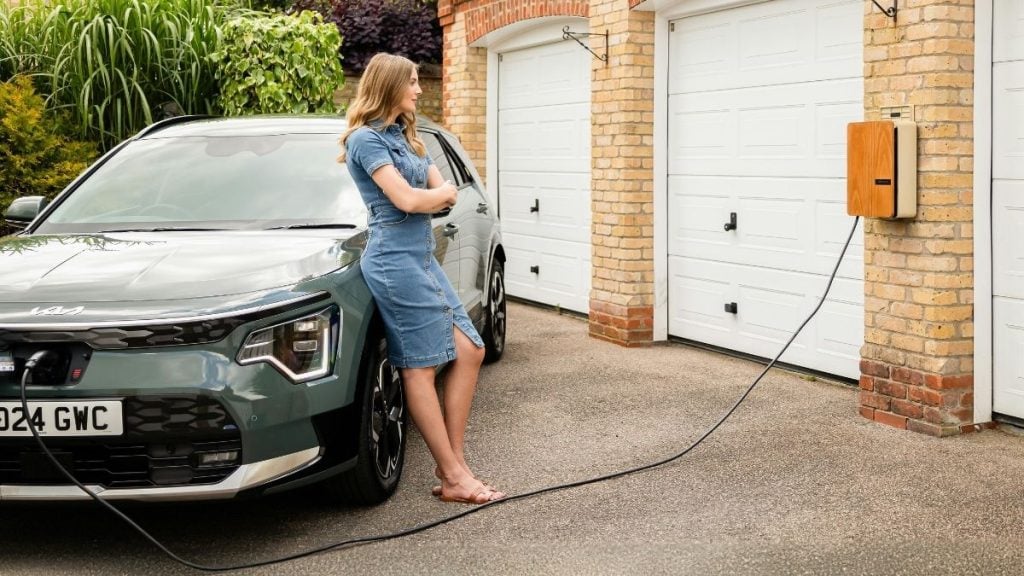
Electric vehicles offer a different driving experience
Many first-time EV drivers are surprised by how different electric vehicles feel on the road. Electric cars are generally quieter, smoother, and faster to accelerate from a stop compared to traditional gas vehicles.
Without a combustion engine, the driving experience often feels calmer and more refined, especially in city traffic or stop-and-go driving conditions. For travelers looking for a quieter ride or a more modern driving experience, that alone can be a major appeal.
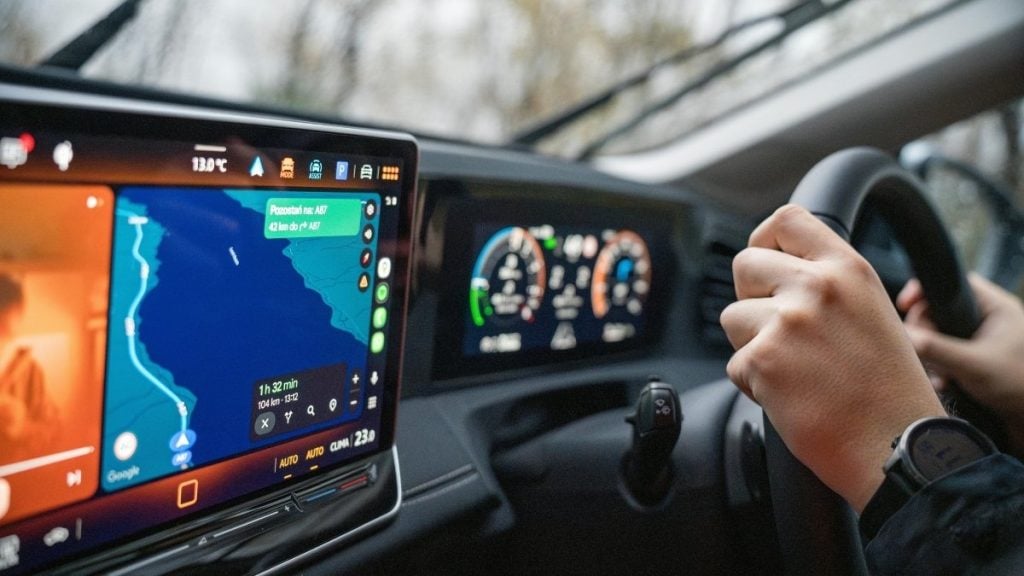
Renting an EV can help drivers test ownership before buying
For many travelers, renting an electric vehicle is also a practical way to experience EV ownership before committing to buying one. A short dealership test drive only reveals so much, while renting an EV for a few days can provide a more realistic sense of charging habits, battery range, driving comfort, and everyday usability.
That longer experience can help drivers understand whether an electric vehicle actually fits their lifestyle, commute, or travel habits before making a larger financial decision.

How EV rentals are becoming more accessible
As EV availability continues to expand across the car rental market, travelers now have more opportunities to find electric vehicles in a wider range of destinations — not just major urban centers.
On Turo, guests can browse electric vehicles across different price points, battery ranges, and vehicle types. Travelers can compare specific models, review charging details, and choose a vehicle that fits the type of trip they’re planning rather than relying on a general rental category.

Why more travelers are trying EV rentals
The growing interest in electric car rentals reflects several broader travel and transportation trends:
- Drivers looking to reduce fuel costs during trips
- Travelers interested in lower-emission transportation options
- Increased familiarity with public charging infrastructure
- Curiosity about EV ownership before making a purchase decision
- Growing availability of electric SUVs, sedans, luxury vehicles, and crossovers
For some travelers, renting an EV is primarily about practicality and cost savings. For others, it’s a chance to experience newer vehicle technology and see how electric driving fits into everyday travel.
Why Turo is a great way to try an EV rental
An extended test drive
Renting an electric car on Turo gives you a more realistic feel for electric driving than a quick test drive. You can book a specific model, spend a few days with it, and see how it handles the kinds of plans you already have: commuting, errands, weekend travel, airport runs, or a longer drive.
Spending more time behind the wheel can answer many of the practical questions drivers have about EV ownership. You get a better sense of whether the battery range fits your driving habits, how charging works during everyday travel, and whether the overall driving experience suits your preferences. It’s also a chance to see how the vehicle handles real-world needs like luggage space, passengers, child seats, or longer drives beyond a short test route.

Electric vs. gas cars for road trips
Many travelers choose electric car rentals for road trips as a way to reduce fuel costs during periods of high gas prices while also enjoying a quieter, smoother drive. Many electric vehicles include modern features like driver assistance technology, built-in charging navigation, and spacious interiors that can make longer trips more comfortable.
That said, gas-powered vehicles may still be the better fit for routes with limited charging infrastructure or very long driving days. The right option depends on your route, charging access, and how you plan to travel.
On Turo, guests can compare EV models by size, range, and features to find a vehicle that fits the type of road trip they’re planning.
What to know before renting an electric car
Renting an EV can offer lower driving costs, zero tailpipe emissions, and a driving experience that feels quieter and more modern than a traditional gas-powered car. The biggest drawback is that charging takes more planning than filling a tank.
Charging takes more planning than a gas car
Unlike a gas station, charging availability can vary depending on your route and destination, so planning ahead is especially important for longer drives.
A little research and planning goes a long way in avoiding some of the common challenges first-time EV drivers can face.
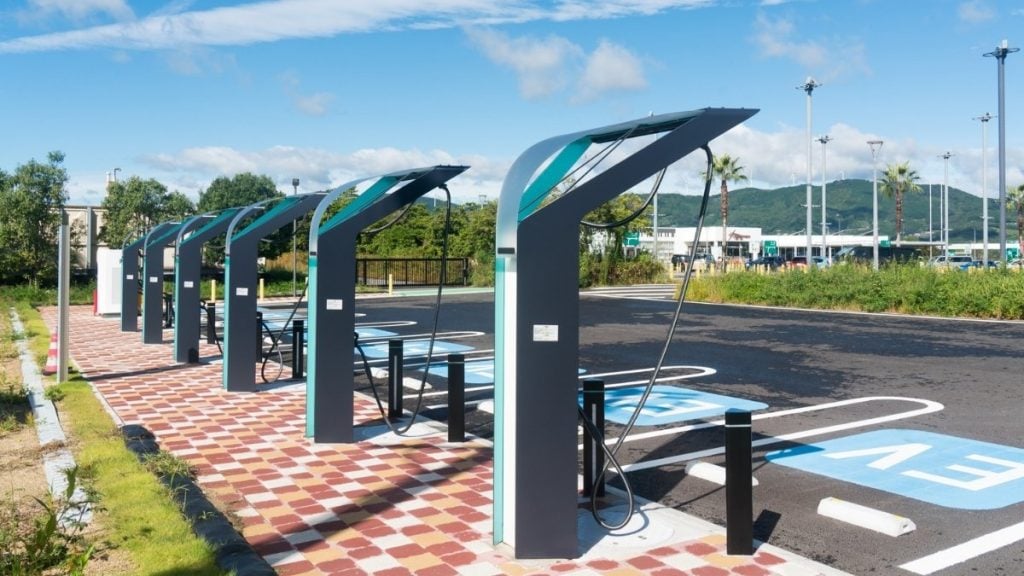
Battery range can vary depending on driving conditions
Range should be one of the first things you check before booking. Look at the estimated range in the listing, then think about how you’ll drive. Highway speeds, cold weather, heat, hills, and heavy use of climate controls can all affect battery performance.
Charging is the next piece. A gas stop takes a few minutes, while EV charging can take longer, especially if you’re not using a fast charger. Before booking, check where chargers are located near your hotel, destination, or planned route.
Learning the charging basics before pickup helps
Before your trip begins, it can help to learn a few basics about the vehicle. Know the charging port type, how to start a charging session, how the car displays battery percentage, and what is expected upon return.
That small amount of preparation can help avoid confusion during the trip, especially at unfamiliar charging stations.
How to plan your trip with an EV rental
Planning ahead can make an electric car rental much easier, especially for longer drives. Before your trip, check for charging stations near places you already plan to visit, like hotels, restaurants, shopping centers, or your final destination.
For shorter city trips, charging may require very little extra planning. Regenerative braking, shorter driving distances, and overnight charging access can make daily use feel fairly seamless. For longer road trips, it helps to map out charging stops ahead of time and leave some flexibility in your schedule.
It’s also worth reviewing the vehicle listing carefully before booking. Many Turo listings include useful details about charging expectations, adapters, recommended apps, nearby chargers, and preferred return battery levels.
Common EV rental questions
Will charging an EV be inconvenient?
That depends on the type of trip. Shorter drives and city travel are usually easier to manage, especially in areas with reliable charging infrastructure. Longer routes often require more planning, particularly in regions with fewer fast chargers.
How much EV range do you need?
It’s usually best to choose an electric car with more range than your estimated daily driving needs. Weather, traffic, elevation, and driving speed can all affect battery performance, so having extra range can make the trip less stressful.
Are EVs practical for road trips?
Electric vehicles can work well for road trips if the route includes dependable charging access and you’re comfortable planning stops ahead of time. For remote destinations or very tight schedules, a gas-powered vehicle may still be the simpler option.
Can renting an EV save money compared to a gas car?
In many cases, yes. Electric cars often cost less per mile to operate than gas-powered vehicles, especially during periods of high gas prices. However, total trip cost can still vary depending on rental price, charging costs, driving distance, and where you charge.
What happens if an EV runs out of battery?
Running out of battery can interrupt the trip and may require roadside assistance, similar to running out of gas in a traditional vehicle. Planning charging stops ahead of time and avoiding extremely low battery levels can help reduce that risk.
Hybrid car rentals as an alternative to gas cars and EVs
Hybrid vehicles can offer a practical middle ground between traditional gas-powered cars and fully electric vehicles. Because hybrids combine a gas engine with an electric motor, they often improve fuel economy without requiring drivers to plan trips around charging stations.
For city driving, stop-and-go traffic, and shorter commutes, hybrids can help reduce fuel use while still offering the familiarity and flexibility of a gas-powered vehicle. Fuel savings will vary depending on the model, route, traffic conditions, and driving habits.
For travelers who want fewer gas stops and better fuel efficiency without fully committing to an EV rental, a hybrid can be a useful alternative.
Find your EV rental on Turo
Choosing between a gas car and an electric car rental has become a much more common travel decision. EV rentals have already moved into everyday travel, especially for guests who want lower driving costs, a quieter ride, or a real chance to test out electric driving before buying.
If you’re curious about EVs, Turo gives you a flexible way to try one for a trip, compare models, and see how electric driving fits into your plans.
Browse EVs on Turo and find the right car for your next trip.
Share your car, earn extra cash
Cover your car payments or earn some extra cash by sharing your car whenever you’re not using it.
Get startedHit the road
Browse thousands of cars for every occasion and budget near you, or wherever you’re going.
Browse cars
Ella Bergquist
Ella is a travel and automotive writer with four years of hands-on experience road-tripping across three continents. She has logged thousands of miles behind the wheel testing open-air 4x4s, most notably a Ford Bronco along California's Pacific Coast Highway and a Jeep Wrangler across the iconic Seven Mile Bridge in the Florida Keys, and brings that firsthand perspective to every rental car content she writes. A self-described convertible SUV obsessive, Ella specializes in off-road-capable vehicles and adventure-focused itineraries. Her reporting goes beyond spec sheets: she evaluates how a vehicle actually feels on winding coastal highways, unpaved trails, and narrow European streets. On a recent trip through Italy and France, she put a Fiat 500 through its paces navigating centuries-old city centers, an experience she draws on when advising travelers on right-sizing their rental for the destination. Her work has helped thousands of Turo renters match the right car to the right trip, whether that's a rugged Wrangler for a Gulf Coast adventure or a nimble European hatchback for cobblestone-friendly travel abroad.