by Turo
posted on January 18, 2026
The Edmonton to Yellowknife drive cuts straight north through the boreal forest, across rivers and long stretches without towns or traffic lights. This road trip guide shares practical planning tips, great stops, and advice to help you handle the distance and enjoy the adventure!
In this guide, we’ll be covering:
- Tips for driving from Edmonton to Yellowknife
- How are the road conditions between Edmonton and Yellowknife?
- What is the best time of year to drive from Edmonton to Yellowknife, NWT?
- Are there EV chargers along the way between Edmonton and Yellowknife?
- Where to stop while driving from Edmonton to Yellowknife, Northwest Territories
- Frequently asked questions about the Edmonton to Yellowknife road trip
- Book your rental car in Edmonton with Turo
Tips for driving from Edmonton to Yellowknife
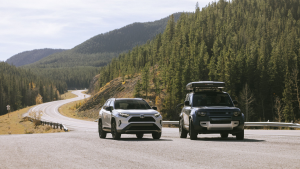
The drive from Edmonton to Yellowknife is roughly 1,500 kilometres and takes 18 to 20 hours without long stops. Fuel up often, even when the tank isn’t low; services thin out fast once you pass northern Alberta. Wildlife crossings are common, especially near dusk, so keep speeds steady and eyes on the road.
How are the road conditions between Edmonton and Yellowknife?
Most of the route follows paved highways, with the final stretch north of the Alberta border transitioning to well-maintained gravel in places. Road quality is solid, but conditions can change quickly due to weather or maintenance. Expect fewer lanes, limited shoulders, and long gaps between rest areas.
What is the best time of year to drive from Edmonton to Yellowknife, NWT?
Late June through early September offers the most reliable conditions. Summer brings long daylight hours and open services along the route. Fall comes quickly up north, and winter driving is not for the faint of heart. Spring can mean soft gravel and unpredictable closures.
Are there EV chargers along the way between Edmonton and Yellowknife?
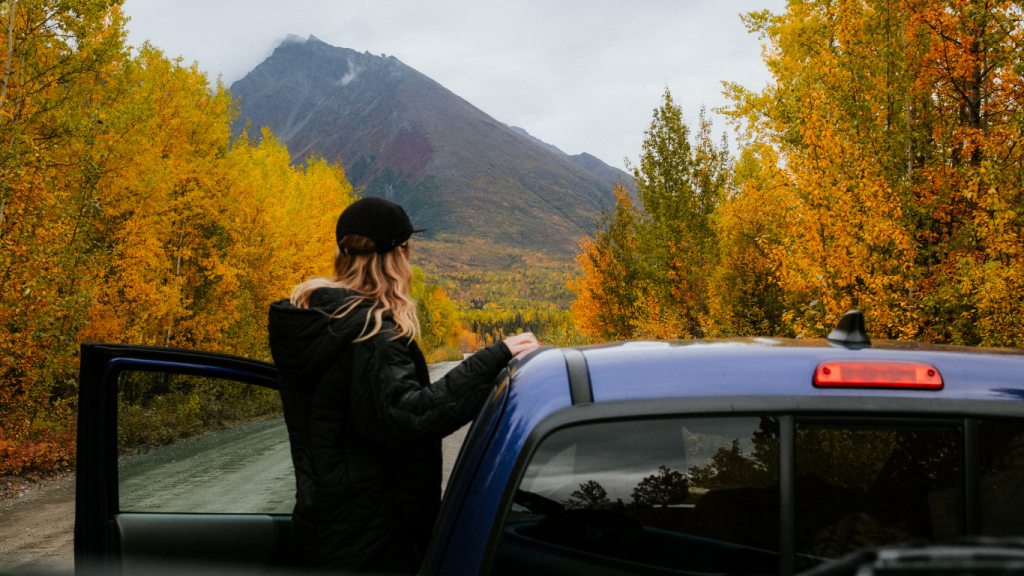
Charging stations are limited but available with careful planning. Edmonton, High Level, and Hay River offer the most reliable options. Beyond those points, distances between stations get longer. If you’re interested in driving an EV, charge early and top up whenever possible.
Where to stop while driving from Edmonton to Yellowknife, Northwest Territories
Driving from Edmonton to Yellowknife, Northwest Territories, takes you across some of the most remote landscapes in Canada. The awe-inspiring power of the Canadian North definitely deserves a spot on your ultimate road trip bucket list!
Fort Vermilion, AB
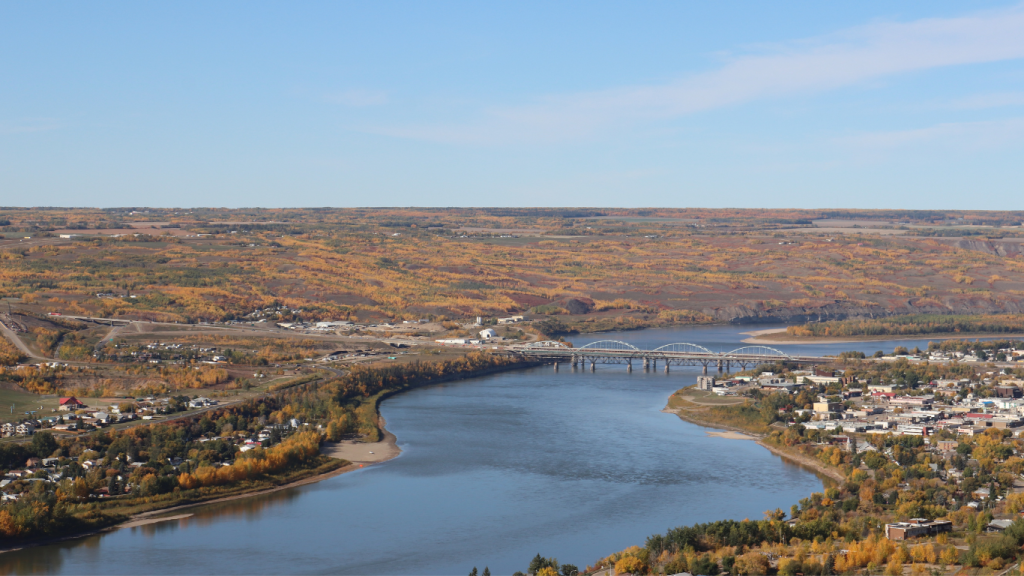
Fort Vermilion sits on the banks of the Peace River, where the highway meets one of northern Canada’s most important waterways. The wide river valley, historic ferry crossing, and elevated viewpoints mark a clear shift from farmland to the boreal forest that pulls you north.
- Distance from Edmonton: ~650 km (~7 hours)
- Distance to Yellowknife: ~850 km (~10–11 hours)
Why it’s great
Stop here for a nice meal, a night’s rest, and your first whiff of fresh northern air.
Practical tips
Top up fuel here and grab anything you’ll want for the next long stretch. Services thin out fast once you leave town, and the weather can shift quickly along the river.
How to get there
Follow Highway 43 northwest from Edmonton, then continue north. Starting with an Edmonton airport car rental from Turo makes it easy to leave on your own schedule. A comfortable SUV suits the long highway run, and reliable options from Toyota or Ford give you the range and space you’ll want for the miles ahead.
Alexandra Falls Territorial Park
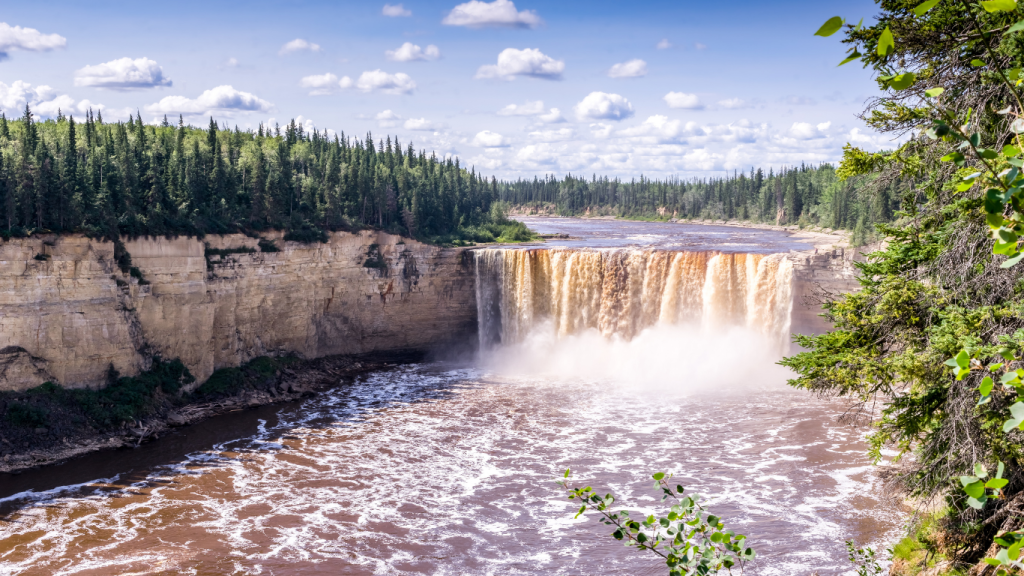
Just off the highway past the Northwest Territories border, the Hay River drops in a wide curtain over a rock ledge, creating the famous Alexandra Falls. A short access road leads to viewpoints above and below the falls, so you can reach it without hiking deep into the backcountry.
- Distance from Edmonton: ~1,100 km (~12 hours)
- Distance to Yellowknife: ~400 km (~5 hours)
Why it’s great
You can stand right next to the river as it spills into a gorge, not look at it from a distance. The scale and power of it rival even some of the best parks in Alberta.
Practical tips
The access road is gravel and can be uneven after rain. There’s nothing separating you from the force of nature, so bring sturdy shoes and be very cautious of your footing.
How to get there
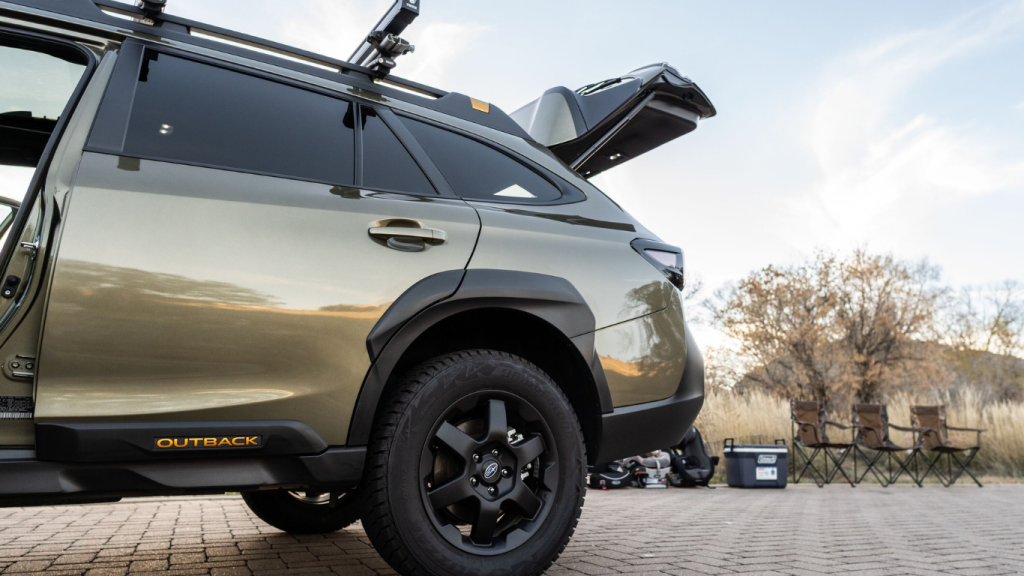
Continue north toward Enterprise and follow the signs for Alexandra Falls. The final stretch includes gravel and loose surfaces, where extra traction helps. Make your Edmonton rental car an all-wheel drive vehicle for better stability and control. Models from Jeep or Subaru will keep you confident behind the wheel.
Hay River, NWT
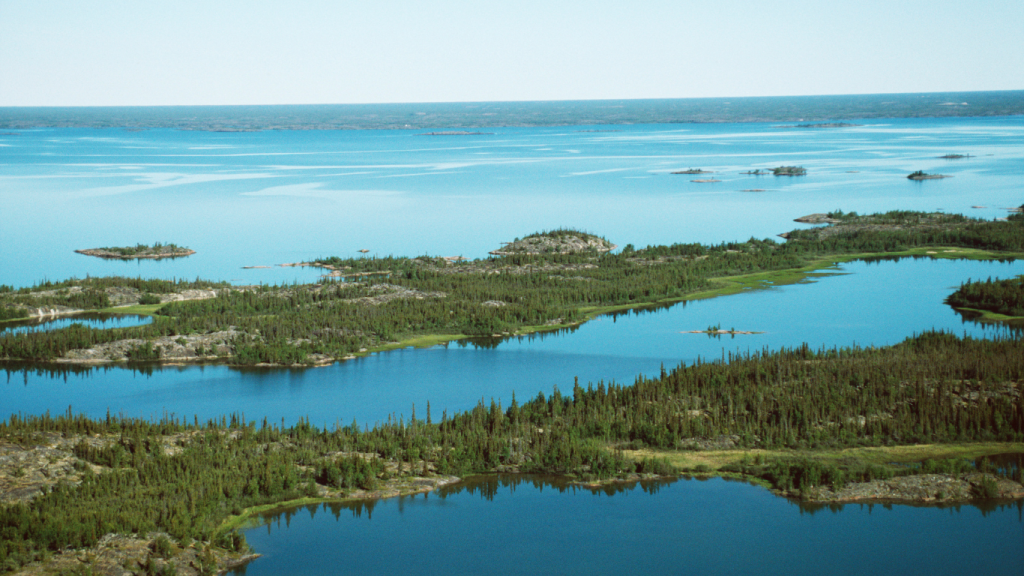
Where the Hay River meets the southern edge of Great Slave Lake sits the town of Hay River. It’s the first place on the drive where you can walk down to the shoreline of one of the largest lakes in the world and see open water stretching far beyond the horizon.
- Distance from Edmonton: ~1,300 km (~14 hours)
- Distance to Yellowknife: ~300 km (~3.5 hours)
Why it’s great
You can quickly reach the banks of Great Slave Lake. The waterfront, river mouth, and long views across the lake make this stop feel unlike anything earlier on the drive.
Practical tips
This is a good place to restock food and check conditions ahead. Winds off the lake can be strong, and temperatures often feel cooler near the water.
How to get there
Continue north, then follow Highway 5 into Hay River. This stretch is one of the most practical parts of the route for electric vehicle drivers. Options from Tesla or Chevrolet provide efficient range while keeping the drive quiet and smooth along the lakeshore.
North Arm Territorial Park
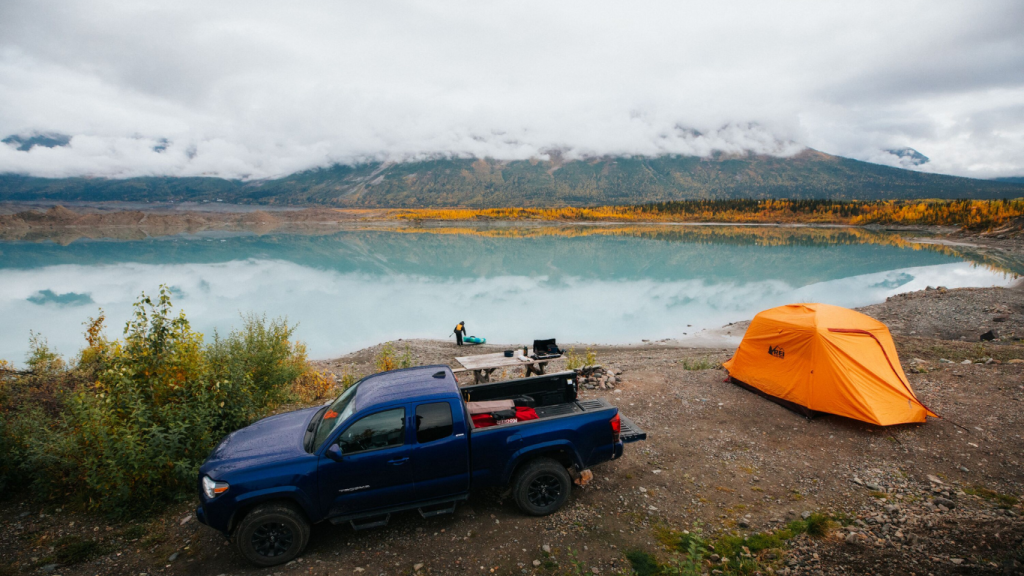
North Arm Territorial Park runs along a quiet stretch of Great Slave Lake’s western shoreline, with pullouts and picnic areas right off the highway. You can step out of the car and be on exposed rock and lakeshore within minutes, with open water and distant islands in view.
- Distance from Edmonton: ~1,450 km (~16 hours)
- Distance to Yellowknife: ~120 km (~1.5 hours)
Why it’s great
This is one of the few places on the drive where you can reach Great Slave Lake directly by road and spend time on the shoreline. The scale of the lake is nothing short of breathtaking.
Practical tips
Facilities are limited, so bring water and food with you. Wind off the lake can be strong, and weather can change quickly along the exposed shore.
How to get there
Follow Highway 3 north from Hay River toward Yellowknife. The park is well-suited to longer stops and slow wandering, especially if you’re planning a family road trip. A van or minivan rental from Nissan or Chrysler gives you space to spread out, store food, and move comfortably between stops.
Yellowknife Old Town, Northwest Territories
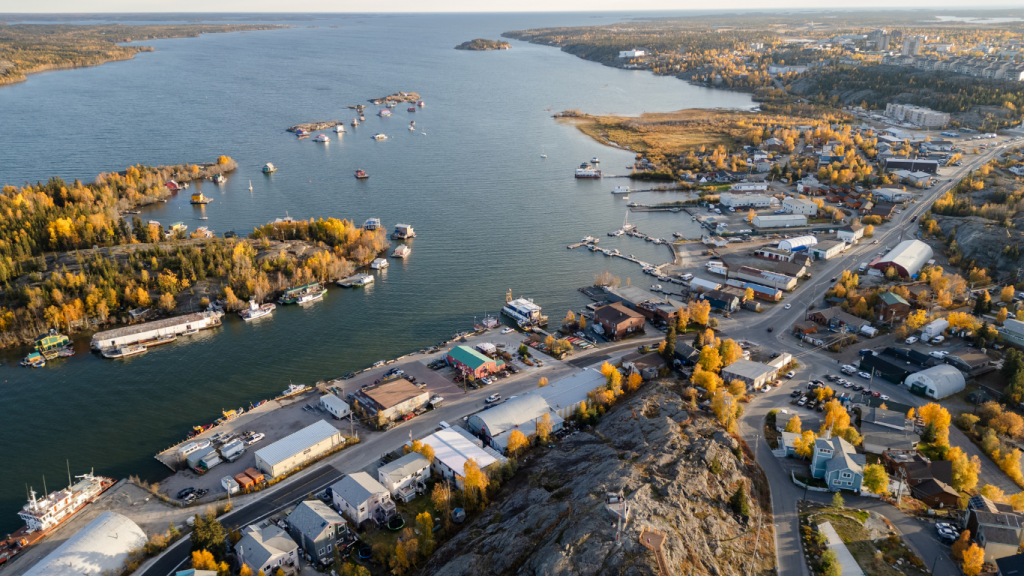
Yellowknife Old Town sits on the edge of Back Bay, where rock outcrops, houseboats, and wooden docks meet the end of the highway. This is where the drive comes to an end, and the city opens onto Great Slave Lake, with water, sky, and historic buildings all within a few blocks.
- Distance from Edmonton: ~1,500 km (~18–20 hours)
Why it’s great
Old Town shows how Yellowknife grew around the lake. You can walk from the road to the water in minutes and watch floatplanes, boats, and people moving through the bay.
Practical tips
Take time to explore on foot once you arrive. Weather shifts quickly near the water, and evenings can cool off fast, even in summer.
How to get there
Follow Highway 3 north until it ends in Yellowknife, then continue into Old Town along the lakefront. For a drive this long, you’ll want to travel in something smooth and comfortable. Make your car rental a luxury car from BMW, Mercedes-Benz, or Porsche, and you’ll arrive in town fresh and ready to explore!
Frequently asked questions about the Edmonton to Yellowknife road trip
Where is Yellowknife?
Yellowknife is the capital of the Northwest Territories, set on the northern shore of Great Slave Lake in Canada’s subarctic. It sits at the end of Highway 3, with no road continuing farther north from the city.
Yellowknife Airport connects the city to Edmonton and other northern communities, and most visitors arrive by air or by driving the full route north. Book your Edmonton airport rental car with Turo and get out on the road as soon as you land!
Can you drive from Edmonton to the Northwest Territories?
You can drive from Edmonton directly into the Northwest Territories using public highways. The route crosses the Alberta border near Fort Smith and continues north toward Hay River and Yellowknife without requiring ferries or seasonal ice roads.
Is the highway to Yellowknife paved?
Most of the drive is paved, including the entire stretch from Edmonton to Hay River. North of Hay River, sections of Highway 3 include gravel, though they are regularly maintained and accessible for standard vehicles in normal conditions.
Is it safe to drive to Yellowknife in winter?
Winter driving is possible, but it requires preparation and experience. Expect snowpack, icy surfaces, and extreme cold. Drivers should carry emergency supplies, monitor road reports closely, and allow extra time for changing conditions.
Is it worth going to Yellowknife?
Absolutely! The city blends Indigenous culture, a working waterfront, and a strong creative scene, all set against the open shoreline of Great Slave Lake. Long summer days, winter auroras, and easy access to lakes and trails make it a place that stays with you long after you leave.
Book your rental car in Edmonton with Turo
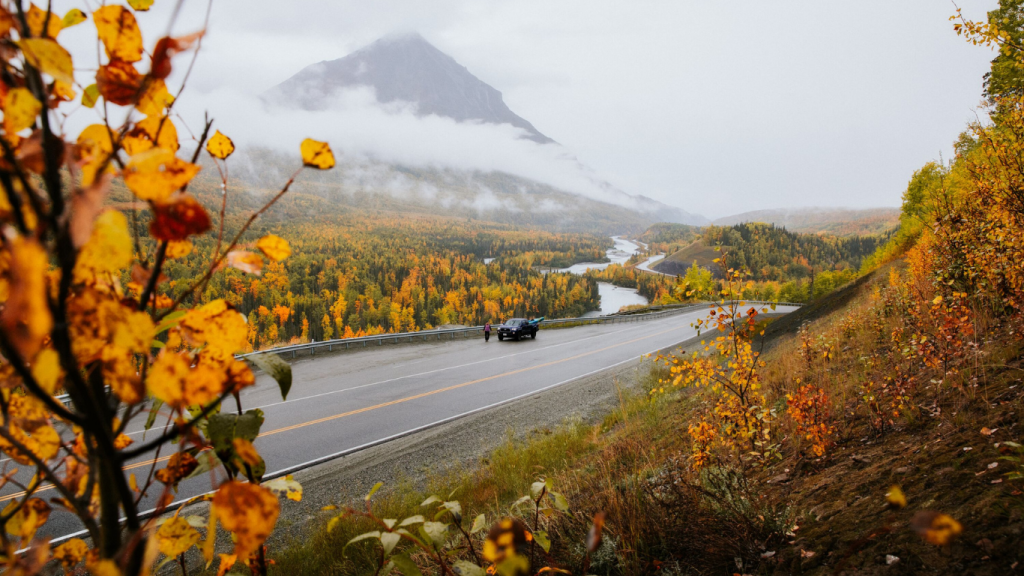
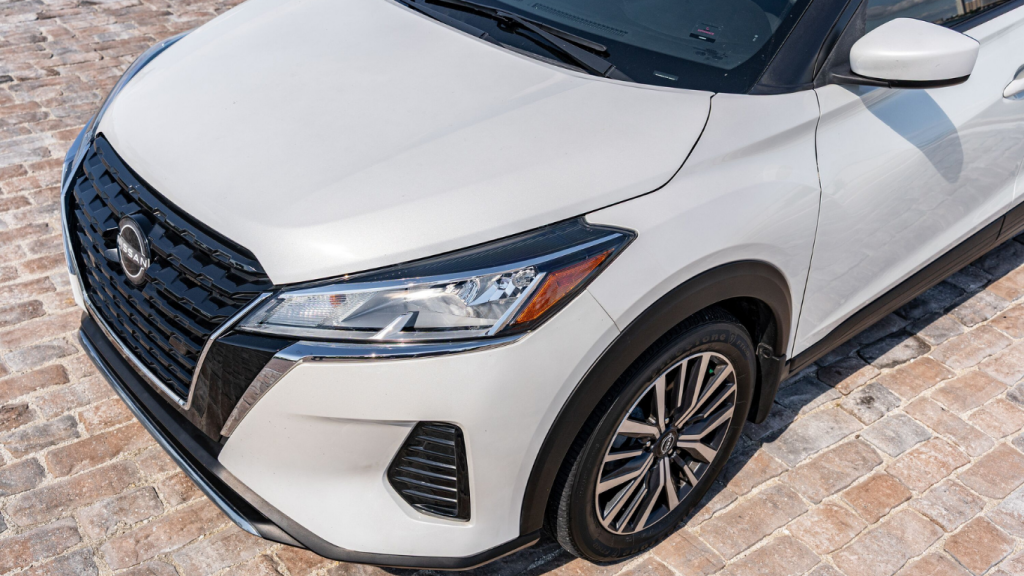
This drive asks more of your vehicle than most Canadian road trips. With Turo, you choose a car that matches the distance, the conditions, and how you want to travel, not whatever’s left on the lot. Skip the rental counter, set up delivery when and where it works for you, and hit the road on your own schedule!
Feeling inspired? Pitch a Trip and let Turo sponsor your vehicle rental to turn this adventure into a reality! Whether you’re a storyteller, photographer, or just love to travel, this could be your chance to share your experience with the world.