by Neya Abdi
posted on January 31, 2022
Gearing up for an electric vehicle test drive? Here’s everything you need to know.
The electric vehicle market is heating up. By 2026, it could be worth an estimated $725 billion. These environmentally-friendly modes of transportation are no longer the plaything of early adopters; they’re on the road to becoming a mass market product.
Of course, as a consumer, you still want some reassurance that you’re making a good investment. After all, your car helps you get from Point A to B on a daily basis whether you’re headed to work, dropping your kids off at school, or going grocery shopping. That means you want something that’s reliable, affordable, and worth the investment. So it makes sense that you’d want to know more about electric vehicles before dropping tens of thousands (or even hundreds of thousands) on a new set of wheels.
This article will give you a high level overview of everything you need to know about electric vehicles:
- What does EV stand for?
- Who invented the electric vehicle?
- Why are electric vehicles better for the environment?
- Are electric vehicles sustainable?
- Are EV batteries bad for the environment? How are EV batteries recycled?
- How much is it to charge an electric vehicle?
- How much time does it take to charge an electric vehicle?
- Can other EVs charge at a Tesla supercharger?
- Are electric vehicles cost-effective?
- Are electric vehicles reliable?
- Are electric vehicles safer?
- How much do electric vehicles cost?
- What is the best EV on the market?
- What electric vehicle has the longest range?
- How do you drive an EV?
- Try before you buy with Turo
What is an electric vehicle?
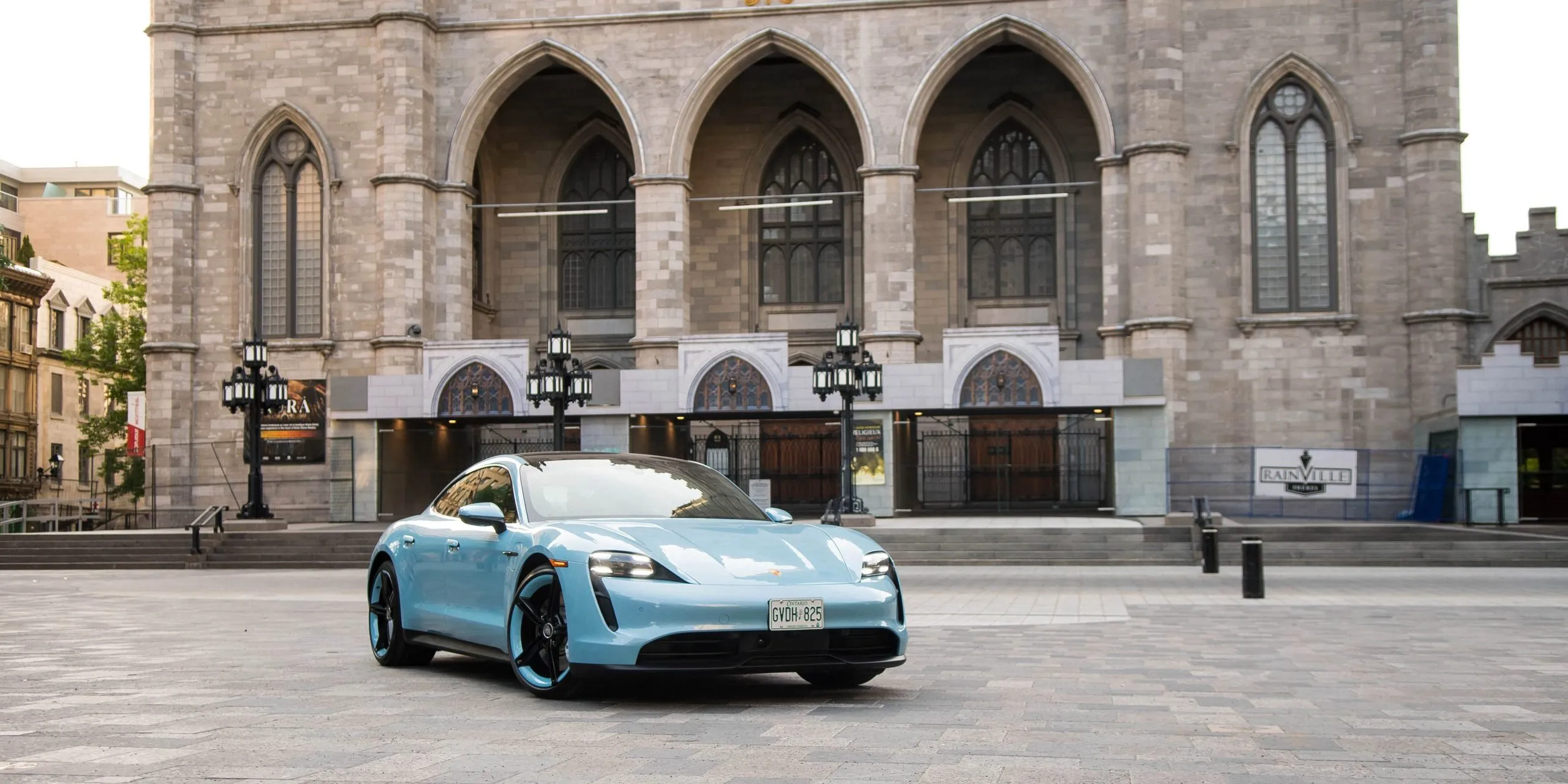
If you’re scratching your head and thinking, “I’m not exactly sure what an electric vehicle is in the first place,” don’t sweat it. Here’s a stripped down, high-level overview of what exactly an EV is.
What does EV stand for?
EV stands for electric vehicle. In conventional vehicles, or internal combustion engine vehicles, fuel and air mix together and create small combustions that power the car. On the other hand, electric vehicles store electricity in rechargeable batteries and these batteries power the car.
Who invented the electric vehicle?
A number of people contributed to the creation of electric vehicles including inventors like Thomas Davenport, Michael Faraday, Gaston Planté, and Thomas Parker. Believe it or not, electric vehicles are not a 21st century invention. They were first invented in the 1800s! The problem was that they didn’t go very far, which was okay until advanced infrastructure projects and urbanization increased the distance people needed to efficiently travel. When Henry Ford figured out how to mass produce gas-powered vehicles, electric vehicles were officially kicked out of the race as car manufacturers realized there was no market for EVs.
In the 21st century, technology has advanced far enough to overcome many of the technical and cost limitations that plagued electric vehicles’ mass production and adoption in the 20th century. Plus, increased awareness around climate change has incentivized research and development into this sustainable mode of transportation.
Are electric vehicles really green?

Despite the excitement around electric vehicles, there are some questions around how green they really are. The answer is more complicated than a simple yes or no. While electric vehicles are more environmentally-friendly than gas-powered vehicles, there are some challenging elements that car manufacturers and cities at large will need to address to make them a truly sustainable solution.
Why are electric vehicles better for the environment?
Experts agree that electric vehicles are much more environmentally friendly than combustion engine cars, primarily because they don’t produce the same amount of emissions that gas or diesel cars do. That said, electric vehicles can still have a detrimental impact on the environment based on how the electricity that’s powering them is produced.
The solution is more sustainable and efficient power generation methods and electricity grids. There’s also the issue of mining and processing the raw materials that are used to produce electric vehicles, particularly materials such as cobalt. Finally, there’s the issue of disposing of electric vehicle batteries, which currently cannot be easily recycled. So while electric vehicles are much more environmentally friendly than gas-powered vehicles, there’s still a lot of progress EV manufacturers can make in that regard.
Are electric vehicles sustainable?
This depends on the activities around electric vehicles. While electric vehicles themselves produce fewer harmful emissions, there are still several unsustainable practices around how these vehicles are produced, charged, and disposed of.
Production
While electric vehicles are a rather impressive piece of technology, they aren’t the most sustainable item to produce. Electric vehicle batteries are made out of metals like lithium, cobalt, and nickel. Mining these metals generates a huge carbon footprint.
Charging
When you charge your EV, you need to use electricity. How sustainable this is depends on where the electricity is coming from. Many countries, such as China and the United States, use coal to produce electricity and coal is a big producer of carbon pollution. So while electric vehicles may help us move away from fossil fuels, it will be replaced by an increased consumption of coal-powered electricity. Some electric vehicles hold ten times more power than an average household uses in a single day. And the harsh chemicals used for lithium mining have also caused pollution.
Disposal
Then there’s the issue of getting rid of worn out EV batteries. Unless governments, companies, and researchers figure out what to do with these items, they’ll wind up sitting in scrapyards, potentially contributing to pollution and fires.
Are EV batteries bad for the environment? How are EV batteries recycled?
Over 12 million tonnes of electric vehicle batteries are expected to expire by 2030. This will lead to an enormous amount of electric waste and potential pollution. Plus, lithium batteries can spark enormous fires. That said, researchers and companies are looking for ways to make these batteries more sustainable.
One solution is figuring out how to get more use out of the batteries before they’re disposed of. While a used-up battery may not be able to continue powering a car, it could be used to store excess power generation produced by solar or wind energy.
Another solution is to reuse the valuable metals inside the retired batteries. The process to recycle EV batteries is challenging, but with large scale investment and incentives it can be done. And the rewards are huge. According to research out of the University of California, Davis, “recycled materials could supply more than half of the cobalt, lithium, and nickel in new batteries by 2040, even as EVs get more popular.”
Charging an electric vehicle

Out with the gas, in with the electricity. But how exactly does all of that work? And how much will it cost drivers? While there’s a bit of a learning curve, there’s one big exciting change new EV drivers can look forward to: how much cheaper it is to fill up with electricity as opposed to gas.
How much is it to charge an electric vehicle?
On average, in 2020 it costed about $277 CAD to charge an electric vehicle in Canada. This calculation is based on average price per kWh, average mileage per driver, and, on average, how far an electric vehicle can travel on a full charge. Altogether, Canada is one of the most inexpensive countries for driving an electric car since our electricity is comparatively cheaper than some other countries, depending on what part of Canada you live in. By comparison, someone driving a traditional car in Ontario, the most expensive province to drive in, spends about $2,098 on fuel per year.
The exact costs depend on each province’s electricity rate if you’re charging at home. At stations, it depends on specific station owners. For instance, Petro-Canada offers competitive, time-based pricing that varies by province. You can also use CAA’s Driving Cost Calculator for more specific calculations.
Canada Drives offers a few examples of costs you can expect based on your car and the province you’re driving in. In Ontario, a 2021 Tesla Model 3 (Long Range) sedan will cost its owner about $375 per year. Meanwhile, someone in British Columbia cruising around in a 2021 Nissan Leaf Plus SV 5D will pay about $550 per year.
How much time does it take to charge an electric vehicle?
How long it takes to charge your car depends on the car itself and the “level” of charge. There’s Levels 1, 2, and 3, when it comes to charging. Level 1 offers a 120-volt connection while Level 2 offers a 240-volts connection. The higher the level, the faster the harge. Level 1 and Level 2 connections are what’s available at most homes and charging stations across the country.
Level 3 charging, also known as DC Fast Charging, calls for an adapter that is a combination of the Level 1 and Level 2 charging ports.
Then there’s the Tesla Superchargers. These impressive machines offer 320 kilometres of range in 15 minutes. That said, only Tesla owners enjoy this privilege (with a small exception in the Netherlands).
Canada Drives offers a few examples of charging times for different vehicles.
Can other EVs charge at a Tesla supercharger?
Generally speaking, not yet. Most Tesla charging stations around the world are still exclusively for Tesla drivers. However, there are pilot projects that allow non-Tesla owners in the Netherlands to use the Tesla charging stations. In a 2021 blog post written by Tesla, they explained the intention behind the project: “It’s always been our ambition to open the Supercharger network to Non-Tesla EVs, and by doing so, encourage more drivers to go electric. This move directly supports our mission to accelerate the world’s transition to sustainable energy”.
Is it worth switching to an electric vehicle?

Here’s the million-dollar question: Is it worth switching to an electric vehicle? If you’re going to swap out one of the most important and functional items in your life, you need to know that it’s a) reliable, and b) affordable. Let’s get into it.
Are electric vehicles cost-effective?
If your main consideration is cost, there are several variables you’ll need to consider before deciding whether to purchase an electric vehicle.
- How many kilometres per year you drive
- The price of gasoline in your area
- Whether you want a more budget-friendly electric vehicle or a luxury car like a Tesla
- What kinds of rebates your provincial government offers
- Whether you’ll need to invest in a home charger
- How long you’re planning to keep your vehicle
- What you usually use your car for, such as towing a trailer
- The climate of the area you live in
Altogether, this will help you determine the total cost of ownership, or TCO, of your vehicle. CAA’s Driving Costs Calculator, or one of several online calculators, can help you figure this out.
Are electric vehicles reliable?
Canadians are still a little hesitant about electric vehicles, and more than 86% saying they’ve never driven one. That said, that doesn’t mean they aren’t reliable. They’re just new, which means it’ll take time for people to warm up to them.
On the one hand, electric vehicles have an advantage when it comes to reliability, because they have fewer parts that wear out. Meanwhile, internal combustion engine vehicles need regular oil changes, spark plug replacements, and much more.
That said, there are still recurring issues with electric vehicles because there’s a learning curve for automakers who’ve spent a century perfecting internal combustion engine vehicles, but don’t have the same level of experience with electric vehicles.
Ultimately, it depends on the brand you choose. For instance, the Chevrolet Bolt is considered one of the most reliable electric vehicles, and experts say it’s because General Motors started producing electric cars over two decades ago, giving them an edge.
Are electric vehicles safer?
So far, electric vehicles are considered just as safe as traditional vehicles. In some cases, depending on the type of car, they’re deemed safer. In fact, one study found that between 2011 and 2019, injury claims for drivers and passengers of electric vehicles were 40 percent lower than claims from people in comparable conventional models. While there has been some fear of lithium-ion battery-fuelled fires, the risk is quite minimal with the chances of fire only one in 100 million so long as the batteries are used correctly.
How much do electric vehicles cost?
As with traditional, internal combustion vehicle engines, there are a wide range of pricing options available for electric vehicles. You can splurge on a Tesla Model X that has an MSRP of $124,990 or you can save by buying a Nissan LEAF that has an MSRP of $37,498 (according to 2021 data).
Choosing your electric vehicle

You’re about 80% convinced that it’s time to make the change to an electric vehicle, but the market is completely unfamiliar to you. While you have a basic understanding of the makes and models available in the traditional car market, you have no clue where to start in the EV market. No need to worry. We’ll get you on your way.
What is the best EV on the market?
Ultimately, the “best” depends on a range of variables such as your price point and what you plan to do with the car. Driving.ca offers a helpful breakdown of the best electric vehicles for different purposes:
| Category | Electric Vehicle |
| Best overall plug-in | Toyota RAV4 |
| Best for the budget-conscious hybrid | Toyota Corolla |
| Best all-new EV | Ford Mustang Mach-E |
| Best budget-conscious EV | Hyundai Kona EV Chevrolet Bolt |
| Best luxury battery-electric | Porsche Taycan |
| Best off-road plug-in hybrid | Jeep Wrangler |
What electric vehicle has the longest range?
The EV with the longest range is the 2022 Lucid Air Dream Edition, with a whopping 520 miles or 836 kilometers of max range. But it’ll put you back about $170,500 US dollars. But there’s no need to have the longest range. There are several EVs on the market, like the ones mentioned in this blog post, with a reasonable price tag that will get you where you need to be.
How do you drive an EV?
If you’re used to driving an automatic car, then driving an electric vehicle will be very similar and straightforward. Aside from a few differences in how to start the vehicle, you’re pretty much going through the same motions to drive an electric vehicle. The biggest difference is getting used to regenerative braking in electric vehicles. For instance, a Tesla slows down once you take your foot off the accelerator, whereas a regular car will keep gliding until you press on the brakes.
The best way to get used to driving an EV is to test drive one — but a fifteen minute test drive isn’t always enough to get a good feel. Instead, driving an EV for a couple of days can give you a sense of how to artfully drive the car while also building confidence in the range of the vehicle.
Try before you buy with Turo
Turo has a large selection and a wide variety of EV models available. Book your choice of EV today for a chance to give this growing, innovative mode of transportation a spin, so you can try before you buy.
Share your car, earn extra cash
Cover your car payments or earn some extra cash by sharing your car whenever you’re not using it.
Get startedHit the road
Browse thousands of cars for every occasion and budget near you, or wherever you’re going.
Browse cars