posted on 23 November 2023
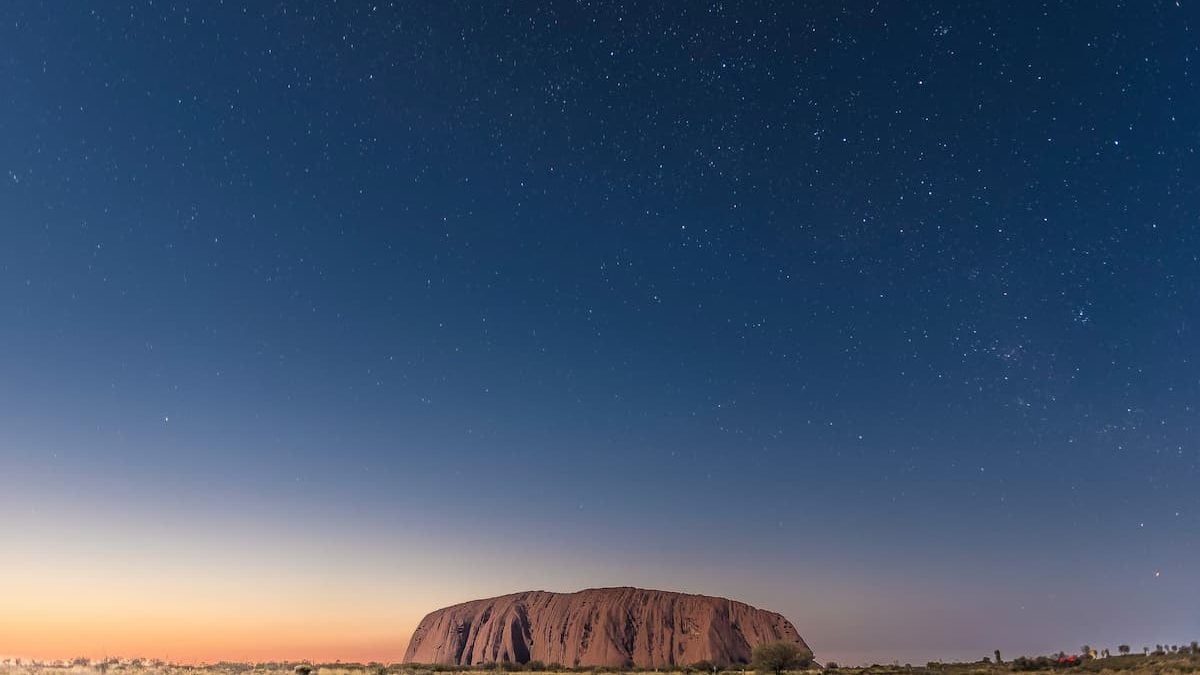
To think of Australia is to conjure images of Uluru. Not only is it a culturally significant landmark, but it’s also one of the nation’s most striking, with its shades of red-gold that change colour with the sun’s position.
When it comes to Australia’s natural beauty, the Outback abounds with rugged landscapes, mountain ranges, and lush rainforests – the hardest part is ticking it all off your list! At over 2,312 kilometres, the Melbourne to Uluru road trip lets you see it all. From jaw-dropping views atop the Grampians to watching the sun light up the Painted Desert, trust me – there’s no shortage of things to see and do on this Australian adventure.
Whether you’re looking to explore popular attractions in the bustling city of Melbourne over a weekend or looking to complete an epic adventure that takes you to the famous Red Centre and Uluru-Kata Tjuta National Park, these landscapes make for an unforgettable experience – and we’ve got you covered with the ultimate Melbourne to Uluru road trip itinerary.
In this guide, we’ll be covering:
- Melbourne to Uluru drive: overview and top tips
- 8-day road trip itinerary
- 14-day road trip itinerary
- Top stops between Melbourne and Uluru (with plenty of pics included)
- Frequently asked questions about the drive
An overview of the Melbourne to Uluru road trip
The drive from Melbourne to Uluru will see you trade stunning coastlines and lush rainforests for ancient Indigenous rock art, red-gold rock formations, and desert landscapes. With so much to see and do, we don’t blame you for wanting to get your adventure on the road!
Looking for some quick answers about the Melbourne to Uluru road trip? We’ve got the answers you need below:
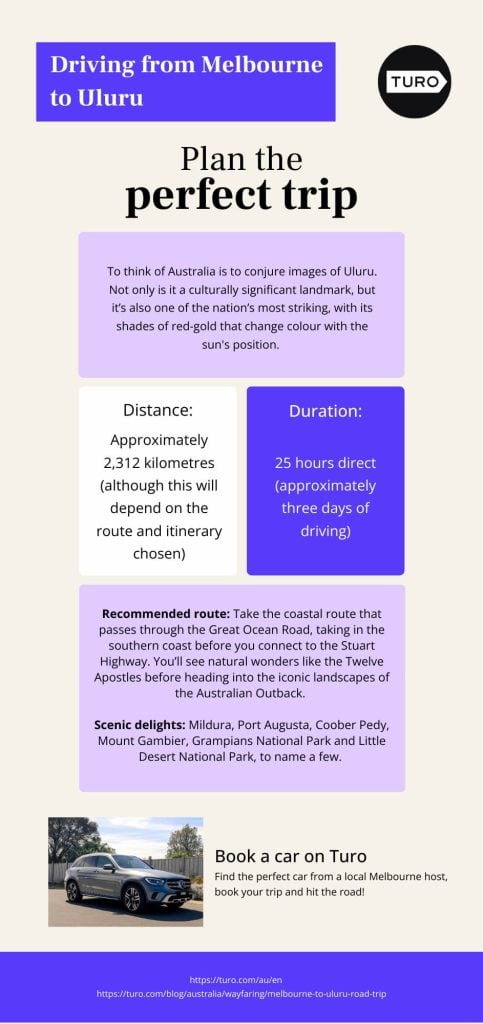
- Distance: approximately 2,312 kilometres (although this will depend on the route and itinerary chosen)
- Duration: 25 hours direct (approximately three days of driving)
- Popular choice: Take the coastal route that passes through the Great Ocean Road, taking in the southern coast before you connect to the Stuart Highway. You’ll see natural wonders like the Twelve Apostles before heading into the iconic landscapes of the Australian Outback.
- Scenic delights: Mildura, Port Augusta, Coober Pedy, Mount Gambier, Grampians National Park and Little Desert National Park, to name a few.
The distance from Melbourne to Uluru
Thinking about exploring the vast Australian Outback and wondering how far Uluru is from Melbourne?
If you’re driving from Melbourne to Uluru directly, you can expect a drive time of 25 hours as you cover the 2,312 kilometres. The Stuart Highway is the most direct route and will see you travel from Melbourne on the Hume Highway to Sydney before heading west to Adelaide. There, you follow the Stuart Highway to Uluru.
For those planning a family holiday or who simply want to take the more scenic route, you’ll drive along the coastline on the Great Ocean Road. Though it will add more kilometres to your journey, the views will be worth it as you take in natural wonders before heading inland into the sparse landscapes that make up the Australian Outback.
Melbourne to Uluru drive time
Uluru lies approximately 25 hours to the northwest of Melbourne. You can expect to see a range of landscapes as you cover more than 2,300 kilometres on the journey. You’ll trade bustling city scenes for stunning coastal views and pristine waters, before heading inland as you drive through Adelaide onto Uluru. There, you’ll be mesmerised by clear night skies before a sunrise that turns the colours of the Outback into a sea of vibrant reds and golds.
Of course, the exact drive time will depend on the route you choose and how many stops you make along the way.
A tip from the author: For those who want to take in the beauty of the Outback and spend time at Uluru learning about its cultural history, it’s recommended to take at least eight days to cover the distance.
Driving conditions: What is the road from Melbourne to Uluru like?
When it comes to driving conditions from Melbourne to Uluru, understanding the road is critical to enjoying your road trip and avoiding the stress of unforeseen hazards. Thankfully, the roads you’ll be driving on are sealed – even those around Uluru and Kings Canyon – which is good news for you and your vehicle.
In the Outback, you’ll find kangaroos and other wildlife roaming on and near the roads. It’s important to drive at a safe speed that leaves adequate time for braking. However, it’s not safe to drive at night. With this being the time that wildlife is most active, it poses greater risks for your safety and can make for a stressful driving experience.
Due to the remote nature of some areas, it’s also advised that you fuel up and carry supplies with you at all times. As you’ll discover, petrol stations in the Outback can be difficult to find. It’s important to check fuel levels and road conditions before departing for your next stop at all times. Though you’ll be able to find amenities in each town, remote stretches might not offer much by way of service.
Petrol stations and EV chargers from Melbourne to Uluru
Petrol stations are located throughout the drive from Melbourne to Uluru, however, the distance between them can be sizeable in some parts of the journey. Take the drive from Adelaide to Port Augusta as an example. With a long distance between stops and limited fuelling options, consider stopping at Port Wakefield and Port Pirie for fuel and other amenities.
If you’re driving an electric vehicle and need to recharge, EV chargers can be found in Melbourne and Adelaide before you head into the Outback. You’ll also find a charging station in Yulara, located just a short drive from Uluru. While EV charging stations are along the route, remember that the infrastructure is less developed in certain areas and that you’ll need to plan ahead. Consider using an app like PlugShare that can alert you to the location and distance between each EV charging station so you’re well prepared.
A tip from the author: If you want to take an EV for a spin on your next road trip from Melbourne, why not book on Turo?
What kind of vehicle is best?
The best vehicle for your road trip depends on what you feel comfortable driving and where you want to visit.
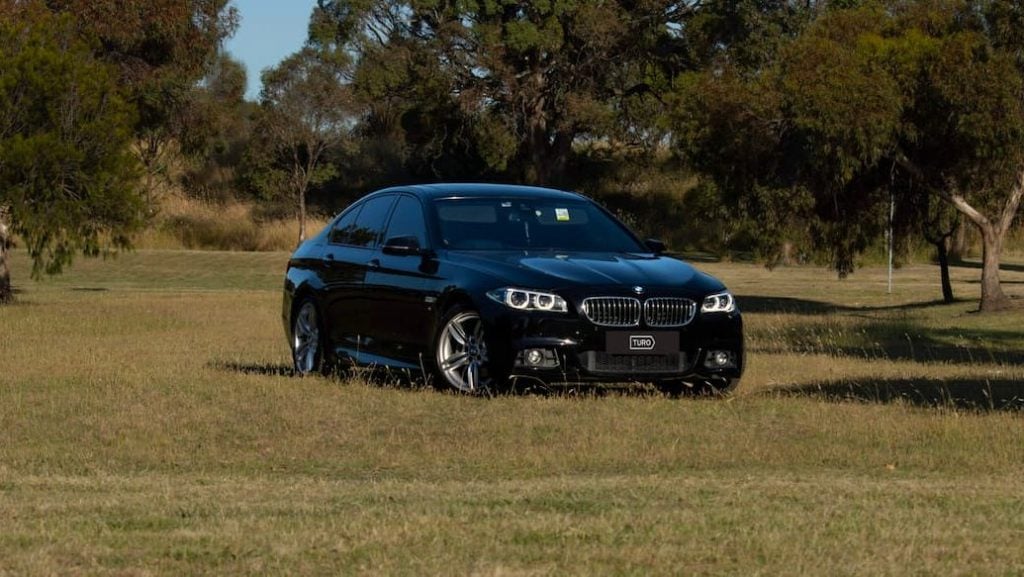
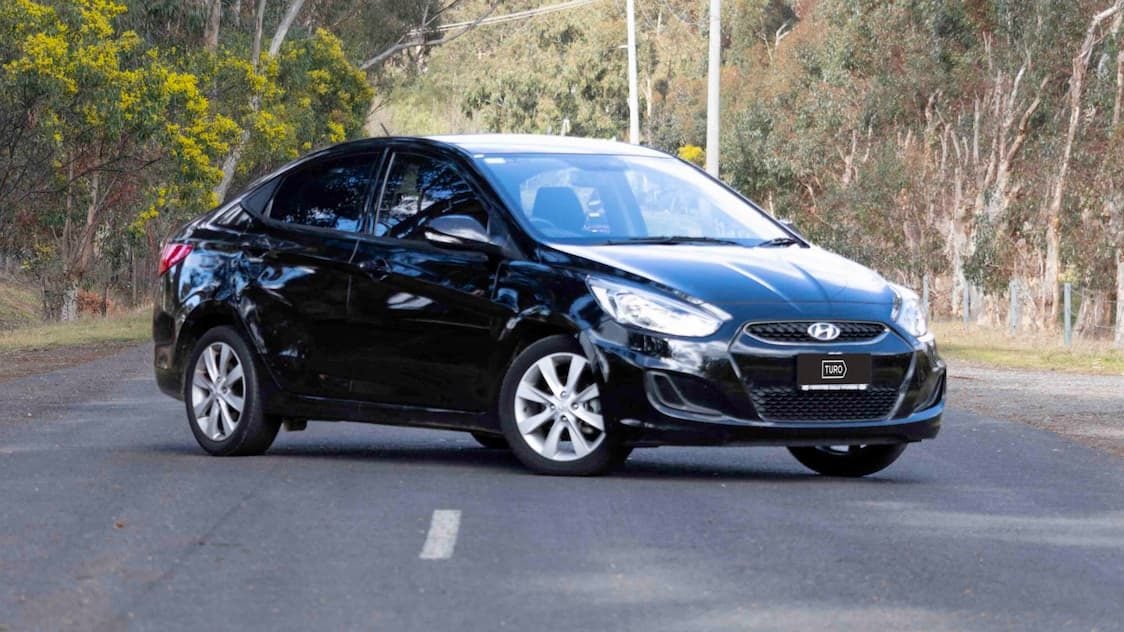
With sealed roads throughout the drive, a small car or compact SUV like the Land Rover Range Rover Sport is more than capable of seeing you through the journey. On Turo, you can browse a wide selection of vehicles in Melbourne to suit your travel needs and itinerary.
What to bring on the Melbourne to Uluru road trip
Aside from the road trip essentials of snacks and a great playlist, make sure you pack plenty of water. Regardless of when you take your road trip, the remote nature of this trip means you might find yourself covering some distance before reaching your next town with the chance to stop for amenities.
Given that temperatures can soar in the Northern Territory, opt for loose-fitting clothing where possible. Make sure you pack plenty of sunscreen and mosquito repellent, too. Clothing and equipment will largely depend on the activities you want to do, but keep in mind that it can get cold at night in the barren desert. You’ll want to have warm layers to slip into.
As for equipment, this will largely depend on your interests and the activities you choose. With the coastline offering beaches to explore and waterfalls in national parks, swimmers are a must. To maximise your adventures in the stunning national parks and bush, hiking shoes are also recommended. Thanks to Turo’s helpful local hosts, you can also add on extras like camping gear so you’ll be prepared for whatever the journey throws at you.
Top tips for getting from Melbourne to Uluru
Uluru-Kata Tjuta National Park Pass
For those visiting the UNESCO World Heritage-listed Uluru-Kata Tjuta National Park, you’ll need to have purchased a park pass, even if visiting as part of a tour. The passes can be purchased online for quick and easy entry and are valid for three days. For those who wish to extend their stay, however, the pass can be extended to five days at no extra cost.
As well as paying for entry, the money for the passes also helps to maintain the park’s facilities, preserve its beauty and cultural history, and support the traditional owners and their community.
Limited Service
Given the remote nature of the Outback, don’t be surprised to find you don’t have any reception. Once you find yourself north of Port Augusta in South Australia, you’ll notice that service becomes patchier. Ensure you have adequate fuel and supplies, including plenty of drinking water and food. Coober Pedy and various roadhouses along the way should offer sufficient reception, but further north, you’ll again encounter limited phone reception and service.
For those who enjoy driving to radio tunes, know that you won’t get any reception. Ensure you have downloaded any music or podcasts you want to listen to along the drive, particularly if you’re travelling with kids.
Discover the perfect road trip itinerary: Melbourne to Uluru
Ready to hit the road? Choose the perfect Melbourne to Uluru road trip itinerary for you:
Route 1: Melbourne to Uluru in 8 days one-way trip
- Total distance: approximately 3,447 kilometres
- Total driving time: 37 hours
The distance between Melbourne and Uluru might be significant, but in just eight days, you can see the breathtaking sights that define Australia. From the Grampians’ rugged sandstone mountains to the sweeping views of the Murray River, this road trip promises endless views of the landscape.
Day 1: Melbourne to Horsham
- Distance: 325km
- Driving time: 4 hours
From the capital of Victoria, you’ll travel along the Western Highway through historic towns like Ballarat and Ararat, before making your way to Horsham. Take the detour to Grampians National Park and explore the native flora and fauna as you follow a hiking trail around the incredible rock formations. As a heritage-listed national park, it’s home to the largest number of ancient Aboriginal rock art paintings and shelters in southern Australia.
Day 2: Horsham to Mildura
- Distance: 370km
- Driving time: 4 hours
Take in the beauty of regional Victoria as you travel along the Western Highway through towns like Dimboola. There are plenty of options for stops along the way, from the Little Desert National Park located to the southeast of Horsham and Dimboola. In Mildura, you can cruise the Murray River in a paddle steamer or camp under the stars at one of two camping sites.
Day 3: Mildura to Wilpena Pound
- Distance: 620 kilometres
- Driving time: 7 hours
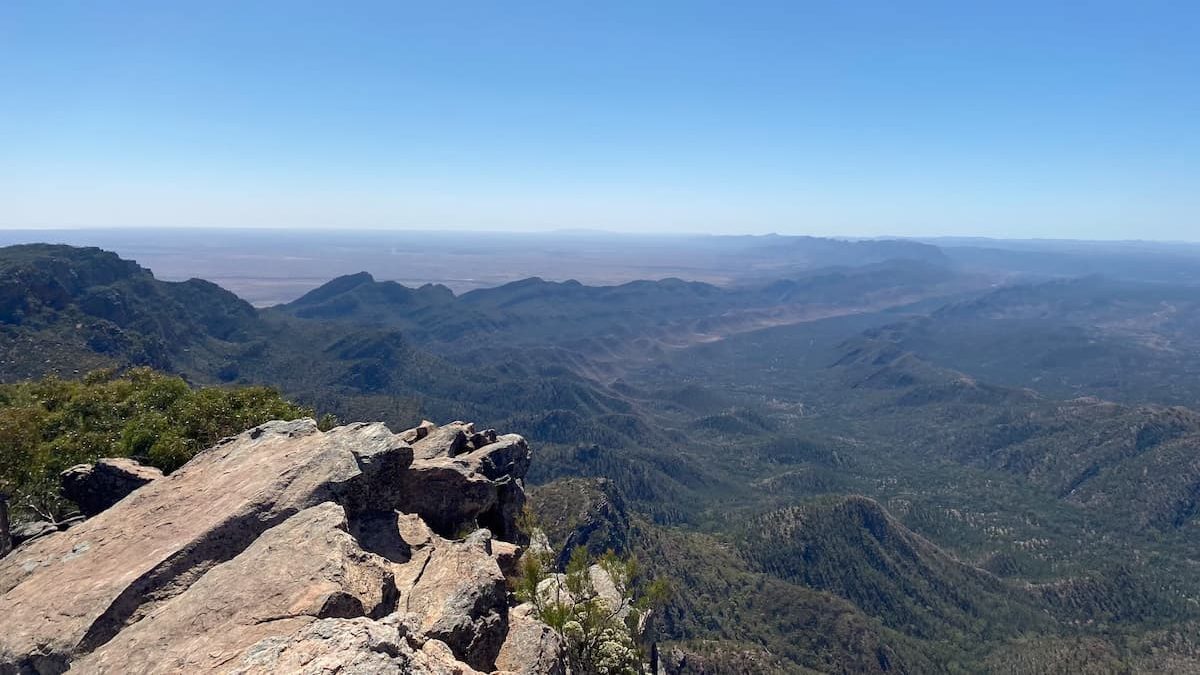
Though it’s a sizeable amount of driving to cover today, you’ll finally enter the arid landscapes of South Australia. The Stuart Highway will take you through the outskirts of Port Augusta, where you can stop to explore its attractions like Wadlata Outback Centre and the Water Tower Lookout. When you reach Wilpena Pound, you’ll be treated to incredible views of mountains as they are part of the Flinders Ranges. Consider camping to really take in the natural beauty.
Day 4: Wilpena Pound to Woomera
- Distance: 341km
- Driving time: 3 hours 40 minutes
This drive will allow you to explore more of the Flinders Ranges National Park as you continue driving across South Australia. Enjoy the vast views and changing landscapes while driving along the Outback Highway.
Day 5: Woomera to Coober Pedy
- Distance: 374km
- Driving time: 4 hours
You’ll find yourself on the Stuart Highway as you continue your journey into the remote Outback. With incredible underground buildings, Coober Pedy is a charming little town that will be sure to entertain. You can take a tour of one of the town’s 70 opal mines that are responsible for producing 95% of the world’s opal supply.
Tip from the author: To really get the unique experience Coober Pedy offers, I highly recommend looking into staying in an underground accommodation!
Day 6: Coober Pedy to Uluru
- Distance: 842km
- Driving time: 10 hours
A big day of driving is up ahead, but the sightseeing options are infinite. Consider taking a detour to the Painted Desert Lookout located 2.5 hours from Coober Pedy. From there, you can make the drive to Uluru as you take in the red earth and vast landscapes.
Day 7: Uluru National Park
- Distance: 135km
- Driving time: 2 hours
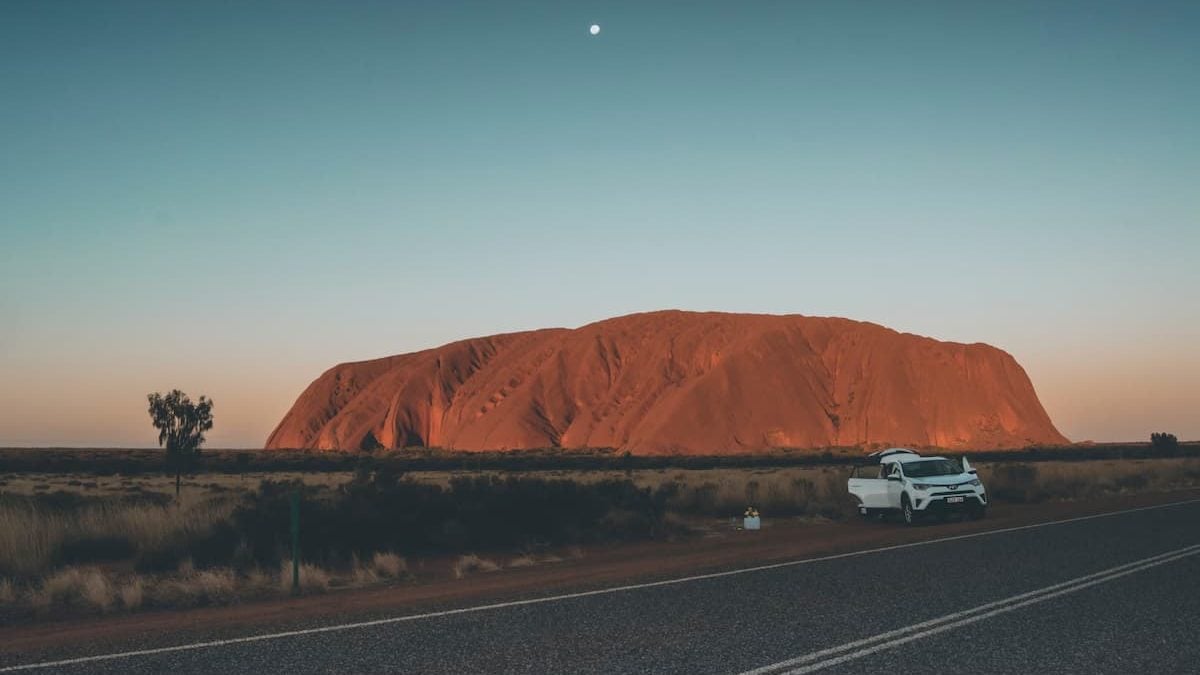
Make the short drive into Uluru-Kata Tjuta National Park where you can watch the sunrise before choosing one of several walking options. With its sacred Aboriginal history and cultural significance, guided tours are a great way to not only take in the beauty of the area, but also learn more from local guides. You can also explore Kata Tjuta (The Olgas), massive ochre domes that are located 40 kilometres from Uluru.
Day 8: Uluru to Alice Springs
- Distance: 656km
- Driving time: 7 hours
You might be feeling the blues of seeing your road trip come to an end, but Alice Springs makes for a delightful last stop. The vibrant town will let you explore the local delights of the Northern Territory, from the food to the art galleries and friendly locals. Consider stopping at Kings Canyon along the way, where you can explore the impressive red sandstone cliffs.
Route 2: Melbourne to Uluru – 14 days return
- Total distance: 5,545 km
- Total driving time: approximately 61 hours 15 minutes
Want to make a holiday of your Uluru road trip? Consider this two-week itinerary that is guaranteed to see you take in all the main attractions as you trade the coastline for the stunning red plains of the Aussie Outback, before making your way home.
Day 1: Melbourne to Murray Bridge
- Distance: 655km
- Driving time: 7 hours
As you head out of Melbourne, you’ll drive through regional towns boasting character and friendly locals. Consider stopping at Ballarat to learn more about the history, or Tallem Bend along the Murray River.
Day 2: Murray Bridge to Port Augusta
- Distance: 366km
- Driving time: 4 hours
Take in the scenic landscapes of South Australia as you venture to Port Augusta. Consider making a detour to Port Pirie, located southwest of Port Augusta and has a wealth of historical sites worth exploring.
Day 3: Port Augusta to Coober Pedy
- Distance: 542km
- Driving time: 5 hours 30 minutes
With its unique and vibrant landscapes, You’ll feel immersed in the Aussie Outback on this drive.
Day 4: Coober Pedy to Yulara Resort (Uluru)
- Distance: 732km
- Driving time: 8 hours
Experience the beauty of the desert landscapes as you continue on your Outback adventure. Yulara is a resort town just outside the Uluru-Kata Tjuta National Park, where Uluru and Kata Tjuta are located. It’s the perfect base to situate yourself for a full day of exploring these sacred sites.
Day 5: Explore Uluru
With its rich Indigenous culture and incredible landscape views, there’s much to discover at Uluru. From a base walk that takes you around the incredible formation to sunset viewings and local guides, you’ll be spoiled for choice. As of October 2019, climbing Uluru is no longer permitted out of respect for the cultural beliefs of the local Anangu people. Consider joining a guided tour led by the local guides instead to learn more about their culture and the significance of the sites.
Day 6: Uluru to Kings Canyon
- Distance: 304km
- Driving time: 4 hours
You’ll find plenty of natural attractions to explore along the way on this drive. From Mount Conner Lookout, 100 kilometres northeast of Uluru, to Kings Creek Station, you can experience the vast landscape that makes the Outback so special.
Day 7: Kings Canyon to Alice Springs
- Distance: 475km
- Driving time: 6 hours
This drive will once again shine a spotlight on the beauty of the Northern Territory. Consider stopping at Gosse Bluff, the site of a meteorite impact that now boasts a unique ring structure.
Day 8: Explore Alice Springs
There’s much to do in Alice Springs, so why not take a day off from driving to experience the vibrant culture of this charming city? From delicious food to charming locals and endless galleries exhibiting Aboriginal art, you’ll find plenty of entertaining options.
Day 9: Alice Springs to Coober Pedy
- Distance: 687km
- Driving time: 7 hours 30 minutes
Continue along your journey as you make your way back through Coober Pedy. Explore the underground homes and visit the historic Old Timers Mine to learn more about the early days of opal mining.
Day 10: Coober Pedy to Port Augusta
- Distance: 542km
- Driving time: 5 hours 30 minutes
As a major regional centre, Port Augusta offers a great place to stop for amenities and any refreshments you might need for the return journey.
Day 11: Port Augusta to Mildura
- Distance: 536km
- Driving time: 5 hours 45 minutes
You’ll pass through stunning landscapes as you make your way from South Australia to Victoria. Take a detour to Clare Valley to experience the globally recognised wineries or the Barossa Valley.
Day 12: Mildura to Horsham
- Distance: 312km
- Driving time: 3 hours 24 minutes
Pass through regional Victoria as you continue your journey home. Located in the Wimmera region, Horsham is home to changing landscapes and offers many an opportunity for capturing the beauty of Australia by camera.
Day 13: Horsham to Grampians National Park
- Distance: 131km
- Driving time: 1 hour 30 minutes
With its rugged mountains, bountiful flora, and incredible lookouts, Grampians National Park will see you revel in the beauty of nature. From the Aboriginal rock sites to iconic waterfalls and countless hiking trails, it might be the end of your trip but you’ll round out this great trip feeling inspired and invigorated.
Day 14: Grampians to Melbourne
- Distance: 263km
- Driving time: 3 hours 17 minutes
Enjoy the final day of your road trip as you pass through regional Victoria and make the return trip back to the city. There are plenty of things to do in the capital, from taking a stroll in the Botanic Gardens to taking in the numerous galleries and street art that make up Melbourne’s vibrant arts and culture scene.
Top stops on the Melbourne to Uluru road trip
From the stunning coastlines of the Great Ocean Road and underground homes in Coober Pedy, to the stunning sunsets over Uluru-Kata Tjuta National Park, there’s plenty to discover on your road trip from Melbourne to Uluru. Discover some of our top recommended stops below.
Great Ocean Road
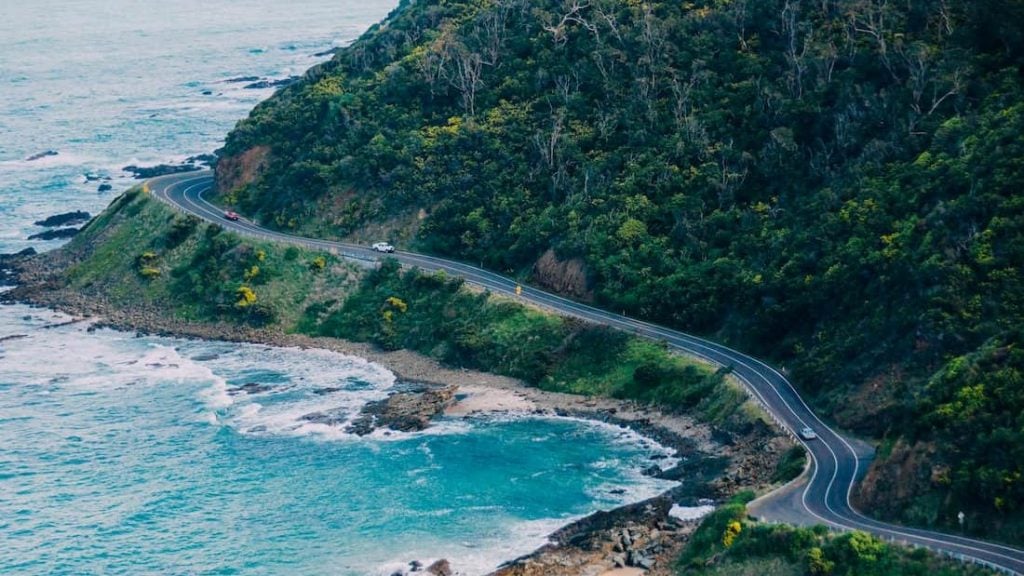
Australia’s coastline doesn’t get more beautiful than the views offered along the Great Ocean Road. With its dramatic rock formations, charming locals and quiet coastal towns, there’s plenty to see and do at this famous landmark and tourist hotspot. Consider taking in the Twelve Apostles that rise dramatically from the Southern Ocean or heading to Otway National Park to gaze at its rainforest canopies and stunning hiking trails.
Grampians National Park
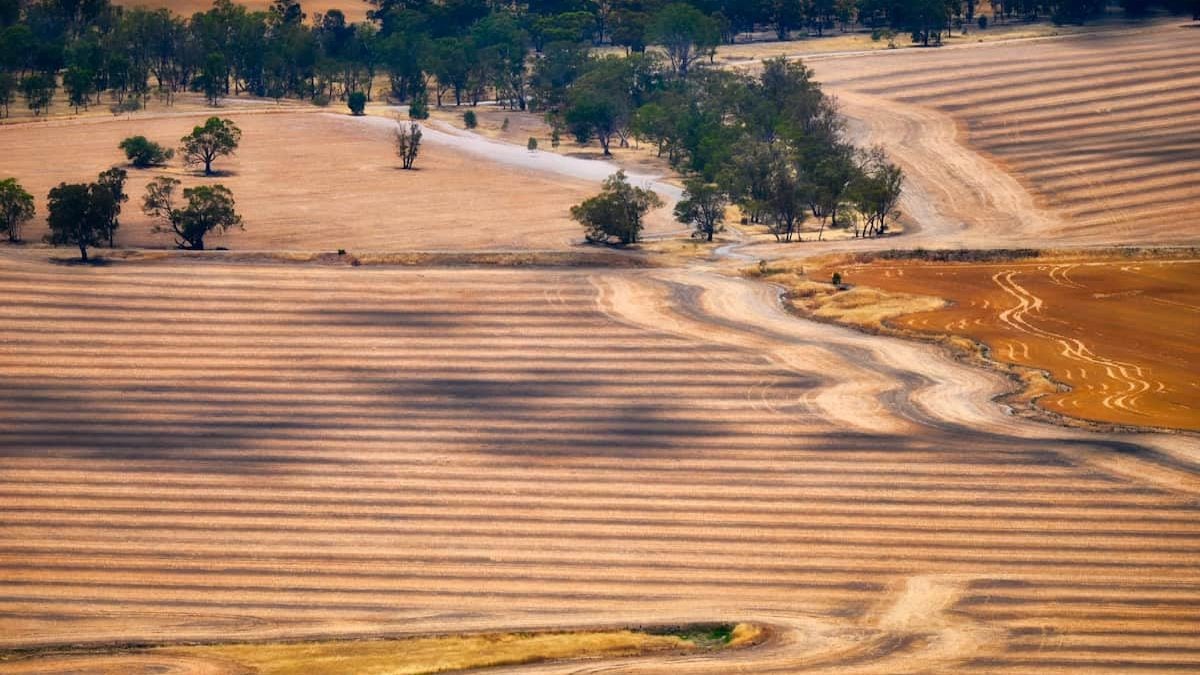
For any outdoor enthusiast, you can’t look past Grampians National Park. Offering a range of breathtaking landscapes and activities, the hardest part will be determining how long you can stay. From sandstone cliffs to rock formations and hiking trails that take in scenic lookouts, you’ll be able to see waterfalls up close and ancient Aboriginal rock art.
Tip from the author: A popular destination for rock climbers, there are several climbing routes that cater to a number of different skill levels. For those who prefer camping, you’ll have access to camping sites that make for a comfortable stay in the outdoors.
Flinders Ranges
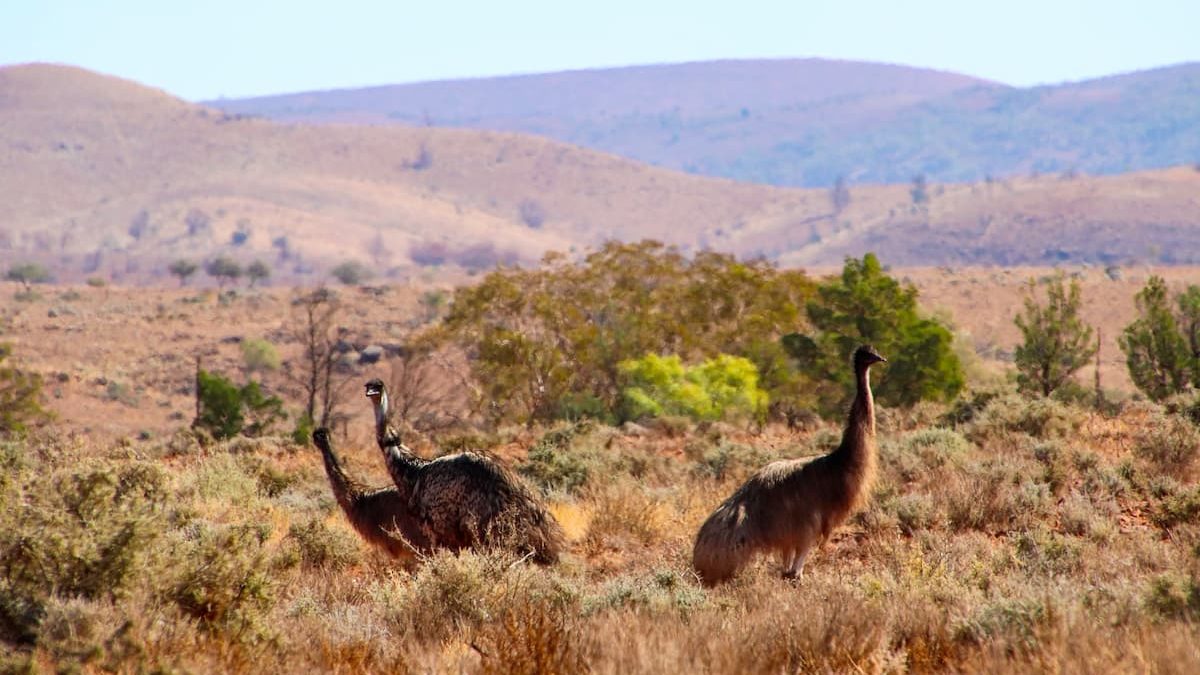
Located in South Australia, this stunning mountain range features a rich Aboriginal history. Take in the geological formations of rugged gorges and sweeping mountain views as you follow several walking trails of varying difficulty. Known for its abundant wildlife, you can also try your luck at birdwatching or simply head to Bunyeroo Valley Lookout for panoramic views.
For the adventurous, take the climb to St Mary Peak. As the highest peak in the Flinders Ranges, you’ll be treated to unbeatable views of the surrounding landscapes and Wilpena Pound, which is a natural amphitheatre surrounded by a ring of mountains.
Coober Pedy
Known as the “opal capital of the world,” Coober Pedy has an interesting history. With its underground homes and barren landscape, there’s much to explore in the world of opal mining as you take in the historic town. You’ll be able to learn more about the world’s major opal mine as you go underground and check out various mining techniques and exhibits.

Kings Canyon
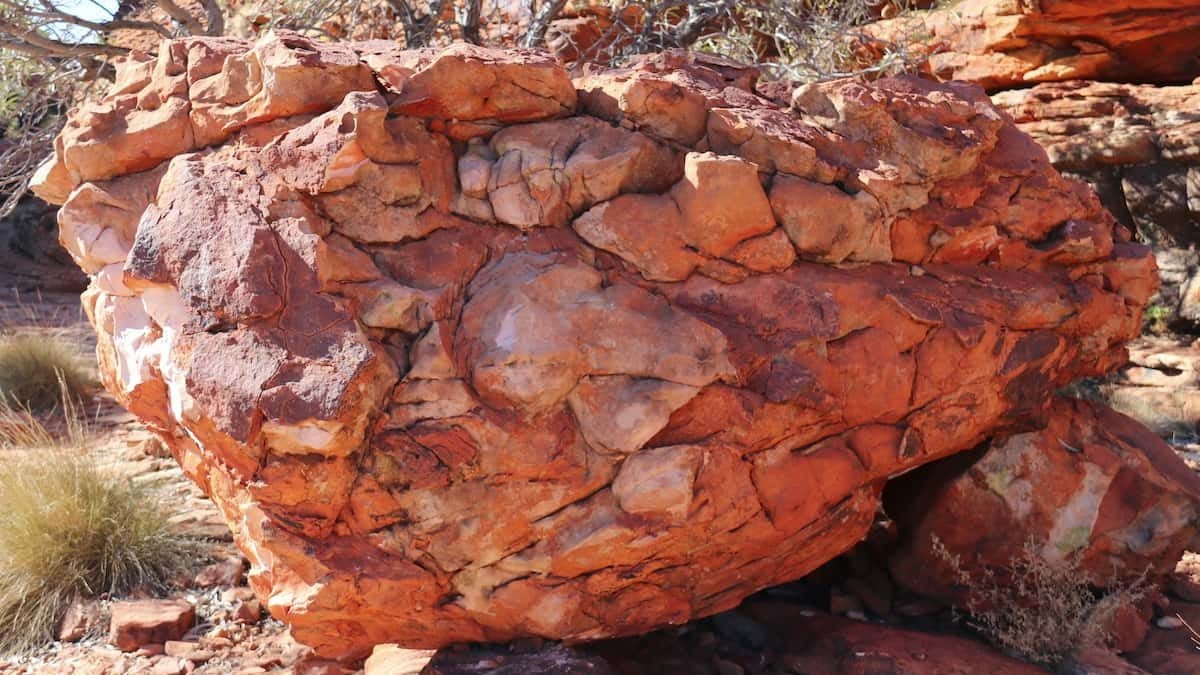
Located in the Watarrka National Park in the Northern Territory, King’s Canyon is known for its towering sandstone walls. With impressive rock formations throughout and incredible vantage points, you’ll be able to take in the beauty of Australia’s landscape.
With a number of walking trails and hikes to choose from, you can go right around the edge of the canyon and through the Garden of Eden – a lush oasis with native flora and fauna. The remote location makes Kings Canyon a popular destination for camping, as the starry sky makes for a memorable evening.
Uluru-Kata Tjuta National Park
A UNESCO World Heritage-listed site, Uluru-Kata Tjuta National Park is a must-see for any traveller. With its stunning red rock formations, cultural significance and desert landscape, it is guaranteed to leave you awestruck. You can choose from several walks that take you around Uluru as you hear about the cultural stories attached to the site. There are also designated viewing areas to take in a breathtaking sunrise and sunset.
Consider visiting the cultural centre to learn more about the Anangu people’s connection to the land. Guided tours run consistently throughout the day, where you can learn more about the Dreamtime stories and traditional bush skills.
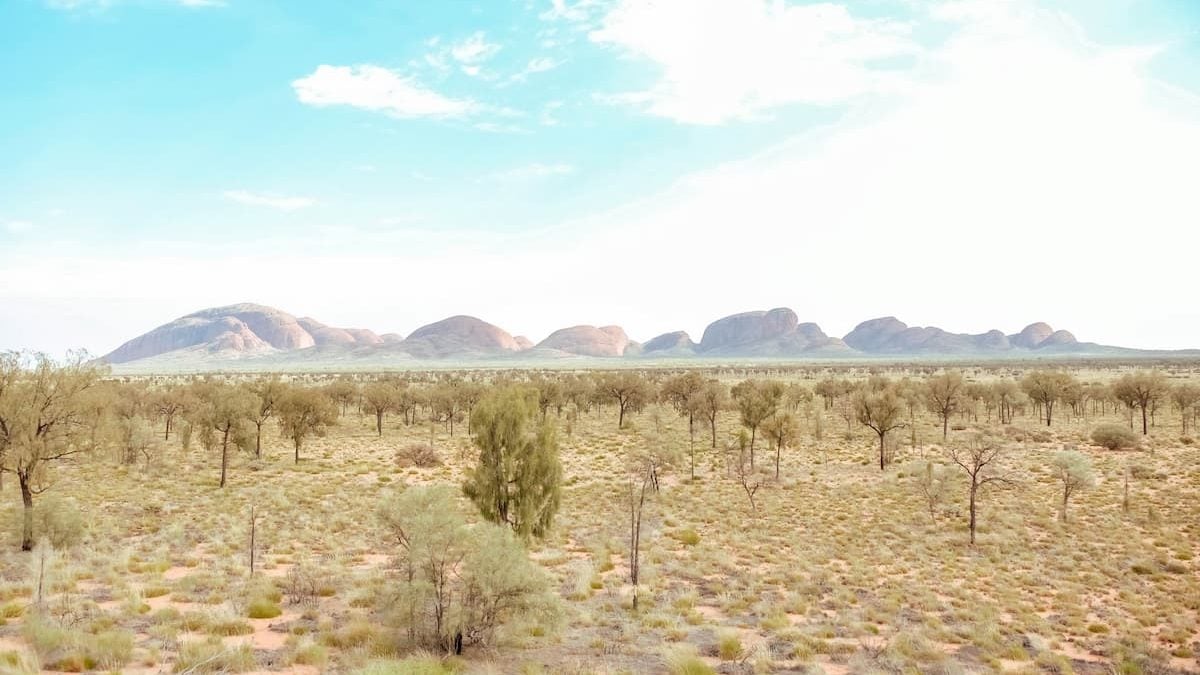
Alice Springs
Located in the heart of the Northern Territory, there are plenty of things to see in Alice Springs. The vibrant town is surrounded by natural landscapes that speak to the rich Aboriginal culture. With countless galleries exhibiting Indigenous art and the Todd Mall Markets that open on Sunday, you can soak up the local produce, flavours, arts and crafts.
There’s also the Alice Springs desert park with native flora and fauna, along with Anzac Hill, which you can climb to see breathtaking views of the city and the surrounding MacDonnell Ranges.
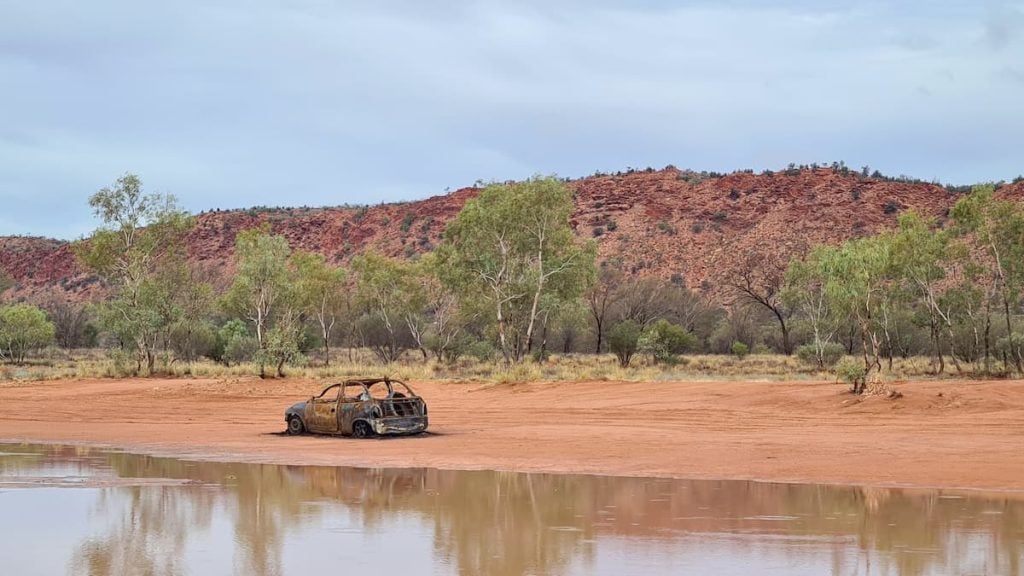
MacDonnell Ranges
Offering a range of natural wonders and outdoor activities, you’ll find plenty of things to do at MacDonnell Ranges. With a cultural significance for the Arrernte Aboriginal people, you can learn more about the rich history as you hear about local culture, Dreamtime stories, and traditional land management practices. Consider taking the Namatjira Drive that courses through the West MacDonnell Ranges. With spectacular views of the sweeping lookouts and towering cliffs, you’ll feel yourself immersed in nature.
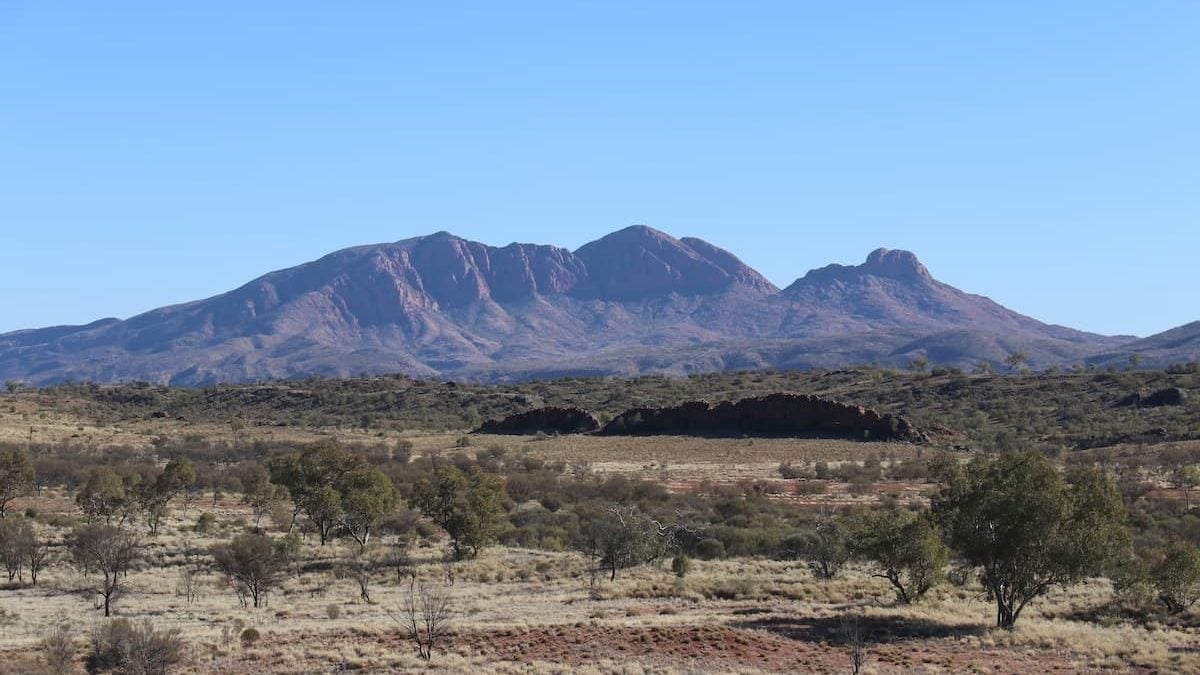
Devils Marbles
Also known as Karlu Karlu, this unique geological formation is located in the Northern Territory and deserves your attention. You’ll be able to view the massive granite boulders scattered across the valley, creating an otherworldly scene of mystery and beauty. For the Aboriginal people, it’s also a site of great cultural significance and is now a protected area managed by the Parks and Wildlife Commission of the Northern Territory.
At Devils Marbles, along with snapping some stunning images, you can follow a walking trail around the site as you take in the boulders. Powered campsites mean you can also sleep out under the stars and wake to a mesmerising sunrise.

Frequently asked questions about the Melbourne to Uluru drive
Can I get from Melbourne to Uluru by train?
Unfortunately not. Currently, there are no direct trains running between Melbourne and Uluru. That said, there is the Overland train, which runs from Melbourne to Adelaide twice a week and takes roughly 10 hours. From Adelaide, you can then catch The Ghan to Alice Springs, which takes a couple of days. From Alice Springs, you can take another bus to Uluru, or pick up a hire car to go exploring on your own time schedule and itinerary.
Can I get a flight from Melbourne to Uluru?
You can – flying is the quickest way to get from Melbourne to Uluru. Daily flights run between Melbourne and the small Ayers Rock Airport which is located near Yulara, a short 20-minute drive from Uluru (so you’ll still need a car once you get there).
You can also get a flight from Melbourne to Alice Springs, which is the nearest town to Uluru. From here, it’ll be a five-hour drive from Alice Springs to Uluru (or, there are connecting flights).
While you could fly, you’d be opting out of the road trip adventure of a lifetime.
What’s the closest airport to Uluru?
The closest airport to Uluru is the tiny Ayers Rock Airport, located near Yulara. This is just a short drive from Uluru that takes roughly 20 minutes.
Are the roads between Melbourne and Uluru sealed?
The drive from Melbourne to Uluru is mainly on sealed roads, which is great news for your wheels! The trip is fully accessible by 2WD and all-wheel drive, so you can have peace of mind while venturing out on your road trip.
That being said, for those looking to spend more time in the national parks or explore off the highway, a 4WD will grant you more opportunities for discovery and greater comfort. You will find 4WD tracks along the route, but these are more than easy to navigate in a small and compact car, too.
What is the best time of year to travel from Melbourne to Uluru?
Ultimately, the best time to travel from Melbourne to Uluru will depend on your travel preferences and itinerary. However, the best time is largely considered to be Spring, between the months of September and November. This is when temperatures gradually increase but aren’t as hot as you can expect in the summer months. It’s also wildflower season at this time, which adds colour to the landscape and makes for stunning visuals.
The Winter months of June through to August are the most popular. Temperatures are moderate, making it ideal for outdoor activities and exploring in the area, but you can expect it to get cold at night. While you might consider a road trip at this time, also know it’s peak tourist season and prices for accommodation in the area may skyrocket.
Looking for more road trip inspo that begins in Melbourne? Check out our Melbourne to Sydney road trip guide here, or browse our roundup of the best road trips in Victoria.
Want to take on the Melbourne to Uluru drive in style? With Turo, you can find the perfect car for your journey. If you’re starting your road trip to Uluru from Melbourne, let Turo connect you with the perfect vehicle for your trip and rent a car in Melbourne.

Jess Campbell
Jess is Sydney-based and loves the outdoors. While she likes to think she has what it takes to compete on ‘ALONE’, her survival skills need some work. Born in Singapore and raised in South Africa, she’s hiked across Ireland, surfed in Hawaii, spent six months in Kenya and covered much of Africa. Having spent a year in the north of Spain, she’s resolved to come back to tackle the Camino de Santiago. Until then, you can find her providing the best snacks and playlists on Aussie road trips.