
posted on July 18, 2026
If you’ve ever looked at a car spec sheet, you’ve probably noticed two figures near the top: torque and horsepower. If you’re not sure what they mean, this guide breaks down the differences and explains why both matter.
Understanding the difference between torque and horsepower helps when choosing the right vehicle for the job, whether that’s towing a trailer, hitting highway speeds, or simply understanding why some cars feel quick off the line while others excel at higher speeds.
In this guide, we’ll be covering:
- What is torque?
- What is horsepower?
- How torque and horsepower relate to each other
- Torque vs. horsepower: What each one does for you
- Which matters more: torque or horsepower?
- Torque vs. horsepower by vehicle type
- Frequently asked questions
What is torque?
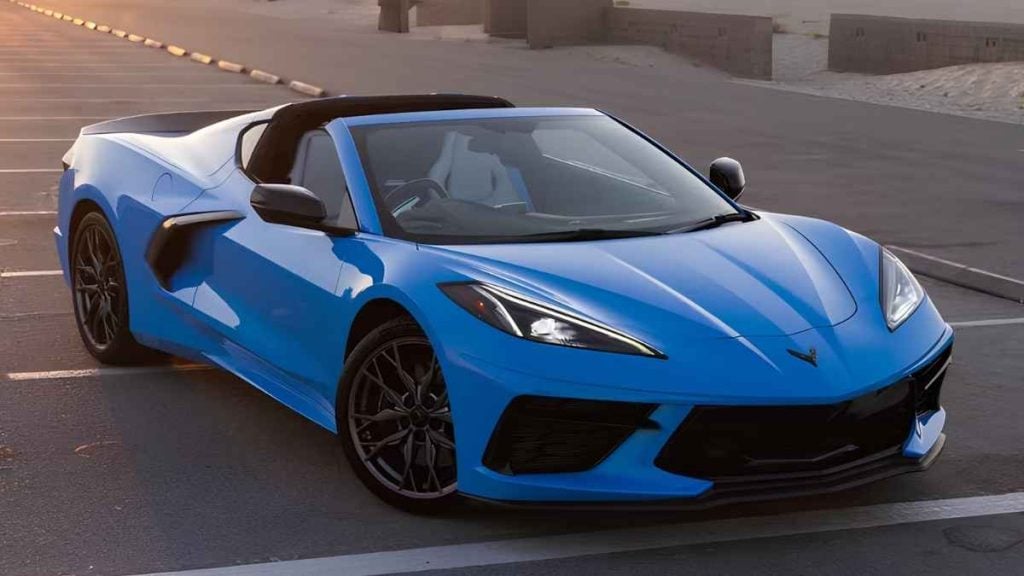
Torque is the rotational force produced by an engine, usually measured in pound-feet (lb-ft) in the US. It’s the twisting force the engine applies to the crankshaft, and it is the measurement linked with a vehicle’s acceleration and towing capabilities (a.k.a. the car’s muscle).
It’s a similar process to tightening a bolt: torque measures how hard you’re turning the wrench. When behind the wheel, torque is the grunt that pushes you back in your seat if you get your car moving from a standstill or low speeds. It’s also the pulling power that helps trucks tow heavy loads or climb steep hills.
Most engines have a maximum torque at a specific RPM (revolutions per minute) range. Diesel engines and electric cars produce peak torque at low RPM (as low as 0 RPM for some EVs), which is why they offer rapid, smooth acceleration. On the flip side, traditional gas engines produce peak torque at a moderate RPM (anywhere from 3,500 to 5,000 RPM).
What is horsepower?
Horsepower measures the power of an engine and how quickly it can do work (a.k.a. the car’s top speed). It’s a measurement closely related to torque. In fact, horsepower is calculated from torque and engine speed (RPM) using the formula: horsepower = (torque × RPM) ÷ 5,252.
In a real-world driving context, horsepower determines a vehicle’s top speed and how quickly it can sustain acceleration at higher speeds. A higher-horsepower vehicle is best for drivers who frequently merge on freeways or need to overtake slower vehicles on long, fast roads, while a lower-horsepower car is best for drivers looking for fuel efficiency and quick inner-city driving.
In short, horsepower indicates a car’s top speed and how effectively it can sustain that speed.
How do torque and horsepower relate to each other?
Horsepower is a measure derived from torque, meaning the two metrics are mathematically connected. While torque measures the engine’s ability to do hard work (such as pulling heavy loads or navigating steep inclines), horsepower measures how fast (and far) the vehicle can do it.
Both measurements interact with each other and have different impacts on a vehicle’s acceleration, towing capacity, and drivability. As a driver, checking a car’s torque and horsepower together can help you figure out which vehicle is the right fit for your needs. For example:
- Sticking to everyday commuting? Look for a car with high low-end torque to avoid gear shifting and acceleration effort in stop-start traffic.
- Moving a heavy load? Look for a vehicle with enough torque to get the car moving, and enough horsepower to keep it going at highway speeds.
- Concerned about fuel efficiency? Look for cars with high torque at low RPMs with conservative horsepower to maintain cruising speeds without needing to rev the engine.
Torque vs. horsepower: What each one does for you
Still wondering how torque and horsepower impact your vehicle’s performance? Learning the difference between torque and horsepower can give you a clear view of how a car will behave, accelerate, and perform on the roads. While a high-horsepower engine will be able to rapidly accelerate on straight stretches of road, a high-torque engine is a better fit if you need to tow heavy loads.
Here’s how to compare these two key metrics.
| What torque does: | What horsepower does: |
| Gets the vehicle moving from a standstill | Determines the car’s top speed potential |
| Pulls heavy loads and tows trailers | Sustains acceleration at high speeds |
| Climbs steep grades under load | Enables fast highway overtaking |
| Provides confident acceleration at low speeds and in city driving | Maintains speed on long, flat stretches of roads and highways |
| Makes the vehicle feel “strong” and effortless at everyday speeds | Makes the vehicle feel “fast” at sustained pace |
Which matters more: torque or horsepower?
The truth is that both torque and horsepower are important. What matters more will depend on your driving needs and car requirements.
Torque typically matters more for drivers who are towing, hauling, and driving at low speeds in urban environments. Horsepower usually matters more for drivers who regularly find themselves at highway speeds or those interested in top-end speed performance.
Most everyday drivers will be well served by cars that offer a good balance of torque and horsepower in typical driving RPM ranges (roughly 1,500 to 4,000 RPM).
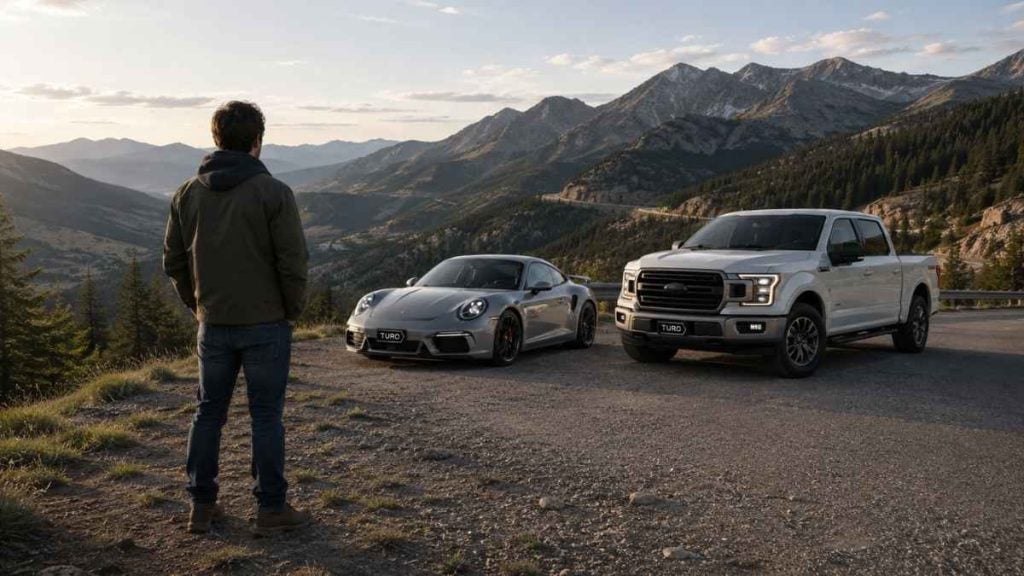
Tip from the author: The old saying in the car world is “horsepower sells cars, torque wins races”; but the more useful version for everyday drivers might be “torque gets you moving, horsepower keeps you moving fast.” Both have their place depending on how and where you drive.
Torque vs. horsepower by vehicle type
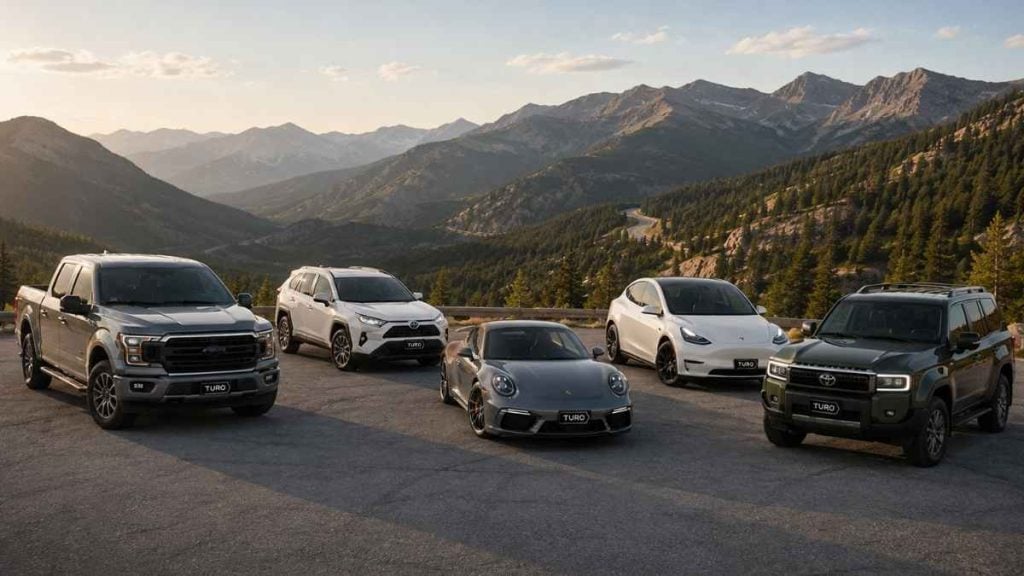
Whether you’re looking for maximum power or efficiency when hauling heavy loads, here’s how different types of vehicles prioritize torque and horsepower.
Trucks and SUVs built for towing
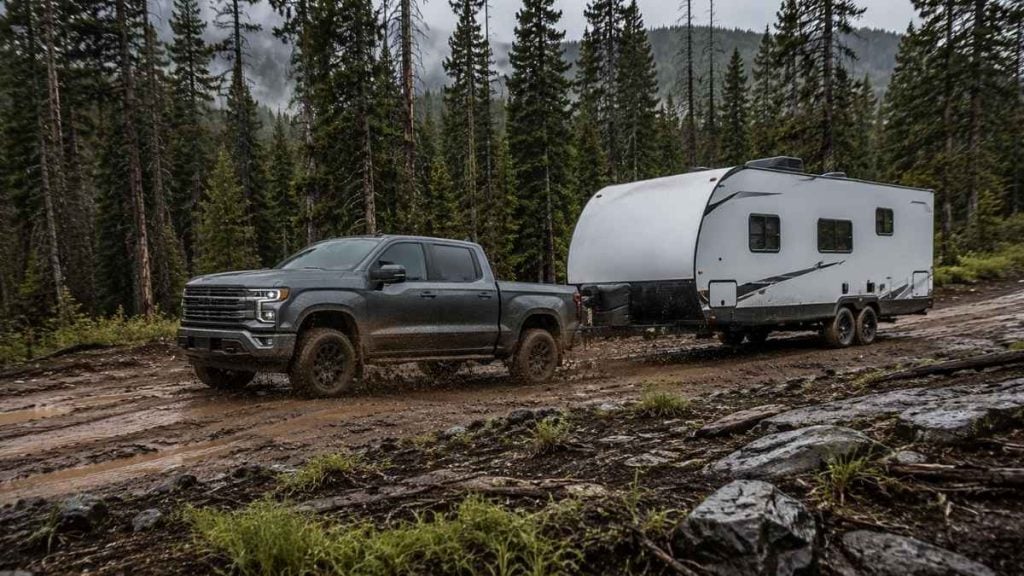
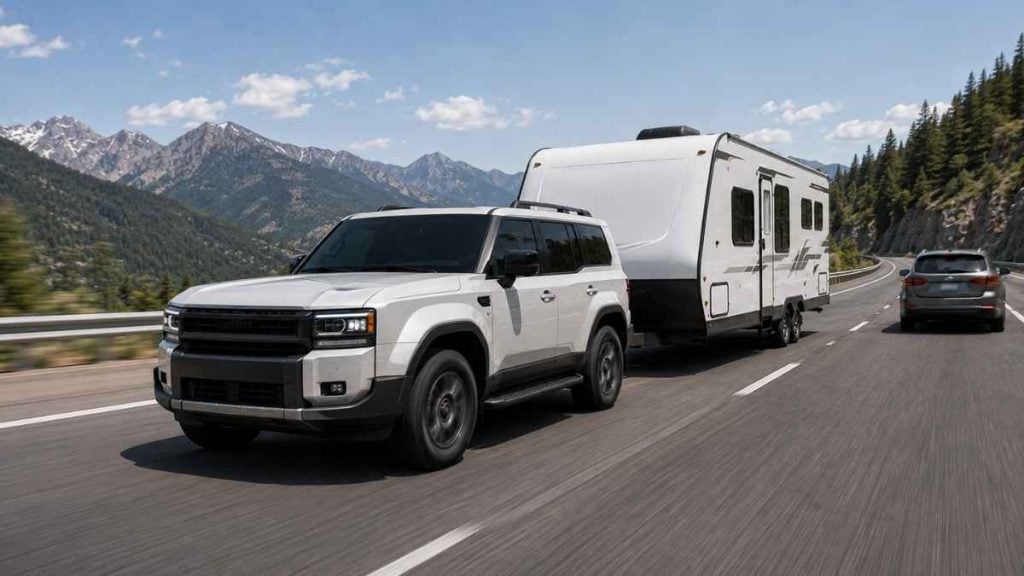
Trucks and SUVs prioritize torque, especially at low RPM. It makes sense as towing requires maximum pulling force at low speeds. Diesel engines are the way to go here, producing large torque figures from very low RPM.
When choosing a truck or SUV for hauling goods, make sure to consider:
- Your trailer’s weight: Lighter loads should be fine in a mid-size pickup truck, while very heavy towing will require a heavy-duty pickup.
- The “Big Three” weight ratings: Don’t just check the vehicle’s maximum towing capacity. Also factor in payload capacity (e.g. how much total weight, including passengers, the vehicle can carry), the gross vehicle mass (the weight of the truck itself), and the gross combined mass (the maximum amount of allowable weight of the fully loaded truck plus a fully loaded trailer).
- Drivetrain and suspension: Automatic transmission tends to be more durable under sustained heavy loads, and a robust suspension is key to keeping things stable throughout the drive.
Note: Turo’s policy prohibits towing or pushing anything, even if the vehicle is equipped with a hitch.
Sports cars
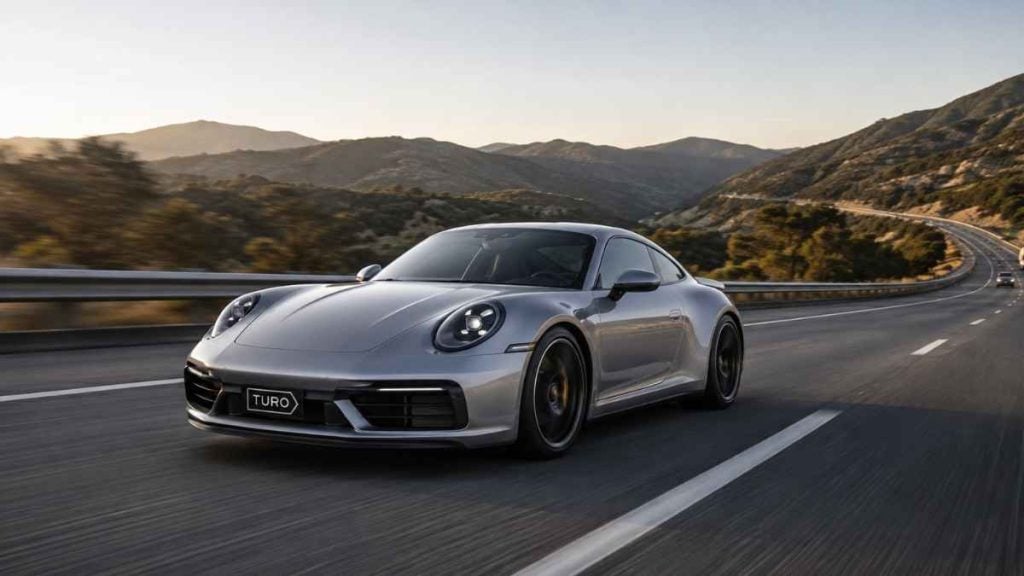
High-performance sports cars prioritize horsepower, especially at high RPM. Mid-range sports cars (such as a Chevrolet Corvette or Porsche 911) usually produce around 300-500 horsepower, while V8 supercars from brands like Ferrari and Lamborghini can easily push 600-800+ horsepower. Plus, many modern sports cars also offer strong torque to ensure quick throttle response at everyday driving speeds.
Get your fill of high-performance thrills by renting a sports car.
Electric vehicles
Electric vehicles are all about torque. EV motors produce maximum torque from 0 RPM, which is why electric cars feel so explosively fast off the line (even at modest horsepower measures). As there are no gears to shift, EVs produce 100% of their maximum torque instantly. If you’re looking for rapid, responsive acceleration, you won’t find a better option than an EV.
Curious about going electric? Consider renting an EV.
Diesel engines
Diesel cars are built around torque. Producing very high torque at low RPM means diesel engines are ideal for towing, heavy hauling, and low-distance highway driving at moderate speeds. While their horsepower figures are often lower than equivalent gas engines, the low-RPM torque advantage means that the diesel engine performance still feels effortlessly strong in real-world scenarios.
Everyday family cars and crossovers
If you’re looking for a car that balances both torque and horsepower, look no further than the crossover. A crossover SUV offers the perfect combination of everyday drivability, solid merging power, and fuel efficiency. Look for models like the Honda CR-V, Toyota RAV4 or the Hyundai Palisade for a reliable combination of safety, space, and versatility.
Frequently asked questions about torque vs. horsepower
What is the difference between torque and horsepower?
Torque is a measure of rotational force (a.k.a. the twisting power an engine applies). Horsepower is a measure of how quickly that work can be done, calculated from torque and engine speed (RPM). Torque is what gets a vehicle moving and handles heavy loads; horsepower is what sustains high-speed performance. The two are mathematically related: horsepower = (torque × RPM) ÷ 5,252.
Is torque or horsepower more important?
For towing, hauling, or city driving from a standstill, torque matters more. For sustained highway speed and high-end performance, horsepower matters more. For most everyday drivers, a vehicle with a good balance of both at the RPM ranges used in normal driving will feel more capable than one with extreme peaks in only one category.
Why do trucks have more torque than sports cars?
Trucks are engineered to move heavy loads, such as towing trailers, hauling cargo, and climbing steep grades under load. These tasks require high pulling force at low engine speeds, which means maximum torque at low RPM. Sports cars are engineered for speed, meaning they prioritize high horsepower that allows for fast, sustained acceleration. Different jobs mean different engineering priorities.
Why do EVs feel so fast if their horsepower isn’t always huge?
Electric motors produce their maximum torque at 0 RPM. That means the moment you press the accelerator, full torque is available instantly. This is why EVs feel so explosively quick off the line. Traditional combustion engines need to build RPM before reaching peak torque, creating a slight lag that doesn’t exist in an electric drivetrain.
What does lb-ft mean in car specs?
Lb-ft stands for pound-feet; it’s the unit used to measure torque in the US. It represents the force of one pound applied at the end of a one-foot-long lever arm. A higher lb-ft figure means more rotational force available to move the vehicle. Some manufacturers use Newton-meters (Nm) instead, where 1 lb-ft is approximately 1.356 Nm.
Which is better for a road trip: torque or horsepower?
For most road trips on paved highways, horsepower is more relevant as it’s what determines how comfortably a car maintains speed and overtakes. However, if you’re towing a trailer or camper, torque becomes the more important figure for climbing grades and handling the extra weight. A well-rounded vehicle with strong figures in both is the most comfortable road trip companion.
Ready to road trip through the states? Dive into your guide to the ultimate American road trip.
Find the right vehicle for how you drive on Turo
Understanding both torque and horsepower changes the way you read a spec sheet, and ultimately helps you pick a vehicle that matches how you drive.
Whether you need the torque of a capable truck for a hauling trip or the horsepower of a sports car for a scenic mountain drive, browse Turo for a wide range of vehicles available to rent across the US.
Share your car, earn extra cash
Cover your car payments or earn some extra cash by sharing your car whenever you’re not using it.
Get startedHit the road
Browse thousands of cars for every occasion and budget near you, or wherever you’re going.
Browse cars
Lucinda Starr
Lucinda Starr is a travel and automotive writer with 5+ years of firsthand experience road-tripping across Australia, New Zealand, and beyond. She writes road trip guides for Turo, drawing on her experience behind the wheel to share practical insights on long-distance drives, destinations, and vehicles. Her travels have taken her across Australia’s East Coast, Victoria’s Great Ocean Road, the Northern Rivers, Byron Bay, and both islands of New Zealand. One of her most memorable journeys was an 11-day, 2,600+ km route from Auckland to Punakaiki and Queenstown. Lucinda has a particular passion for classic, rugged 4WD vehicles and the freedom they bring to exploring new places.